


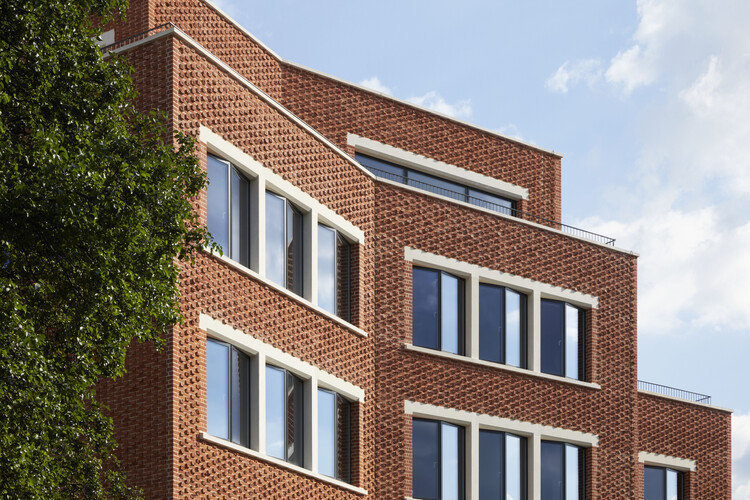
-
Architects: Squire & Partners
- Area: 2349 m²
- Year: 2021
-
Manufacturers: Kvadrat Soft Cells, Michelmersh, Senso
-
Professionals: Core 5, Clarke Saunders, Your London Florist, Jon Dingle Ltd, DSA Engineering

Claude Monet and Vincent van Gogh used the impasto technique extensively in their paintings. Both applied thick layers of oil paint over the canvas, usually one shade at a time, and it was up to the viewer's brain to mix the colors and create the desired effects. When dry, the paint forms reliefs and textures on the canvas, evoking a sense of movement. Even without being able to touch the screen, the texture of the brushstrokes gives a three-dimensionality to the painting, something that can only be fully observed by seeing the artwork live, looking at it from more than one angle and actually experiencing it.
In his famous book “The Eyes of the Skin: Architecture and the Senses,” Juhani Pallasmaa points to "a predilection in favor of vision and in detriment of the other senses in the way architecture was conceived, taught and criticized, as well as the consequent disappearance of sensory and sensual characteristics in arts and architecture." According to the author, "an architectural work is not experienced as a series of isolated retinal images, but in its fully integrated material, corporeal, and spiritual essence."
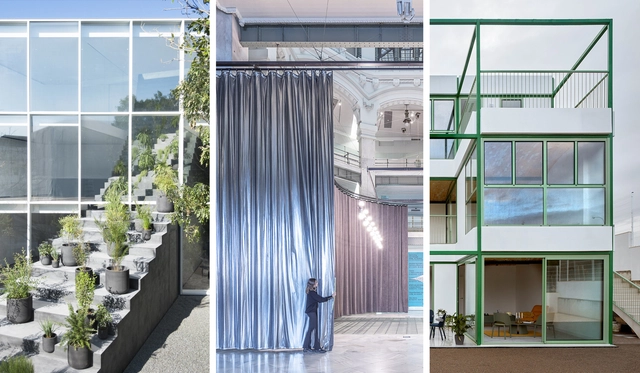
As we look back at the architecture projects we have published in 2020, as part of our yearly review, we were able to distinguish many recurring elements and solutions in terms of materials, programs, and functions.
Since the architecture industry moves slightly slower than others, we found that many things in the construction and design that have been building up these past years have come out making strong statements this 2020. We believe, therefore, that trends in the architecture world could be defined not only by what has been recurrent and popular but also, what has proven to be relevant and substantial.


_Jim_Stephenson_(16).jpg?1599857513&format=webp&width=640&height=580)

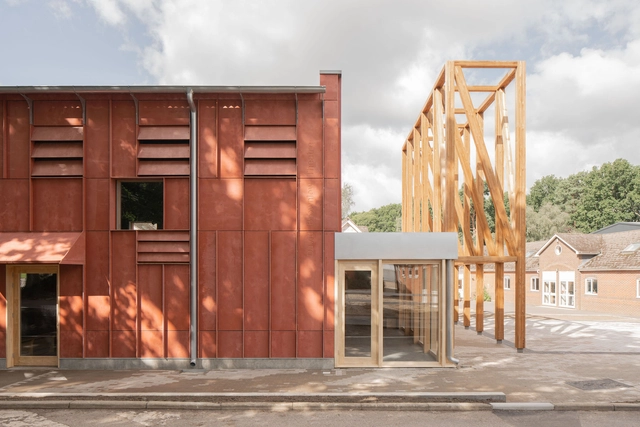
Architecture is defined by its permanence. While the discipline's most celebrated works are often those that were built to last, there's inherent beauty and value in an architecture of impermanence. Moving beyond conventional buildings and considering environmental and social impacts, temporary structures hold the potential to push the boundaries of architecture and the categorization of art.
_johan_dehlin.jpg?1595351892&format=webp&width=640&height=580)
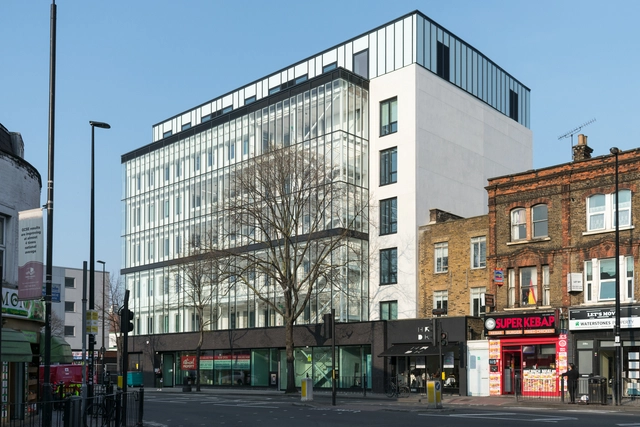
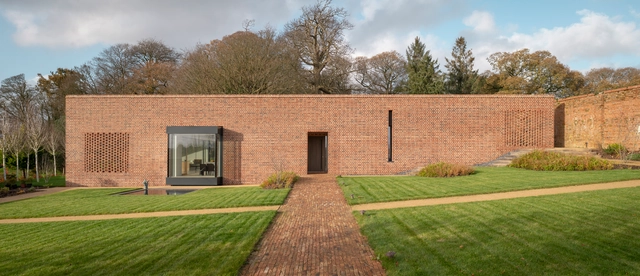
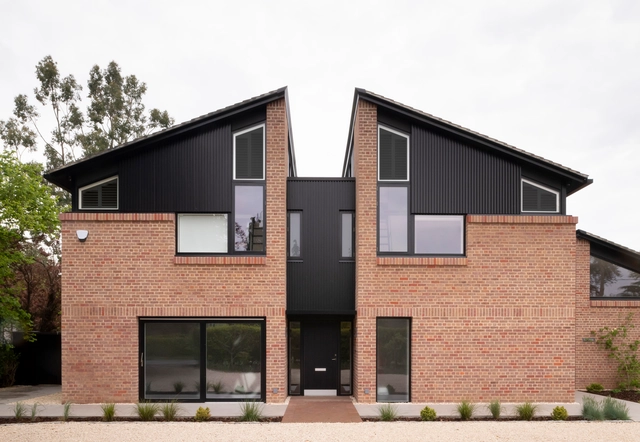
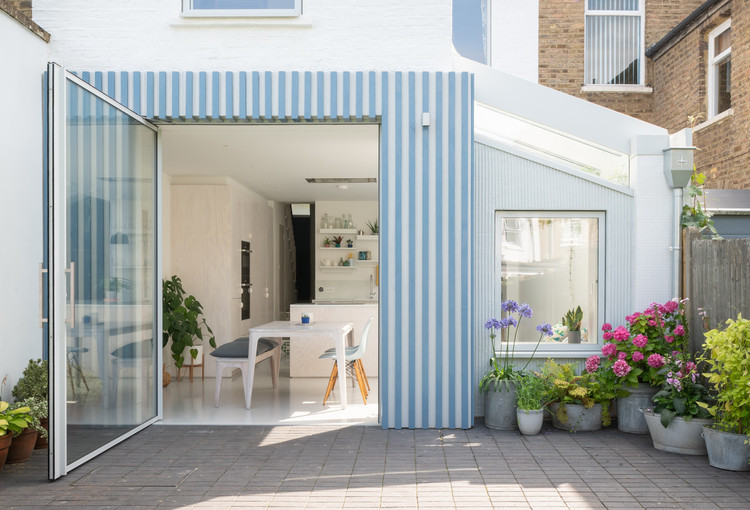
The use of brick plays a very important role in the architectural history of the United Kingdom. Construction techniques that involve brick and stone have been in constant progress. In fact, brick production improved over time, making the material the most popular one in the construction industry. From the 18th century onwards, brickwork was predominantly used in domestic and industrial architecture, but later on, it was introduced to the structure of warehouses and factories, as well as other various forms of infrastructure.
While many of these buildings are still operating to this day, it comes as no surprise. Refurbishment and reuse are highly recommended techniques, and in many cases, the only methods to maintain densely populated European cities. Therefore, the challenge lays in reusing these buildings and recycling the materials available, always trying to retain as much of the original structure as possible.
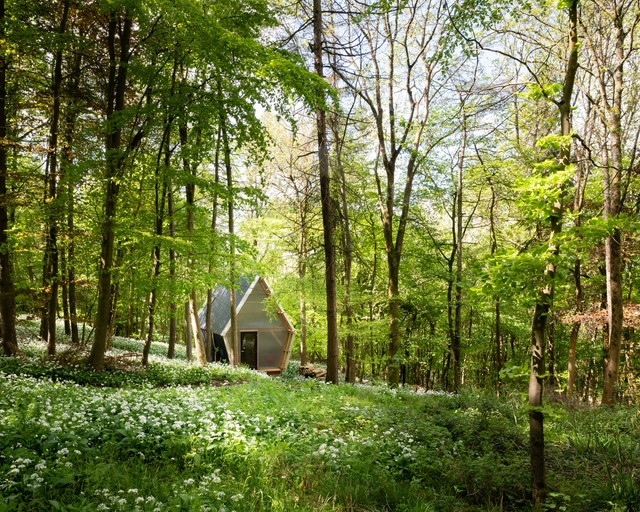
The first episode of Practice, a new series of documentaries about the process of architecture, takes an in-depth look into the design thinking of Invisible Studio's founder, Piers Taylor. The short film follows the architect as he builds a small cabin, alternating visually compelling imagery with pieces of conversation about his early years in the profession and the beginning of Invisible Studio. Taylor also shares his thoughts about building with volunteers and working with wood. The rhythm, the sound design (created by Simon James) and the cinematic quality of the film make of the short documentary an immersive experience.


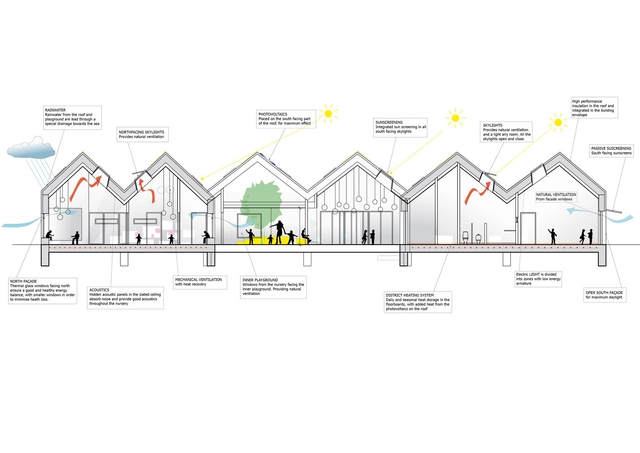
Humans spend almost 90% of the time indoors; that's approximately 20 hours a day in closed rooms and 9 hours a day in our own bedrooms. The architectural configurations of these spaces are not random - that is, they have been designed or thought of by someone, and are at least slightly "guided" by the conditions of their inhabitants and their surroundings. Some people inhabit spaces specially catered to their needs and tastes, while others adapt and appropriate designs made for someone else, perhaps developed decades before they were born. In either case, their quality of life may be better or worse depending on the decisions that are made.
Understanding the importance of carefully designing our interiors, particularly through the lens of access and enjoyment of natural light, was the purpose of the 8th VELUX Daylight Symposium, held on October 9 and 10 of 2019 in Paris. This year, more than 600 researchers and professionals attended and reaffirmed the importance of natural light, presenting a series of concrete tools that could help quantify and qualify light by designing its entry, management, and control with greater depth and responsibility.

Architect Edward Cullinan, founder of Cullinan Studio, has passed away aged 88. The studio announced the death its founder, saying that Cullinan died in his sleep on Monday. Known as Ted, he was awarded the 2008 RIBA Royal Gold Medal for Architecture in recognition of his inspirational practice and teaching.







_Jim_Stephenson_(4).jpg?1599857255&format=webp&width=230&height=230&crop=true)
_Jim_Stephenson_(23).jpg?1599857641&format=webp&width=230&height=230&crop=true)
_Jim_Stephenson_(14).jpg?1599857470&format=webp&width=230&height=230&crop=true)
_Jim_Stephenson_(32).jpg?1599857812&format=webp&width=230&height=230&crop=true)
_Jim_Stephenson_(16).jpg?1599857513)





_Andrew_Meredith.jpg?1595351859&format=webp&width=230&height=230&crop=true)
_Nigel_Rigden.jpg?1595352119&format=webp&width=230&height=230&crop=true)
_Ben_Pipe.jpg?1595351948&format=webp&width=230&height=230&crop=true)

_johan_dehlin.jpg?1595351892)


