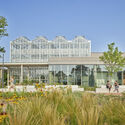
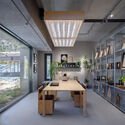
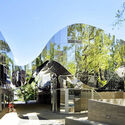
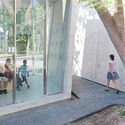
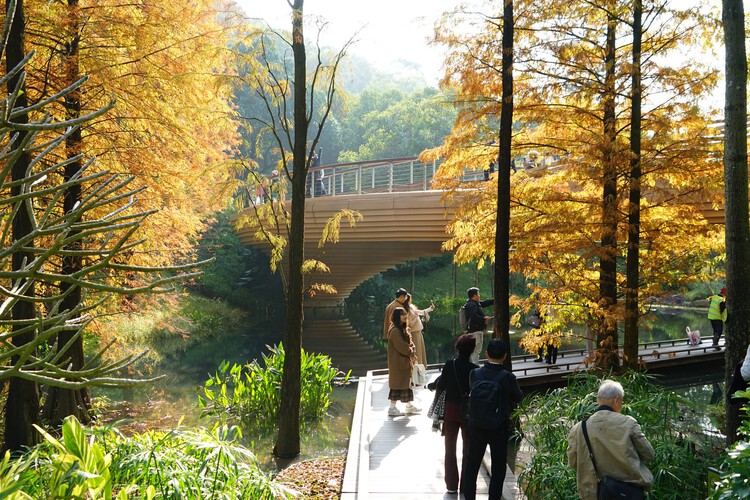
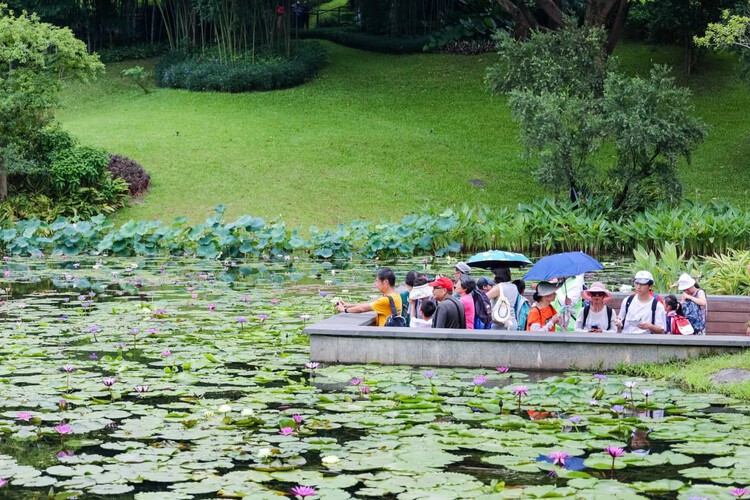
Guangzhou Yunxi Botanical Garden / AECOM + Architectural Design & Research Institute of SCUT + Guangzhou Landscape Architectural Design & Research Institute . Image Courtesy of AECOM
Guangzhou Yunxi Botanical Garden / AECOM + Architectural Design & Research Institute of SCUT + Guangzhou Landscape Architectural Design & Research Institute. Image Courtesy of Yunxi Botanical Garden
While human life depends heavily on plants for the medicines, building materials, and fuel they provide, they also play a vital role in many ecological processes. From climate regulation through carbon dioxide absorption to soil fertility and the purification of air and water, plant diversity offers opportunities to address some of the most pressing challenges of this century, including food security, energy availability, climate change, and habitat degradation. In this context, botanical gardens act as living refuges that foster innovation, adaptation, and human resilience. But what can architectural practice learn from botany and its methods?
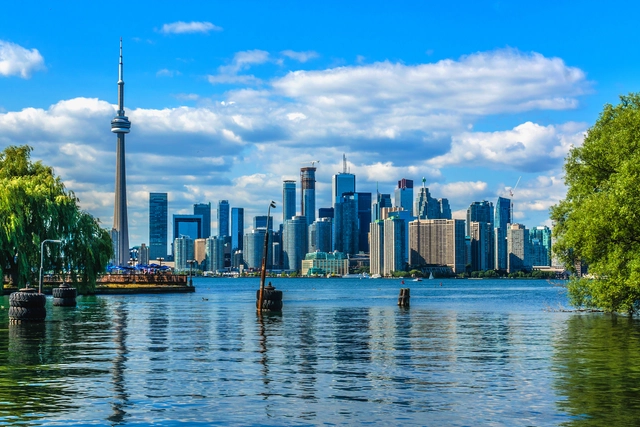
As one of the host cities of the 2026 FIFA World Cup, Toronto is preparing to welcome fans from across the globe. The Canadian city, the fourth largest in North America, has become a cosmopolitan center with its renowned business district and cultural venues that come alive during the summer and early fall nights. Toronto offers a beautifully diverse urban setting, with shimmering high-rises and smaller brick houses, intertwining residential and vibrant commercial areas, public parks, and even beaches. All become part of the city's striking skyline, crowned by the iconic CN Tower.
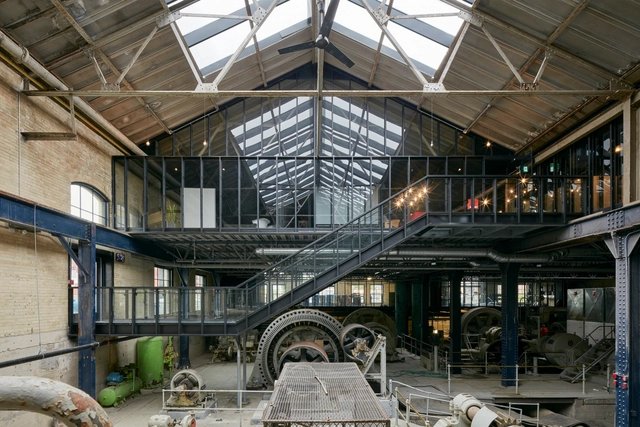
Toronto's ongoing sprawl and constant urban development are evident as new projects spread through the city, weaving themselves into existing buildings, from 19th-century landmarks such as the Gooderham Building to major contemporary works like the Aga Khan Museum. These new constructions include increasing adaptive reuse and retrofitted projects throughout the city as more efforts and incentives are provided to reduce carbon emissions.
As the year culminates, it's once again time for the ArchDaily team of curators to reflect on the best-performing projects of 2025 and consider what readers were most interested in. Through this diverse overview, we assess the cross-continental similarities and differences in trends and construction development. This year brought us many grand cultural and public spaces by Lina Ghotmeh, BIG, Zaha Hadid Architects, DnA, and Serie Architects, who populated events like Expo Osaka and the Venice Biennale, as well as a surprising number of museums and public or landscape works in China and the rest of the Asian continent. However, while these were sought-after projects, the leading works remained, unsurprisingly, residential projects.
More specifically, the houses that were most viewed on the ArchDaily global site were concrete houses that bore considerable injections of greenery and landscape focus. They propose layouts highlighting voids and double heights, as well as inner courtyards or large openings to the exterior. While some references did suggest traditional or vernacular elements, modernist revivals were still predominant. Material trends are much more tame, with a recurrence of raw concrete use, as wood and stone were common accent elements. Still, the more interesting thing about the works this year is the efforts brought by architects in situating and setting the projects within their surroundings, bringing special attention to landscape and how projects merged with nature.
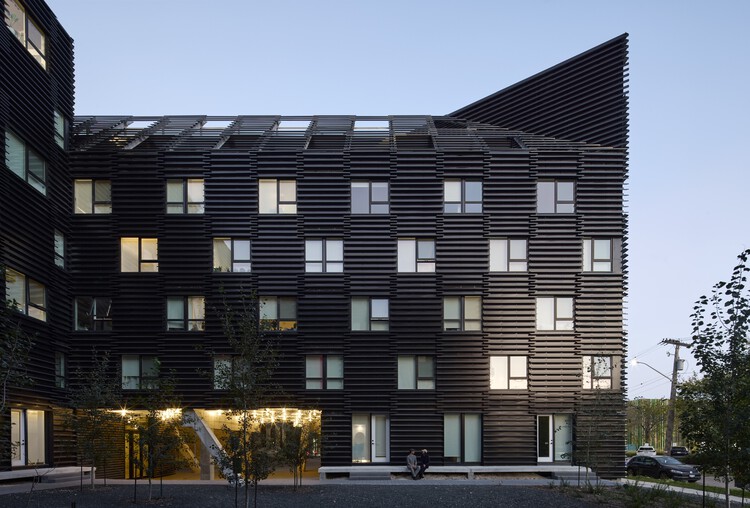
Founded in Winnipeg, Manitoba, in 2007 by Johanna Hurme and Sasa Radulovic, and shortly afterward joined by its third partner, Colin Neufeld, 5468796 Architecture was established as an architecture firm whose early work explored the current state of housing in North America. The Canadian studio operates as a collaborative group of approximately 20 designers, where they prioritize the collective value of ideas over individual authorship.
The history of the Olympic Games, while marked by athletic achievement, is consistently contrasted by infrastructure challenges. Across host cities, from Athens to Rio and Beijing, similar issues arise: significant cost overruns and the complex issue of legacy. The big question is: What is the best viable long-term use for purpose-built sport venues? Montreal's 1976 Games shared this fate after building an Olympic Park that faced heavy criticism for cost overruns and debt from specialized construction. Post-Games, venues like the Montreal Velodrome risked becoming a financial burden. However, the city demonstrated a proactive response by proposing the transformation of the building into a thriving civic asset that now stands as an internationally recognized example of successful Olympic venue repurposing.
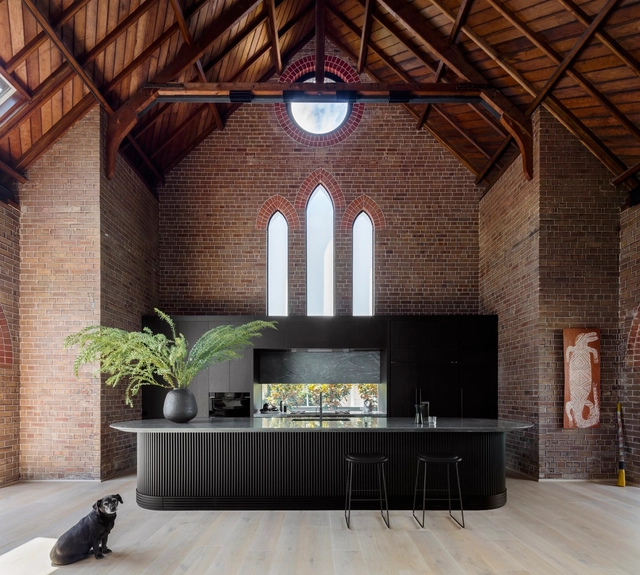
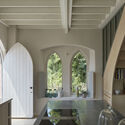
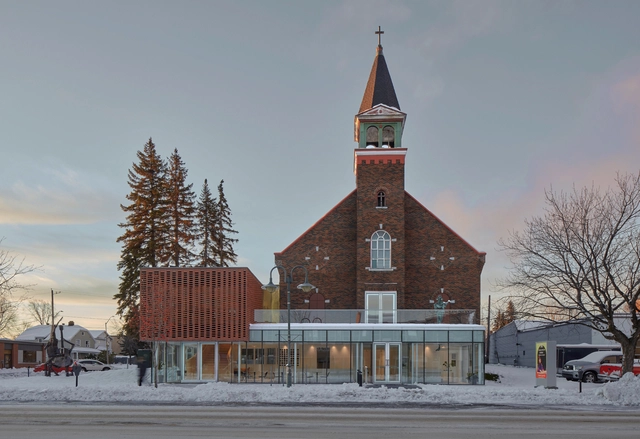
What does a change in use and/or scale in buildings imply? How can a church or chapel be transformed into a home? While the architecture of many contemporary sacred spaces shows a remarkable capacity for adaptation and evolution, the creative boundaries of many professionals extend beyond their conception as structures of spirituality or worship. Globally, the conversion of large churches and small chapels into private residences reveals a wide field for intervention and exploration, one that can preserve, restore, adapt, and/or renew the character of spaces originally conceived for other uses and scales, which for various reasons have been abandoned, become obsolete, or now require transformation.
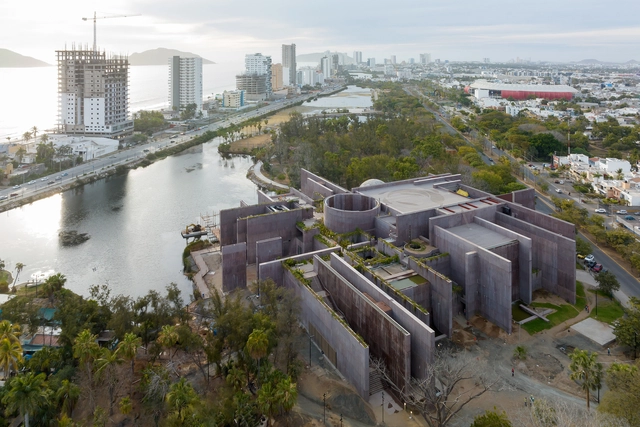
Mies Crown Hall Americas Prize (MCHAP) has announced the five finalist projects for the 2025 Americas Prize, highlighting projects from Argentina, Canada, Mexico, and the United States. The announcement was made by MCHAP Director Dirk Denison and this year's Jury Chair Maurice Cox. The biennial award established in 2013 by the Illinois Institute of Technology's College of Architecture, recognizes exceptional architectural achievements across North, Central, and South America. Considering projects completed between June 2022 and December 2023, it aims to highlight those projects that significantly contribute to their communities and elevate professional standards.
The winning project will be announced on May 5 during a symposium at the Illinois Institute of Technology. The winning authors will receive the MCHAP Award, a chair at IIT's College of Architecture, and a $50,000 research and publication grant.