

-
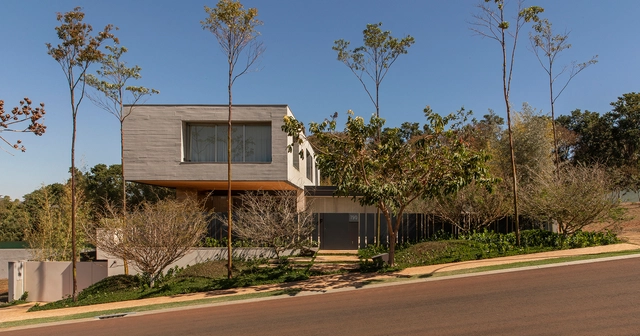
Architects: Mariana Orsi Arquitetura + Design
- Area: 388 m²
- Year: 2025

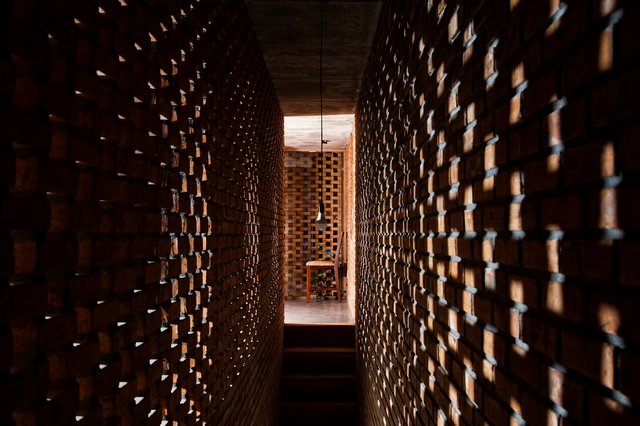
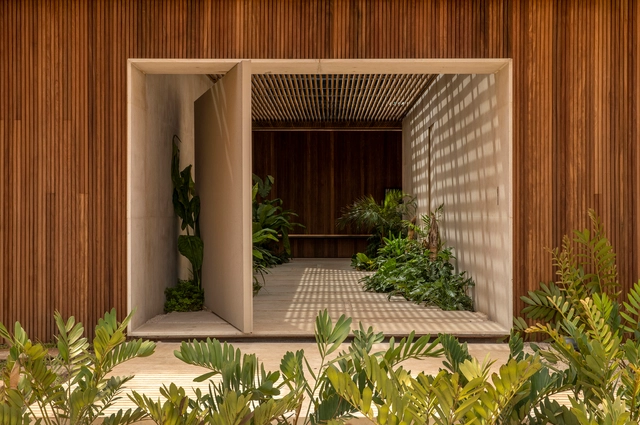
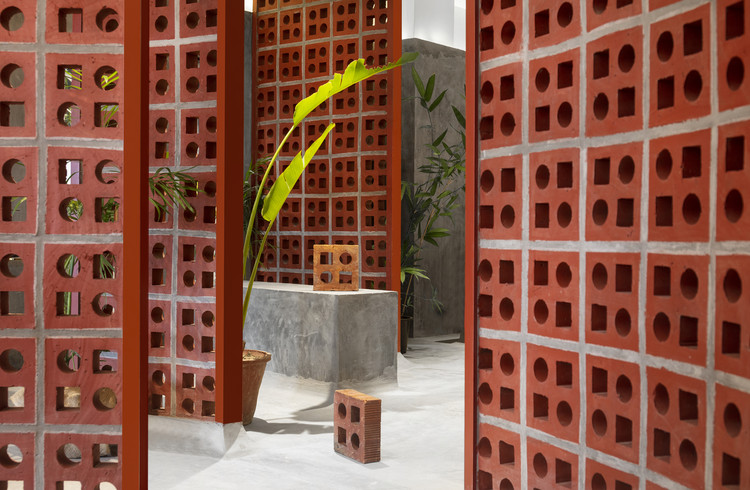
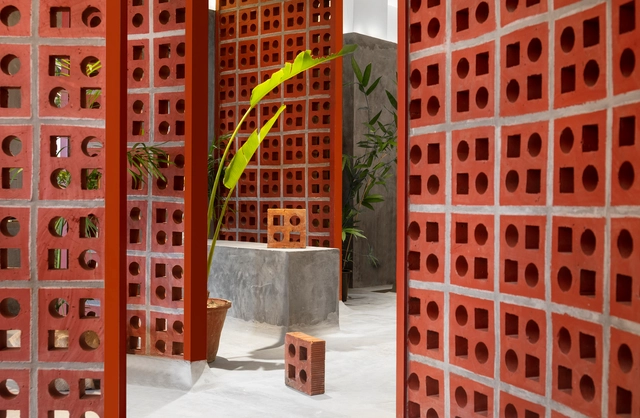
Although an architectural project comes to life with palpable materials, it is also defined by intangible qualities that give it richness, dynamism, and liveliness. Among them, the interplay of light and shadow can transform environments and affect their perception, determining the user's spatial experience. Besides providing natural ventilation, privacy, and thermal comfort, lattices allow this duality by filtering the entry of sunlight while projecting repetitive figures on the surface. In this way, perforated walls and ceilings can create multiple geometric patterns of light and shadow that become design elements capable of generating unique atmospheres.
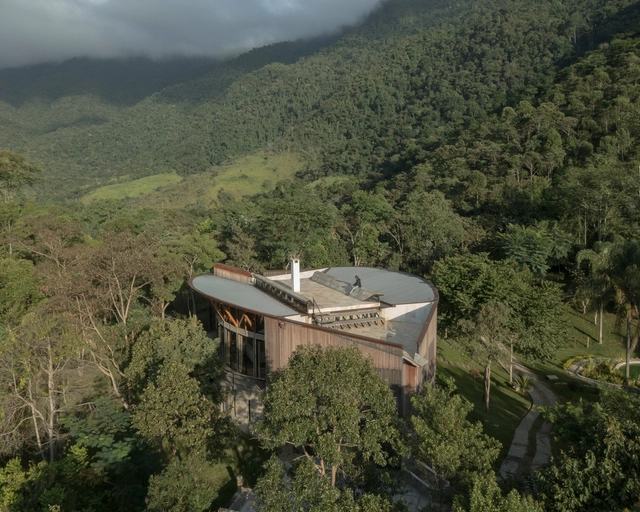
ArchDaily's curation team strives daily to present our readers with the most significant, inspiring, and innovative projects, expanding the knowledge and repertoire of students and architects worldwide. From small renovations to projects designed from scratch, residential architecture is a constant in the daily practice of most firms. Year after year, we see the deep interest this typology sparks: it remains the most popular category among our audience.
There is often an intricate relationship between architecture and the environment. Each part of the world has defined its own architectural techniques based on its unique climatic conditions. However, environmental concerns in the 21st century provoked new techniques, implementing solutions to preserve natural resources and provide thermal comfort. While some opted for a futuristic approach with mechanical and technologically-advanced solutions, others decided to go back in time and explore how civilizations protected their people, architecture, and environment when they had nothing else to resort to but the environment itself. In this article, we look at how Musharrabiyas found their way back into modern-day architecture as significant vernacular features.
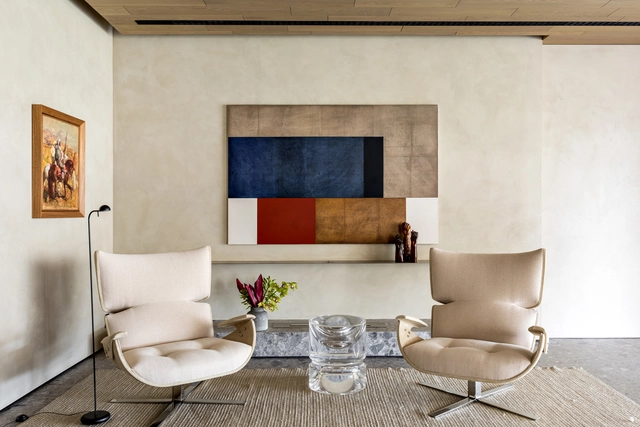
The determination of focal points in the environments offers dynamism, personality and activates internal and external environments from the enhancement of decorative objects or construction elements. Here are some examples for you to understand what it is and how to use it in the design and decoration of your home.
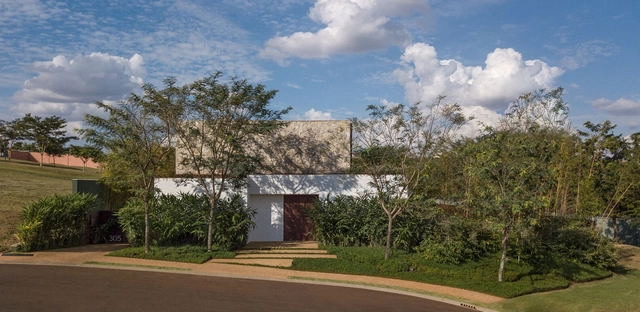

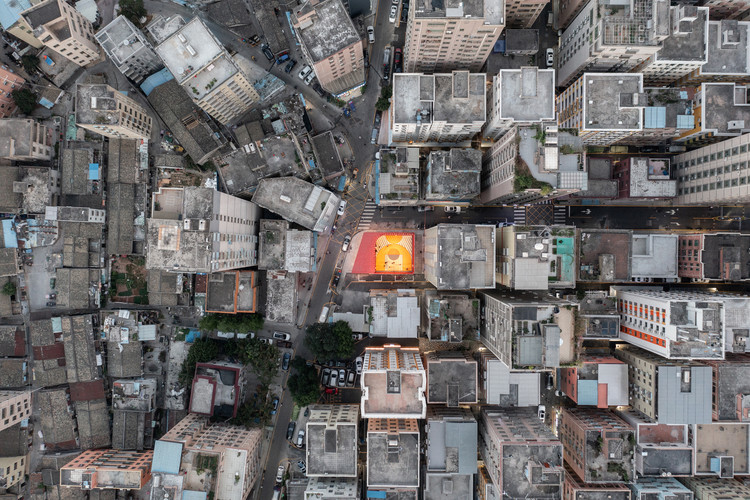
After a year delay due to the Covid-19 pandemic, Tokyo Olympics started at the end of July. In this edition, three new modalities debuted in the biggest competition in the world: 3x3 basketball, surfing and skateboarding. Bringing medals to countries such as Japan, United States, Brazil, Australia, Russia, Serbia, China and Latvia, and involving a large number of athletes and nations, these sports carry urban culture in their movements and histories and are an important part of relationships in the city.
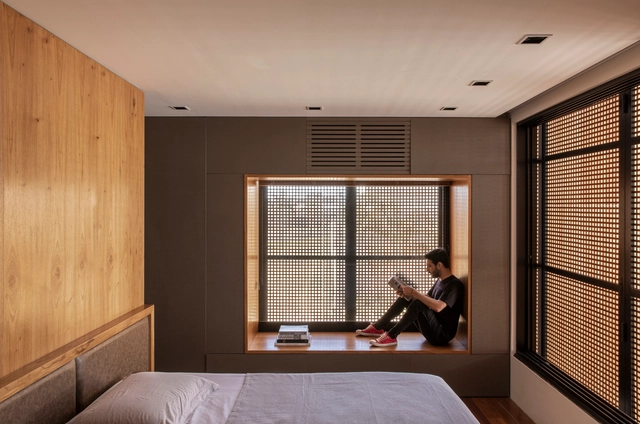
As one of the most intimate spaces of a residence, dormitories have had their use adapted over the years, especially after the Covid-19 pandemic. A space for relaxation that also needs to fit furniture, decorations and harmonize with the architecture. Here's a selection of ideas to get inspired and redesign your bedroom.
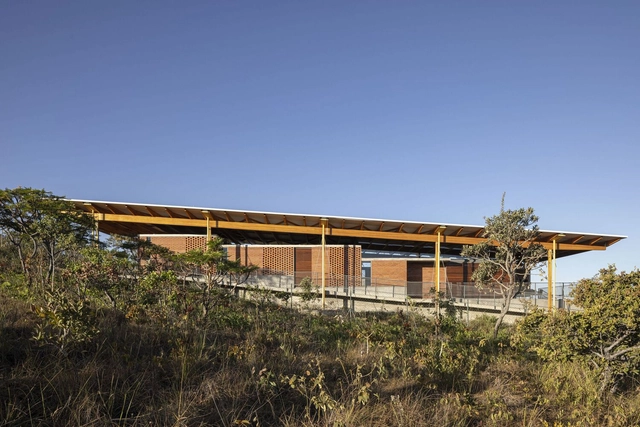
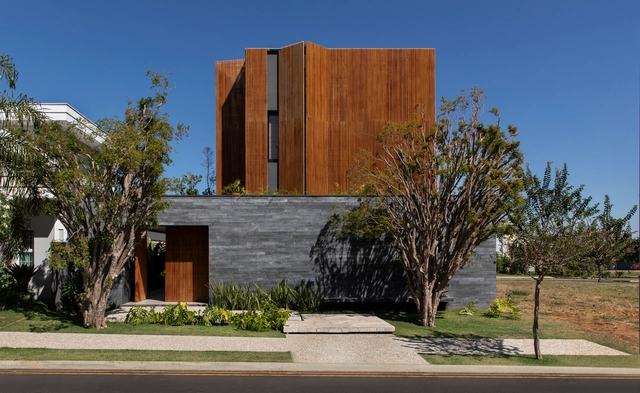
Every year, our curatorial team presents a retrospective of house projects that stood out over the period. This collection, a small selection of the more than two thousand projects published on ArchDaily Brasil this year alone, comprises a series of residences with specific design solutions that address, each in their own way, factors such as materials, construction techniques, structural systems, building processes, and programs.
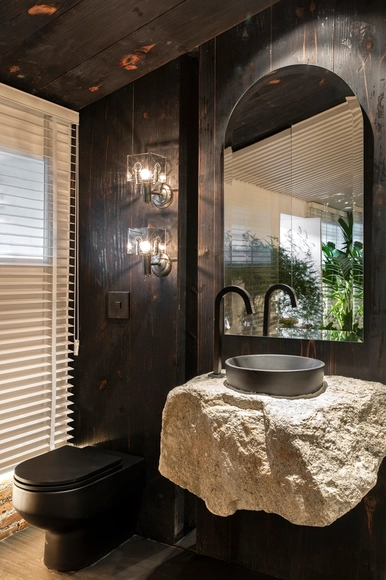
Choosing the fixtures and finishes for bathrooms, kitchens, and laundry rooms is always a design challenge. Whether dealing with wall coverings, fittings, or sanitaryware, gathering as much information as possible is crucial to designing a functional and harmonious space. Among these components, we highlight here the essential details for choosing the best type of sink and its applications.