-
Architects: Barbalaco Arquitectos
- Area: 370 m²
- Year: 2024
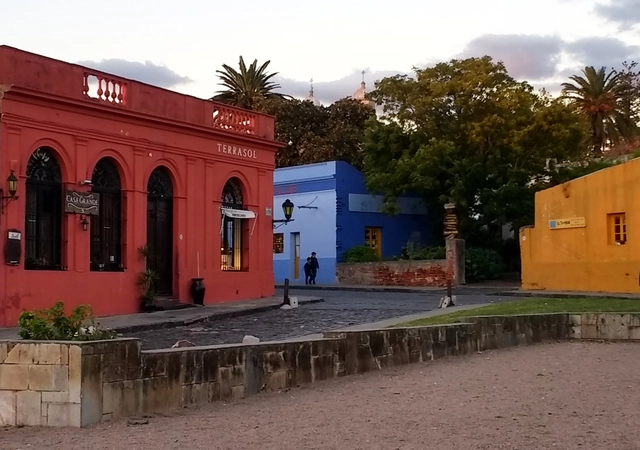
Colonia del Sacramento, on the shores of the Río de la Plata in southern Uruguay. From the ferry—if arriving from Buenos Aires—one can spot the famous lighthouse rising above a cluster of historic stone houses and cobblestone streets; a historic center declared a UNESCO World Heritage Site, which features not only a colonial and post-colonial architecture blending Spanish and Portuguese influences, but also compelling restoration and renovation projects that demonstrate a thoughtful embrace of Uruguayan memory.
Its architectural landmarks emerge naturally from an atmosphere frozen in time as you explore the city on foot along its waterfront and green spaces. Below, discover a list of 10 sites you should visit.
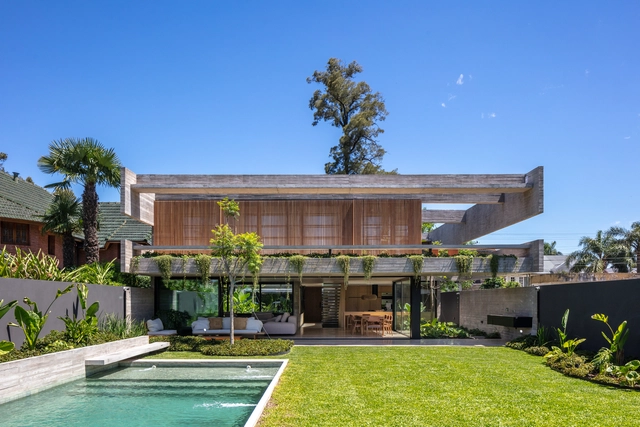
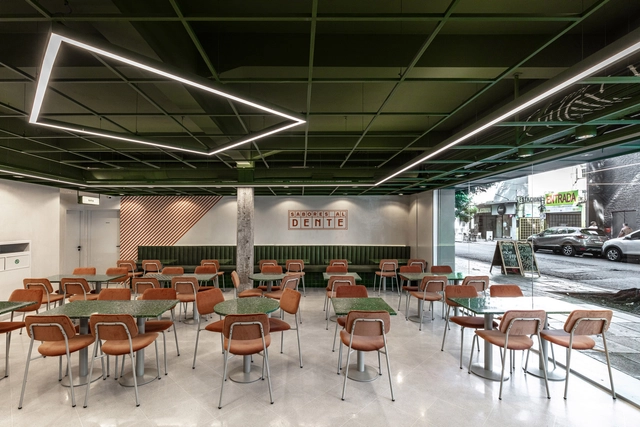
In contemporary interior architecture, service provisions—mechanical, electrical, HVAC, plumbing—are almost always treated as elements to be concealed. Thickened wall cavities, extensive dropped ceilings, and, in regions where solid construction such as brick or concrete prevails, furred-out walls are routinely employed to hide these systems. This approach has become so normalized that it often forms the starting assumption for spatial planning, inherently constraining imagination and reducing the range of spatial possibilities. The priority shifts towards covering-up, rather than exploring how these systems might coexist visibly within a design language.
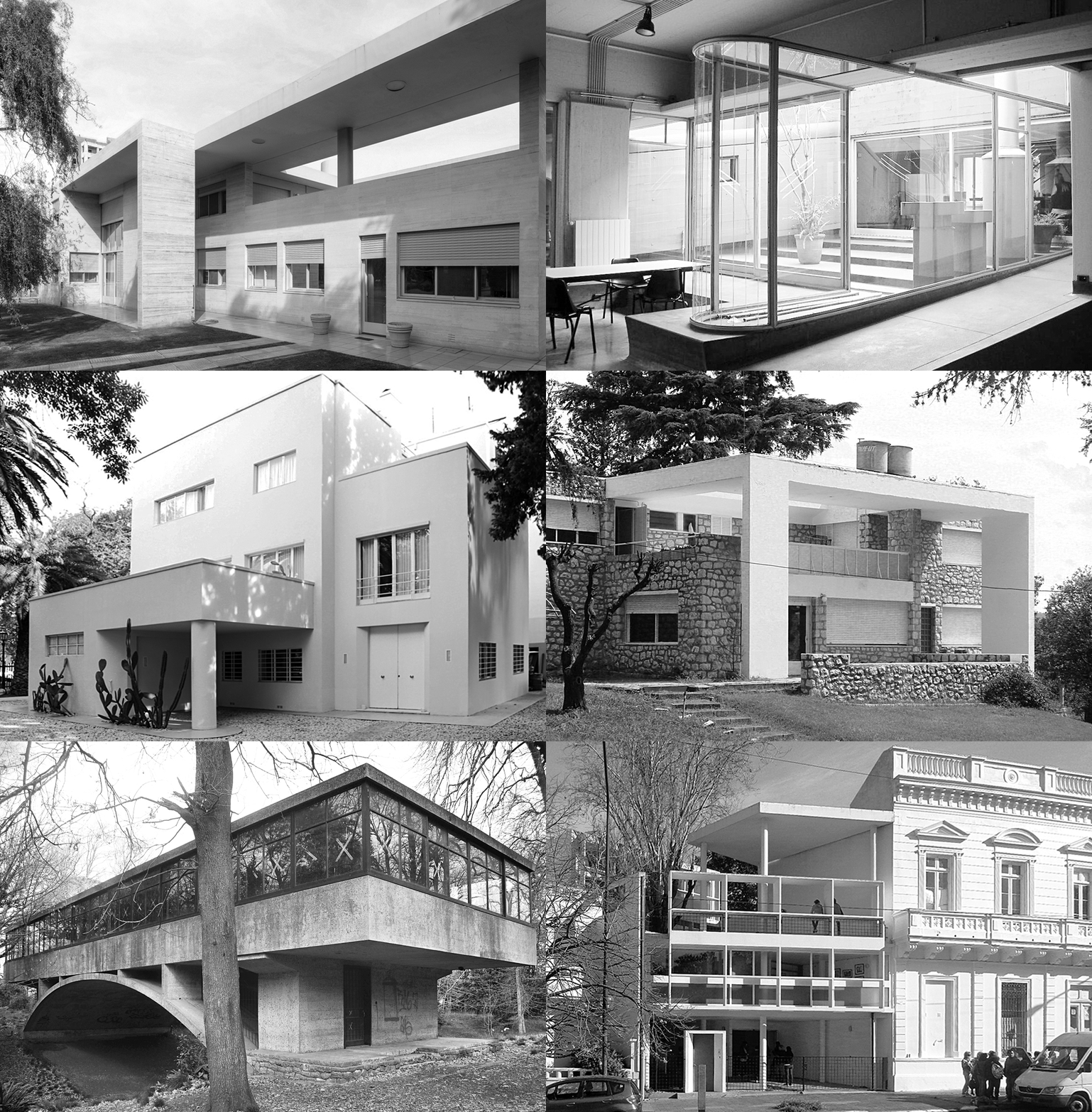
Modernism played an undeniable role in the renewal of architectural ideals, contributing a new attitude toward understanding new ways of living, construction techniques, and aesthetics, marking profound changes in the general perception of the world. In Argentina, while it is complex to define modern architectural production periodically, it is possible to mention some architects who began, starting in the 1920s, to engage with these ideas. The intellectual contributions and architectural creations of Alejandro Virasoro, Alberto Prebisch, Ernesto Vautier, Fermín Beretervide, Wladimiro Acosta, Alejo Martinez, Antonio and Carlos Vilar, Juan Kurchan, Jorge Ferrari Hardoy, Antonio Bonet, Abel López Chas, Eduardo Catalano, Eduardo Sacriste, and Amancio Williams, among others, often included original approaches associated with new modes of thought, manifesting an architecture resulting from the analysis of the local and regional conditions of their cities.
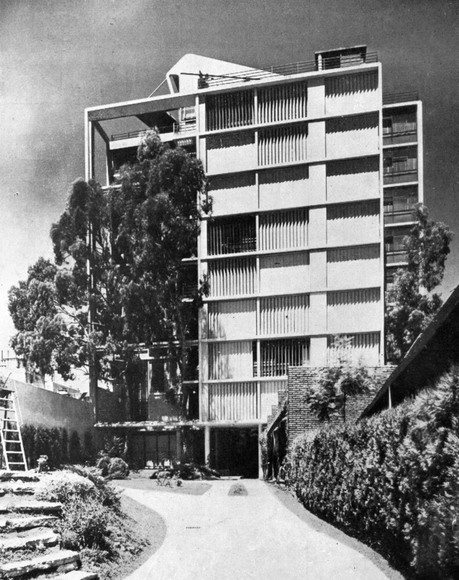
At the intersection of the inevitable influence of the international modern movement and Argentinian architectural tradition, the Grupo Austral emerges as a collective of architects proposing a reinterpretation of Le Corbusier's rationalism, adapting it to the particularities of the local context. In this framework, we can speak of an international architecture that is not merely incorporated but can be considered "appropriated" architecture, meaning it is rooted in Argentina's climatic conditions, lifestyles, and local materials. This leads us to question: How does European architecture correspond with the local? Is it the product of similar situations or a process of transferring architectural images, as has happened throughout history? Is it a mix of both factors? Can we talk about appropriated architecture?
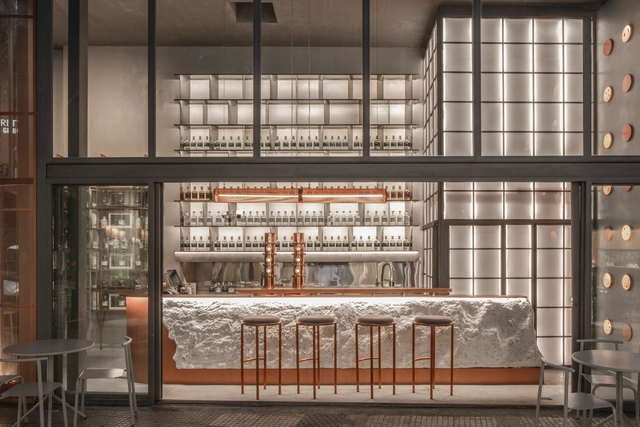
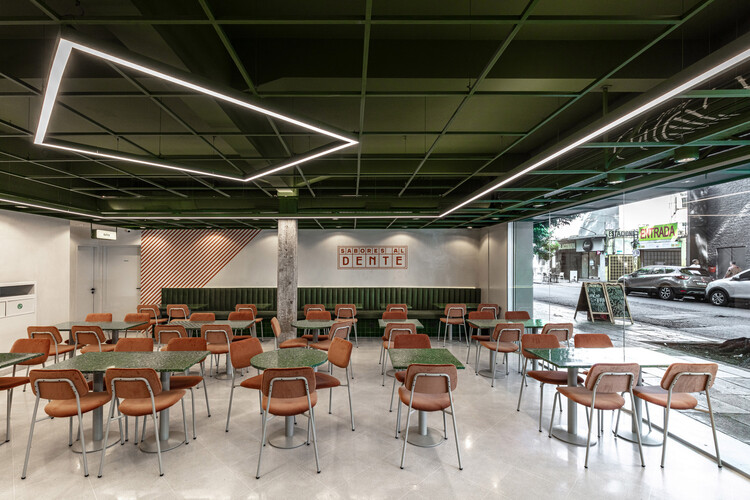
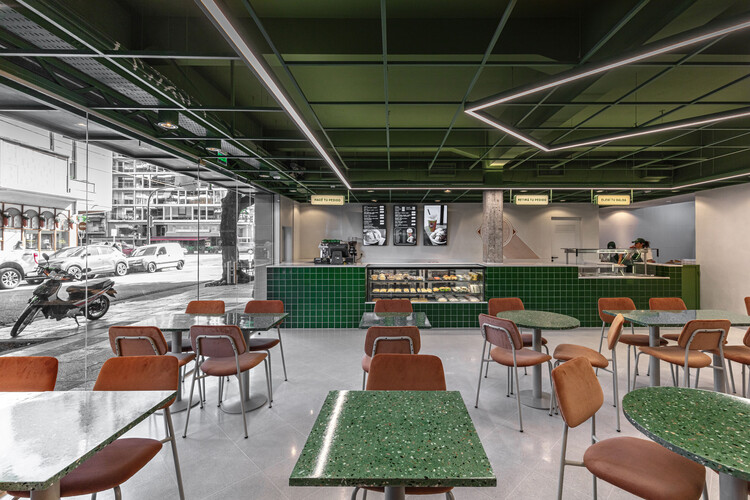
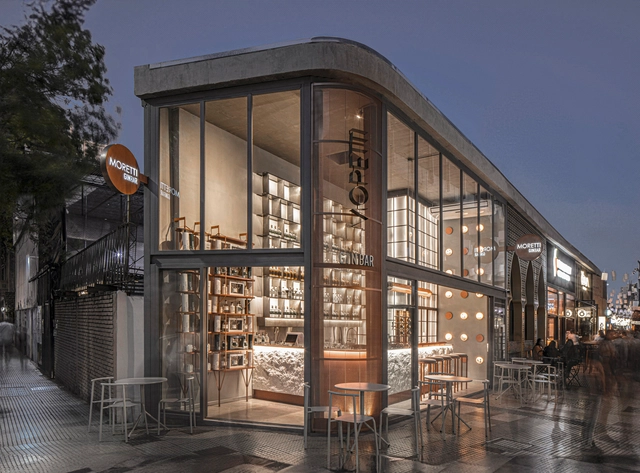
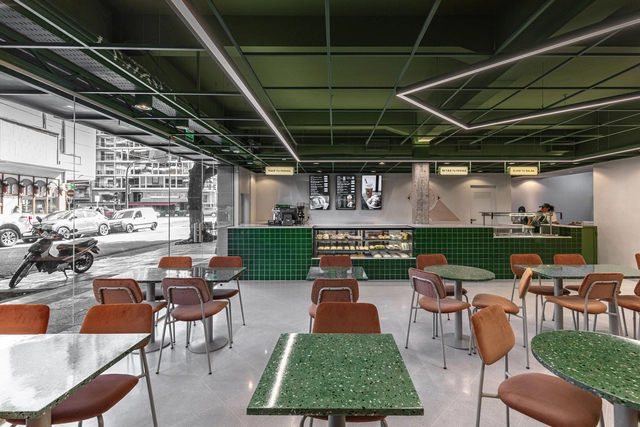
When designing spaces with reduced dimensions, adopting an efficient configuration and distribution is crucial for the user experience and the smooth development of activities and tasks to be carried out. In the case of bars and restaurants, numerous architecture and interior design professionals strive daily to meet the needs of clients, employees, and employers, considering everything from necessary installations and technologies to services, atmospheres, and furniture suitable for the type of gastronomy to be consumed.

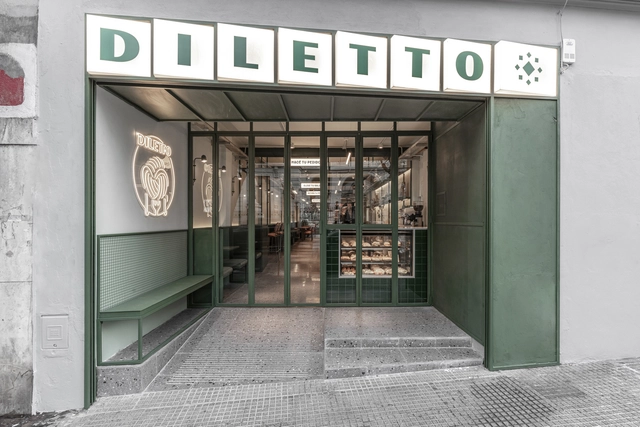
Operating in urban environments often requires us to make decisions regarding pre-existing structures. The increase in city density has directly impacted the availability of space for developing new and independent constructions, sparking debates about what stance to take toward built heritage that has become obsolete—either due to deterioration or because it no longer meets the functional needs of the contemporary population. In cases where buildings have seriously deteriorated or new projects differ greatly from the spatial possibilities an old building can offer, preserving only the façade—as an exterior envelope, almost like a superficial element—can be seen as a partial solution that allows for the preservation, in part, of the urban character of a structure if it holds some public or cultural value. The controversy arises, certainly, from the lack of relationship or connection between the transformed interior and the preserved exterior.
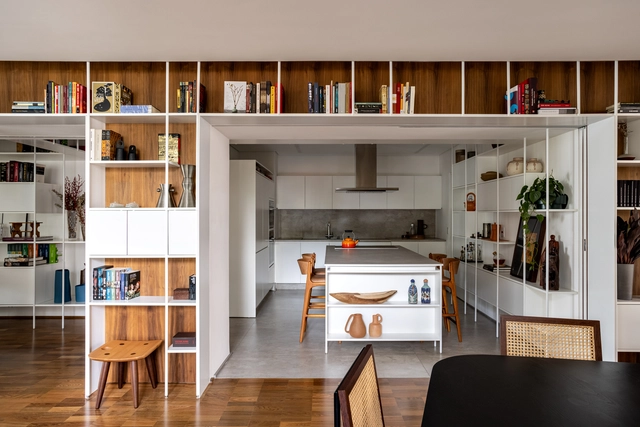
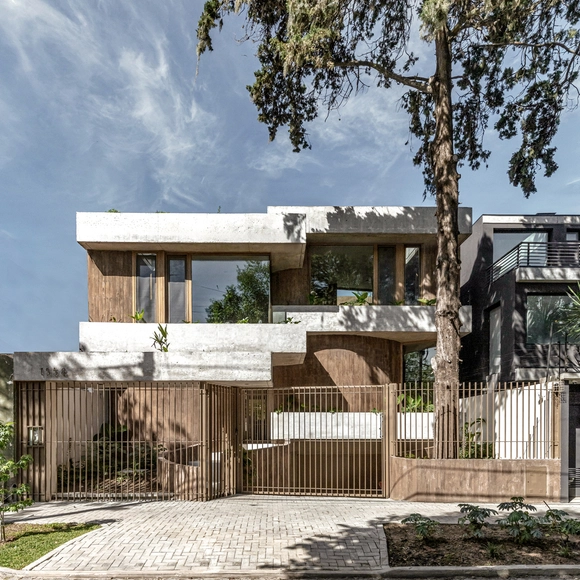
Beyond the wide variety of landscape, environmental, economic, social, and cultural particularities that distinguish each region of Latin America, the renovation of interior spaces that make up domestic life generally focuses on achieving the greatest possible integration of environments along with providing flexibility, spaciousness, and better conditions for ventilation and natural lighting. Seeking to revalue unused spaces and/or give them a second life, renovations aim to transform the ways of living through strategies capable of involving the restoration of materials, the preservation of structures, the maintenance of installations, and more.