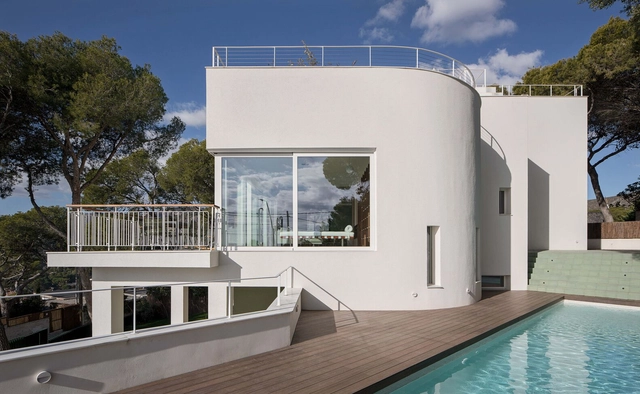
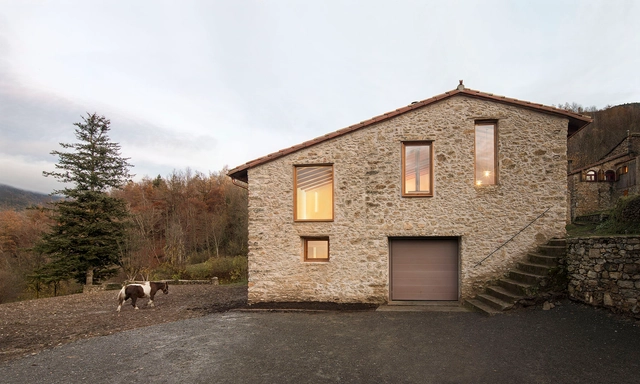
Casa Ronda / Nook Architects


https://www.archdaily.com/978148/casa-ronda-nook-architectsAndreas Luco
20 Times Architecture Sheltered Animals, Not Humans
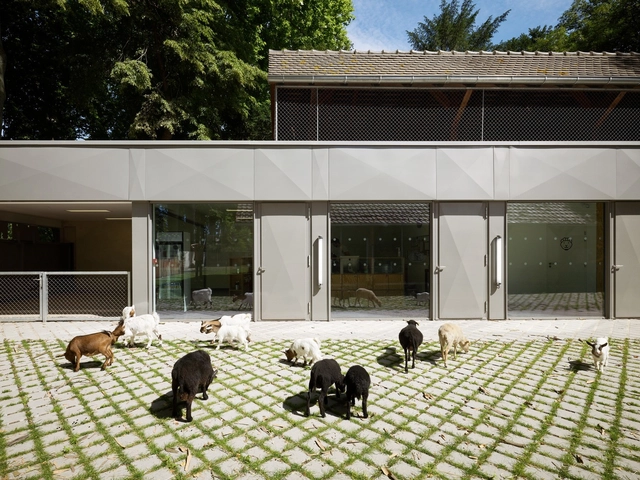
Architecture may have its roots in sheltering humans from the elements, but that is not to say that architecture is for humans alone. Around the world, there are numerous examples of buildings and shelters designed by architects for other species. Some of these can be whimsical, such as the Dogchitecture exhibit by 10 Mexican architecture firms back in 2013, or the series of BowWow Haus kennels designed by over 80 architects back in 2017, including Zaha Hadid Architects. But others are designed for a more direct impact.


https://www.archdaily.com/934196/12-times-architecture-sheltered-animals-not-humansAAA
Alba House / m-i-r-a architecture


-
Architects: m-i-r-a architecture
- Area: 3660 ft²
- Year: 2021
https://www.archdaily.com/976459/alba-house-m-i-r-a-architecturePilar Caballero
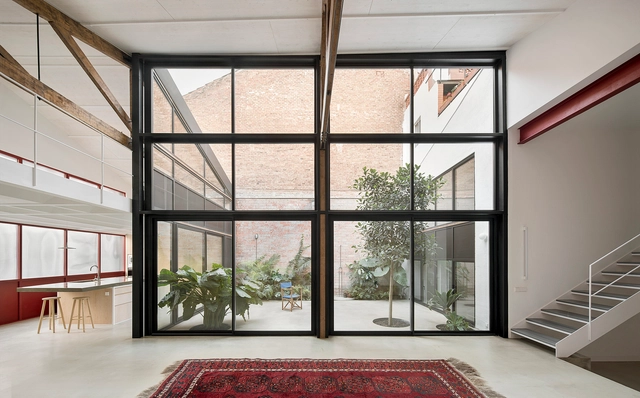
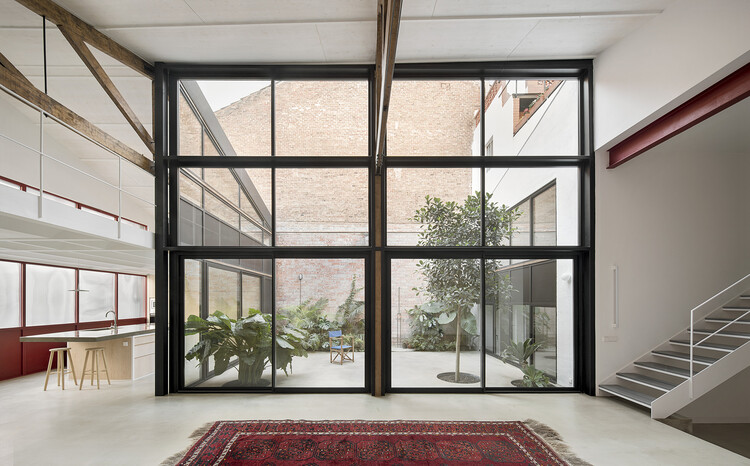
Red House / Aramé Studio


-
Architects: Aramé Studio
- Area: 2368 ft²
- Year: 2022
https://www.archdaily.com/976296/red-house-arame-studioPilar Caballero
Patio House / studioNOLET


-
Architects: studioNOLET
- Year: 2021
-
Manufacturers: Ceràmica Ferres, Living ceramics
https://www.archdaily.com/974782/patio-house-studionoletAgustina Coulleri
Biodiversity in Urban Environments

Biodiversity has become ubiquitous in project descriptions as yet another mark of the design's environmental accomplishments. The increasing focus on sustainability, the standard inspired by the UN Sustainable Development Goals, prompts a deeper understanding of what biodiversity in urban environments means and how can architecture and urban design actively contribute to it. With species extinction rates soaring and urbanization over natural land continuing, cities become an essential factor in sustaining biodiversity, and the following explores how the built environment can foster multi-species habitats.


https://www.archdaily.com/974707/biodiversity-in-urban-environmentsAndreea Cutieru
Best Architectural Projects of 2021
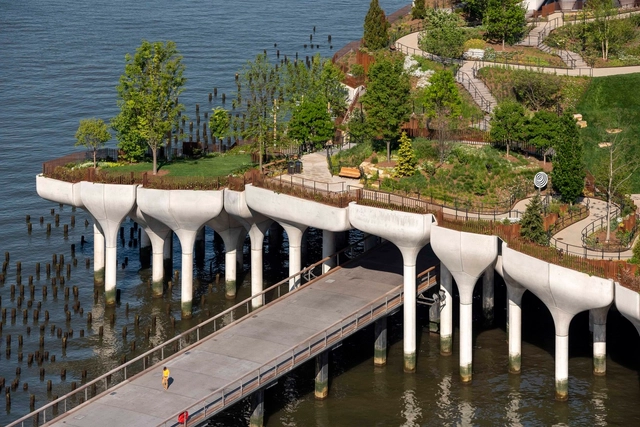


More than 5000 new projects published throughout 2021 make ArchDaily the largest online architecture library in the world. ArchDaily Curatorial Team researches, contacts offices, prepares, and delivers the built projects in the world on a daily basis, with the objective of providing inspiration, knowledge, and tools to our users who take part in the creation of better built environments.
https://www.archdaily.com/974013/best-architectural-projects-of-2021Clara Ott
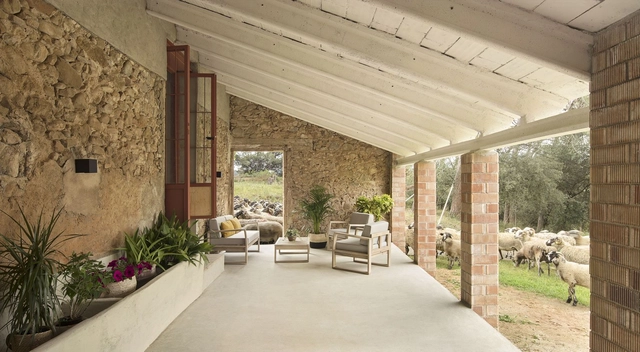
Rural House in Santa Eulalia / NeuronaLab


.jpg?1632949374&format=webp&width=230&height=230&crop=true)


-
Architects: NeuronaLab
- Area: 150 m²
- Year: 2021
-
Manufacturers: AutoDesk, Adobe Systems Incorporated, Barnices Lasur
https://www.archdaily.com/969944/country-house-in-santa-eulalia-neuronalabValeria Silva
What Role does Chess Play in Public Spaces?
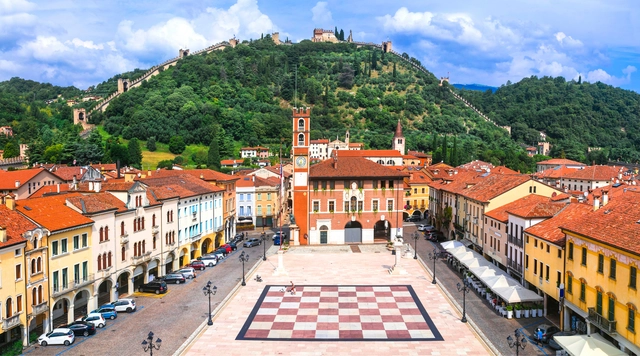
Have you ever wondered why chess sets can be found in parks and other public spaces and contemplated what their role is within these spaces? Studies have shown that sports and games work to reduce stress and improve the overall mental health of the public. Chess, one of world's most popular games, allows two people from anywhere on the globe to play regardless of language barriers, age, gender, physical ability, or social situation.
https://www.archdaily.com/966466/what-role-does-chess-play-in-public-spacesAgustina Iñiguez
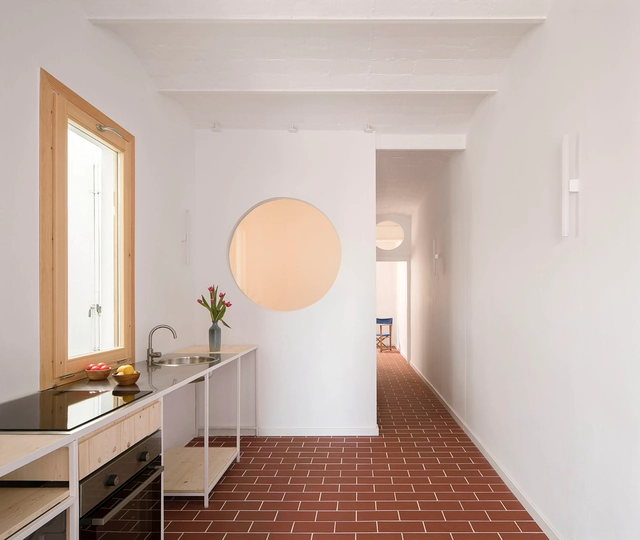
Pujades 141 Apartment / Aramé Studio


-
Architects: Aramé Studio
- Area: 40 m²
https://www.archdaily.com/963670/pujades-141-apartment-arame-studioValeria Silva
8-80 Cities: How to Design Cities for People of All Ages?
.jpg?1624038503&format=webp&width=640&height=580)
One of the greatest challenges of urban planning lies in managing city growth. Year after year, major cities see their populations increase, and it is estimated that by 2050, 70% of the world's population will live in urban areas. But how can we build sustainable, healthy, and equitable cities that foster urban diversity?
https://www.archdaily.com/1128157/8-80-cities-how-to-design-cities-for-people-of-all-agesAgustina Iñiguez
Can Daudor / Aramé Studio


-
Architects: Aramé Studio
- Area: 250 m²
- Year: 2021
https://www.archdaily.com/963590/can-daudor-arame-studioValeria Silva
How Can We Make Future Megacities Become Smart as Well?
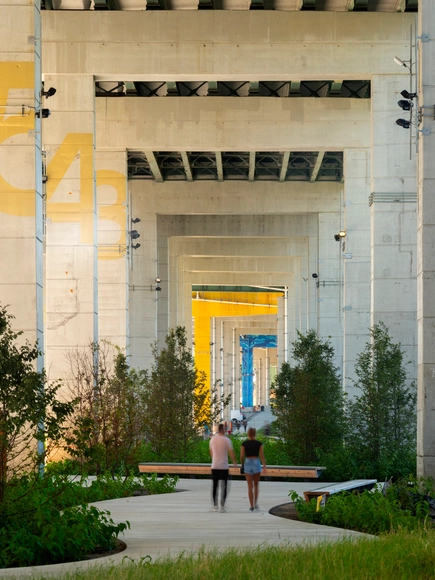
Cities are so deeply rooted in the history of mankind that we hardly ask ourselves why we live in them or what the reason is for us to group together in urban settlements. Ciro Pirondi, Brazilian architect, points out that we live in cities because we like to have someone to talk to, while Paulo Mendes da Rocha classifies the city as “the supreme work of architecture.” The city is the world that man builds for himself. These are immense collective constructions, palimpsests, and collages of stories, achievements, and losses.
Earth has been mostly urban since 2007. By 2050, the percentage of people living in cities should reach 70%. In the coming years, megacities with more than 10 million inhabitants are expected to multiply, mainly in Asia and Africa, and often in still-developing countries. Such a projection raises questions about sustainability and climate change that cities inevitably catalyze. It also raises questions about how cities can provide an adequate quality of life for its inhabitants, and how they can prosper and develop in contexts that are often not ideal. How can urban spaces benefit their population and vice versa? While old centers will require transformations and updates, city peripheries will require new homes and public facilities, in addition to adequate infrastructure. How can this process help urban centers become more intelligent, using the technology already available to benefit their inhabitants in a creative and efficient way?
https://www.archdaily.com/960608/how-can-we-make-future-megacities-become-smart-as-wellEduardo Souza
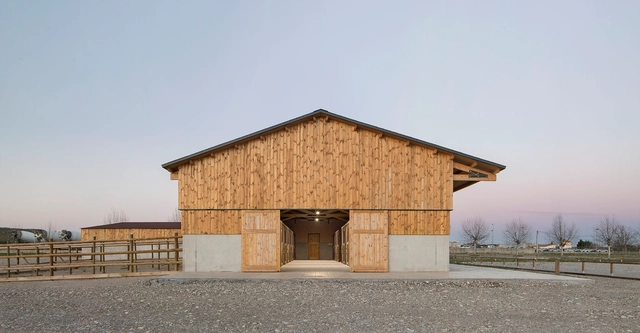
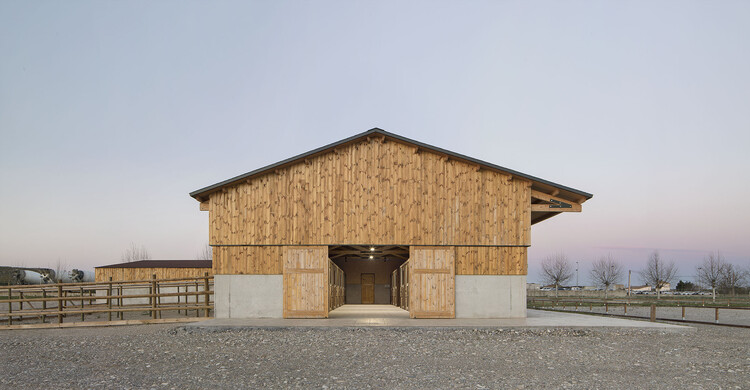
Hotel Equino / Gabarra Arquitectes


https://www.archdaily.com/960729/hotel-equino-gabarra-arquitectesAndreas Luco
Replacing Asphalt Can Build a More Sustainable and Open City
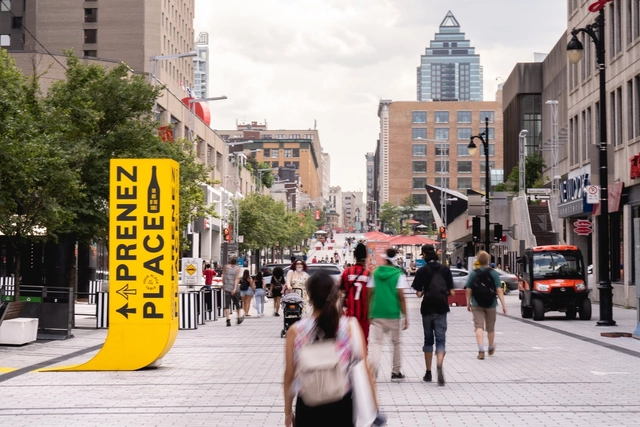
The City Prosperity Index, CPI, set by UN-Habitat, evaluates urban prosperity according to five parameters as productivity, infrastructure development, environmental sustainability, quality of life, and equity/social inclusion. To a greater or lesser extent, these five factors are represented in the street pattern of every city in the world. Streets have multiple functions as the mobility of people and goods, the supply of energy, water, and information, the collection of waste, the growth of trees, plants, insects or birds, the shadow and sun radiation, the bench where to sit, the place to salute and talk with your neighbors, a playground, or the access to the bakery where you buy the bread. In this sense, streets are public and vibrant spaces, which can perform multiple functions and activities.
https://www.archdaily.com/960481/replacing-asphalt-can-build-a-more-sustainable-and-open-cityManuel Perez Romero
Caseta de les Brugueres Refurbishment / GMO Arquitectura
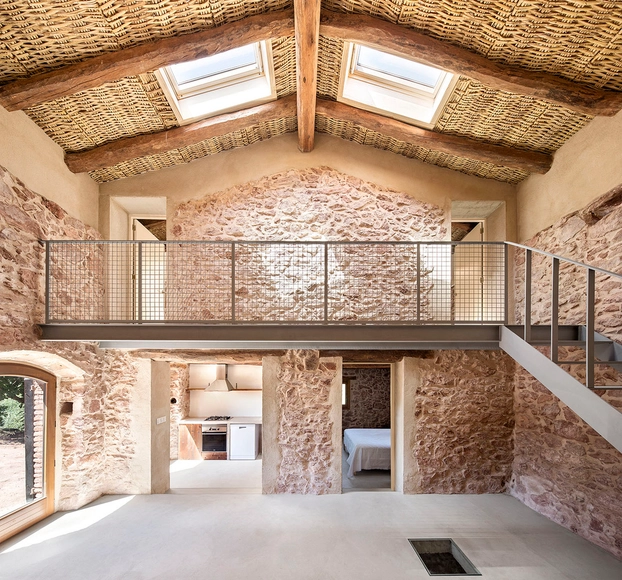


-
Architects: GMO Arquitectura
- Area: 113 m²
- Year: 2020
-
Manufacturers: VELUX Group, AutoDesk
https://www.archdaily.com/960110/caseta-de-les-brugueres-refurbishment-gmo-arquitecturaPilar Caballero
Multifamily Building PIC / Enric Rojo Arquitectura
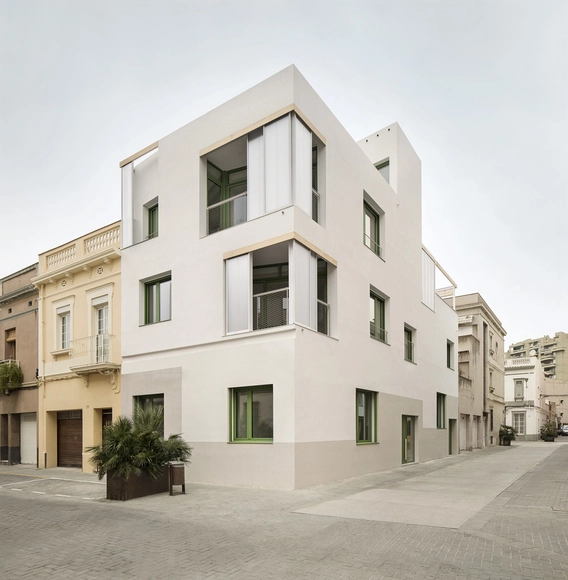
.jpg?1613017604&format=webp&width=230&height=230&crop=true)
.jpg?1613017590&format=webp&width=230&height=230&crop=true)
.jpg?1613016978&format=webp&width=230&height=230&crop=true)
.jpg?1613017092&format=webp&width=230&height=230&crop=true)

-
Architects: Enric Rojo Arquitectura
- Area: 305 m²
- Year: 2020
-
Manufacturers: Accoya, Carl Stahl, AISLUX, BESSIER, Cipa Gres, +1
https://www.archdaily.com/956873/multifamily-building-pic-enric-rojo-arquitecturaAndreas Luco
Construction and Design Trends of 2021: The Recurring, The Popular, The Relevant and The Substantial
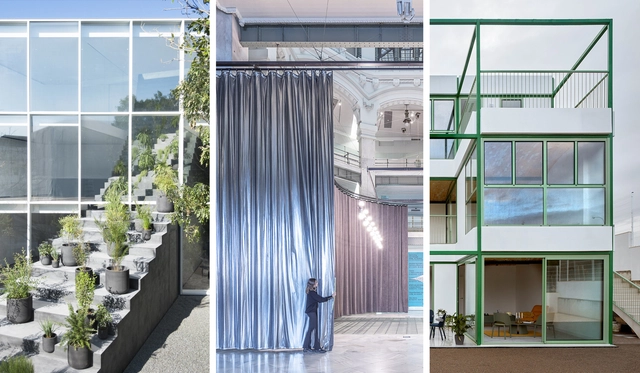
As we look back at the architecture projects we have published in 2020, as part of our yearly review, we were able to distinguish many recurring elements and solutions in terms of materials, programs, and functions.
Since the architecture industry moves slightly slower than others, we found that many things in the construction and design that have been building up these past years have come out making strong statements this 2020. We believe, therefore, that trends in the architecture world could be defined not only by what has been recurrent and popular but also, what has proven to be relevant and substantial.


https://www.archdaily.com/955914/construction-and-design-trends-of-2020-the-recurring-the-popular-the-relevant-and-the-substantialPaula Pintos & Clara Ott