


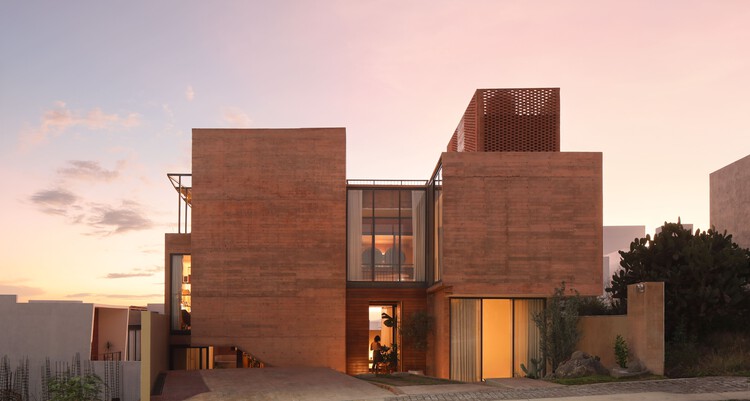
-
Architects: Estudio Mero
- Area: 350 m²
- Year: 2024
-
Manufacturers: Canto Artesanos, David Pompa, RADALK, Rokam, Studio Roca, +1

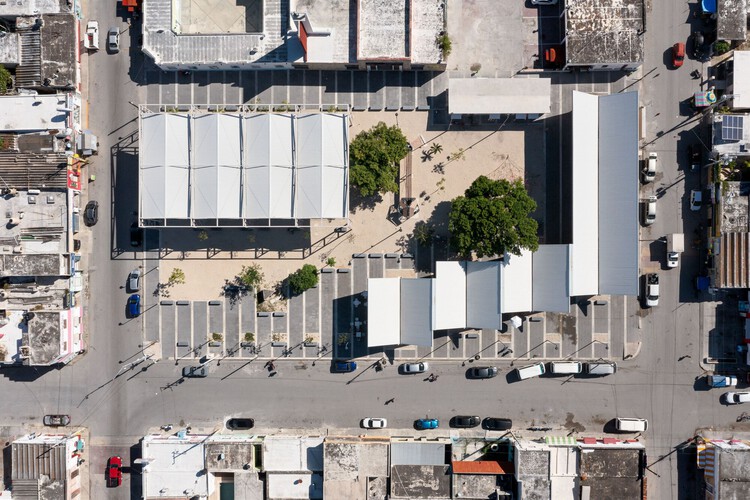
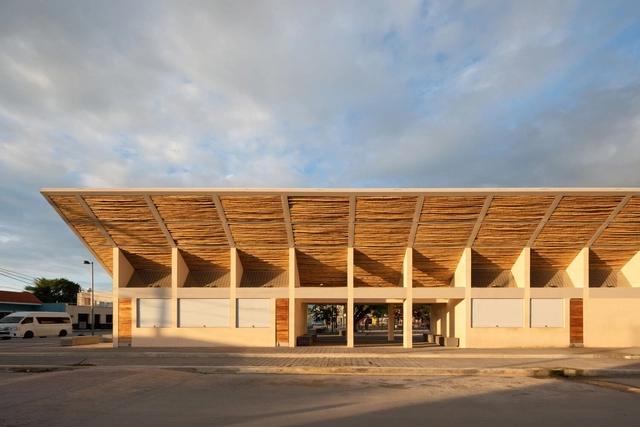
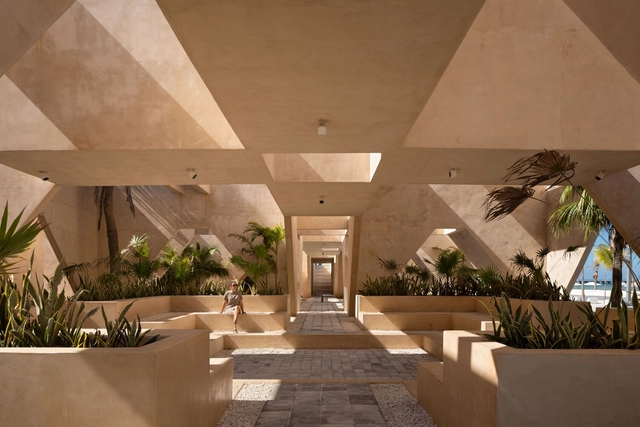
Contemporary Mexican market architecture frequently draws inspiration from its pre-Hispanic precedents. The Tlatelolco Market in ancient Tenochtitlan, for example, featured a large, stone-paved open square with designated "streets", which were divided into sections for specific goods, serving as a significant gathering point for social and economic exchange. Similarly, the tradition of the Tianguis, an ephemeral market typology within the broader Mesoamerican tradition, also arranged stalls in aisles within a public plaza, reflecting organizational principles seen in Tlatelolco. These historical models established a base for the tradition of marketplaces in Mexico and the countries in Central America, where they merge public space and structured layouts for commerce. Today, even though many of Mexico's commercial spaces, notably Mexico City's Central de Abasto and other markets such as the Jamaica, Merced, and San Juan Markets, have taken on a stationary approach to serving their communities, tianguis maintain their foothold in Mexican society.
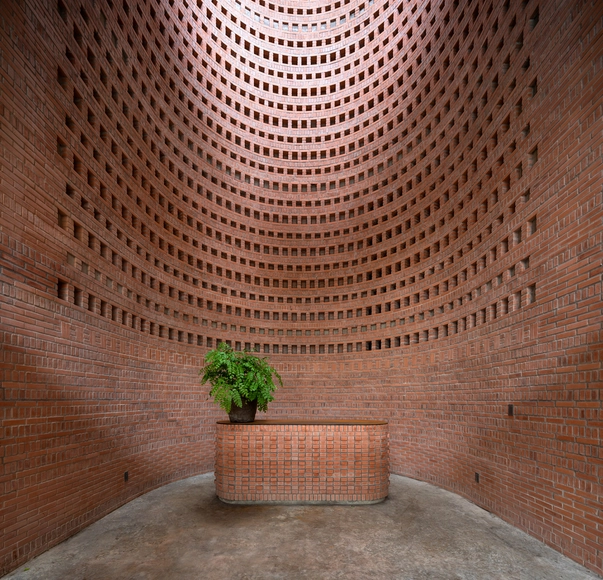
Around the globe, today’s architects face several rising challenges. The demand for affordable housing is increasing significantly, but so is the urgent need to save the planet’s resources and reduce carbon emissions. At first glance, these two goals might seem mutually exclusive. However, the history of architecture is one of great minds overcoming challenges through creativity and innovation.
In 2004, wienerberger, a leading provider of innovative and ecological solutions for the entire building envelope in the areas of new construction and renovation, as well as infrastructure for water and energy management, launched the biennial Brick Award to recognize and, more importantly, support such innovative solutions and the people who create them. In June 2024, for its 11th iteration, the prize will once again be awarded to extraordinary feats of brick architecture from around the world.
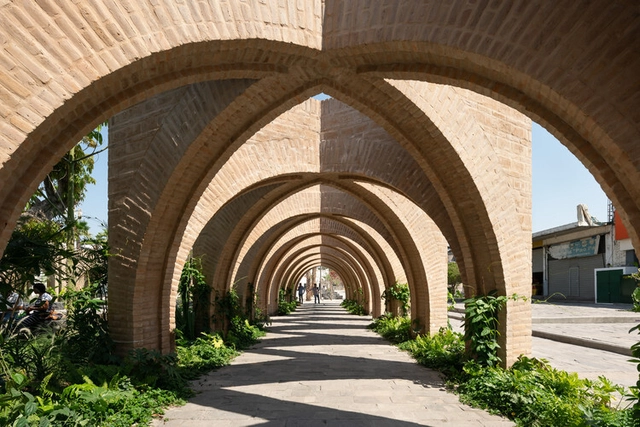
In its sixth edition, the Erich Mendelsohn Brick Architecture Award—organized triennially since 2008 by the Bauen mit Backstein Initiative—seeks to recognize and highlight the finest brick buildings. The award's primary goal is to identify and honor the most outstanding projects across four categories, presenting them to the general public. The competition invites architects and planners to showcase the architectural potential of this material, which is both traditional and innovative. The result is high-profile, intensive public relations for one of Germany's most prestigious architectural awards.
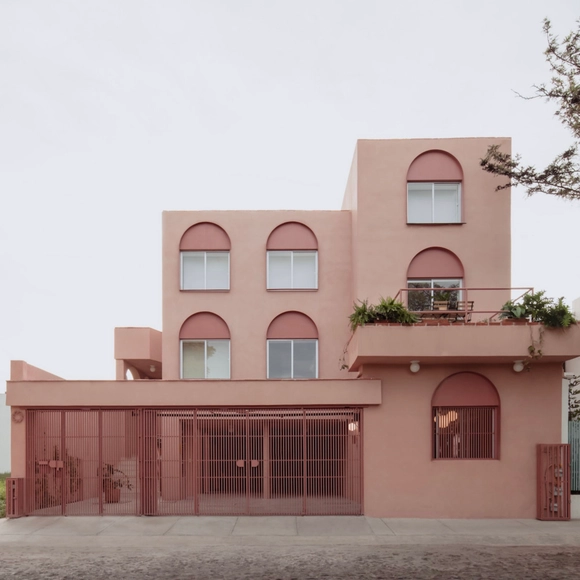
One way to employ color is through monochrome, a design technique that involves using a single tone or color in a space. In architecture, monochrome is a powerful tool where different shades can be created through the play of lights and shadows, generating spaces that offer unique experiences to their inhabitants.
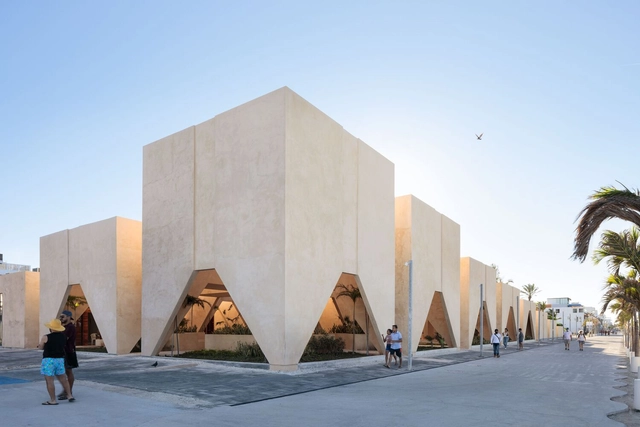
Yucatán is a state located in the southeastern part of Mexico on what is known as the Yucatán Peninsula, bordered by the Gulf of Mexico, Quintana Roo, and Campeche. Within this state, there are 4 magical towns: Izamal, Maní, Sisal, and Valladolid. The architecture of this region is a blend of indigenous, Hispanic, Mexican, French, Italian, and American influences.
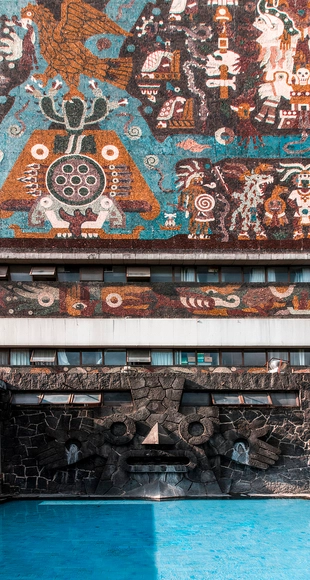
From the pre-Columbian period of the Americas –during which cultures such as the Olmec, Maya, Purepecha, and Mexica (Aztec) thrived– to the modern era where architecture has been influenced by social movements and even natural disasters, Mexican architecture showcases a valuable architectural expression, with its own unique voice and distinctive characteristics. Nobel Literature Laureate Octavio Paz argued that architecture is an incorruptible witness to history. Likewise, the materials used to shape it have acted as protagonists of that history, enduring in many cases over time and evolving thanks to the generations of architects who have contributed to it, from different perspectives.
To trace a timeline, it is possible to take as a starting point pre-Hispanic architecture, which exhibited a diversity of nuances due to Mexico's vast territorial extension. This allowed diverse cultures to find their niche and develop their characteristic architectural styles. Subsequently, the era of Spanish colonization, which itself drew influence from Islamic architecture, represented a noteworthy turning point in architectural development. This phase endured until the advent of Mexican Independence in the 19th century. In turn, this marked the initiation of social and cultural movements, both during and after the Mexican Revolution in the early 20th century.
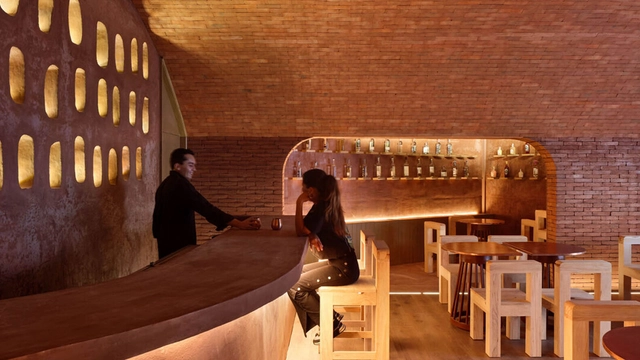
Mezcal is a Mexican beverage that has gained great popularity in the last decade. Its history dates back to pre-Hispanic times when cultures consumed various drinks derived from the agave plant in different ways. During the pre-Columbian period, this plant was used for various purposes, ranging from food to the production of fibers and medicines. However, within the different processes, they discovered that they could ferment and distill the juice of the agave to obtain an alcoholic beverage, which they called "pulque".
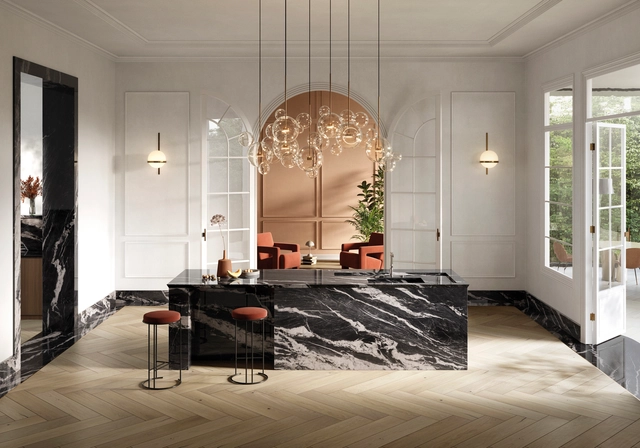
This year, Porcelanosa celebrates 50 years of inspiring architects, stimulating creative exploration in design, and bringing memorable projects to life. Since its founding in 1973 in Vila-real, Spain, Porcelanosa has become a benchmark for architecture, design, and interior design, focusing its production on flooring, single-fired wall tiles, stoneware, and porcelain tiles. Moving away from traditional red clay manufacturing, José Soriano and brothers Héctor and Manuel Colonques introduced the distinctive touch of ceramics to design.
Alongside developing comprehensive space design solutions, year after year, Porcelanosa sets trends in materials, textures, and interior design. Additionally, since 2018, the company has organized an international exhibition showcasing annual design trends in flooring, wall coverings, kitchens, bathrooms, and other elements such as wardrobes, furniture, and lighting.
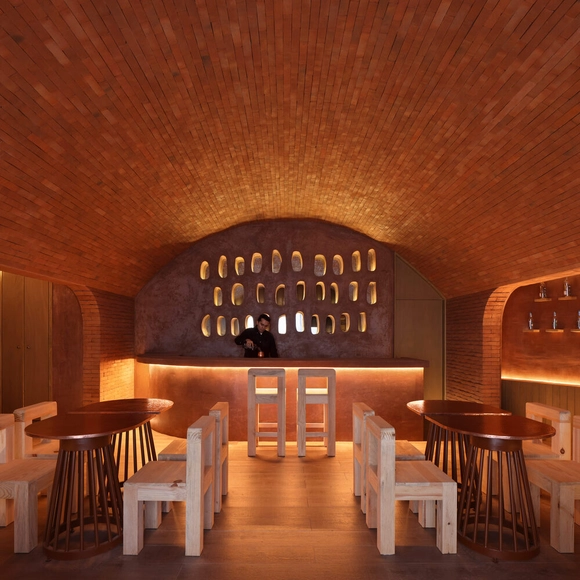
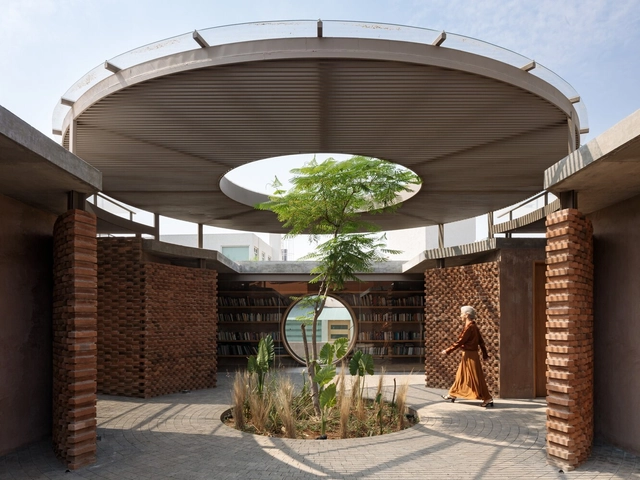
One of the most important factors when designing is the specific climate of the site. This can be a difficulty when dealing with extreme climates and it is necessary to use insulating materials that adapt to the changing conditions. However, when talking about Mexico and its particular climate this works in the architects' favor allowing them to create microclimates and spaces that blur the transition of what turns out to be indoors and outdoors.
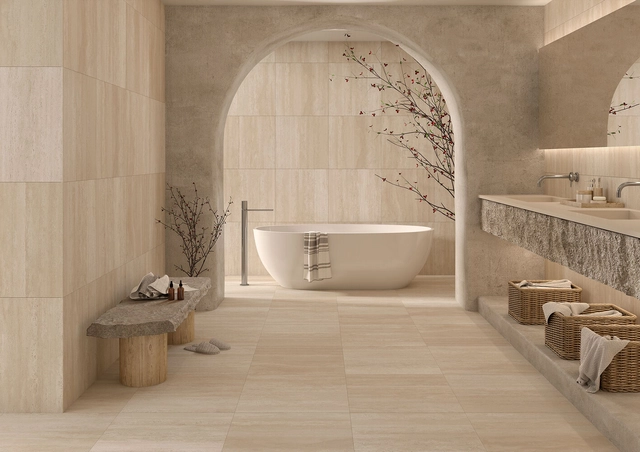
The transition of human settlements from a nomadic to a settled lifestyle transformed the conception of dwellings, extending beyond their primary use as shelter. Over time, each housing typology that developed around the world acquired unique characteristics that defined its identity and materiality, shaped by the culture and geographic region where it emerged.
In North America, the ancient city of Tenochtitlan was a benchmark for the technological and construction advancements of its time, distinguished by the use of native materials, such as earthen/stone floors, adobe walls, and local wood/cane posts. Over time, dwellings in Mexico have managed to preserve their identity while incorporating high-quality materials. The development of new technologies and the sophistication of the manufacturing process for architectural materials led to the rise of porcelain tiles, such as those developed by Firenze, which became a valuable resource due to their versatile aesthetics, high strength, and durability.
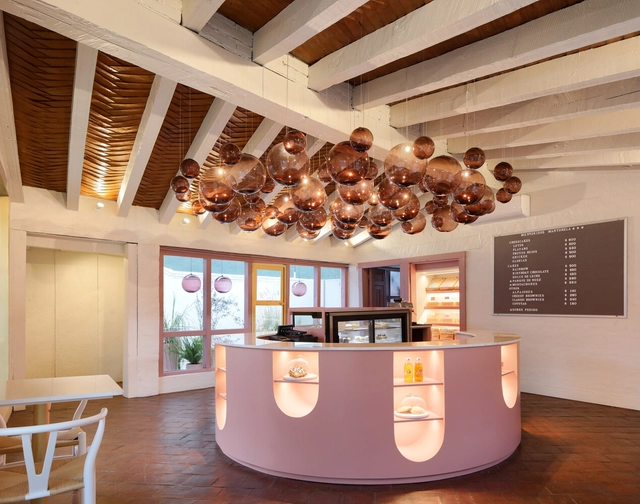
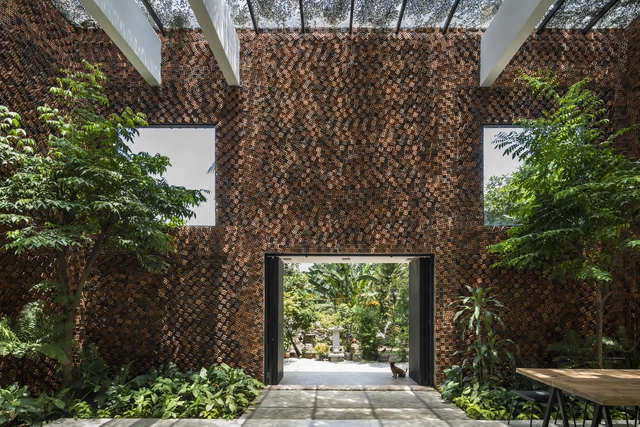
The Brick Award is an internationally established award that presents outstanding brick architecture from all around the world. Independent architecture critics, experts, architects and developers are invited to submit innovative and creative buildings and other construction works made of clay building materials. The spectrum of applications ranges from building solutions using classic clay blocks, facing bricks and roof tiles to the creative application of clay pavers and ceramic façade panels.
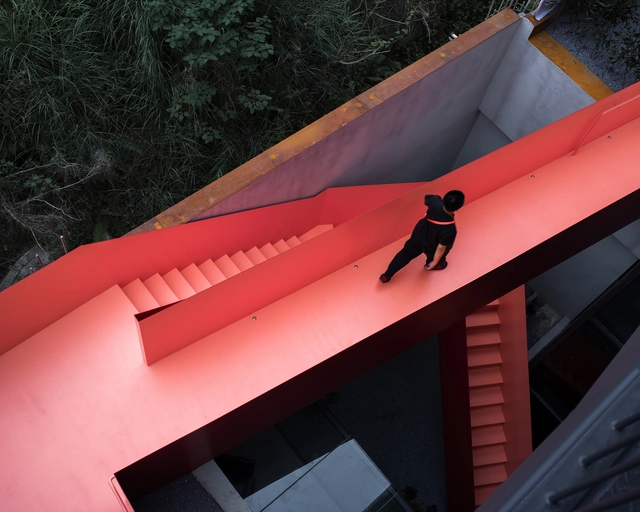
Stairs are often an inevitable part of a building's DNA. Nowadays, staircases not only serve the function of practicality but are also a showcase of their own kind, especially if paired with a color that is guaranteed to grab attention. Among warm colors, red is considered to be the most powerful one. On one hand, it evokes feelings of joy and energy, and on the other, feelings of alertness and danger. Red can stimulate a whole range of emotions. Therefore, its usage should be attentive, delicate, and thought out.
.jpg?1587612590&format=webp&width=640&height=580)
Climate is one of the key factors to take into consideration when designing a space. Of course, this can present a challenge, especially when dealing with extreme climates and the need for insulating materials that are able to adapt to a wide range of conditions. Luckily, for architects operating in Mexico, the country's privileged climate facilitates the creation of microclimates and spaces that blur the line between interior and exterior.






.jpg?1587612634&format=webp&width=230&height=230&crop=true)


.jpg?1587612590)