-
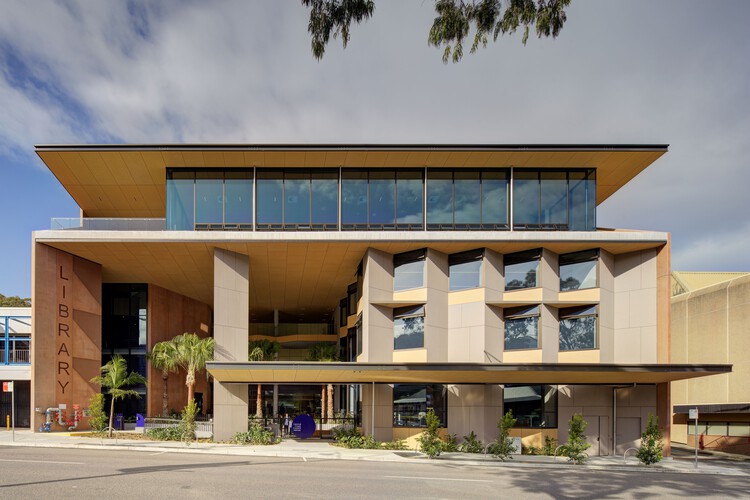
Architects: Lahznimmo Architects
- Area: 2863 m²
- Year: 2025
-
Manufacturers: Autex Acoustic, Equitone, Sculptform


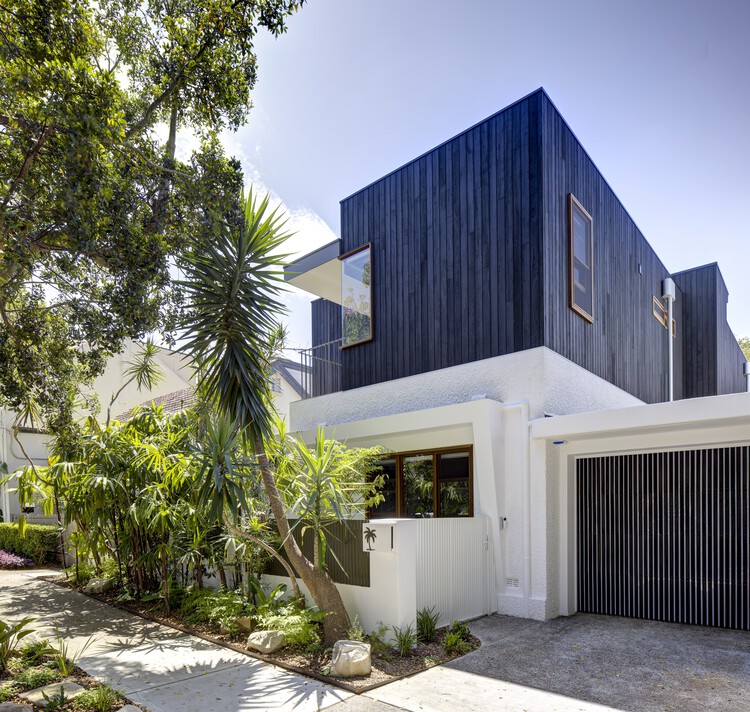
The home carries multiple identities as shelter, sanctuary, workplace, and stage for daily rituals. In recent years, its role has expanded in unprecedented ways. The pandemic, notably, coerced the home to act as a site of extraordinary adaptability to absorb functions once delegated to schools, offices, gyms, and studios. This transformation has shifted how we imagine domestic life, urging us to think of the home not simply as a backdrop for activity but as a dynamic framework for living, producing, and creating. Within this expanded understanding, artists find themselves asking a renewed question: how can the home allow the flexibility needed for creative practice?
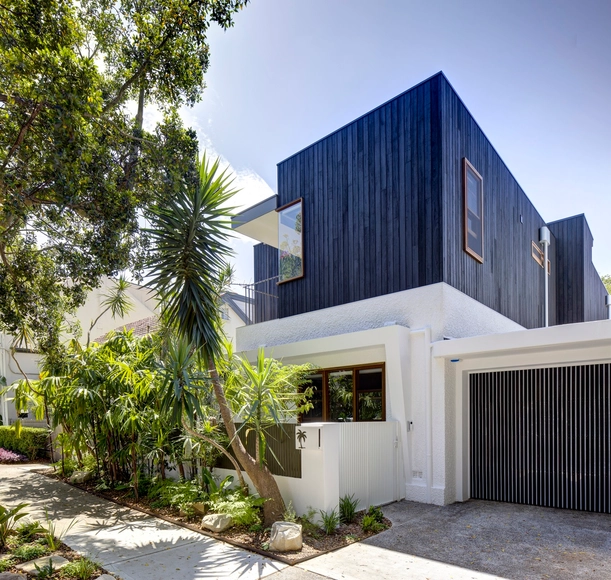

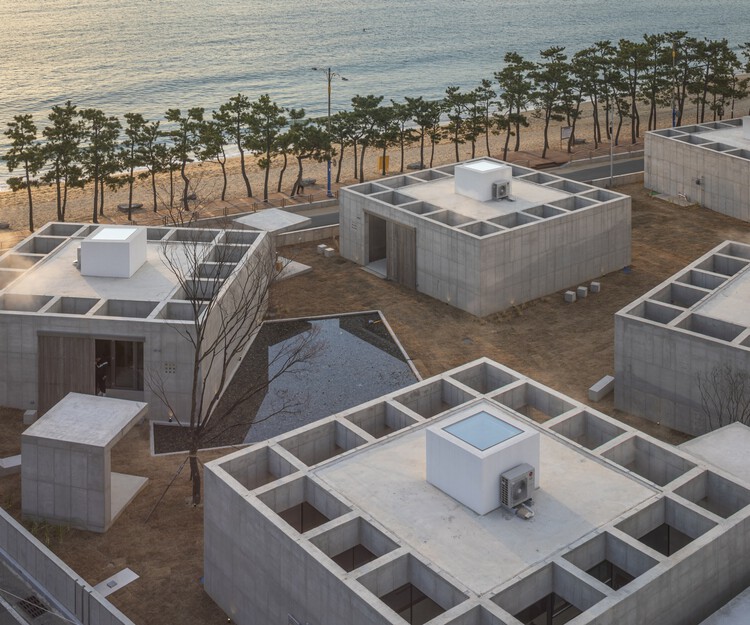
Living by the beach has long been a defining aspiration—drawn by the promise of tempered nature, privacy, and immediate access to the water. Historically, beach houses tended to be rustic and pared back: partly because servicing remote sites and delivering materials was difficult, and partly because their charm lay in being closer to the elements—simpler, rougher, more direct.
Accordingly, many early beach houses were built in timber. Wood offered clear advantages: it was lightweight, adaptable, quick to work with, and could be erected with minimal heavy machinery. While timber weathers and fares poorly in salt-laden humidity, exterior-grade lumber carries a raw, natural character that reinforced the appeal of the beach-house ideal.

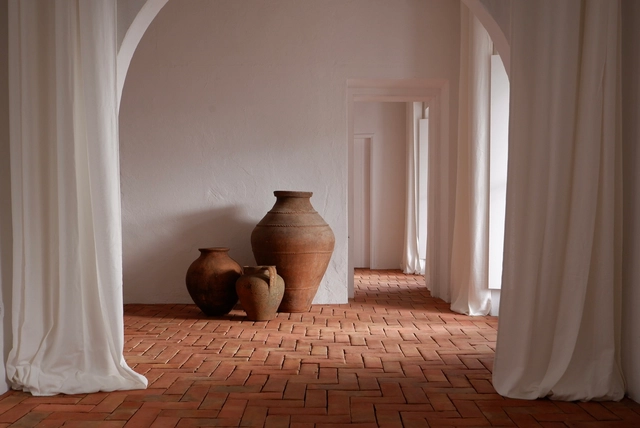
Earth-based flooring materials comprise natural elements such as clay, sand, silt, lime, and organic fibres. They offer both structural performance and sensory engagement when used in both outdoor and interior spaces. Due to their thermal properties, durability, and sustainable qualities, these materials have evolved from vernacular construction techniques into high-value architectural elements that are always being reinvented and optimized. There are several types of earthen floorings, each offering unique benefits, and they are increasingly used in interior settings.
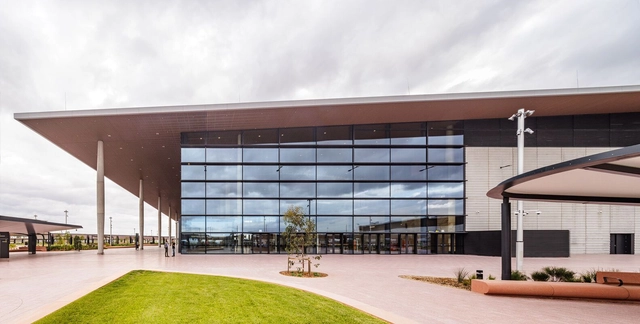
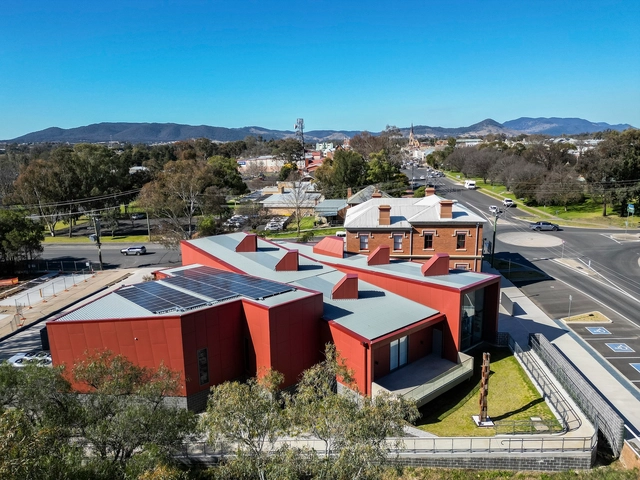
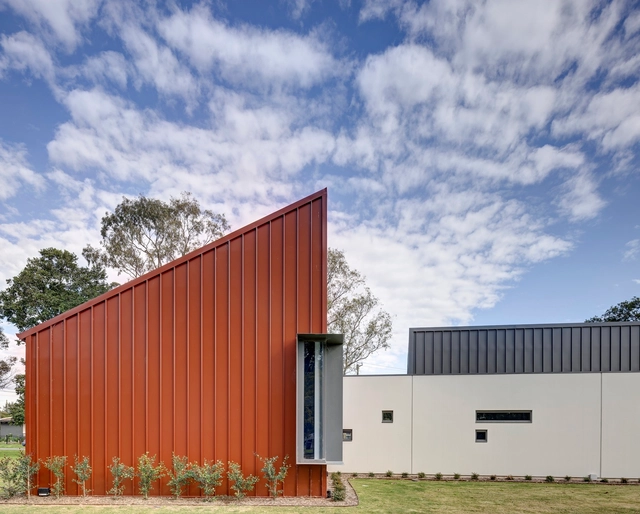
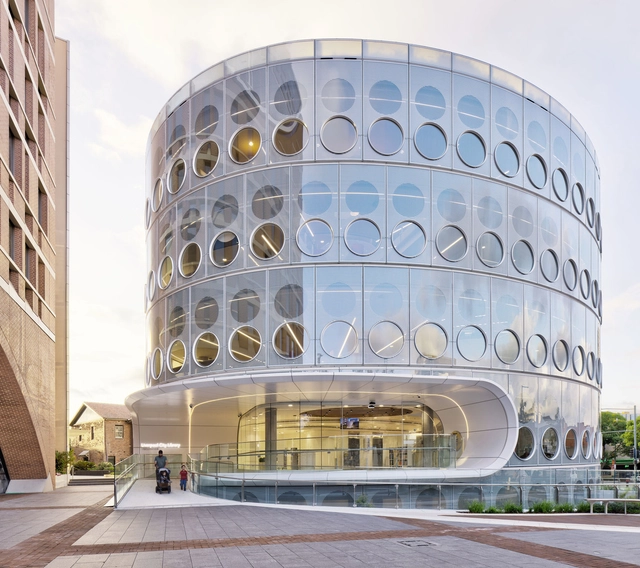
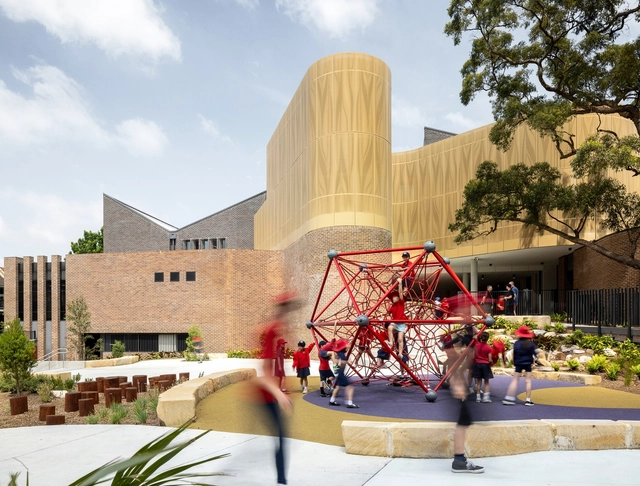
The Darlington Public School in Australia by fjcstudio has been declared the World Building of the Year at the World Architecture Festival 2024. fjcstudio previously won Building of the Year in 2013, making it the first practice in WAF's history to win the award twice.
The ultimate accolades of World Building of the Year, World Interior of the Year, Future Project of the Year and Landscape of the Year were announced today as hundreds of delegates from across the world convened at a final Gala Dinner at Marina Bay Sands in Singapore. The announcement follows the final day of WAF, in which prize winners across all 42 categories have been competing for the winning titles.
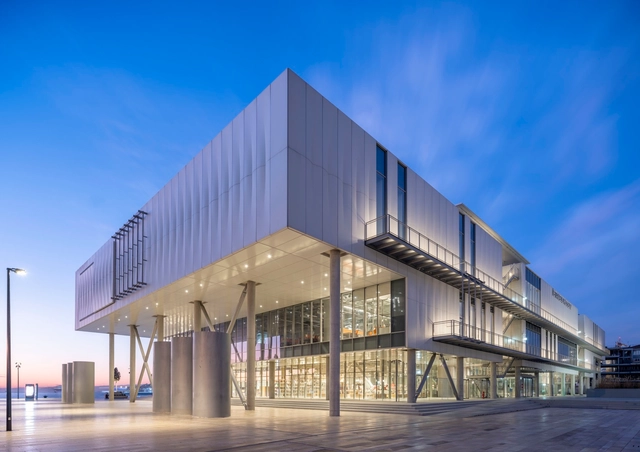
The first award winners of the 2024 World Architecture Festival have been announced, following Day One of live presentations at Marina Bay Sands in Singapore, in which hundreds of shortlisted projects were presented by practices from around the world. Amongst today's category award winners in the Completed Buildings section of the world's largest international live-judged architectural event are 5468796 Architecture, Renzo Piano Building Workshop, and Wallflower Architecture + Design.
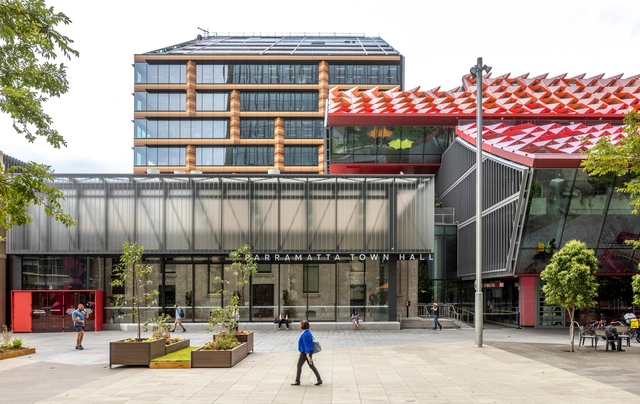
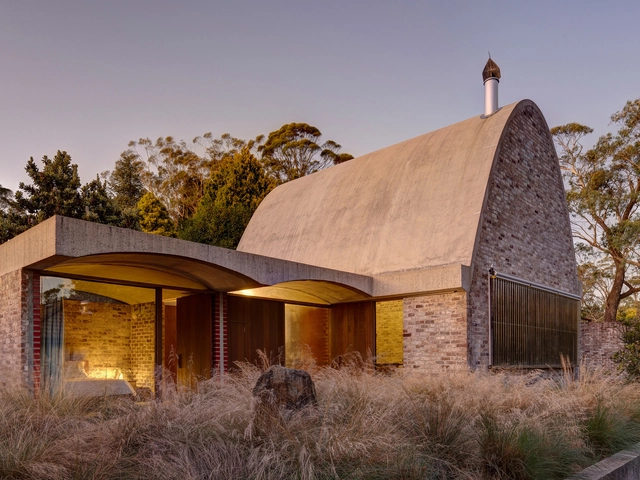
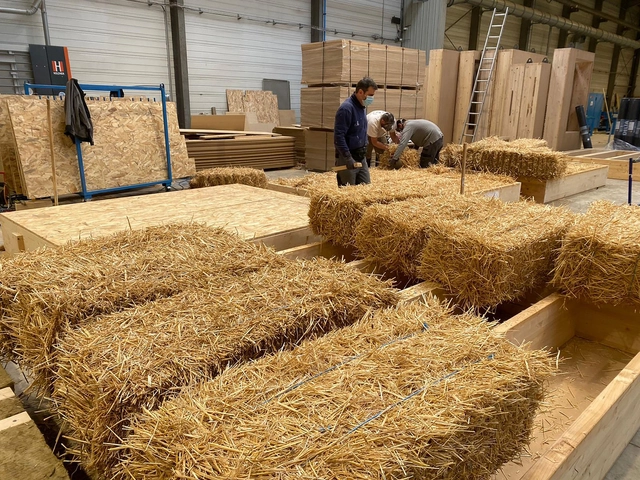
Working within the restrictions of a limited carbon footprint can be one of the hardest – but also most rewarding – parts of a modern architect’s role. Whether to suit a large multinational corporation’s sustainability report, to achieve LEED status or similar for a commercial developer, or to build an eco-home for a climate-conscious private client – or even one who just wants to spend less on energy, it’s imperative to keep up-to-date with the latest carbon-neutral and low-carbon building practices and materials.
Whether looking at a project’s structural beginnings, its high-grade finishes, or thinking more holistically about its entire lifetime, there are huge gains to be made with sustainable substitutes and alternatives to traditional materials and techniques.