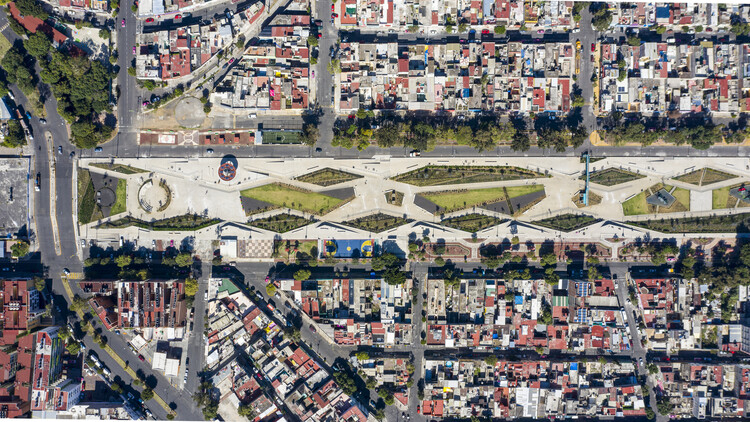
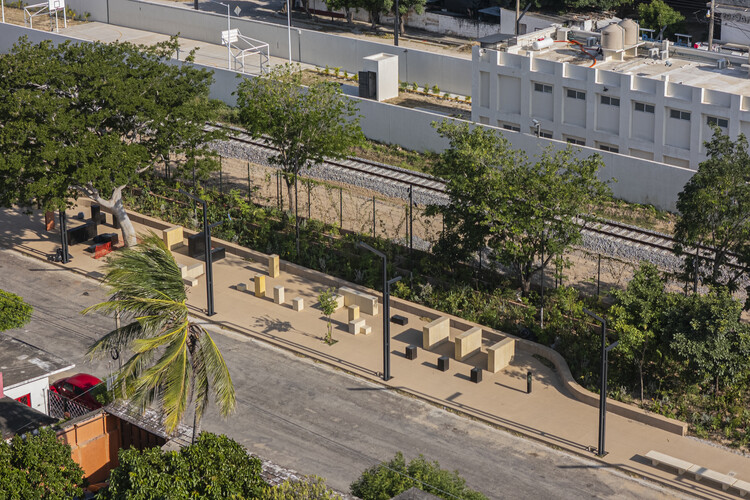
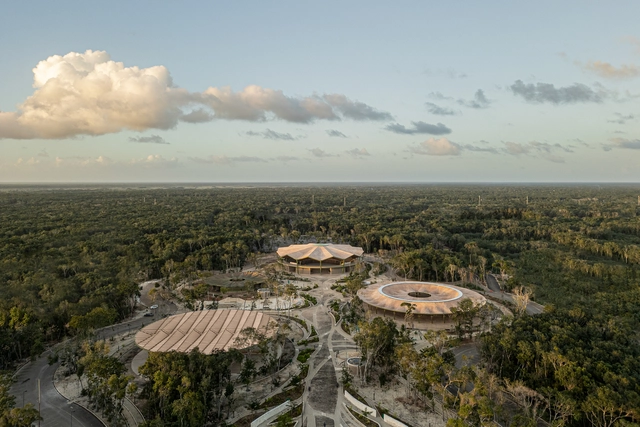
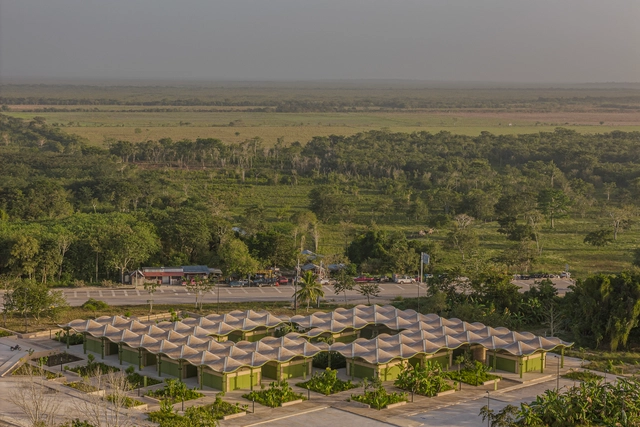
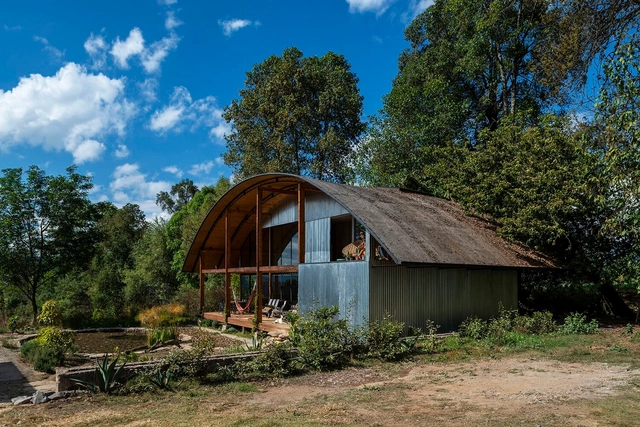
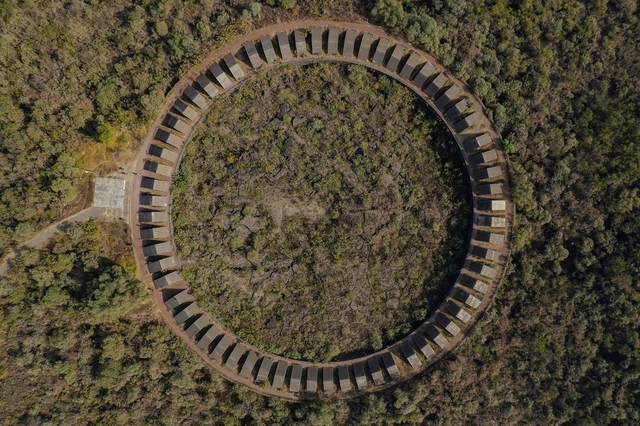
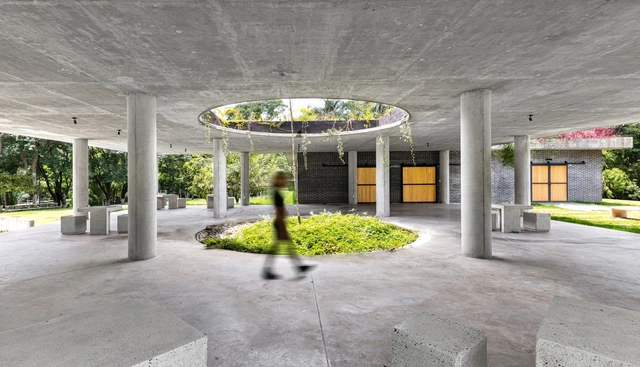
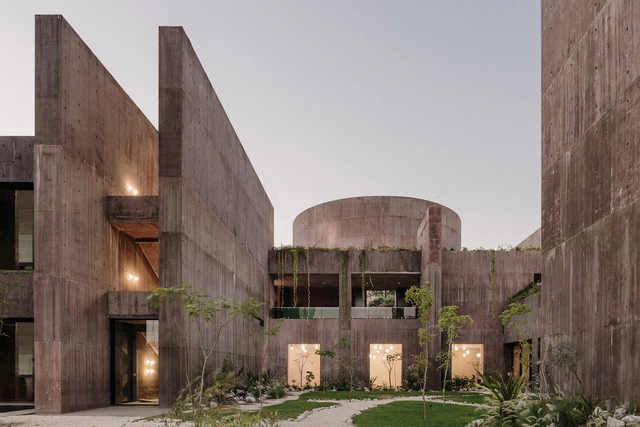
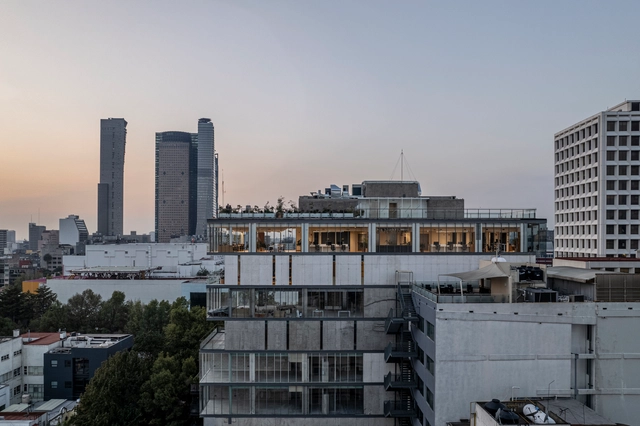
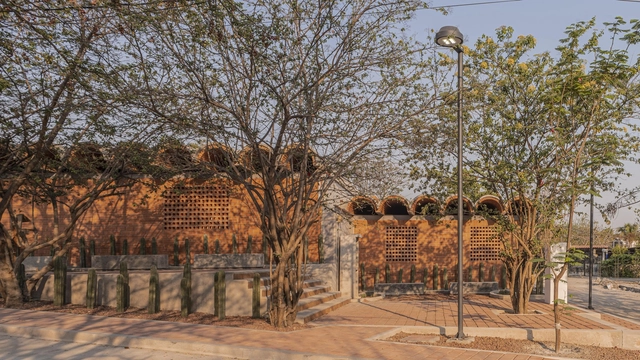
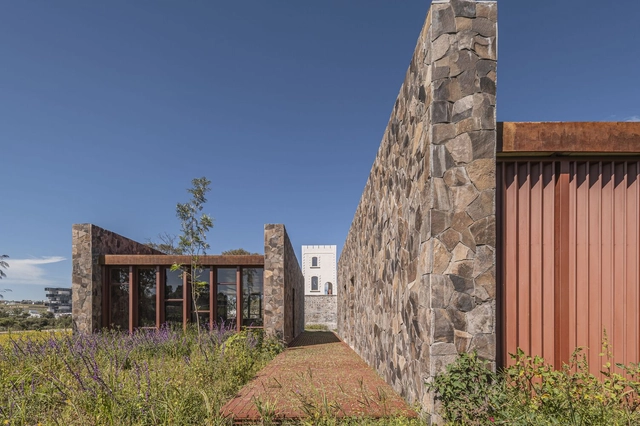
Mexico's rapid urban growth over recent decades has left many cities struggling with fragmented neighborhoods, high crime rates, and severe shortages of quality public spaces. In many low-income urban areas, informal development occurred alongside raw infrastructure like drainage canals, rail lines, and steep ravines, dividing communities and creating hazardous vacant zones. To address this spatial segregation and lack of civic amenities, public agencies and architects across Mexico are intervening in these abandoned buffer zones to construct public parks. By converting former physical barriers into accessible pedestrian corridors, these projects rejoin separated neighborhoods, re-establish safe visual sight lines, and provide spaces for community gathering and daily recreation.
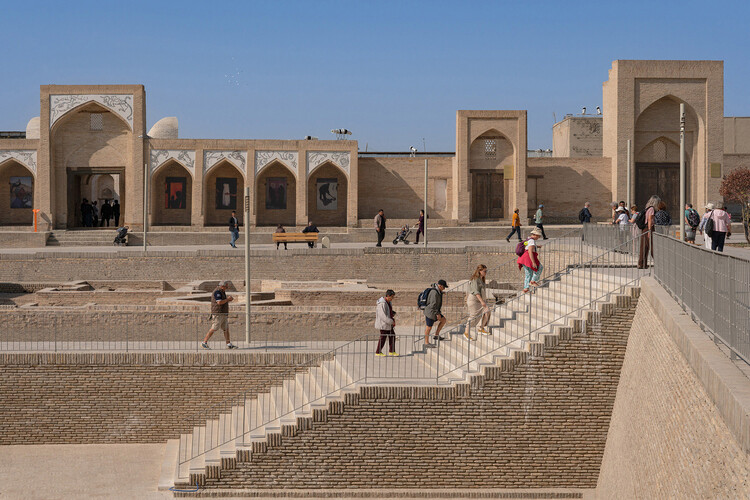
Heritage sites constitute complex spatial archives in which architecture, history, and collective memory converge. They encompass a wide spectrum of contexts—from archaeological remains, ancient and historic townscapes, UNESCO-listed landscapes, to early modern civic structures and industrial infrastructures. Yet these environments confront challenges: climate change, urban transformation, disaster, shifting social needs, and the gradual erosion of material fabric. Revitalization and restoration projects respond to these conditions by positioning architectural and spatial practice as an active mediator between preservation and the contemporary topologies.
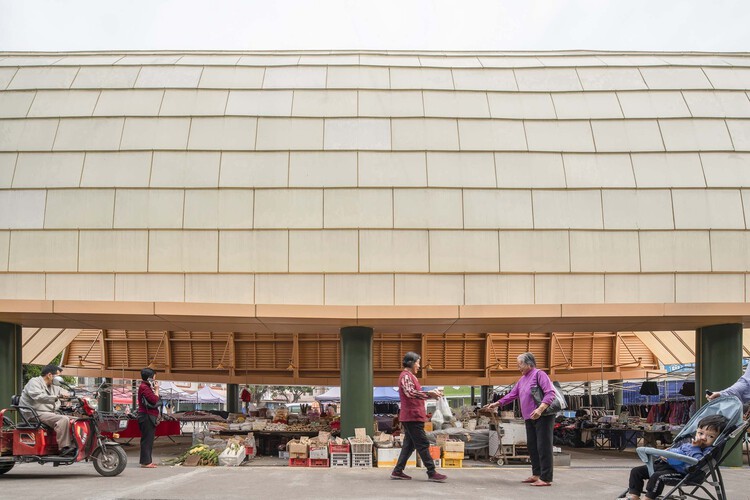
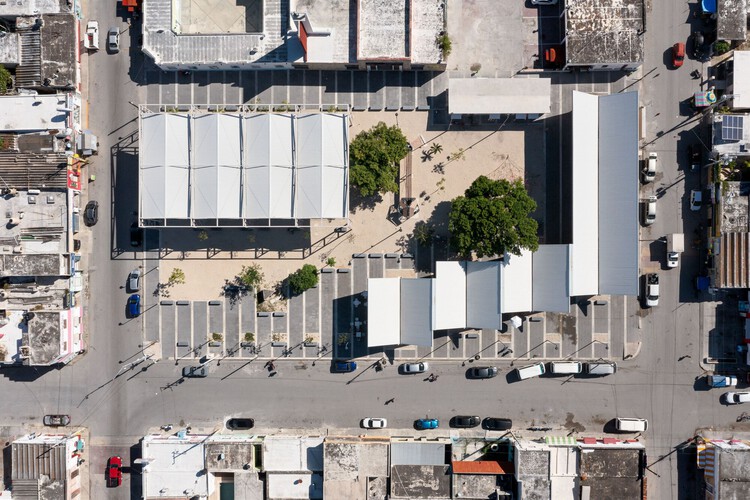
The making of a place is not a difficult thing in principle; it is enough for people to come together in a regular set location for a purpose or activity, and a space becomes. This does not disregard the fact that a physical element needs to accompany this gathering for a space to become sheltering, accommodating, and alluring. This idea of the space that emerges from intent can most definitely be seen in one of the most ancient of functions, which is food or produce markets.
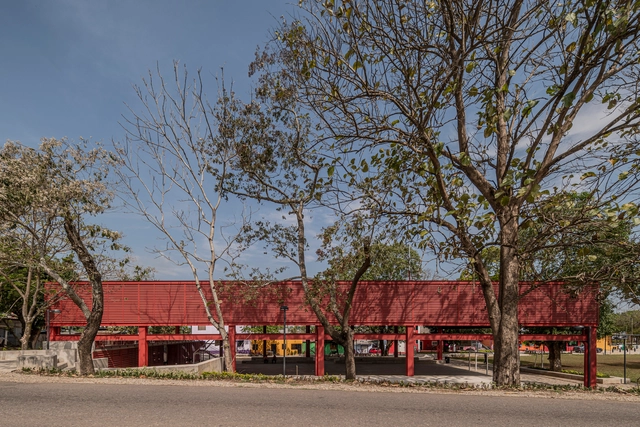
For a market to become, the architectural element can be as simple as a light roof, which would harbor merchants and offer a non-spoken boundary to the place, or it can be as resourceful as adaptively reusing an existing building or site to fit new needs. Finally, it can be a temporary and lightweight structure pitched for certain events or needs and then removed to be used elsewhere, or for other means.
Contemporary Mexican market architecture frequently draws inspiration from its pre-Hispanic precedents. The Tlatelolco Market in ancient Tenochtitlan, for example, featured a large, stone-paved open square with designated "streets", which were divided into sections for specific goods, serving as a significant gathering point for social and economic exchange. Similarly, the tradition of the Tianguis, an ephemeral market typology within the broader Mesoamerican tradition, also arranged stalls in aisles within a public plaza, reflecting organizational principles seen in Tlatelolco. These historical models established a base for the tradition of marketplaces in Mexico and the countries in Central America, where they merge public space and structured layouts for commerce. Today, even though many of Mexico's commercial spaces, notably Mexico City's Central de Abasto and other markets such as the Jamaica, Merced, and San Juan Markets, have taken on a stationary approach to serving their communities, tianguis maintain their foothold in Mexican society.
Agencia Social de Paisaje is a Mexico City-based practice driven by the conviction that landscape is a vital tool for designing new horizons. Drawing on logical and natural systems, they create coherent, functional, and holistic environments that foster a deep connection to place and its inhabitants. They are part of ArchDaily's Best New Practices of 2023.
Integrating contemporary art with the landscape in a dialogue between human creation and the natural environment, the Sculpture Space of the National Autonomous University of Mexico (UNAM) represents one of the most important public artworks in Latin America. Both the Sculpture Space and the Pedregal de San Ángel Ecological Reserve at UNAM in Mexico City have recently been awarded the Carlo Scarpa International Prize for Gardens 2023-2024, granted by the Benetton Foundation for Studies and Research based in Treviso, Italy. They were recognized for their high natural, historical, and cultural value as works of preservation and collective art that emerged from a lava surface where new neighborhoods and UNAM’s University City were developed.
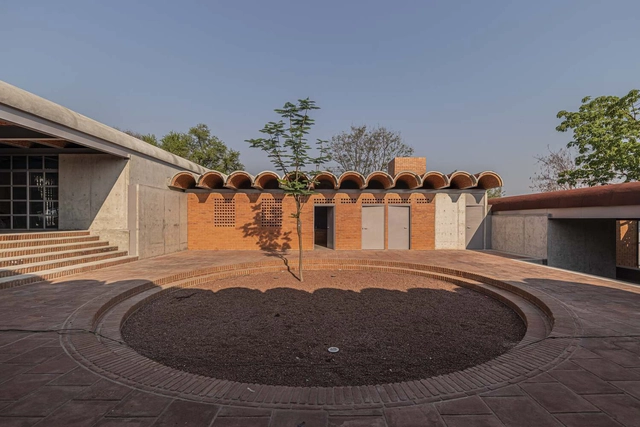
Community Development Center in Tapachula / Laboratorio de Acupuntura Urbana. Image
How do community centers emerge? Why do they often represent a need for the appropriation and development of society? In the pursuit of improving the quality of life in the most vulnerable communities, community centers present themselves as an alternative capable of providing healthcare, educational, cultural, and recreational services, along with spaces that contribute to the present and future development of communities. In Mexico, numerous community centers are created and supported by government institutions, civil foundations, or private companies, as well as co-management initiatives that aim to integrate children, youth, adults, and older adults into spaces for gathering, socializing, and recreation, where they can engage in activities from learning to developing individual and collective skills.