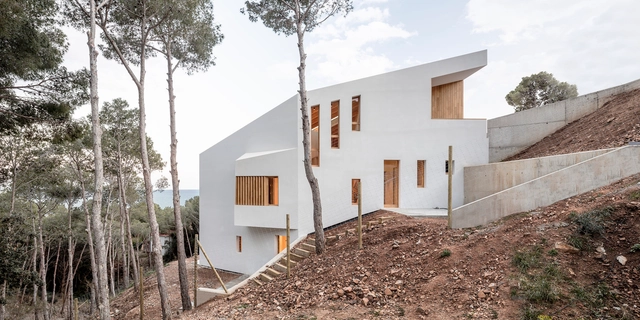


-
Architects: 05 AM Arquitectura
- Area: 338 m²
- Year: 2018


.jpg?1560778703&format=webp&width=640&height=580)
European children spend approximately 200 days a year at primary school. Even though the academic year in most parts of the world is not as long as in Europe, the place where children and adolescents spend the most time, following their own homes, is usually in educational institutions. These can be places for learning, playing and socializing, and as sad as it may be, they can also be safer places for children living in environments of abandonment, hunger, and violence, providing them with opportunities and even meals. A United Kingdom-wide survey found that the differences in physical characteristics of classrooms accounted for 16% of the variations in learning progress over the course of a year. In other words, the better a classroom is designed, the better children perform academically. According to the study, the factors that most affect children are sunlight, indoor air quality, acoustic environment, temperature, the design of the classroom itself and the stimulation within it.
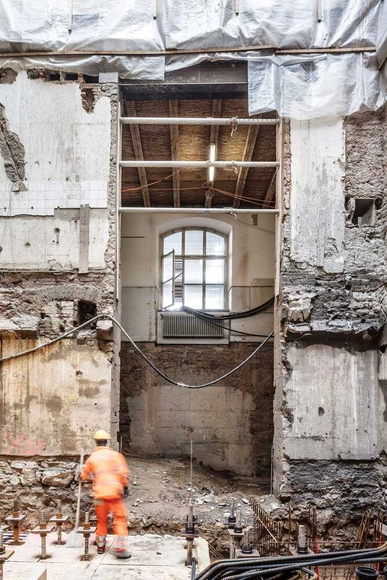
A historic site in the heart of Basel will soon be revived as Kaserne Cultural Center, the city’s new urban hub by Focketyn Del Rio Studio.
The 45 million CHF (44.7 million USD) transformation project is the first publicly-funded large facility in the Kleinbasel district, and will unite and unlock two previously disconnected and enclosed spaces on the Rhine River. The 9,000 sqm project by the Swiss firm is currently under construction and is expected to be complete in 2021.

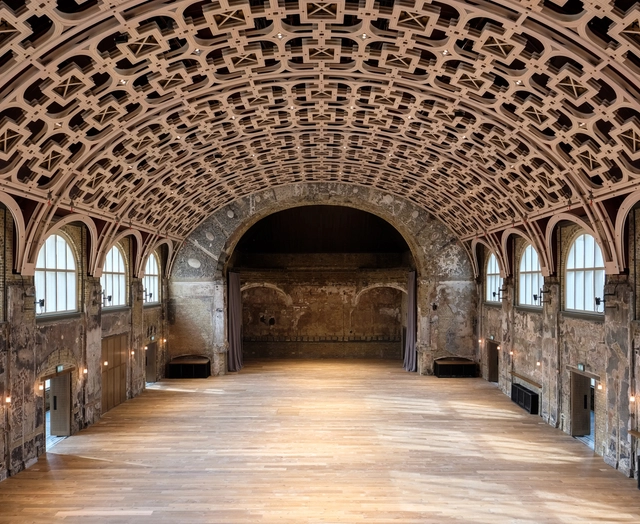
As technology moves forward, so does architecture and construction. Architects, designers, and planners around the world now have infinite tools and resources to design and build the cities of today and the future. As promising as this may sound, new construction is also consuming our world’s limited resources faster than we can replenish them.
This situation leaves architects with an important responsibility: the rehabilitation and reuse of the existing built environment. This means using creative thinking and design to save and incorporate old or historic buildings that currently exist, in the present and future of our cities, by adapting them through creative and sensitive treatments.
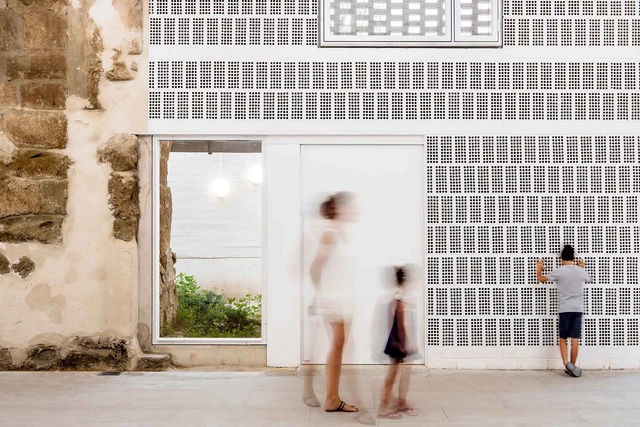
Wienerberger Brick Award 2020: Call for Entries
To celebrate outstanding brick and ceramic building projects from around the world, Wienerberger is inviting architects, architecture critics and journalists alike to enter projects into the Wienerberger Brick Award 2020. Entries are open from 7th January 2019 until 9th April 2019.
.jpg?1551411640&format=webp&width=640&height=580)
For this year's Women in Architecture Awards, The Architectural Review and the Architects’ Journal have selected Sheila O’Donnell as Architect of the Year and Xu Tiantian to win the Moira Gemill Prize for Emerging Architecture in the 2019 Women in Architecture awards. The Architect of the Year award recognizes excellence in design specifically in the context of a recently completed project and the Moira Gemmill Prize for Emerging Architecture is awarded to women designers under the age of 45 who show design excellence indicative of a bright future.
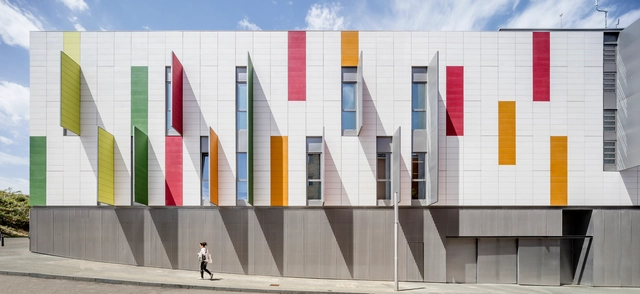

This week we’ve selected the best chapels previously published on our site. They reveal different ways of designing a small and sacred space. For inspiration on how to create these atmospheres, integrate different materials, and make proper use of light, we present 32 remarkable examples.
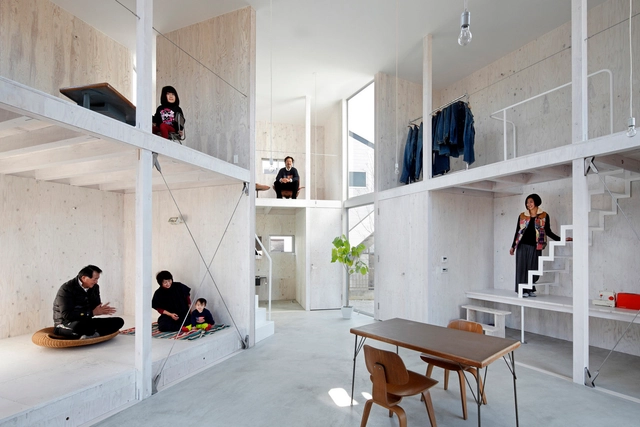
Normally, houses are divided into common areas, rooms, kitchens, and bathrooms. However, sometimes the client demands to add other programs related to their work or hobbies, making efficient design and daily spatial distribution more complex. As architects, we are faced with an interesting challenge: to merge the private life of its inhabitants with more public and open programs, generating exciting mixed-use spaces.
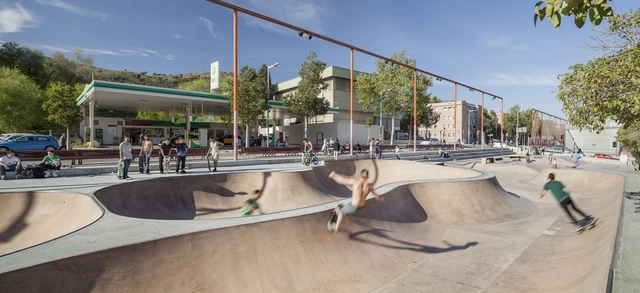
If you are interested in designing hybrid homes, we have selected 26 houses with additions including shops, soccer fields, barns, greenhouses, and even skateparks.
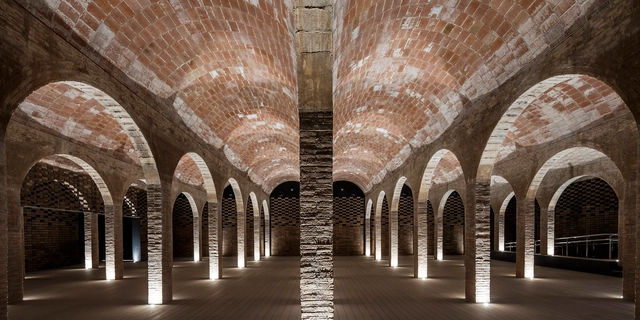
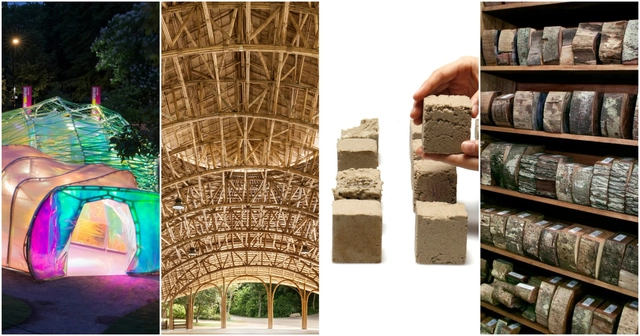
In architecture we are so caught up in creating something new, we often forget about what happens at the end of a building’s life cycle—the unfortunate, inevitable demolition. We may want our buildings to be timeless and live on forever, but the harsh reality is that they do not, so where is all the waste expected to go?
As with most non-recyclable waste, it ends up in the landfill and, as the land required for landfill becomes an increasingly scarce resource, we must find an alternative solution. Each year in the UK alone, 70–105 million tonnes of waste is created from demolishing buildings, and only 20% of that is biodegradable according to a study by Cardiff University. With clever design and a better awareness of the biodegradable materials available in construction, it’s up to us as architects to make the right decisions for the entirety of a building’s lifetime.
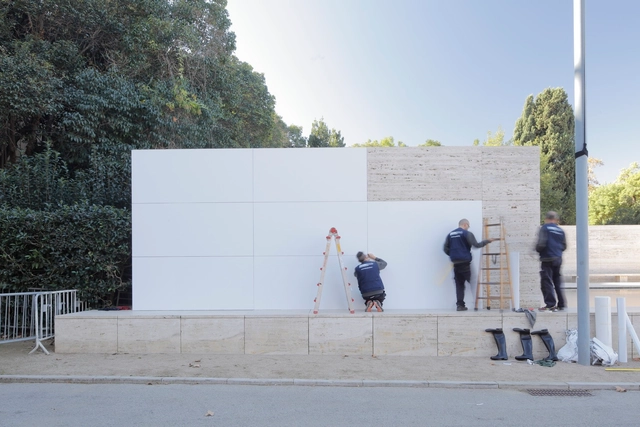
Mies van der Rohe’s Barcelona Pavilion is being transformed into a “1:1 scale model” of itself in a new exhibition designed by Anna and Eugeni Bach titled “mies missing materiality.”
Over the next week, the iconic structure – the longest standing temporary pavilion in modern architectural history – will be completely covered with white vinyl, obscuring the beautiful marble, travertine, steel, chrome, and glass for which it is recognized.
The project sets to prompt discussion about the role of material in the original design, as well as the symbolism of the white surface within modern architecture.
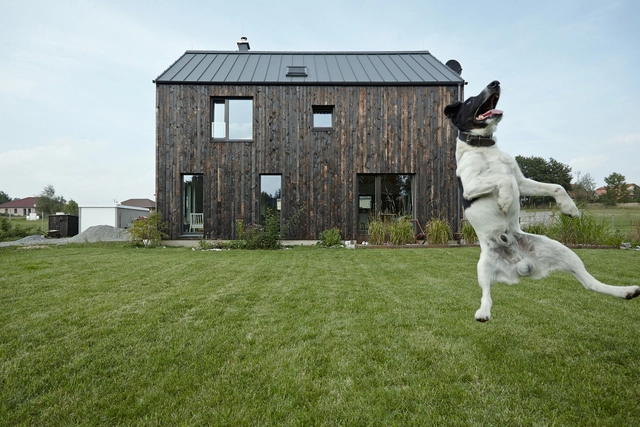
For the animal lovers among our audience, this week we have put together a special roundup of images of architecture alongside some marvelous critters. While not exactly a mainstay of architectural photography, proponents of the form like BoysPlayNice, Jesus Granada and Rafael Gamo have dared to include animal inhabitants in their architectural compositions. Read on to see a selection of 20 creative images where you will find horses, sheep, cows, goats, dogs, cats, and even elephants.

We love construction details! That's why this week's photos highlight the art of the synthesis of materials and the varied photographic products we can obtain by looking closer. Photographers like Joel Filipe, Marie-Françoise Plissart and Adria Goula, give us precise and beautiful exposure to wooden joints, steel structures, concrete details, curtain walls and more.






.jpg?1525954299&format=webp&width=230&height=230&crop=true)


