

Panoramic Elevators for Flexible Floorplans: Vuelift®
| Sponsored Content
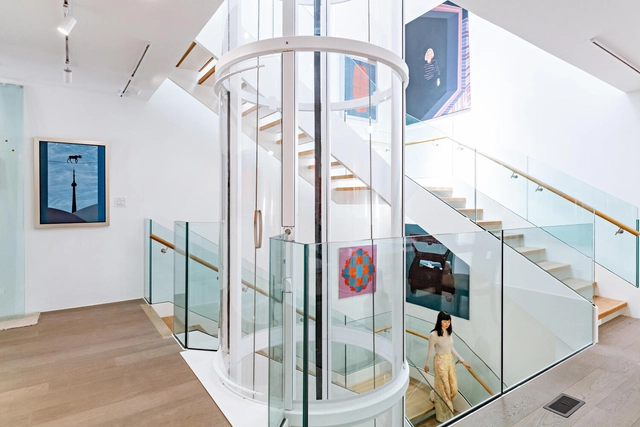
Home elevators are increasing in popularity. For one thing, people are living longer and the vast majority plan to age in place. Indeed, a US survey found that 90% of adults over 65 would like to stay in their current residence. A lift in one's home serves a number of practical purposes besides enhancing mobility, like the convenience of moving groceries or heavy objects between levels. In addition, a home elevator is a real conversation piece – not to mention that it can add up to 10% to the value of a home.
But as desirable as home lifts are, they are often perceived as a visual intrusion. Many architects, designers and homeowners look to install them in an out-of-the-way corner, or hide them in a series of vertically aligned closets converted into an elevator shaft. One company, however, believes it’s time to bring the home elevator out into the open.

https://www.archdaily.com/1000708/panoramic-elevators-for-flexible-floorplans-vuelift-rRene Submissions
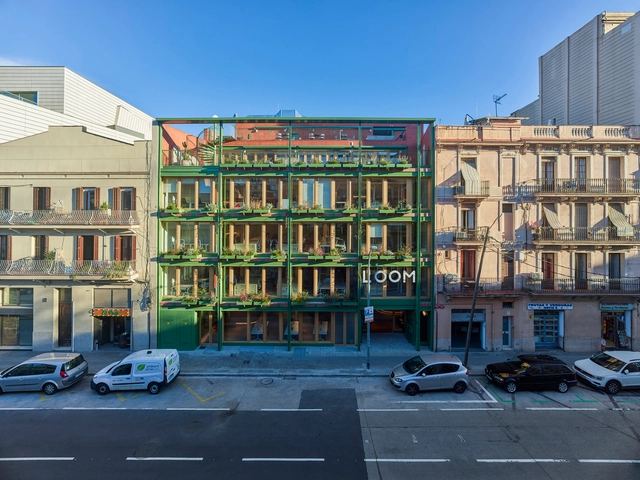
LOOM Ferretería Pere IV Industrial Building Renovation / Daniel Mòdol




-
Architects: Daniel Mòdol
- Area: 2126 m²
- Year: 2022
-
Manufacturers: Cerámicas Ferrés, DOMINADOR
https://www.archdaily.com/1000729/loom-ferreteria-pere-iv-industrial-building-renovation-daniel-modolBenjamin Zapico
Miyazaki House / Suzuko Yamada Architects


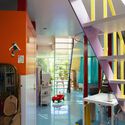
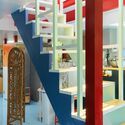


-
Architects: Suzuko Yamada Architects
- Area: 103 m²
- Year: 2022
-
Manufacturers: LIXIL , Toto
-
Professionals: TECTONICA INC., BuildLab
https://www.archdaily.com/1000649/miyazaki-house-suzuko-yamada-architectsHana Abdel
Frame House / Ming Architects



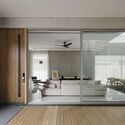
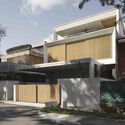

-
Architects: Ming Architects
- Area: 500 m²
- Year: 2021
-
Manufacturers: Duravit, Kawajun, Warema
-
Professionals: Ming Architects, CMP Consultants Private Limited
https://www.archdaily.com/1000588/frame-house-ming-architectsHadir Al Koshta
Meet the Winners of the 9th Tomie Ohtake AkzoNobel Architecture Prize

The Instituto Tomie Ohtake and AkzoNobel announced today the winning projects of the 9th Tomie Ohtake AkzoNobel Architecture Prize. Three of the ten finalist works were awarded in the Professional category, while in the University category, one project was named the winner and another received an honorable mention. All winning and finalist projects are on display in a free exhibition at the Institute until July 2.
https://www.archdaily.com/1135919/meet-the-winners-of-the-9th-tomie-ohtake-akzonobel-architecture-prizeArchDaily Team
NORA Hair Salon / Kenta Nagai Studio


-
Architects: Kenta Nagai Studio
- Area: 140 m²
- Year: 2023
-
Professionals: ANDas co., Ltd., HIBIKI Inc.
https://www.archdaily.com/1000596/nora-hair-salon-kenta-nagai-studioHadir Al Koshta
Emilio Zola 5915 Building / MasArqs


https://www.archdaily.com/1000709/emilio-zola-5915-building-masarqsBenjamin Zapico
FC Residence / Fpoles Arquitetos


-
Architects: Fpoles Arquitetos
- Area: 278 m²
- Year: 2022
-
Manufacturers: Alus Aluminium, Disparquet, Ezklo Marcenaria, Jardineiro Fiel, Mado Esquadrias e Fachadas
https://www.archdaily.com/1000677/fc-residence-f-poles-arquiteturaSusanna Moreira
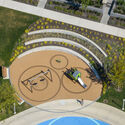
Carvolth Integrated Open Space - Goldenview Park / PMG Landscape Architects




-
Architects: PMG Landscape Architects
- Area: 16200 m²
- Year: 2022
-
Manufacturers: Barkman Concrete, Forms + Surfaces, KOMPAN, Revamp Panels
https://www.archdaily.com/1000607/carvolth-integrated-open-space-goldenview-park-pmg-landscape-architectsHadir Al Koshta
Maya Train Section 4 Stations Designed by TEN Arquitectos, Isaac Broid + a|911, PLUG Architecture, and E Mayor que A
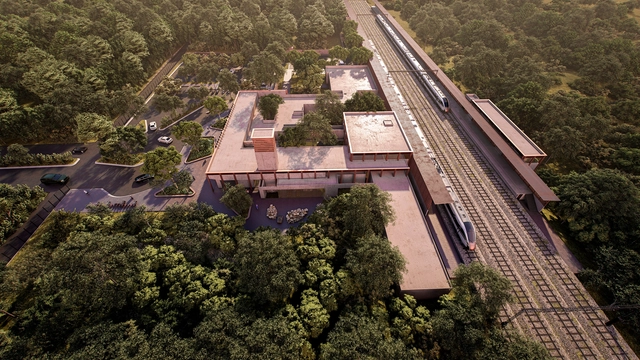
The Tren Maya is an infrastructure project currently being developed by the Mexican government in the country's southeast, involving the construction of approximately 1,525 km of railway lines that will span the states of Tabasco, Chiapas, Campeche, Yucatán, and Quintana Roo. It will offer three types of services: passenger, tourist, and freight trains. The route comprises seven sections: Section 1 runs from Palenque to Escárcega (228 km); Section 2 from Escárcega to Calkiní (235 km); Section 3 from Calkiní to Izamal (172 km); Section 4 from Izamal to Cancún (239 km); Section 5 from Cancún to Tulum (121 km); Section 6 from Tulum to Chetumal (254 km); and Section 7 from Chetumal to Escárcega (287 km).
https://www.archdaily.com/1136087/maya-train-section-4-stations-designed-by-ten-arquitectos-isaac-broid-plus-a-911-plug-architecture-and-e-mayor-que-aMónica Arellano
Residence 321 / Ascoz Arquitectura


https://www.archdaily.com/1000434/residence-321-ascoz-arquitecturaValeria Silva
rita_20 Journal: Call for academic papers

The call for academic papers for the upcoming 20th issue of rita_ magazine is now open. The call invites submissions in Spanish or Portuguese from faculty, graduate students, and professionals holding a master’s or doctoral degree.
https://www.archdaily.com/1047417/rita-20-journal-call-for-academic-papersRene Submissions
International Jury of the Venice Architecture Biennale 2023 Announced with Ippolito Pestellini Laparelli Appointed as President

Deliberated by the Board of Directors of La Biennale di Venezia and upon recommendation by Curator Lesley Lokko, the International Jury of the 18th International Architecture Exhibition, which will open on the 20th of May 2023, and will run until the 26th of November, 2023, has been selected. The 2023 jury will include Italian architect and curator Ippolito Pestellini Laparelli as president, Palestinian architect and curator, Nora Akawi, American director and curator of The Studio Museum in Harlem, Thelma Golden, South-African founder and co-editor of Cityscapes Magazine, Tau Tavengwa; and Polish Izabela Wieczorek, architect in Spain and a researcher and educator based in London.
The International Jury will award the "Golden Lion for Best National Participation", the "Golden Lion for the best participant in the International Exhibition The Laboratory of the Future", as well as the "Silver Lion for a promising young participant in the International Exhibition The Laboratory of the Future". The Jury may also award a maximum of one special mention to a National Participation, and a maximum of two special mentions to the participants in the International Exhibition The Laboratory of the Future. The announcements and awards ceremony will take place in Venice on Saturday, May 20th, 2023.
https://www.archdaily.com/1000654/ippolito-pestellini-laparelli-appointed-as-president-of-the-international-jury-of-the-venice-architecture-biennale-2023Christele Harrouk
Olson Kundig and the Ingenuity of the Moving Parts in Their Architecture
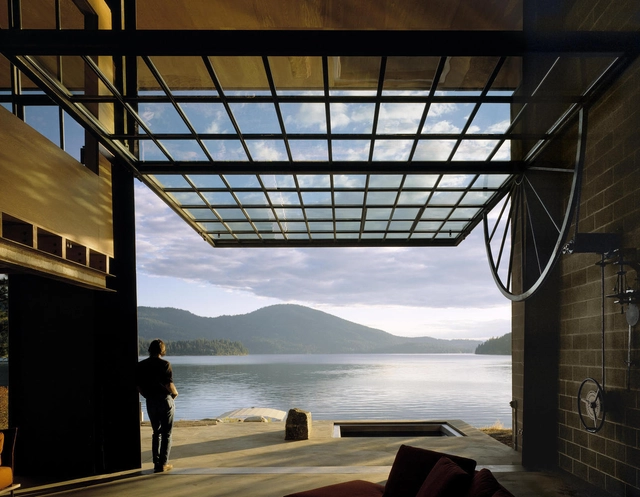
Seattle-based Olson Kundig is an example of how context and culture can influence a firm's design approach. Founded in 1966 by Jim Olson and now consisting of hundreds of employees and thirteen principals/owners, including Tom Kundig, the firm has an extensive and diverse portfolio that spans different scales and budgets. In lectures and interviews, Kundig in particular often talks about how having grown up in a region with a strong mining and lumbering tradition has influenced the industrial and rational aesthetic of his designs, the use of durable and low-maintenance materials, and a special attention to craftsmanship. In many of the firm's designs, however, the ingenuity and emphasis on moving parts –blurring the boundaries between inside and outside– is striking. This is usually achieved by incorporating hand-held devices that allow users to activate the building directly, connecting them both to the context but also to the building itself and the dynamic mechanisms therein.
https://www.archdaily.com/1000621/olson-kundig-and-the-ingenuity-of-the-moving-parts-in-their-architectureEduardo Souza
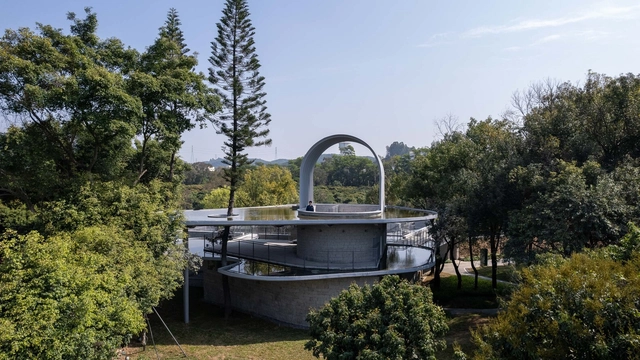
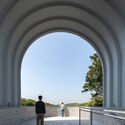
WENSHANDIESHUI Station of The XILI Lake Greenway / TJAD Original Design Studio




-
Architects: TJAD Original Design Studio
- Area: 1596 m²
- Year: 2022
https://www.archdaily.com/1000573/wenshandieshui-a-station-of-the-xili-lake-greenway-tjad-original-design-studioCollin Chen
A High-Efficiency Ceramic Façade at the Sant Pau Hospital Research Institute
| Sponsored Content
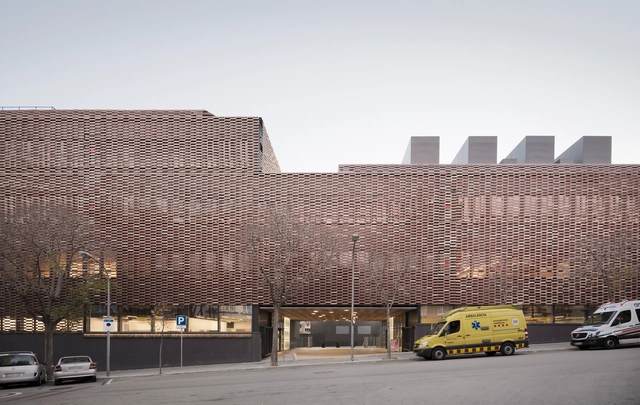
The Santa Creu & Sant Pau Hospital Research Institute, designed by Pich Aguilera Arquitectes in conjunction with 2BMFG Arquitectos, stands in the Santa Creu & Sant Pau Hospital complex in Barcelona –one of the biggest Modernist Spanish architectural ensembles, declared a World Heritage Site by the UNESCO.
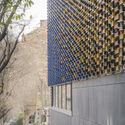
The Research Institute stands out for its striking ceramic envelope and its capacity to blend in with Sant Pau Hospital’s Modernist buildings, while also focusing on high energy savings and improved comfort inside the building. The ceramic slats were made to measure for the project by Faveker, a specialist in high-tech façade solutions.




https://www.archdaily.com/1000176/a-high-efficiency-ceramic-facade-at-the-sant-pau-hospital-research-instituteRene Submissions
Learning Resilience: The Irish Pavilion Explores the Culture of Remote Islands at the 2023 Venice Architecture Biennale
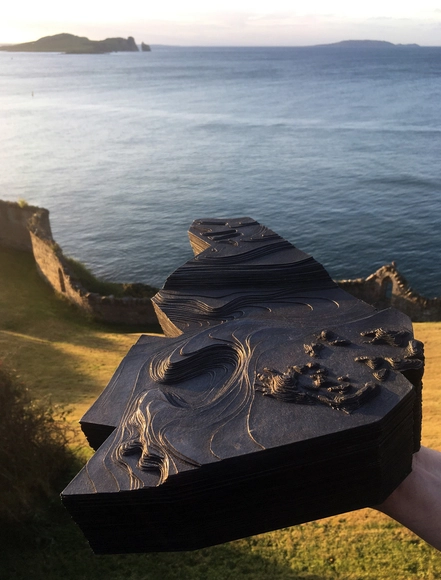
The National Pavilion of Ireland will present an exhibition titled “In Search of Hy-Brasil” at the 18th International Architecture Exhibition of La Biennale di Venezia. The pavilion set out to explore diverse cultures, communities, and experiences of Ireland’s remote islands in the search for new ways of inhabiting the world. A team of five architects has been selected as the curators of the exhibition: Peter Carroll, Peter Cody, Elizabeth Hatz, Mary Laheen, and Joseph Mackey. The pavilion will be open to the public from May 20th to November 26th, 2023; afterward, the installation will tour Ireland in 2024, bringing voices from peripheral locations into mainstream conversations around our global future.


https://www.archdaily.com/1000655/learning-resilience-the-irish-pavilion-explores-the-culture-of-remote-islands-at-the-2023-venice-architecture-biennaleMaria-Cristina Florian