Courtesy of Shaw Contract, Photos by Marc Tan (Studio Periphery), Owen Raggett and Alex Soh
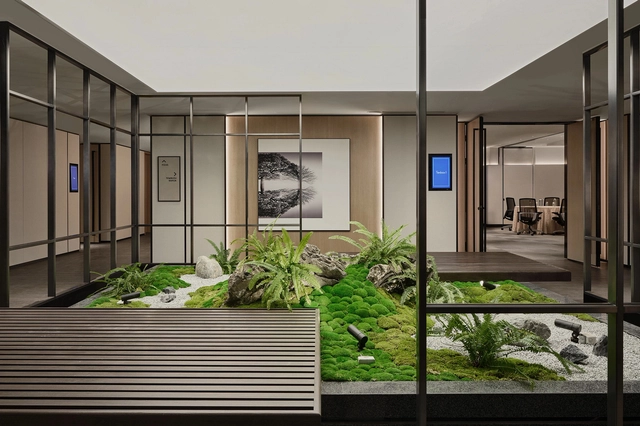
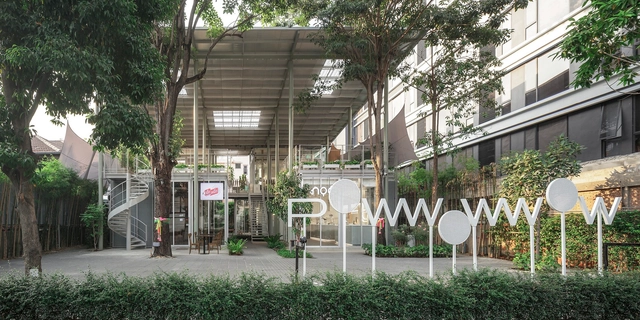
Focused on bringing spaces back to life, Avalon Collective takes a pre-existing building and transforms it into a contemporary hotel that relates to the locality and origin of Orchard Road, while capturing its modern retail context. Through a consistent design language and spirit that incorporates history and regeneration, the new Hilton Singapore Orchard has been selected among the five winners of the 2022 Best of Globe Winner.
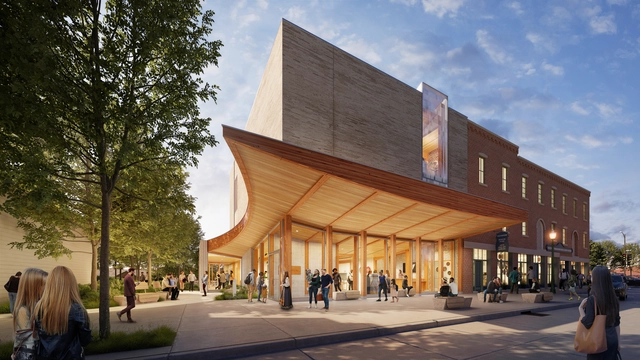
Snøhetta unveiled the design of a new building and landscape design for the Vesterheim campus in Decorah, Iowa. The campus, which also contains the National Norwegian-American Museum and Folk Art School, explores the diversity of American immigration through the lens of the Norwegian-American experience. The new 8,000-square-foot building, known as “the Commons,” is set to become the entry point and main gathering space for the cultural campus. Aside from anchoring the site, the intervention also aims to strengthen the site’s connection to the city. The building is scheduled to be completed in the Summer of 2023.
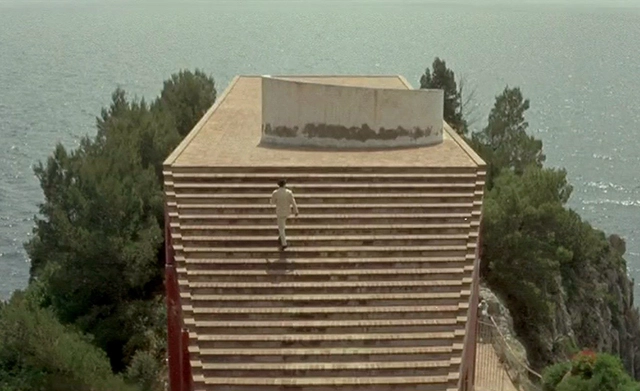
Villa Malaparte in Contempt. Image: movie screenshot
There are many ways to get to know a place. Ask a group of people who know Venice; chances are good that everyone has some mental image of the city and its canals. Once again, ask how many have already visited the Venetian capital. Few or no one may have done so. While traveling is a complete way to experience a place, it's not the only way - images of cities, areas and buildings are everywhere, from advertising to the arts, from Instagram to cinema, and they leave deep impressions on our memory and imagination.
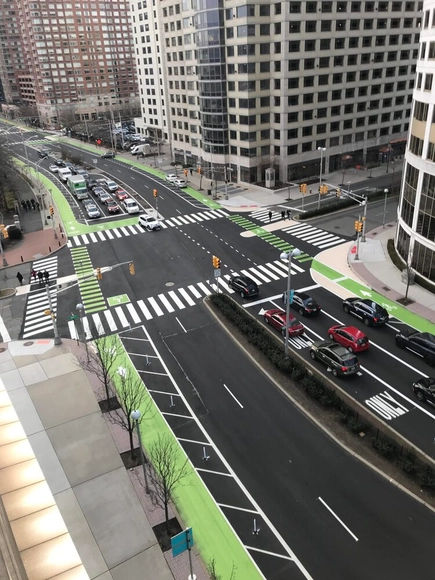
Once a 6-lane thoroughfare, Washington Boulevard underwent an initial "quick-build" transformation in 2019, adding painted protected bike lanes, curb extensions, pedestrian refuge islands, and boarding islands allowing for in-lane bus boarding/alighting. The physical protection for cyclists was upgraded further in 2022. Image Courtesy of Street Plans
Covid has been particularly hard on cities: downtown business districts are still struggling due to the shift to remote work; some cities have seen population declines; and crime has spiked virtually everywhere. In addition, the pandemic pushed more people into cars, setting back the safe streets movement. After years of progress, cities like New York City saw big increases in pedestrian deaths. This is a nationwide problem—with one notable exception: Jersey City recently announced that no one died on its city streets in 2022, meeting its Vision Zero plan for the city. The milestone was the result of years of work by the city and its collaborator, Street Plans, a planning firm founded by Mike Lydon and Anthony Garcia. Lydon, a DPZ alum and co-author of the 2015 book Tactical Urbanism (currently being updated), began working with Jersey City on a whole raft of initiatives six years ago. I spoke with Lydon last week and asked him, specifically, how the city and he did it.
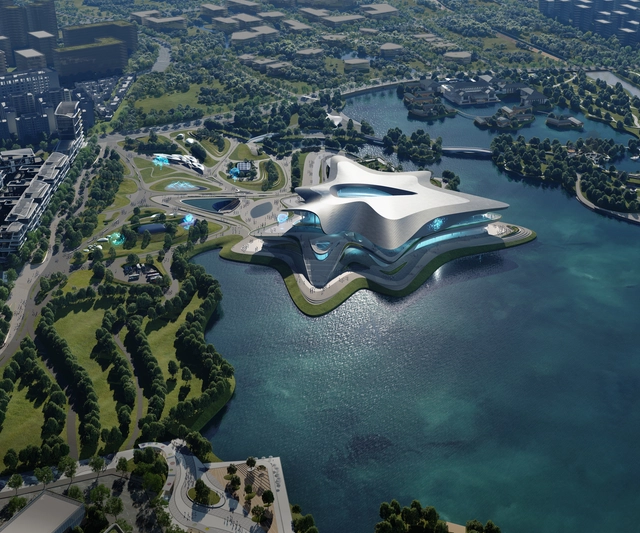
The world’s largest science fiction event Worldcon will take place in the Chengdu Science Fiction Museum, designed by Zaha Hadid Architects. Under construction, the 59,000 sq. m venue that will host the 81st annual World Science Fiction Convention and the Hugo Awards, is set to become a vibrant center of innovation and gathering place for the “leading incubator of science fiction writing in China”. In fact, the city of Chengdu, home to over 20 million residents, is transforming into an important global center of scientific innovation and research.
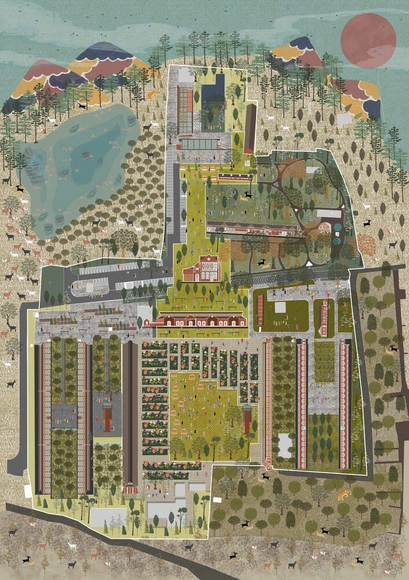
Master plans, or large-scale urban planning projects, are one of the main tools for shaping and structuring land use and development to ensure that the built environment is coherent and functional. The interventions vary in scope and approach. While some projects are extending the buildable area by creating floating neighborhoods off the coast of Florida, others are reusing the existing spaces and heritage to reimagine the future of their communities.
Historically home to vikings, kings and queens, Copenhagen is a vibrant city that mingles contemporary architecture with traditional waterways, narrow cobblestone streets, old timbered houses and ancient castles. Filled with history, its buildings embody a historic legacy that traces the memory of all the characters, epoques and events in which the city has passed through. How to keep all this history alive? By refurbishing traditional buildings within modern design, Copenhagen respectfully enjoys its historical architecture while adapting to current trends.
Taking a moment to envisage the existing built environment before addressing a clean slate, refurbishment allows architects to repurpose existing structures for a new use, preserving its character and history while reducing the environmental impact of new constructions. Through the most outstanding cases of rehabilitation of classic buildings in the city, the following article analyzes three different strategies for reusing historic buildings through innovative and sustainable design.
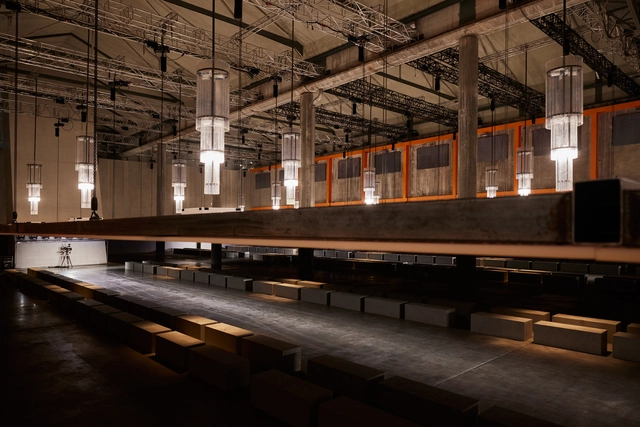
For the Prada Fall Winter 2023 menswear show, AMO, OMA's research and design branch, has conceived a scenography that transforms the Deposito hall at Fondazione Prada while the audience is attending the show. As part of the show, the ceiling rises slowly, revealing imposing chandeliers that slowly illuminate the space and expose the industrial materiality of the hall. It then withdraws again to its initial position, creating a seamless transition between a dark-low ceiling room to a monumental space and back again.