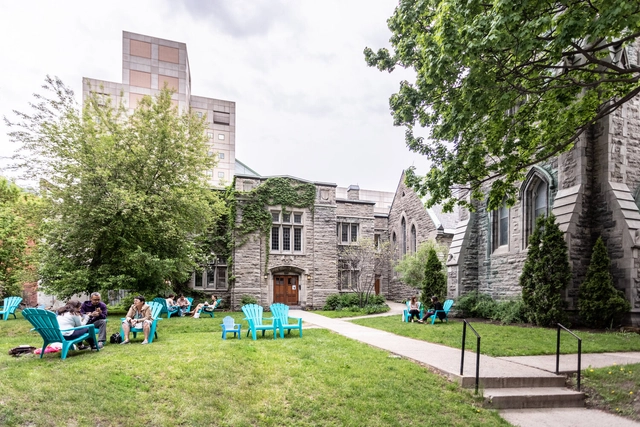
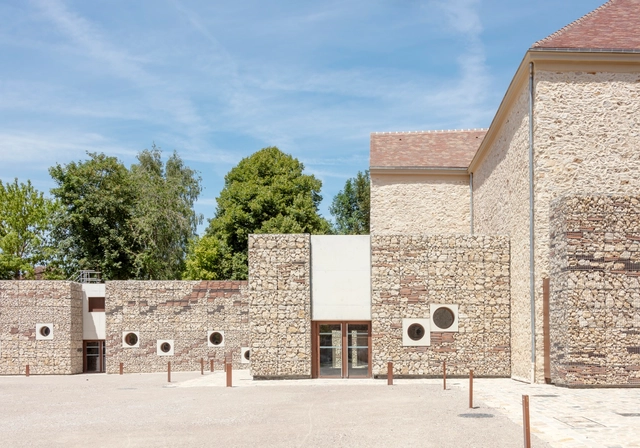
Cities need to prepare for a wave of declining houses of worship. While faith institutions, at least the Christian ones, have been asking WWJD (What would Jesus do?), municipalities need to get them to ask another question: WWJJD (What would Jane Jacobs do?). Doing so might lead to a new model for true community houses of worship.
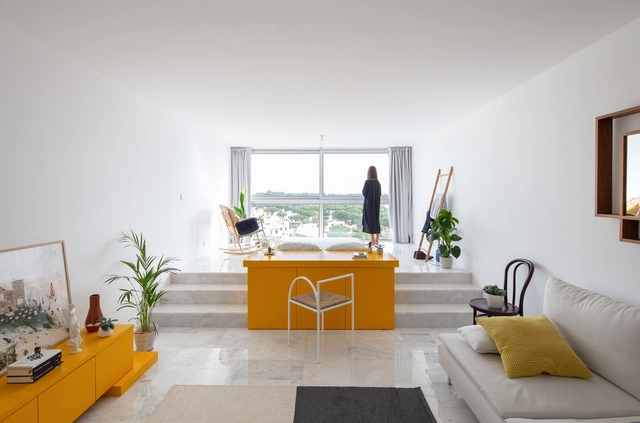
Dwellings can be understood as the most significant and primary form of architecture, as the house is intimately related to the idea of shelter, one of humanity’s basic needs. In the words of architect Mario Botta, “As long as there is a man who needs a house, architecture will still exist.” Yet, in spite of its ubiquity, or perhaps because of it, an exact definition of a home is difficult to find. Throughout history, different functions and spaces have been added and subtracted from this unit, reflecting directly the character of the society that produced it.
The list of expectations that a house has to fulfill is long and ever-evolving: to provide intimate and safe spaces where one can recharge their energy, but at the same time to allow for interaction, welcoming friends and family to join in; it is the purveyor of leisure and relaxation, but also the site of most labors of care, while also providing a small incubator for starting entrepreneurs. This tendency to demand a residential unit to fulfill multiple roles was heightened to unprecedented levels during the pandemic. Health concerns led to the closing of most workspaces, the second place where people spent most of their time, and of cafes, restaurants, cinemas, and malls, the “third places.” Suddenly, the home had to become an all-purpose space.
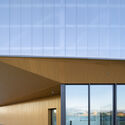
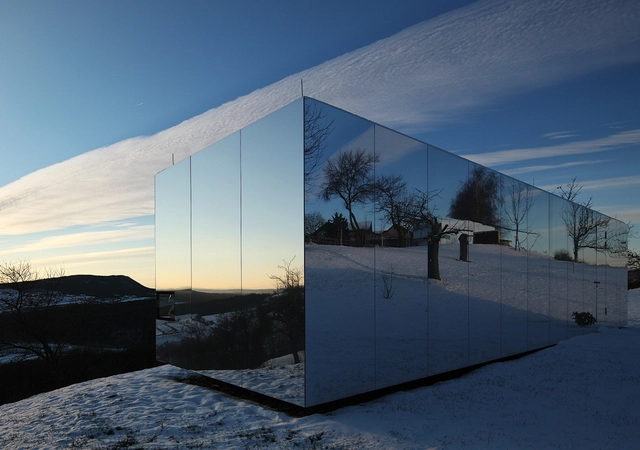
The design of a facade defines its architectural identity. Besides being a barrier against diverse weather conditions, providing acoustic comfort, and regulating light penetration, the external skin of a building determines its character and perception. At first glance, a facade can make the building stand out or blend with its urban environment, or even convey different levels of brightness, translucency, and smoothness. Simultaneously, the structure and color of interior walls and ceilings can leave a lasting impression when entering a room.
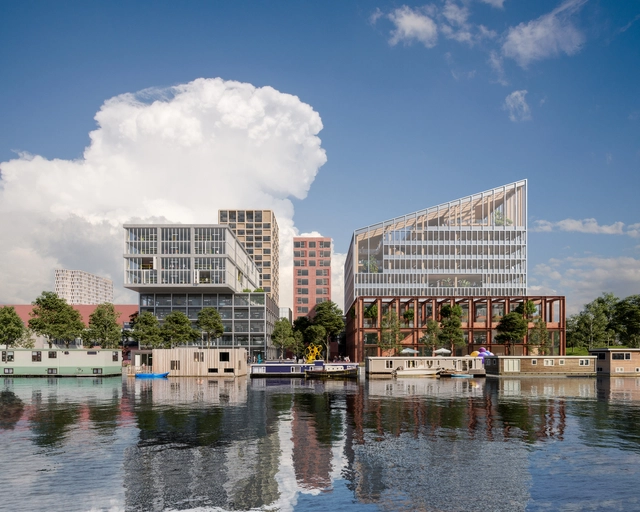
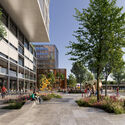
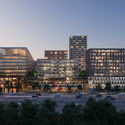
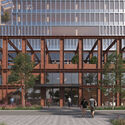
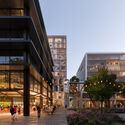
Designed by Mecanoo, Amstel Design District is a mixed-use development that includes social housing, mid-rent residential spaces, private sector homes, and collective facilities. The 80,000 square meters master plan also provides spaces for creative offices and retail, along with cultural institutions such as the 800 square meters design museum. Located between the highway and the metro line, the project responds to site constraints and concerns about noise pollution by creating a composition of stacked volumes with setbacks. This allows for the creation of comfortable public spaces in between the buildings as pocket parks and plazas.
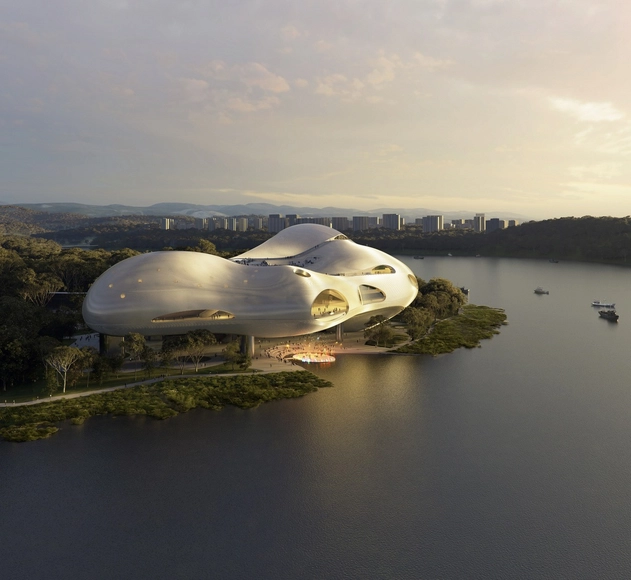
OPEN Architecture has won the competition to design the Yichang Grand Theatre in China. The project is situated where the Yangtze River and its tributary Huangbai River converge at the tip of the Pinghu Peninsula. There are about 70,000 square meters of building space overall. The performing arts center will feature a 1600-seat grand theater, a 1200-seat concert hall, a 400-seat black box, and two outdoor theatres — one on the rooftop and one by the water. It is housed within the fluid and partially floating building. The building also has rehearsal rooms, event and exhibition spaces, coffee shops, restaurants, and observation decks. The diverse lineup reflects efforts to keep the big theatre a welcoming and active gathering place for the public at all times.
The construction of Brasília is a significant achievement in history and architecture. The Brazilian modernist movement definitively established Lucio Costa and Oscar Niemeyer as their representatives. It led the modernist city to be tested as the new urban order. Nevertheless, the city did not emerge alone, nor was it completely utopic, modern, or modernizing. Alongside the new capital, planned and organic neighboring cities were built.