
-
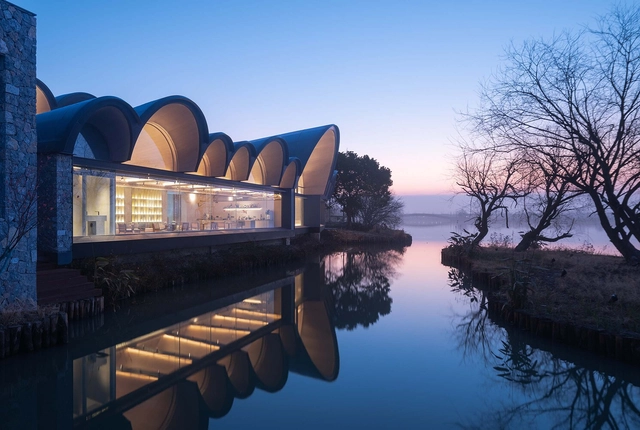
Architects: GOA (Group of Architects)
- Area: 900 m²
- Year: 2022





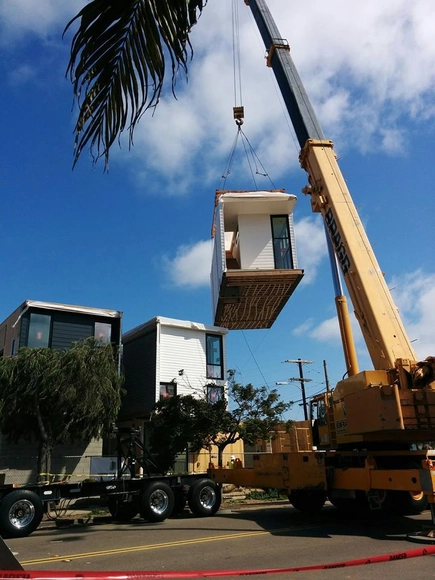
As every professional in the building industry knows, construction can be a costly and endlessly time-consuming endeavor. Delays are almost more frequent than on-time construction, and can be induced by extensive bureaucratic requirements, weather and other unexpected circumstances, inadequate planning, too few personnel, or a whole host of other causes. Lengthy construction projects can also negatively impact public perception of a project even before it has been built, especially if the projects experience delays or inconvenience those who live or work close to the building site. Moreover, some projects simply need to be built along a faster timeline than is typically feasible for a traditional construction project. Thankfully, there exists a solution for those seeking to drastically reduce construction times: modular construction.
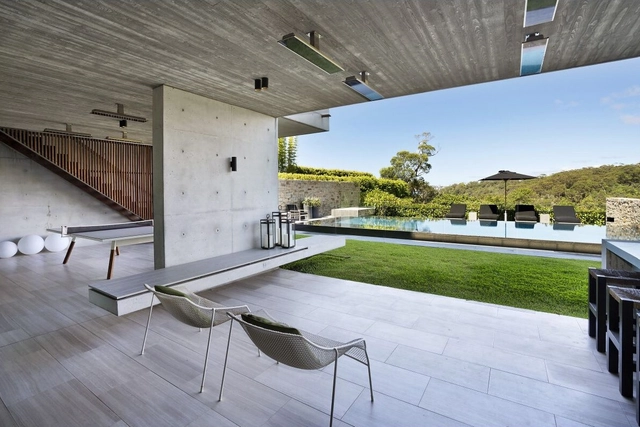
Outdoor dining and activities have gained increasing appreciation in recent years. We value the sense of freedom and adventure, and the possibility of socialization that they provide, as well as the connection with nature. As a result, outdoor spaces are becoming more popular in residential and commercial designs, as new features made specifically for these types of spaces can enhance the comfort and well-being of occupants. This is because when dealing with nature there can be a variety of inconveniences related to weather, such as wind, rain, or cold temperatures. In order to properly enjoy these areas all year-round, solutions can usually include outdoor heating. However, typical heaters tend to have clumsy and old-fashioned designs, detracting from the careful design of the rest of the environment.
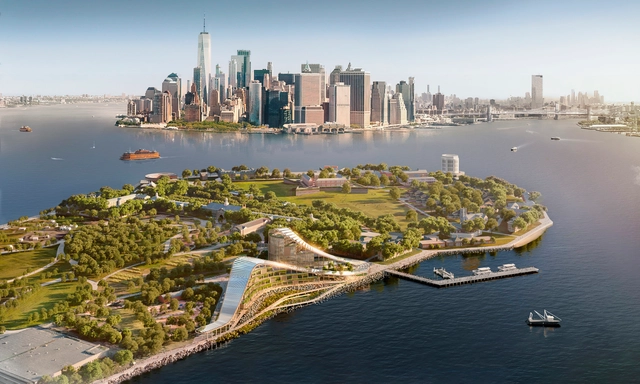
Skidmore, Owings & Merrill have been selected to design the New York Climate Exchange in partnership with Stony Brook University, a public research institute in New York. The new net-zero campus, located on Governors Island, New York, is planned to serve as an anchor institution for the development of new climate solutions. As a first-of-its-kind international center, “The Exchange” will also act as a regional hub for the green economy.
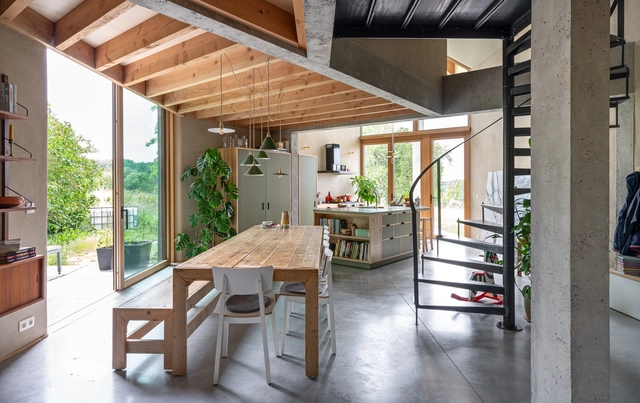
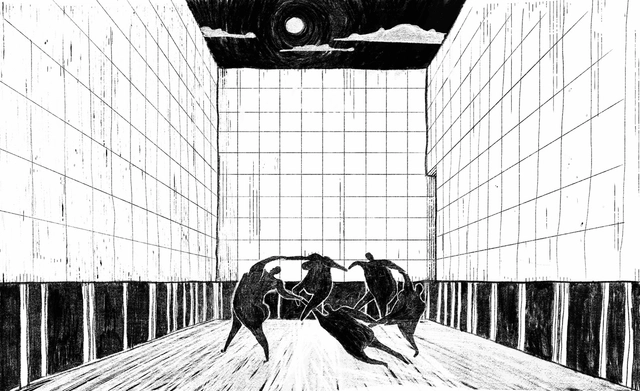
The Belgian Pavilion has announced its display for this year’s international architecture exhibition - La Biennale di Venezia. Curated by Bento and Venciane Despret, “In Vivo” concentrates on investigating the architect's new relationship with resources. The display challenges our extractivist production system by identifying and designing architectural alternatives using components obtained from live organisms and the imagery that goes along with them.
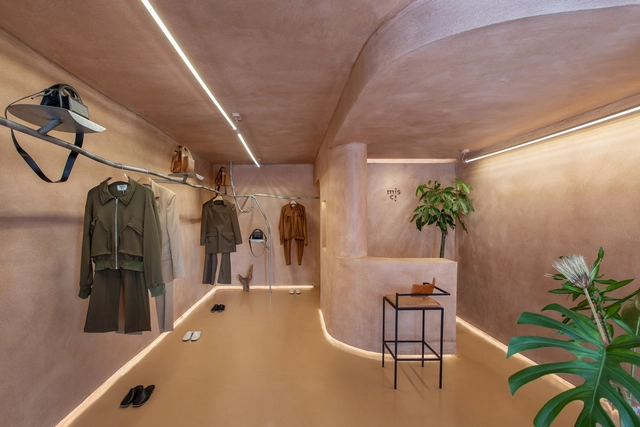
Several factors influence the architecture of contemporary stores, including the evolution of retail, changes in consumer expectations, and the rise of e-commerce. Creating the physical space of a brand is an opportunity to offer an experience that conveys the values and image that the brand wishes to be associated with.
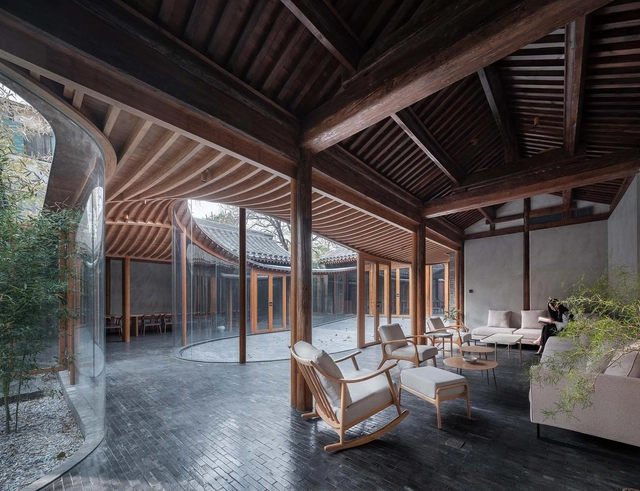
As summer in the Northern Hemisphere is inching ever closer and nature is rapidly responding to the increase in temperature, our desire to spend time outside (by ourselves and collectively) is growing at an equally fast pace. And although public parks are a great option for those of us who live in urban centers, the luxury of having one's very own, at-home access to nature cannot be overstated.
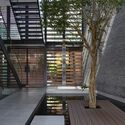
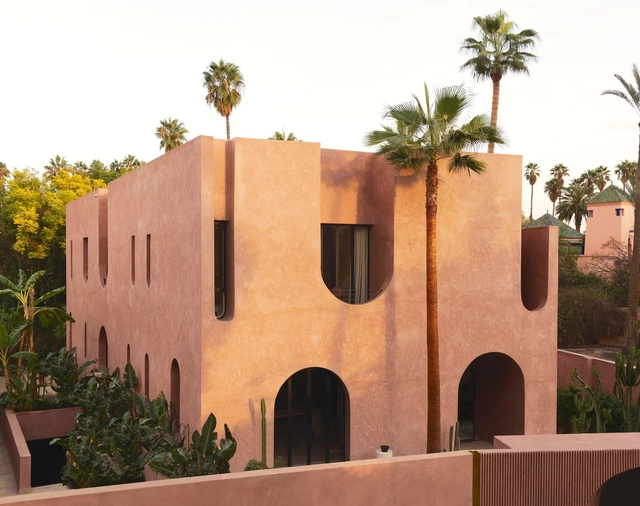
For residential projects in particular, gardens are the most common way of connecting with the natural world in this way. But, as these four examples show, courtyards can provide an equally satisfying window into changing seasons – and, when viewed through glass by way of patio doors, skylights, or frameless windows, can give us a glimpse of greenery from the weatherproof comfort of almost any room in the house.

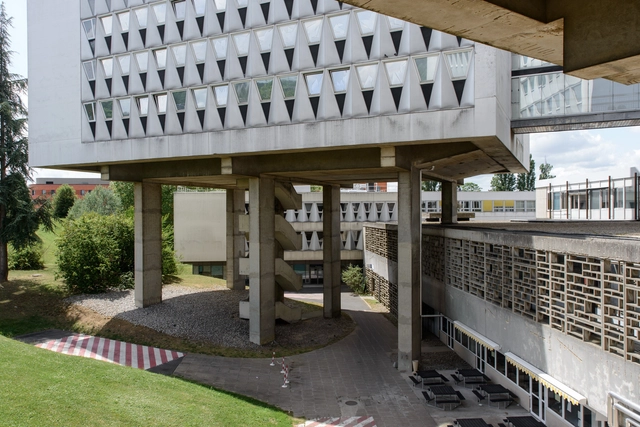
Brutalist Paris by Nigel Green and Robin Wilson is a book that expands upon their previous collaborative effort, the Brutalist Paris Map (2017). The text's insightful critique and sharp photography provide a detailed examination of Brutalism's historical, political, and cultural significance, with a particular emphasis on its innovative communal design. Through a meticulous analysis of the public spaces of the selected buildings, including their orientation, materials, and facades, Green and Wilson revisit the movement's legacy and its contribution to the field of architecture.