




-
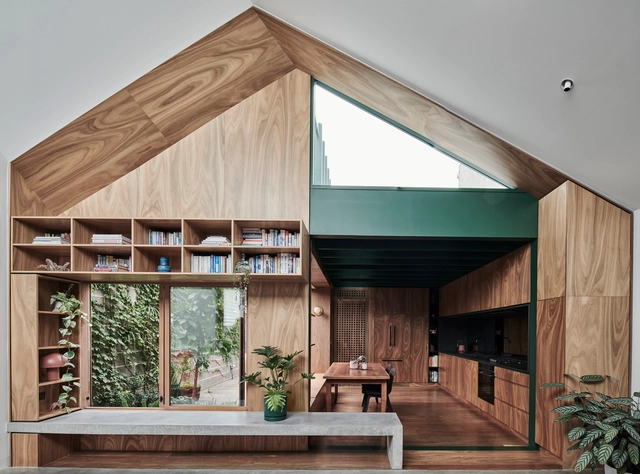
Architects: FIGR Architecture & Design
- Area: 106 m²
- Year: 2021
-
Manufacturers: Fisher & Paykel, Artedomus, Artemide, Blanco, Bosch, +8


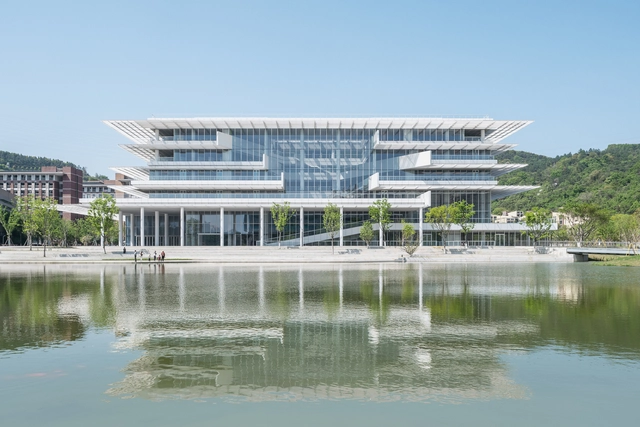



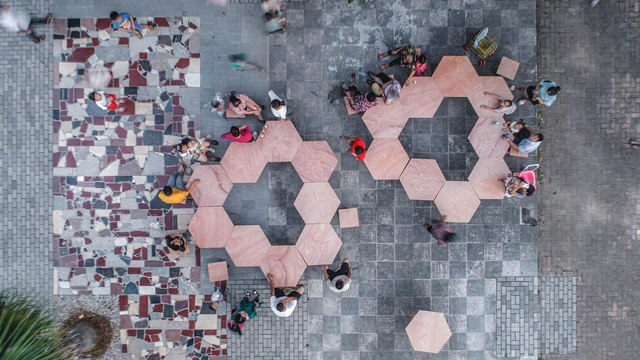
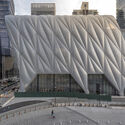
Advancements in technology have paved the way for a revolutionary approach to architecture, one that involves responsiveness and movement. This concept called "kinetic architecture" allows buildings to dynamically adapt to their ever-changing surroundings. As of today, kinetic principles are commonly applied to enhance the environmental sustainability of buildings, especially through facades. However, kinetic architecture has the potential to impact the built environment in other facets as well. In public spaces, kinetic architecture holds immense promise, presenting opportunities to make them more accessible, inclusive, and user-friendly. Introducing kinetic elements into public spaces challenge long-held assumptions about architecture as a passive arrangement, ushering in a new era of interactive and engaging urban environments.




The earliest vestiges of furniture in society can be traced back to the Fourth Dynasty of Egypt when the armchair of Queen Hetepheres I (ca. 2600 BC) was discovered. This armchair marked a significant milestone in the history of furniture. It is not surprising, therefore, that the chronology of furniture is intertwined with architectural, pictorial, and sculptural expressions of the time, where these elements often act as witnesses and, in exceptional cases, as central objects in the history of art and design.
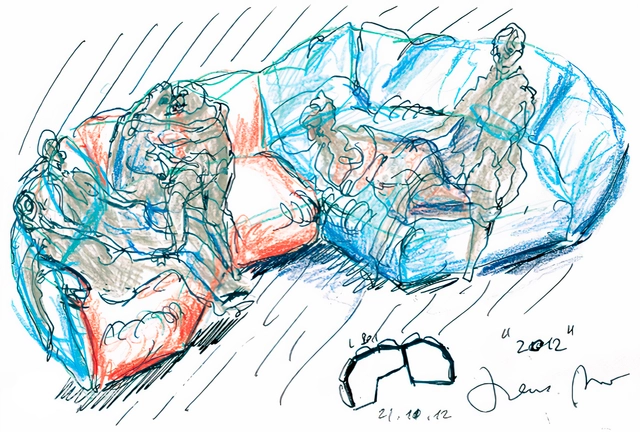
Furniture consists of everyday objects designed to meet specific needs in our daily lives. However, sometimes they transcend their practical function and take on an autonomous presence. A piece of furniture has no nobler purpose than its interaction with human beings, therefore, separating these objects from their utilitarian dimension becomes an act of disruption. As a result, designers such as Francesco Binfaré have described sofas as “The most mysterious object amongst the furniture populating the interior design universe”. In this context, Edra creates unique objects that blend art and industrial production, reflecting contemporary domestic landscapes and experimenting with new shapes and materials.
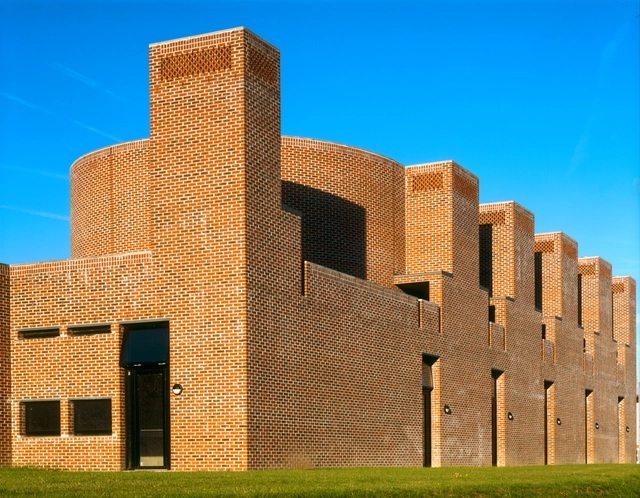
Irish architect Shane de Blacam has been awarded the 2023 Royal Academy Architecture Award in recognition of his commitment to creating communal spaces and the craftsmanship and detail of his projects. In 1976, De Blacam co-founded the architectural firm de Blacam and Meagher alongside John Meagher, establishing a collective practice focused on the careful integration of local materials and the creation of comfortable spaces for people. Each year, London’s Royal Academy awards individuals or collective practices whose body of work has made a meaningful and positive impact on society.


Five finalists have been shortlisted in the competition to design the new Griegkvartalet Theater in Bergen, Norway. The project is set to be a cultural powerhouse in Western Norway, hosting multidisciplinary forms of art, including opera, musical theater, ballet, dance, concerts, and conferences. The competition emphasizes integration with the surroundings, urban space, energy efficiency, and feasibility.
The shortlisted teams include Henning Larsen Architects, Snøhetta, Zaha Hadid Architects, MAD arkitekter and Kengo Kuma, and the Nordic Office of Architecture includes Arkkitehtitoimisto ALA in the architecture subjects. Each studio was selected from 32 participants worldwide and will be filtered into three winners in the coming stages in the fall of 2023. Ultimately, by March 2024, one winner will be selected and receive the official service contract to begin construction.



The conception of architecture, understood since modernity, emphasizes permanence. The durability of tectonic construction can be manifested in various ways. However, what does it mean to associate architecture with ephemerality? And what happens when the idea of permanence is connected to transience? The Shikinen Sengu ceremony in Japan may help provide answers to these questions.
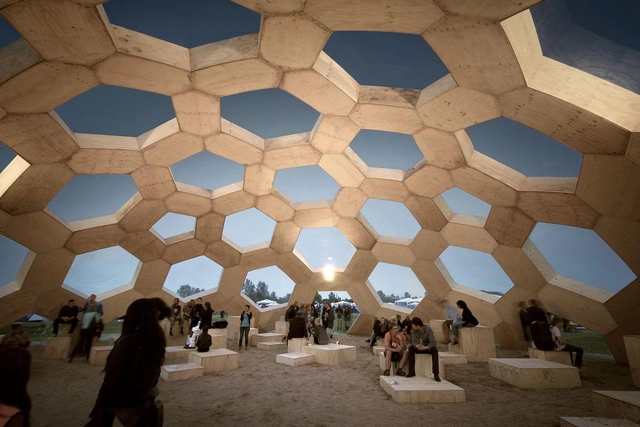
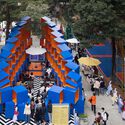
Houses and buildings are one of the first subjects children learn to draw. The simple arrangement of squares and rectangles with a triangle on top is easy and efficient, and quickly identifiable. Once we graduate from drawing to building, however, perhaps there is a better way. These five examples of domed buildings, pavilions, and installations support the thinking that there is an easier way to do it when you think outside the square.


Cairo, Egypt's vibrant capital, is a unique synthesis of both historical and contemporary architecture. One of the most populated cities in Africa, this busy urban agglomeration has a long, rich history and is home to nearly 20 million people. Apart from the infamous Great Pyramids of Giza and the Sphinx, which have attracted tourists for ages, the city has been a melting pot of cultures, histories, and built environments alike.
The city of Cairo has witnessed many different eras, each characterized by unique architectural styles. After the Ancient Egyptians, the Islamic Period saw the birth of iconic buildings like the Mosque of Ibn Tulun and the Mosque of Sultan Hassan. These were followed by the Mamluk Period, during which structures such as the Al Rifai Mosque and the Mosque Madrassa of Sultan Barquq were constructed, boasting exquisite stone carvings, towering minarets, and intricate decorative motifs. The Ottoman era brought its own landmarks, including the Mosque of Muhammad Ali and the Citadel of AlQalaa. In the late 19th and 20th centuries, Cairo experienced an influx of European architectural styles due to colonial influences. This resulted in the construction of notable structures such as the Cairo Opera House and the Cairo Tower.