


-
Architects: Gramática Arquitectónica
- Area: 200 m²
- Year: 2023
-
Manufacturers: Cortizo






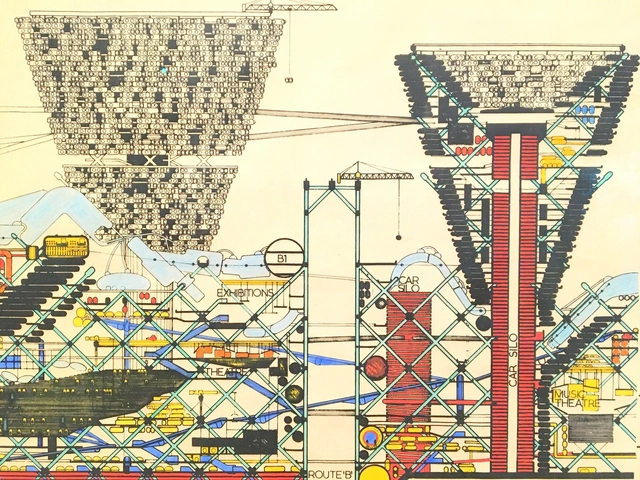
The concept of a city can be viewed as a constantly evolving system where both architects and users contribute to its design and redesign. While its framework may start with planners or designers, the character of the urban fabric is ultimately shaped by the societies and generations that inhabit it. The question of "city authorship" often arises in the context of masterplan design. Can architects and urban planners determine the extent to which a city will evolve through its initial design? The answer is no. User authorship then acknowledges that city planning should not be approached like building design, where designers attempt to predict every aspect of shape, pattern, behavior, and culture. Instead, it recognizes the role that people play in shaping the urban fabric through their personal taste in architecture, the development of neighborhood personality, and ongoing redesign that contributes to the story and spirit of a place. These factors should be considered in the initial design by engaging ideas related to future expansion, adaptable infrastructure, and empowering citizens to contribute to the city's architecture, thus making the city design democratic. This article explores conceptual radical cities where designers embrace the ideas of user authorship and the constant evolution of ephemeral architecture.
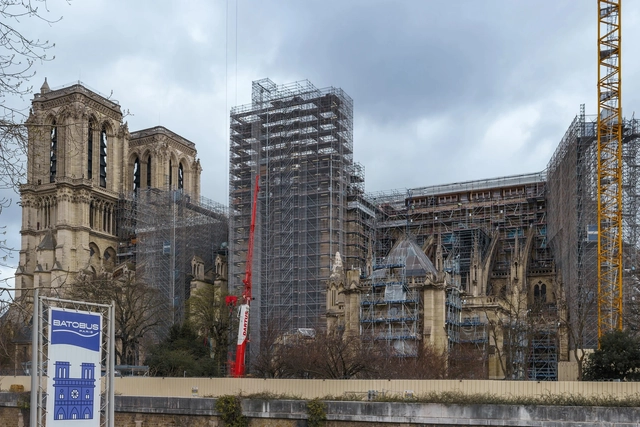
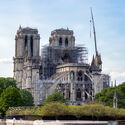
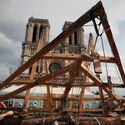
On April 15, 2019, a devastating fire occurred at the infamous Notre Dame Cathedral in Paris, France. The fire caused significant damage to the historic structure, which is a landmark in the city and a symbol of French Gothic architecture. The cathedral has been undergoing restoration works and is on course to reopen to the public in 2024. Throughout the process of restoration, its interior cleaning methodologies were debated, its carpentry was entirely replaced by medieval-skilled timber craftsmen, and the completion date for the cathedral is still on track for December 2024.
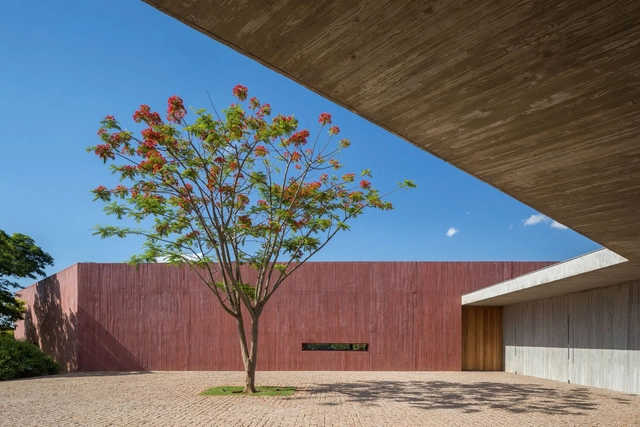
The use of pigmented concrete in Latin American architecture is growing - and influencing contemporary architectural expression. This can be seen in recent built works ranging from the INES Innovation Center designed by Pezo von Ellrichshausen in Chile to the Teotitlán del Valle Community Cultural Center by PRODUCTORA in Mexico.
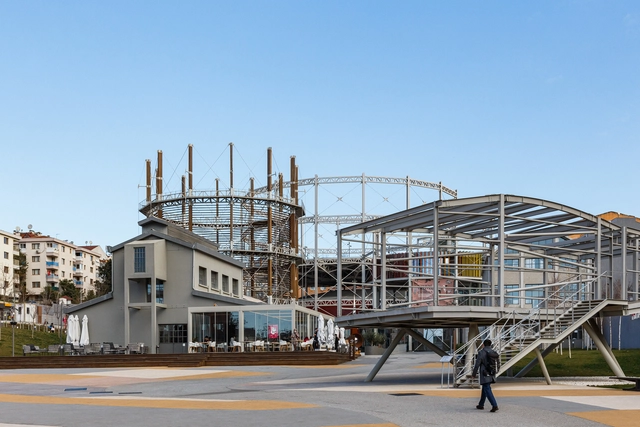
Iwona Blazwick has been appointed as the Curator of the 18th Istanbul Biennial, organized by the Istanbul Foundation for Culture and Art (iKSV). The Biennial will occur in 2024, from 14 September until 17 November. The Istanbul Biennial is the most comprehensive international exhibition organized in Türkiye and the region, playing an essential role in promoting contemporary artists and artist collectives.
Iwona Blazwich OBE is a curator, writer, and art historian. She held the position of Director at the Whitechapel Gallery in London from 2001 to 2022 and previously worked with many renowned institutions in her practice. Currently, she is the curator for the Royal Commission’s Arts AlUla initiative in Saudi Arabia. Furthermore, Blazwhich’s career as an independent curator ranges from exhibitions and public art projects across Europe, the United States, Japan, and China.