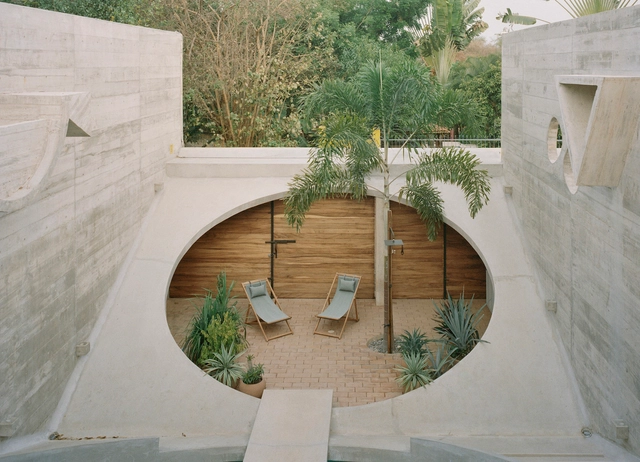
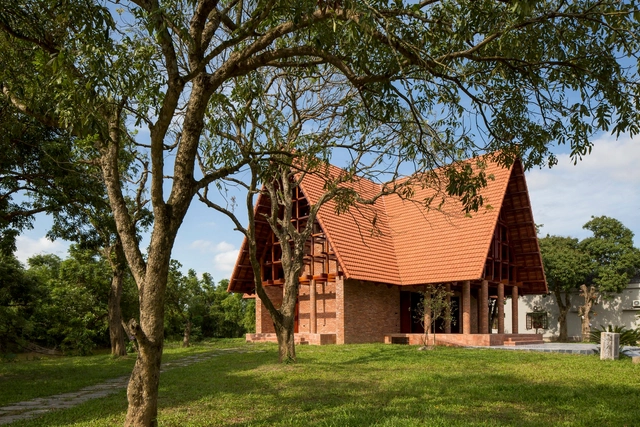
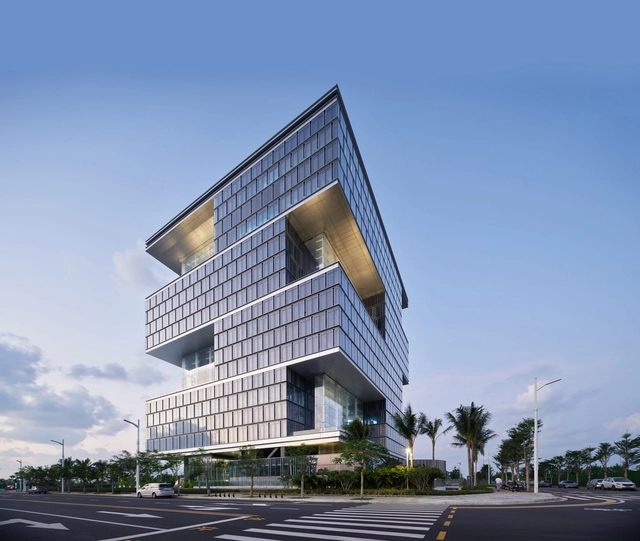
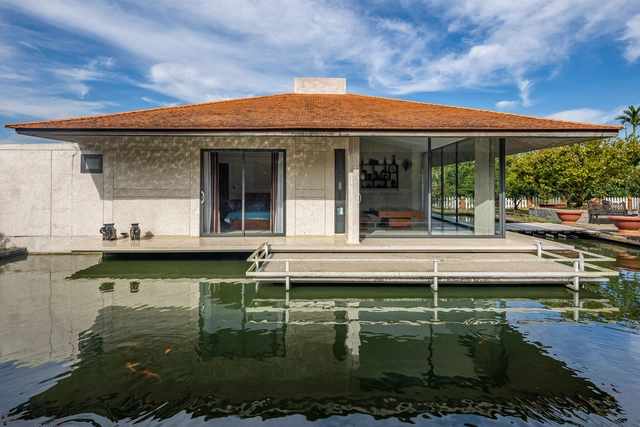
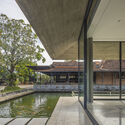
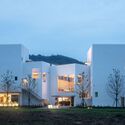
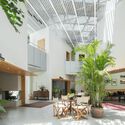
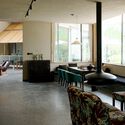
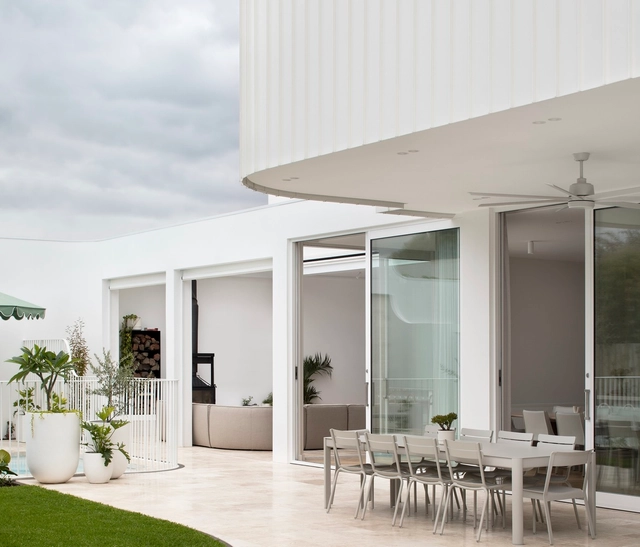
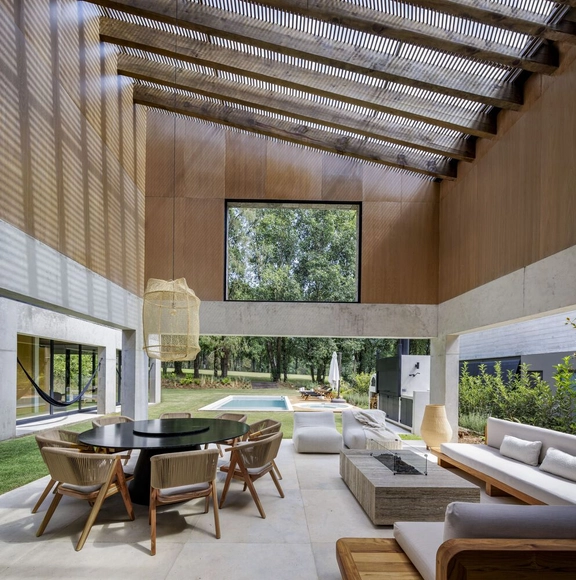
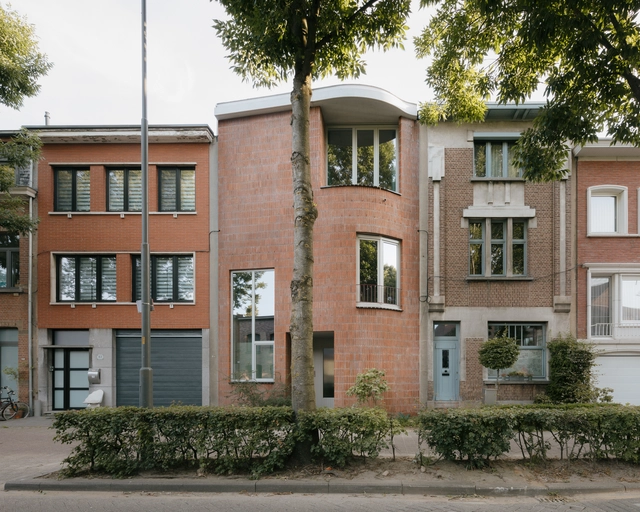
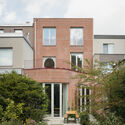
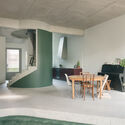
As part of our 2023: Year in Review retrospective, on ArchDaily we review and reflect over this years’ publications. Residential architecture continues to be one of the most visited categories when it comes to built architecture, sparking interest from our users all around the world.
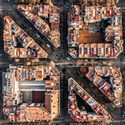
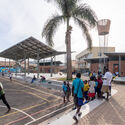
Los Angeles officials have voted on a motion to implement the first Park Block, a pilot project that creates a car-free grid of city streets to open up public space for pedestrians and cyclists, as reported by NBC Los Angeles. The plan takes inspiration from Barcelona’s Superblock program, which creates groups of nine blocks in the district of Eixample and restricts the traffic to the outside streets, freeing up the rest of the streets for pedestrian and local transit only. Implemented in 2016, the plan has led to reduced levels of air pollution, urban noise, and traffic fatalities. A similar program is now planned for Los Angeles, United States.
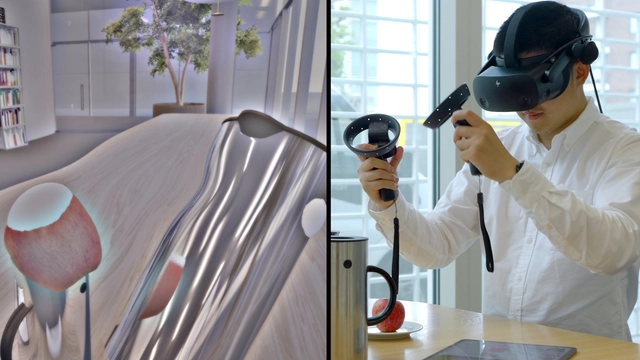
Foster + Partners Applied Research + Development team has created VARID (Virtual and Augmented Reality for Inclusive Design). Designed in collaboration with City, University of London (City) and UCL’s PEARL Lab, VARID is a design toolkit that uses virtual and augmented reality technologies. Its objective is to support academics, designers, and architects in better understanding how people with vision impairments perceive their environment.
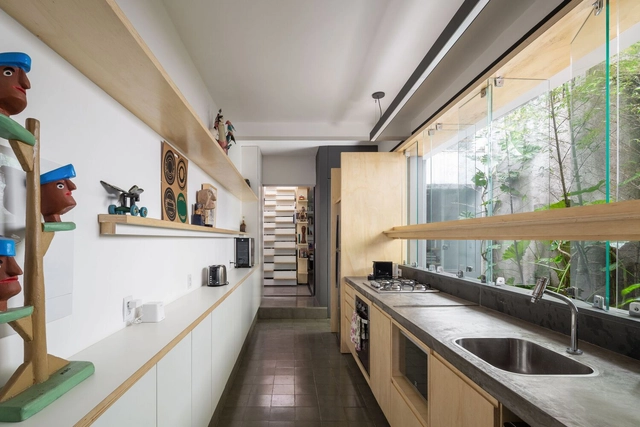
A needs program precedes every project. In certain typologies, specific activities are inherently linked to them. A meeting room in a corporate office, a collection in a museum, and bedrooms in a residence: the latter has a relatively well-defined basic needs program: bedrooms, living room, bathrooms, and kitchen. The size and arrangement of these elements in the space depend on various factors, but a house typically includes some combination of these essential components.
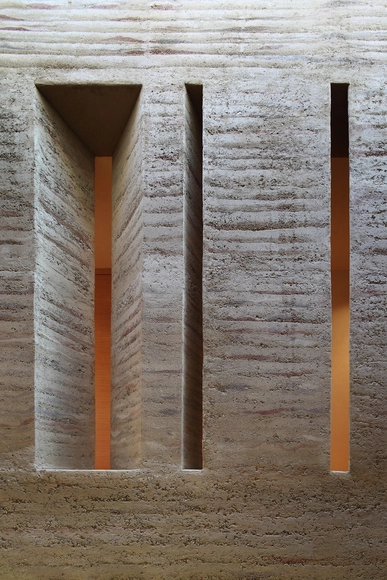
Rammed earth has been used in construction for thousands of years, with evidence of its use dating as far back as the Neolithic Period. Commonly used especially in China, the technique was applied to both ancient monuments and vernacular architecture, with the Great Wall utilizing the technique. Though interest in rammed earth declined in the 20th century, some continue to advocate its use today, citing its sustainability in comparison to more modern construction methods. Most notably, rammed earth structures use local materials, meaning they have low embodied energy and produce little waste. Below, we describe how to build with this material.
https://www.archdaily.com/933353/how-rammed-earth-walls-are-builtLilly Cao
Paul Clemence has released images of the Amaris mixed-use development in Washington D.C., one of the latest works completed by renowned Uruguayan American architect, Rafael Viñoly. The photographic series reveals a distinctively shaped curvilinear building opening towards public spaces along the Potomac River. The volume is created to accommodate residential units with generous views toward the surrounding landscape, marking the terminus point to a row of new buildings in The Wharf development.