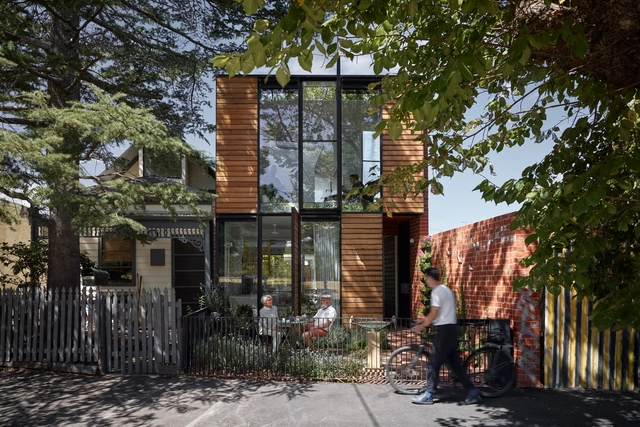



-
Architects: Austin Maynard Architects
- Area: 148 m²
- Year: 2024
-
Manufacturers: Fisher & Paykel, Dulux, Enzie, Faucet Strommen, GUBI, +5
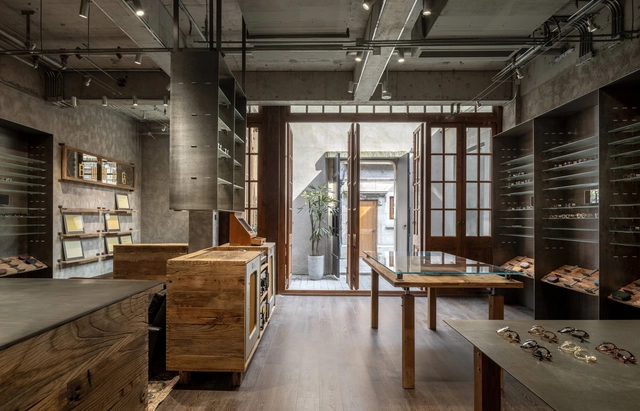

The Pantheon in Rome is a true architectural masterpiece and holds the title of the largest unreinforced concrete dome in the world. Among its most remarkable elements is the central oculus — an 8.2-meter-wide opening at the top of the dome that allows natural light to enter. This creates a dynamic play of light and shadow that shifts throughout the day, enhancing the grandeur of the structure. Beyond its practical function, the oculus establishes a symbolic connection between the earthly and the divine, reflecting the Pantheon's original purpose as a temple dedicated to all gods. In fact, toplighting, which introduces natural light from above through skylights, domes, or other upper openings, contrasts with traditional windows, which capture light horizontally. By capturing direct sunlight, toplighting provides soft, diffuse illumination, creating more welcoming environments with better energy efficiency and a positive impact on mood and productivity.
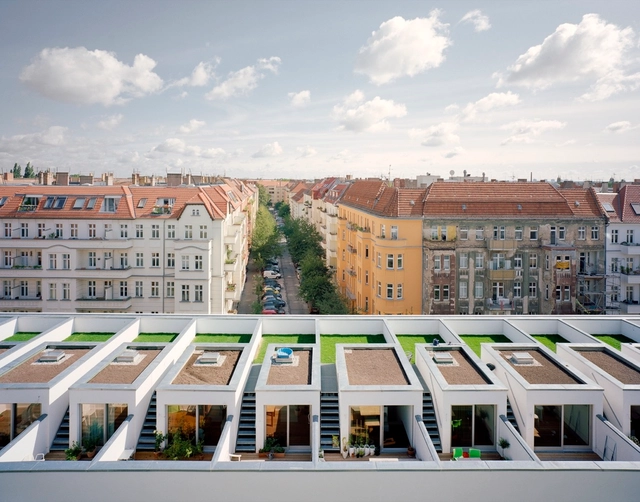
Designing a typical residential building rarely involves its future residents. Often created by property developers in response to predefined market demands, the projects are rarely optimized for livability. An emerging development system that began in Germany aims to change this dynamic and reposition the residents at the core of the new housing developments. The Baugruppe system, German for "building group," proposes an alternative approach to housing that allows groups of individuals to come together to design and construct their residential spaces, bypassing traditional developers to create personalized and sustainable living environments.

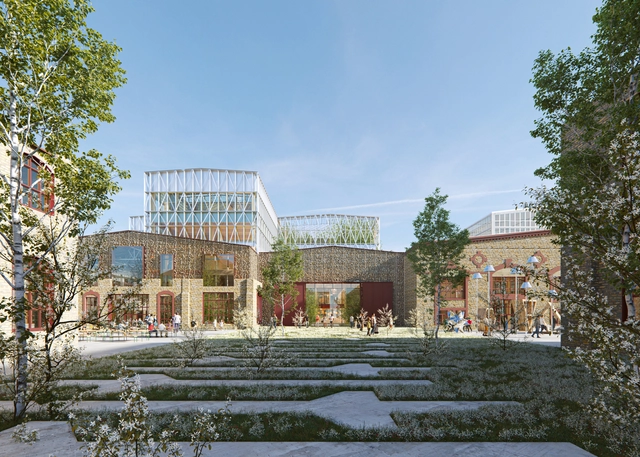
Danish architecture firm Cobe has announced a new project to transform the historic 'Krulli' steelworks, a large-scale former industrial site in Estonia's capital, into a mixed-use city district. The strategy for the project is developed to optimize for material reuse, as materials, components and even entire buildings have been evaluated for their potential to be reintegrated into the scheme. This way, the decommissioned industrial area provides the foundation for an innovation hub, maintaining its history while adapting to the necessities of modern workspaces and city life.
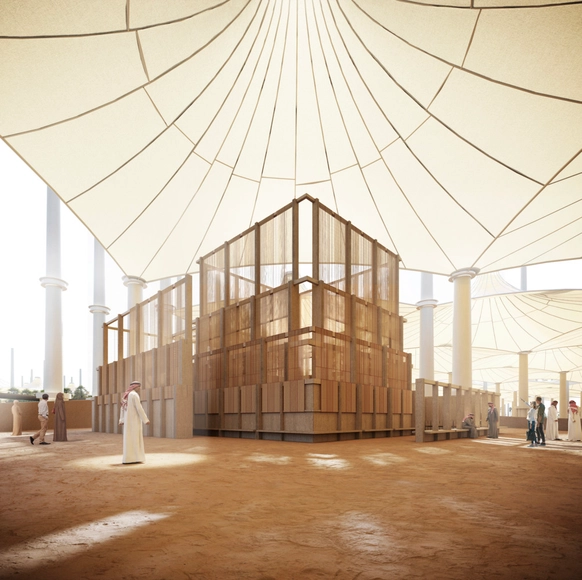
The Diriyah Biennale Foundation has announced Lebanon-based EAST Architecture Studio, in collaboration with artist Rayyane Tabet and engineering firm AKT II, as the winners of the inaugural AlMusalla Prize, a significant new architectural competition launched as part of the Islamic Arts Biennale. Their winning design, a modular structure inspired by regional weaving traditions, uses sustainable materials derived from local date palm waste, including palm fronds and fibers. After the four-month Biennale, the Musalla will be dismantled and reassembled at a new location.
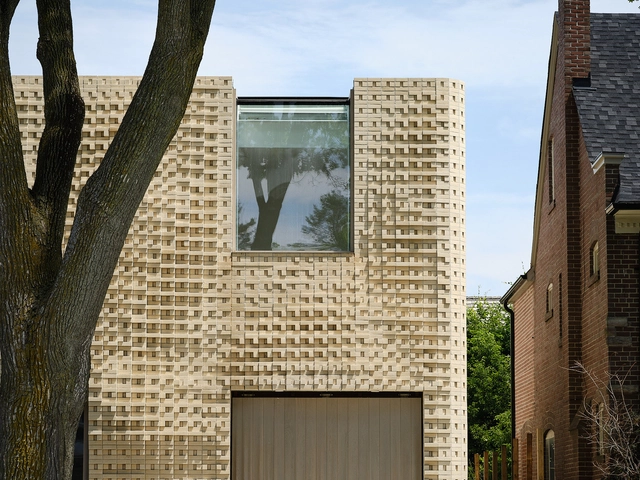
Canada's climate is known for its dramatic contrasts, ranging from frigid winters to hot summers. Large metropolitan areas such as Toronto, Montreal, and Vancouver experience a variety of extreme weather conditions: heavy snowfall, ice storms, and freezing temperatures are common. In some cases, temperatures can plummet to below -30 degrees Celsius, especially in cities like Montreal or Quebec. In turn, this weather creates certain challenges for architects and engineers when designing with certain materials. In this context, brick remains a popular construction material not only because of its relatively low thermal conductivity, making it a good insulator during the winter but also because of its connection to the country's architectural heritage.
While brick was once a primary load-bearing material, its role has shifted in modern architecture to being used predominantly for non-bearing walls and exterior cladding. This allows architects to experiment with brick as a texture and design feature, rather than focusing on its structural capabilities. Even though the climate does influence material choices, brick's historical significance and its ability to create intricate textures and patterns in facades make it a compelling choice for contemporary projects across Canada. Modern architects are constantly finding new ways to reinterpret this classic material, exploring various bond layouts and surface textures that add aesthetic richness while ensuring the buildings remain resilient to extreme weather conditions.