

-
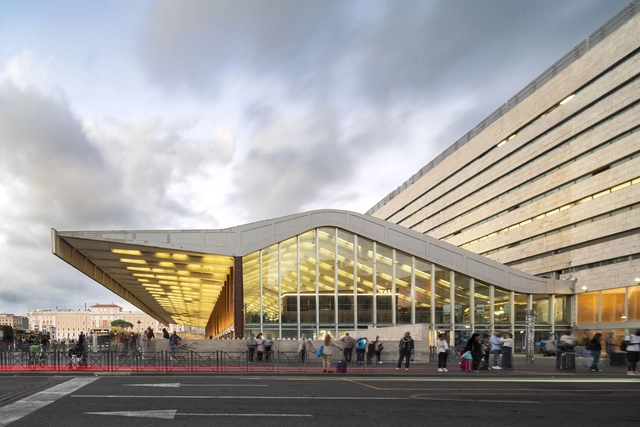
Architects: Studio Gang
- Area: 2365 m²
- Year: 2024
-
Manufacturers: DCW EDITIONS, Arte Home, Balsan, Forbo, HORIZONS, +18
-
Professionals: Semapa, Artelia Group, OLM Paysagistes, Egis Group, AVLS, +3


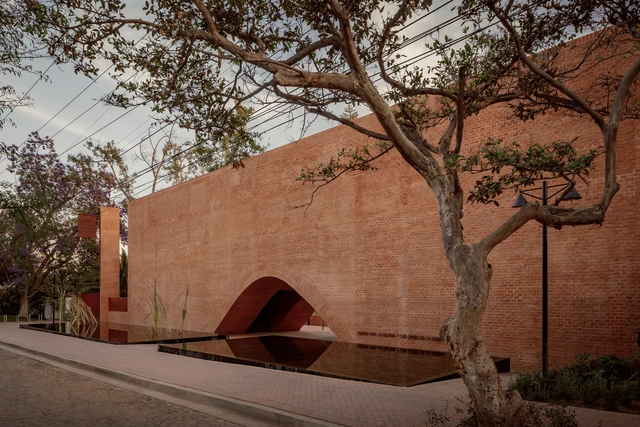
From December 2 to 6, the XIII Ibero-American Biennial of Architecture and Urbanism (BIAU) will be held in Lima, Peru, under the theme CLIMATE: Actions for Good Living. Since 1998, the BIAU, promoted by the government of Spain through the Ministry of Housing and Urban Agenda (MIVAU), in collaboration with the Higher Council of the Colleges of Architects of Spain and with the support of the ARQUIA Foundation, aims to disseminate good practices in architecture and urbanism in Ibero-America, fostering a space for discussion around contemporary challenges shared between Spain and Latin America. Weaving bridges of knowledge between both continents, the BIAU opens its doors once again, now in Lima.
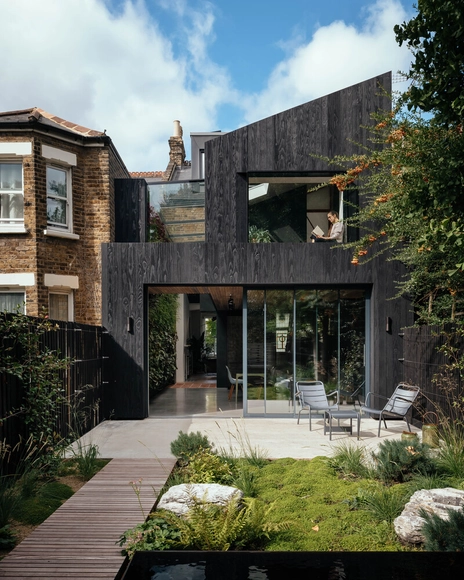
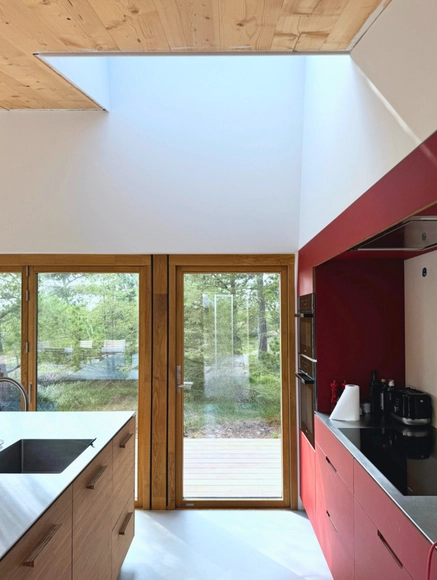
In architecture, it's often the finer details that make the grandest impact. Across the ages, architects have carefully oriented buildings to balance function and aesthetics, with light as their guiding principle. The pursuit of perfect lighting in buildings dates back to medieval times—and the search continues. It turns out that simply allowing light into a space isn't enough; it's the direction and quality of that light that truly elevates the environment.
This year, the VELUX Nordic Architecture Competition—aptly titled "Daylight from Above"—invited architects from Denmark, Sweden, and Norway to explore the nuances of natural light in residential design. The competition urged them to craft spaces where light plays a starring role, sculpting interiors that shift and change with the hours and seasons. The aim? To create homes where light doesn't just brighten a space but elevates the experience of living in it..

MVRDV has partnered with KLABU, a social enterprise based in Amsterdam, to design a modular, multi-functional clubhouse aimed at supporting refugees. This collaboration, which began in 2022, is founded on the belief that sports can play a pivotal role in helping individuals rebuild their lives, fostering joy, pride, and hope. KLABU's initiative involves constructing clubhouses within refugee camps, settlements, and urban areas, where they serve as community hubs offering access to sports equipment, activities, and connectivity through Wi-Fi and TV broadcasts.
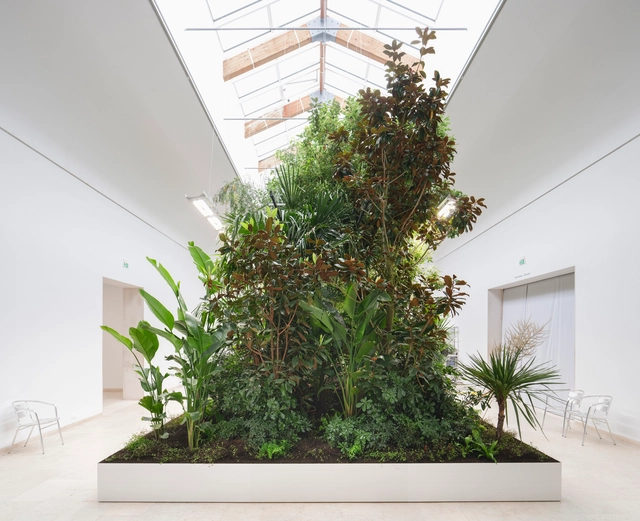
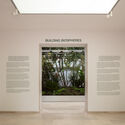
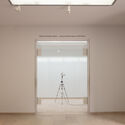
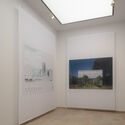
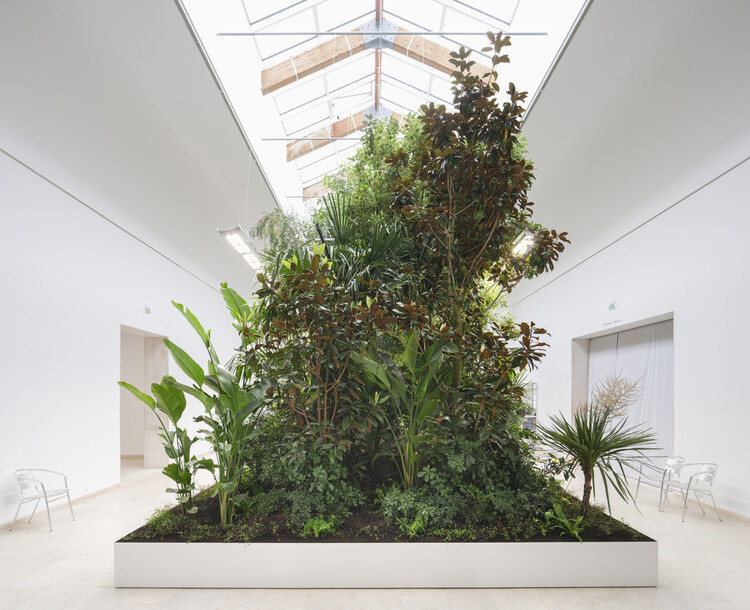
The 19th Biennale Architettura, which opened in Venice on May 10th, 2025, sees the Belgian pavilion transformed by an exhibition titled "Building Biospheres," curated by a team comprising landscape architect Bas Smets and biologist Stefano Mancuso. Initiated by the Flemish government and the Flanders Architecture Institute, this thought-provoking exhibit explores a transformative approach to architecture through the lens of plant intelligence.
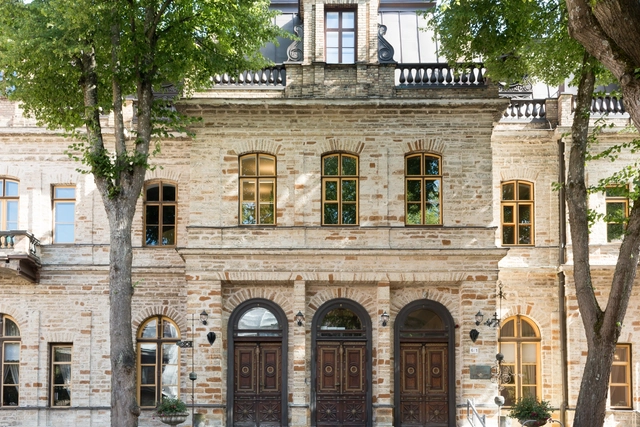
In the heart of Tallinn, where history weaves through cobblestone streets and ancient towers, stands the Ungern-Sternberg Palace — a monument that bridges the opulent past of Estonia's aristocracy with the vibrant world of contemporary academia. Now home to the Estonian Academy of Sciences, this historic building embodies Estonia's enduring dedication to knowledge and cultural preservation. Through Open House Tallinn, which highlights the city's architectural heritage, the palace's significant history, and remarkable architectural details are brought to a wider audience, offering unique insight into Estonia's cultural resilience.
Constructed in the 19th century as a symbol of aristocratic power, the palace has transformed from a private residence into a national hub of intellectual life. Its grand halls, once the scene of lavish gatherings, now foster scientific and academic pursuits, illustrating how heritage architecture can evolve alongside societal change.

Art has long been perceived as elitist, an image solidified by its deep ties to power and wealth. In ancient times, works of art were status symbols reserved for rulers and religious figures, while the Renaissance marked a period in which wealthy patrons like the Medici family promoted art as a tool of social and political prestige. In the 17th century, with the rise of art academies, strict standards were established for what was considered "high culture," further distancing art from the masses.
By the 19th century, the art market had become shaped by private collectors and commercial galleries who viewed art as a luxury product, accentuating its exclusivity and making accessibility a secondary issue. Artistic movements like Impressionism, Modernism, and street art challenged the elitism of art, broadening its reach and questioning its institutional exclusivity. While the contemporary system remains dominated by wealthy collectors and a market that prioritizes profit over accessibility, there are still initiatives aiming to change this dynamic.