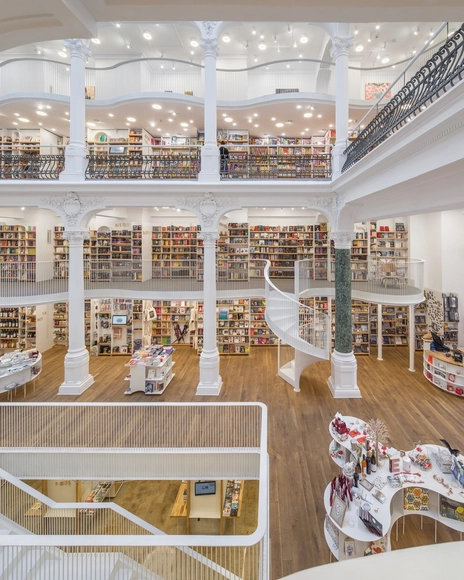



- Area: 1000 m²
- Year: 2015
-
Professionals: Capitel Avangarde, Pop & Asociatii



.gif?1473805743)


“Belonging,” the curatorial quintet of the 2016 Oslo Architecture Triennale, After Belonging, argue, “is no longer something bound to one’s own space of residence, or to the territory of a nation.” For this group of Spanish-born architects, academics and theorists—Lluís Alexandre Casanovas Blanco, Ignacio Galán, Carlos Minguez Carrasco, Alejandra Navarrese Llopis and Marina Otero Verzier—the very notion of our belongings and what it means to belong is becoming increasingly unstable.
After Belonging is the sixth incarnation of the Triennale and the first one in which a single curatorial thread has woven all of the festival’s activities together, including the international conference. The goal of the two primary exhibitions—On Residence and In Residence, including a series of Intervention Strategies—is to develop platforms with the aim of “rehearsing research strategies,” providing new ways for architects to engage with “contemporary changing realities."

The UK Government and Malcolm Reading Consultants have announced today an international competition for the design of a new National Memorial to commemorate the events of the Holocaust.
To be located next to Parliament in Victoria Tower Gardens in London, the new national landmark will "demonstrate the UK’s commitment to honouring the victims and survivors of the Holocaust, providing a place for quiet reflection as well as large-scale national commemorations." The competition brief also calls for the design of a potential below-ground learning center to accompany the memorial, which would provide visitors with the opportunity to learn more about the history of the Holocaust and the context of the memorial itself.
.jpg?1473164209&format=webp&width=640&height=580)
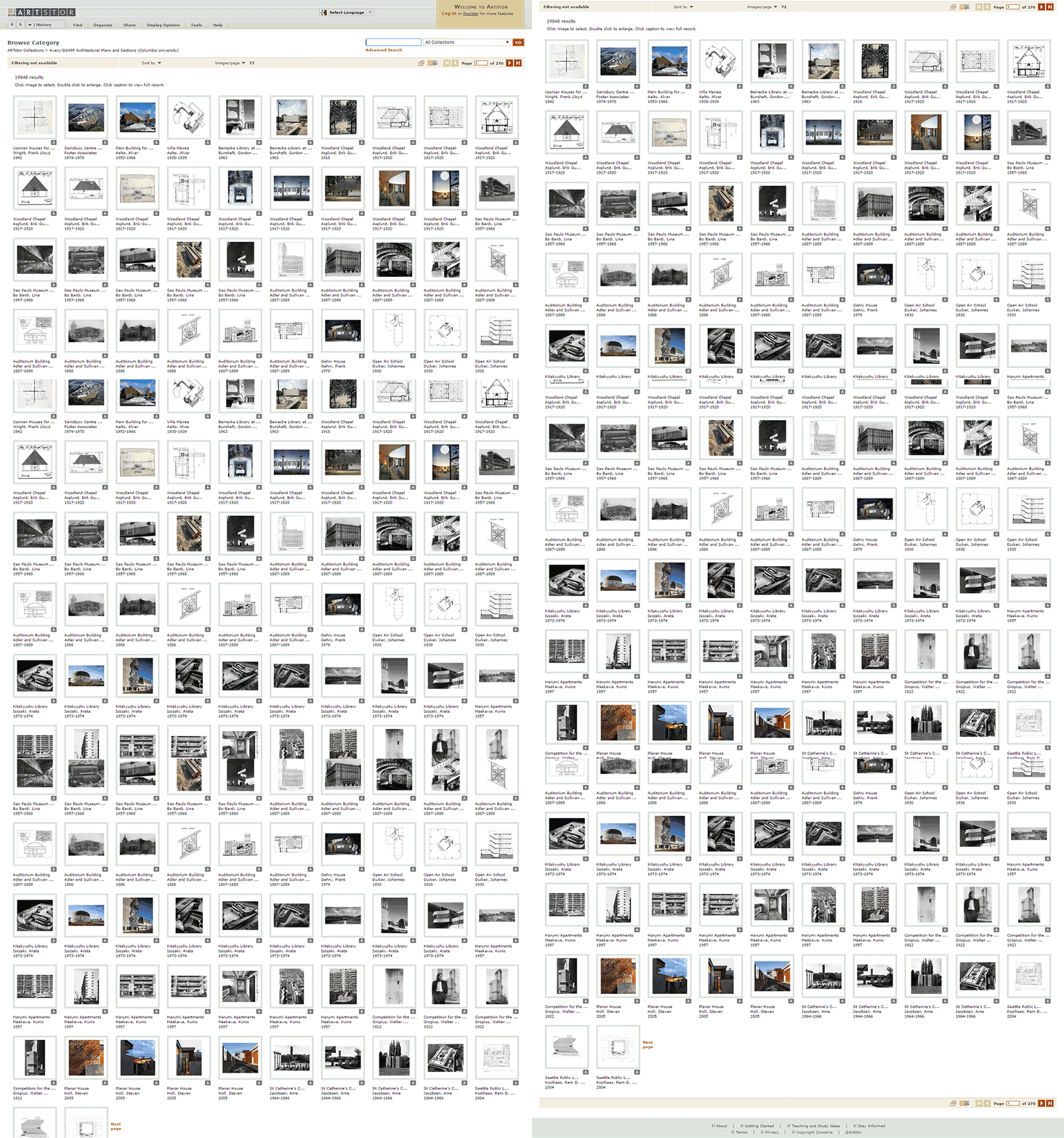
The Visual Resources Collection (VRC) at the Columbia University Graduate School of Architecture, Planning and Preservation (GSAPP) has released the second phase of their online database, now containing 20,000 images of architectural plans, sections, diagrams and photographs. The Avery/GSAPP Architectural Plans & Sections Collection contains images related to GSAPP’s history of modern architecture curriculum, which focuses on the history of modern buildings, with an emphasis of 20th century Modernism.
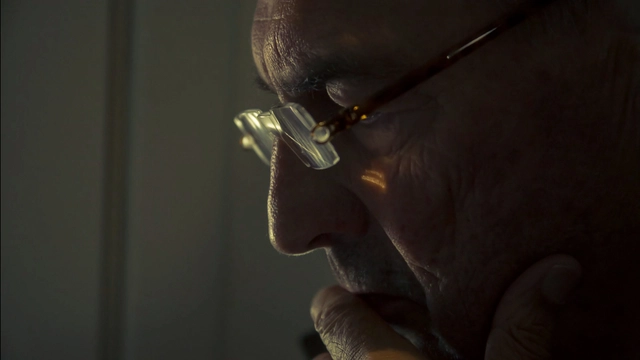
In the canon of great Dutch architects sit a number of renowned practitioners, from Berlage to Van Berkel. Based on influence alone, Rem Koolhaas—the grandson of architect Dirk Roosenburg and son of author and thinker Anton Koolhaas—stands above all others and has, over the course of a career spanning four decades, sought to redefine the role of the architect from a regional autarch to a globally-active shaper of worlds – be they real or imagined. A new film conceived and produced by Tomas Koolhaas, the LA-based son of its eponymous protagonist, attempts to biographically represent the work of OMA by “expos[ing] the human experience of [its] architecture through dynamic film.” No tall order.
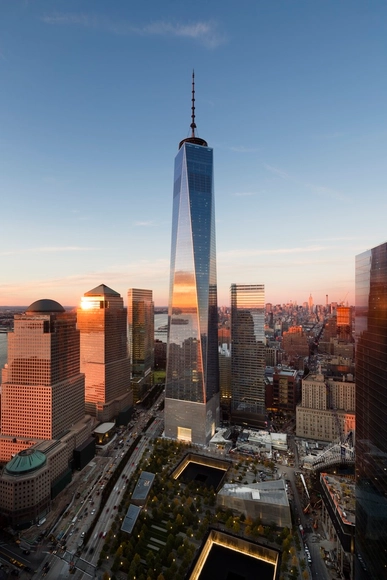

Excavation is usually a bane for real estate developers. To make way for new buildings, truckloads of excavated waste are removed from site in a noisy, time-consuming and gas-guzzling process. Exploring a more sustainable solution, the California-based company Watershed Materials have developed an onsite pop-up plant which repurposes excavated material right at the job site to create concrete masonry units (CMUs) used in the development. By eliminating truck traffic, reusing waste and reducing imported materials, the result is a win for the environment.

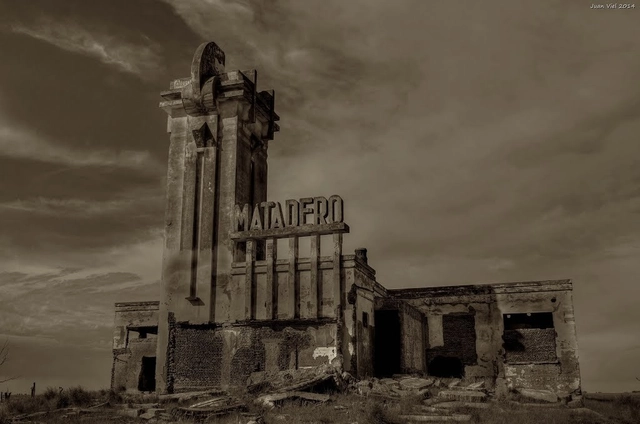
Small stories and architectonic practices that existed in each character filled village and provinces in Buenos Aires are here rescued by Juan Viel when he captures their atmospheres and particularities through his camera.
The variety of images and their subjects invite us to reflect on the substance and architectural heritage in these small Argentinian towns, and to think about the places where we live.

Within the Buenos Aires neighborhood of Palermo in a park designed by the French landscape architect Charles Thays, the Parque 3 de Febrero (February 3rd Park) , sits the Galileo Galilei Planetarium. Inaugurated on December 20, 1966, it was born of the idea of human evolution and the need to show it in architecture. The building exists as an instrument or bridge between the scientific world and the citizens of the city of Buenos Aires.
Designed by Argentine architect Enrique Jan, the building establishes a relationship between astronomy and architecture through its shared components: mathematics and geometry. Thanks to its location and unique shape, it is currently one of the iconic images of the city and the scene of many scientific, cultural, and festive events.




.jpg?1473857814)
.jpg?1473857547 "Courtesy of EMBT")
.jpg?1473857593 "Courtesy of EMBT")
.jpg?1473857746 "Courtesy of EMBT")
.jpg?1473857854 "Courtesy of EMBT")
.jpg?1473857814)


.jpg?1473805902)




.jpg?1473164386 "© Fernando Guerra | FG+SG")
.jpg?1473164901 "© Fernando Guerra | FG+SG")
.jpg?1473164155 "© Fernando Guerra | FG+SG")
.jpg?1473164544 "© Fernando Guerra | FG+SG")
.jpg?1473164209)