.jpg?1474622823 "© WeAreContents")

.jpg?1474622635 "© WeAreContents")
.jpg?1474622880 "© WeAreContents")

-
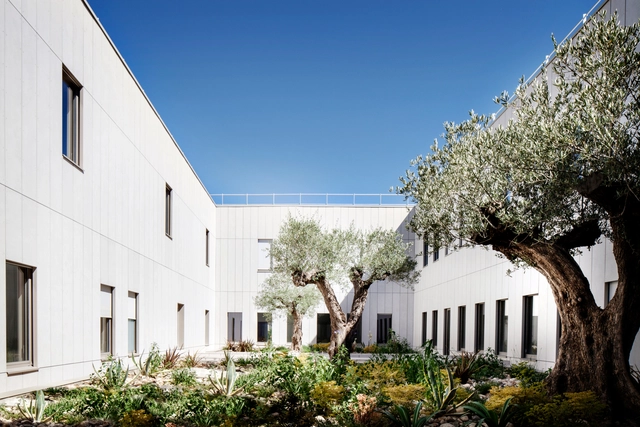
Architects: Ateliers 2/3/4/
- Area: 8057 m²
- Year: 2016
-
Manufacturers: Delta Préfabrication, Etex Colombia, Schüco
-
Professionals: Tournesol, Guliver design, CET



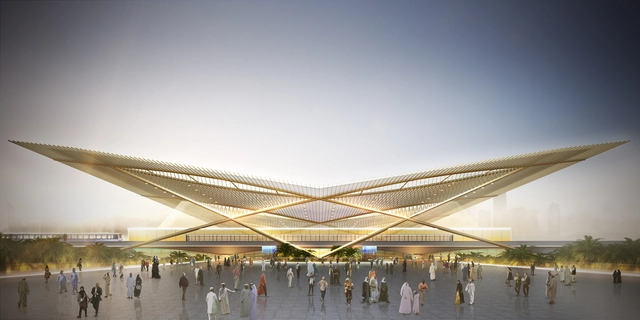
London-based Weston Williamson+Partners (WW+P) has won the “Route 2020” competition for the Expo 2020 Dubai rail link, a 15-kilometer, £2.2 billion metro Expolink in the United Arab Emirates.
Working in collaboration with global engineer CH2M, Alstom, and Acciona and Gulermack, the firm was selected ahead of ten rival bids for the high-profile project, which will connect Nakheel Harbor & Tower with the World’s Fair site.


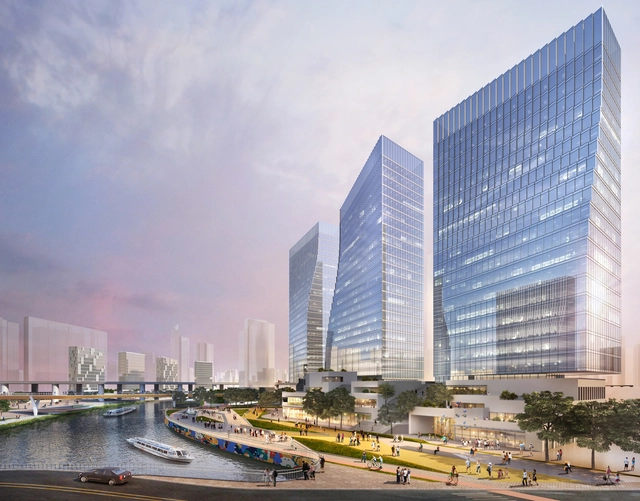
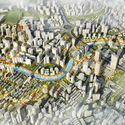
U.S.-based firm Sasaki has won the international competition to redesign Suzhou Creek—also known as the Wusong River—in Shanghai, China, which was historically one of the city’s most vital water routes, but which, in recent decades, suffered severe pollution and neglect. After receiving a grant from the Asian Development Bank, the waterway has been cleaned and is now in the process of becoming a new centerpiece for Shanghai.
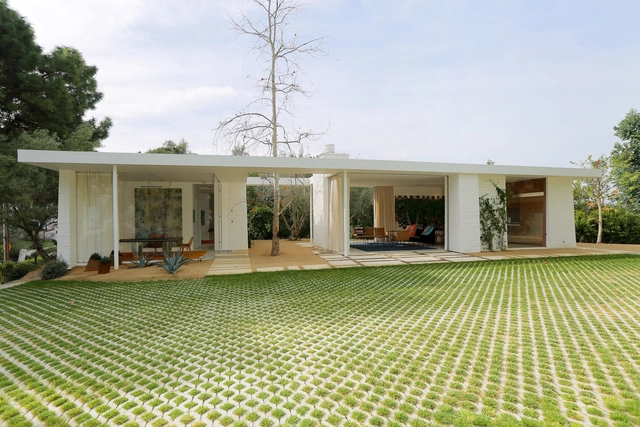
After working for OMA, BIG, FR-EE and REX, architect-turned-artist Se Yoon Park has dedicated the last three years to Light, Darkness, and the Tree, a sculpture series employing digital fabrication techniques to express an allegory for life. With assistants, Vladislav Markov, Kelly Koh, David Temann Lu, Ramon Rivera, Kara Moats, and Insil Jang, Park uses dynamic light and shadow to capture movement on surfaces that contort, split and disappear into each other.
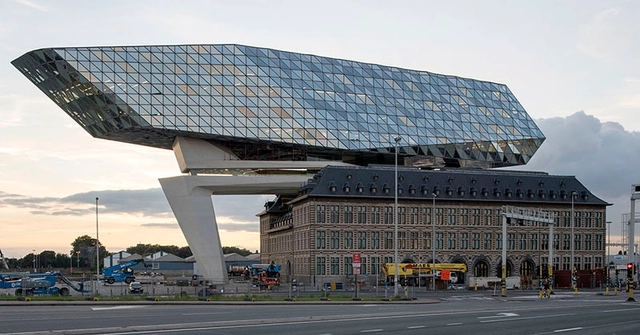
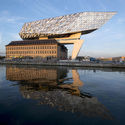
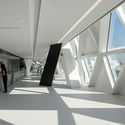
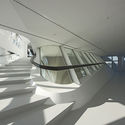
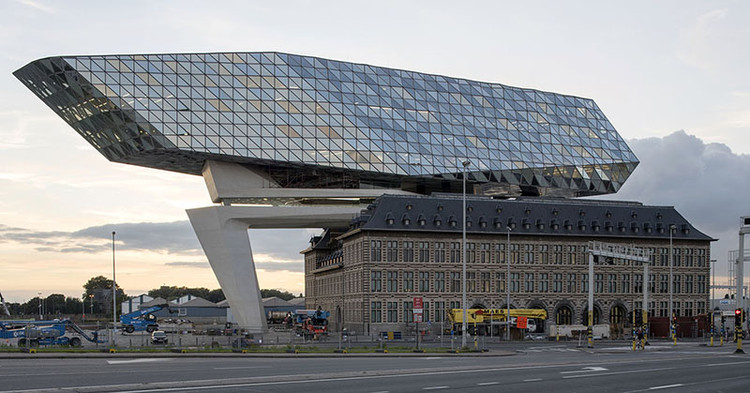
Opening to much fanfare earlier this week, Zaha Hadid Architects' Port House holds a commanding presence over the port of Antwerp. The design combines a listed and formerly derelict fire station, which was restored as part of the project, with an eye-catching glass extension which rises out of the older building's courtyard and thrusts itself towards the water in a dramatic cantilever. In the context of the port, where large infrastructure and colossal machines form the backdrop to everyday functions, the building boldly stakes its claim as the operational centerpiece, providing a space for the Port of Antwerp's 500 employees. Photographer Thomas Mayer visited the building, capturing its striking external presence and investigating how its structural gymnastics translate to the building's internal space.
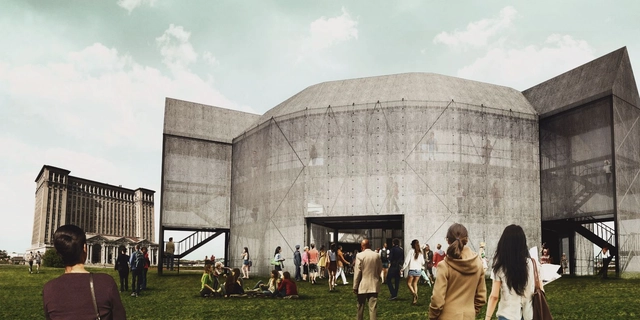
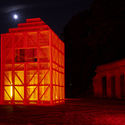
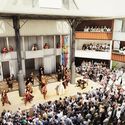
All the world’s a stage – quite literally so, in the case of the Container Globe, a proposal to reconstruct a version of Shakespeare’s famous Globe Theatre with shipping containers. Staying true to the design of the original Globe Theatre in London, the Container Globe sees repurposed containers come together in a familiar form, but in steel rather than wood. Founder Angus Vail hopes this change in building component will give the Container Globe both a "punk rock" element and international mobility, making it as mobile as the shipping containers that make up its structure.

In this video from CNN Style, London designers Edward Barber and Jay Osgerby discuss Forecast, a wind-powered installation they created in collaboration with V&A Museum for the first London Design Biennale. With the intent to help city residents find their way “at a time of turbulence,” the installation responds to the Biennale's theme "Utopia by Design."

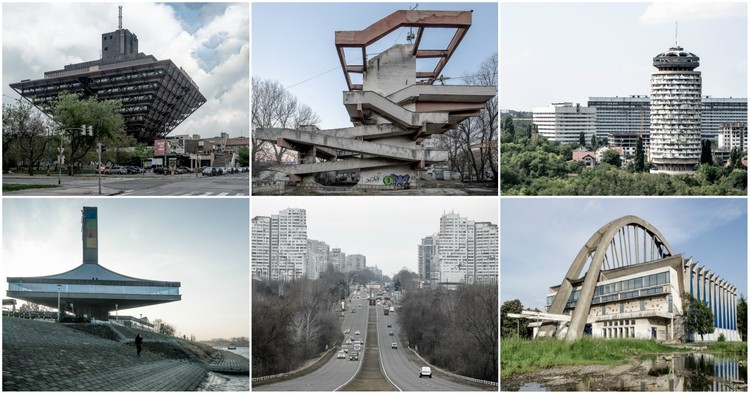
Recent years have seen a rapidly increasing interest in the architecture of the former Soviet Union. Thanks to the internet, enthusiasts of architectural history are now able to discover unknown buildings on a daily basis, and with the cultural and historical break caused by the collapse of the Soviet Union, each photograph of a neglected and decaying edifice can feel like an undiscovered gem. However, often it can be difficult to find more information about these buildings and to understand their place in the arc of architectural history.
That was the reason behind the creation of Socialist Modernism, a research platform started by BACU - Birou pentru Artă şi Cercetare Urbană (Bureau for Art and Urban Research) which "focuses on those modernist trends from Central and Eastern Europe which are insufficiently explored in the broader context of global architecture." Socialist Modernism already consists of a website on which BACU has cataloged a number of remarkable and little-known buildings. However, now the team is raising funds on Indiegogo's Generosity platform for the next step in their research project. With this money they hope to create an app on which users can add new sites and buildings to the database.
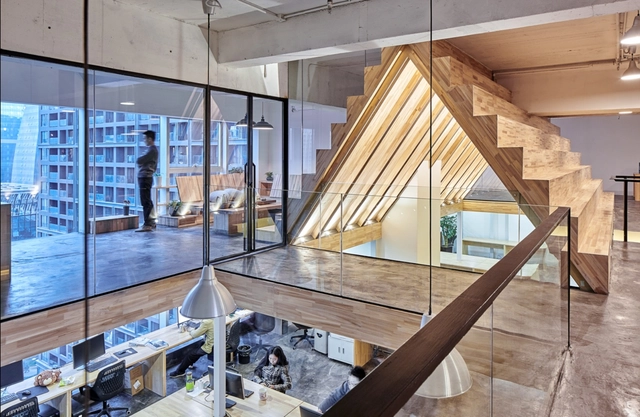
Take a walk through the Hub Performance and Exhibition Center, designed by Neri&Hu Design and Research Office, in the dynamic Hongqiao District of Shanghai, China. The video, produced with Pedro Pegenaute, showcases the Center's nature-inspired interior, featuring dramatic lighting and views framed by walnut- and oak-covered aluminum branches recalling forest canopies.
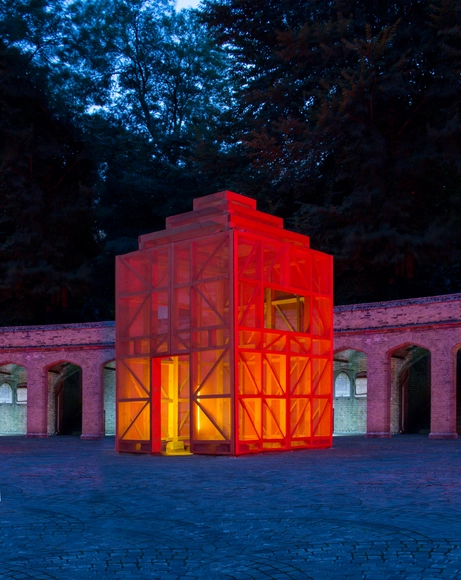
Sam Jacob Studio has created a replica of Adolf Loos’ unrealized 1921 mausoleum in Highgate Cemetary, London, which is home to the graves of Karl Marx and Malcolm McLaren, amongst other notable figures.
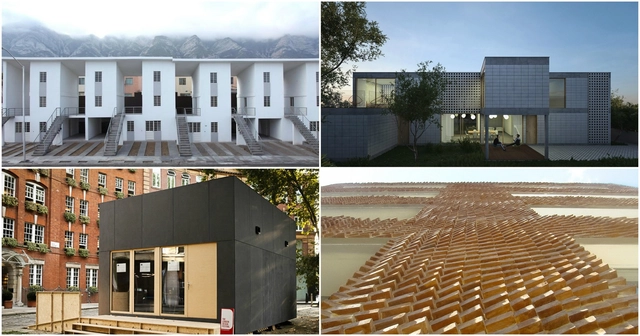
In architecture, perhaps the most remarkable change heralded by the 20th was the radical rethinking of housing provision which it brought, driven by a worldwide population explosion and the devastation of two world wars. Of course, Modernism’s reappraisal of the design and construction of housing was one part of this trajectory, but still Modernism was underpinned by a traditional process, needing clients, designers and contractors. Arguably more radical were a small number of fringe developments, such as mail-order houses in the US and Walter Segal’s DIY home designs in the UK. These initiatives sought to turn the traditional construction process on its head, empowering people to construct their own homes by providing materials and designs as cheaply as possible.
In the 21st century, the spirit of these fringe movements is alive and well, but the parameters have changed somewhat: with a rise in individualism, and new technologies sparking the “maker movement,” the focus has shifted away from providing people with the materials to construct a fixed design, and towards improving access to intellectual property, allowing more people to take advantage of cheap and effective designs. The past decade has seen a number of initiatives aimed at spreading open source architectural design--read on to find out about five of them.










.jpg?1474243524 "Globe in Waitangi Park, Wellington NZ. Image Courtesy of The Container Globe")