-
Architects: Vector Plinth
- Area: 102 m²
- Year: 2020



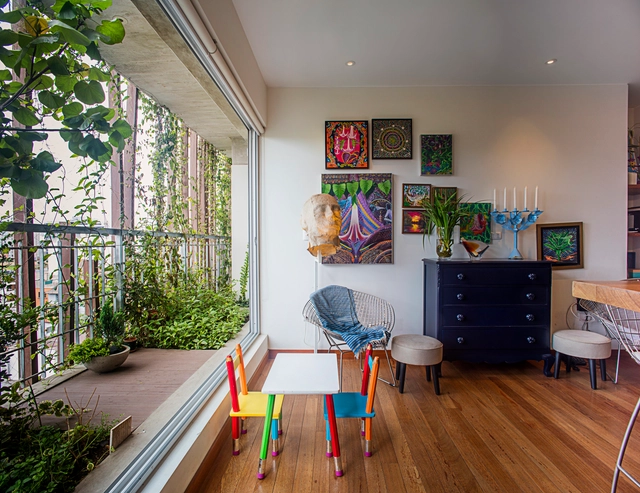
Urban living has become synonymous with limited space and creativity for compact apartments. As cities become more dominated by concrete and steel, there is an exciting, yet unsurprising, rise in interest in embracing the green thumb, even within the constraints of a dense urban environment. This interest is not purely to tend aesthetic tastes, as studies consistently show that exposure to nature reduces stress, improves focus, and enhances overall well-being. However, in dense urban environments, the challenge lies in finding innovative ways to make this vision a reality for apartments where every inch matters.
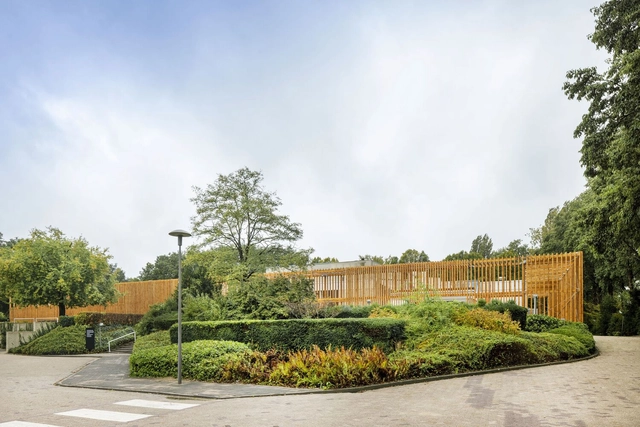
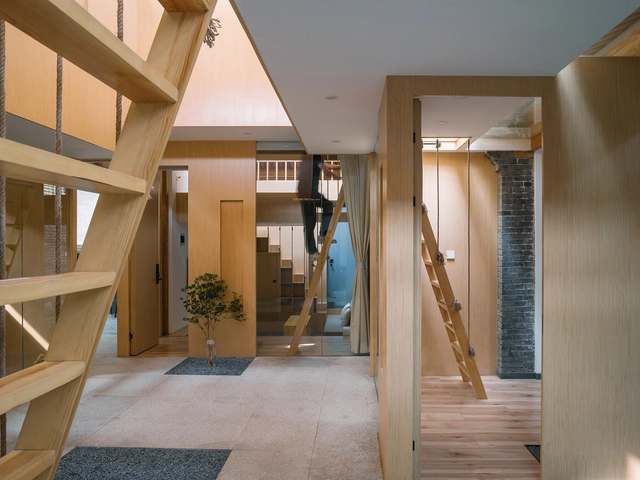
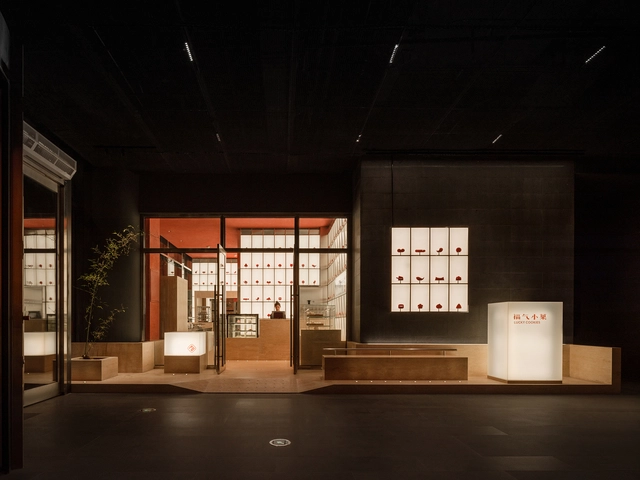
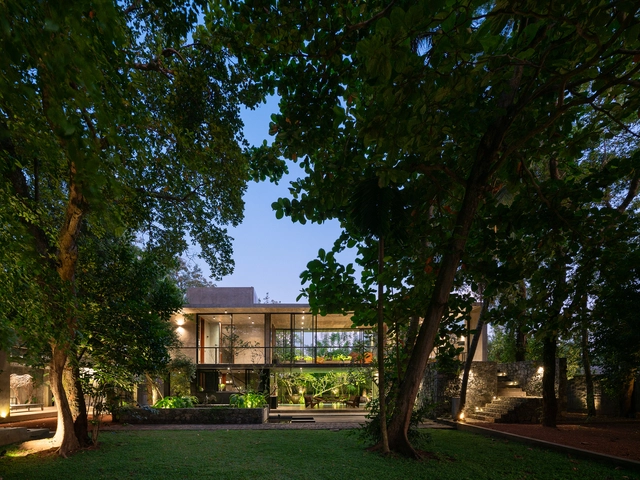

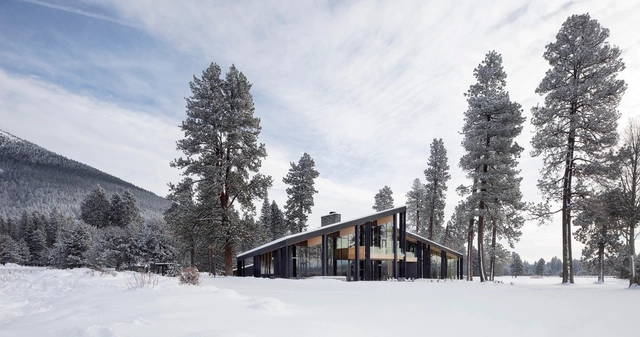
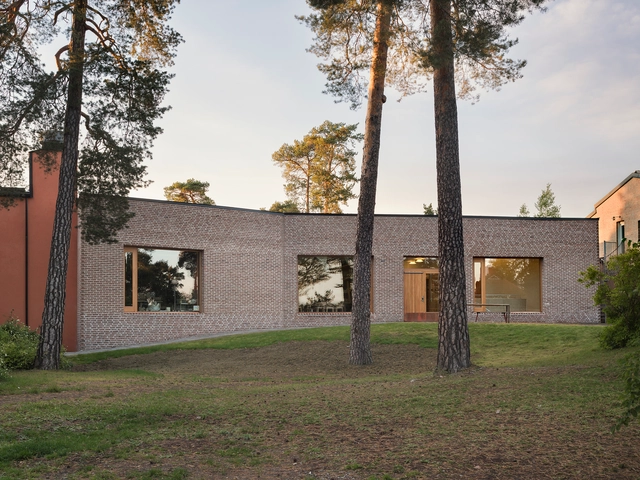

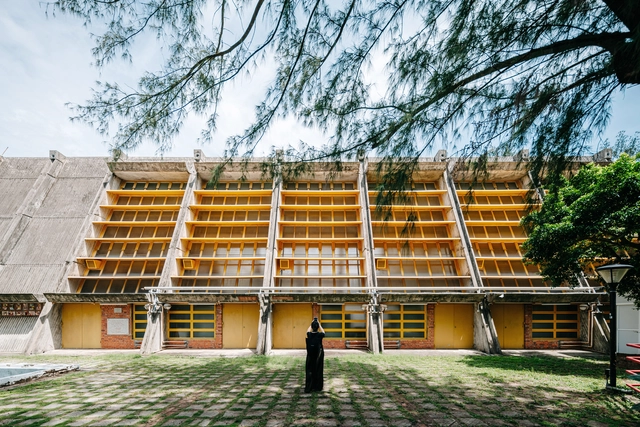
Modernism in architecture emerged at the beginning of the twentieth century, fueled by advancements in science and engineering and a deliberate departure from historical styles. It championed a focus on social equity, urban development, efficiency, and functional design, marking a significant shift in architectural philosophy. Originating primarily in Europe and the United States, modernism captivated the global imagination with its innovative redefinition of space and architecture. Its spread to Asia was facilitated by cross-cultural exchanges—East Asian architects who studied under prominent modernists and European architects working in East Asia through international collaborations or colonial-era influences.

What is better: a city planned from scratch or one that forms spontaneously? In popular imagination, there is a belief that if a city was planned from the beginning, it must be better or more organized than others. In practice, however, this does not guarantee a city's success.
Cities like Tamansourt in Morocco, Songdo in South Korea, and King Abdullah Economic City in Saudi Arabia serve as cautionary examples of planning a new city from scratch only to struggle to attract the expected number of residents. These projects involved significant investment (both operational and financial) in urban design, space, and infrastructure but overlooked the fundamental economic reasons why cities exist.
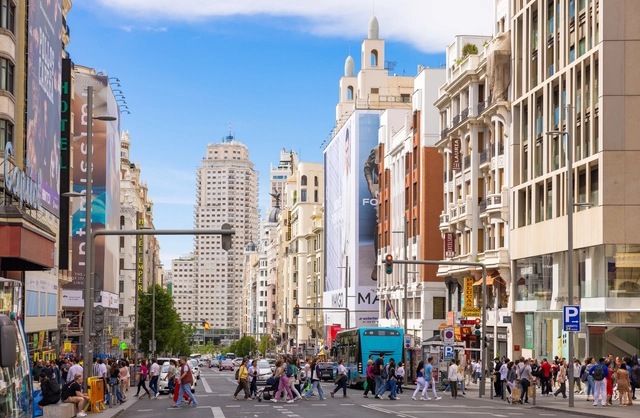
It is almost impossible to talk about Madrid, the Spanish capital, which, in addition to its obvious tourist appeal and its leadership as the most visited city in the country—followed by Barcelona—is inseparable from its long history and evolution up to the present day. In 2024, Madrid welcomed over 11.2 million visitors, accounting for approximately 11.9% of the total tourists who came to Spain that year. Much of the city's identity, the uniqueness of each of its neighborhoods, and the new areas developed over the years are deeply linked to growth that, although planned and modernized in many aspects, has managed to preserve the diverse character that defines its urban essence.