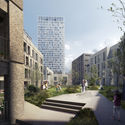
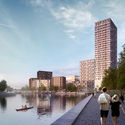
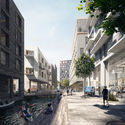
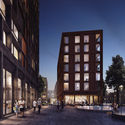
Rotterdam-based Barcode Architects have designed a new 110-meter-tall triangular shaped residential tower to become an icon in the city’s skyline. The tower, which has been named CasaNova, features a large plinth and a building base which tapers down four stories to meet the ground with a sharp angular form.
There's an old, weary tune that people sing to caution against being an architect: the long years of academic training, the studio work that takes away from sleep, and the small job market in which too many people are vying for the same positions. When you finally get going, the work is trying as well. Many spend months or even years working on the computer and doing models before seeing any of the designs become concrete. If you're talking about the grind, architects know this well enough from their training, and this time of ceaseless endeavor in the workplace only adds to that despair.
Which is why more and more architects are branching out. Better hours, more interesting opportunities, and a chance to do more than just build models. Furthermore, the skills you learn as an architect, such as being sensitive to space, and being able to grasp the cultural and societal demands of a place, can be put to use in rather interesting ways. Here, 3 editors at ArchDaily talk about being an architect, why they stopped designing buildings, and what they do in their work now.
This year Canal180 will host the 180 Creative Camp for the 7th time. An 8-day creative boot camp happening in Abrantes, Portugal, from 1st to 8th July. We provide time and place for young creators and invited artists to learn from each other, exchange experiences and create new projects together.
Modernity certainly does not have to be characterized by ugliness, but we may well have to make some revisions in our standards of beauty. — Edward J. Logue
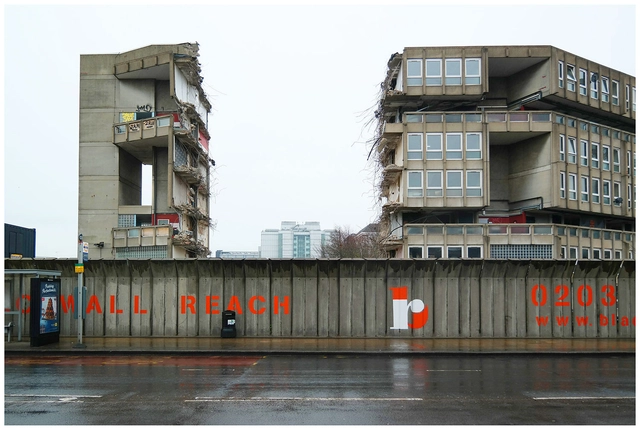
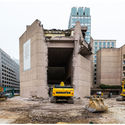
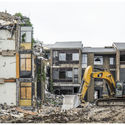
pinkcomma gallery is proud to present Brutal Destruction, photographs of concrete architecture at the moment of its demise. The exhibit is curated by Chris Grimley of the architecture office over,under. The exhibit opens 12 April, 2018 from 6–9 p.m., and the will be on display through May 03, 2018.
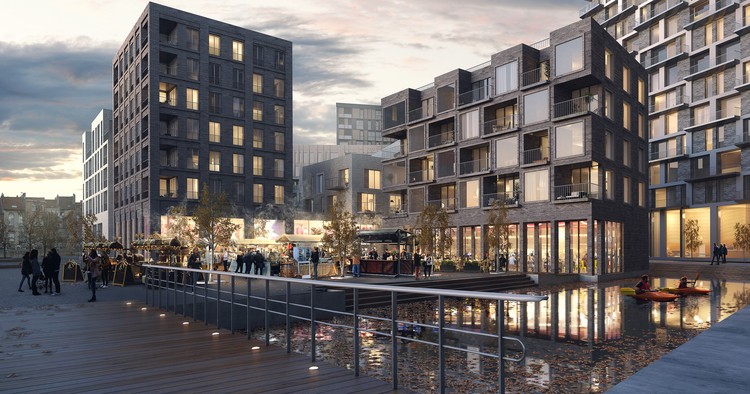
Like many European cities, Brussels is moving towards a post-industrial economy, giving new opportunities to old industrial areas such as the Canal Zone. The Henning Larsenredevelopment seeks to remodel the area as an urban center, tying the urban areas west of the canal to central Brussels.
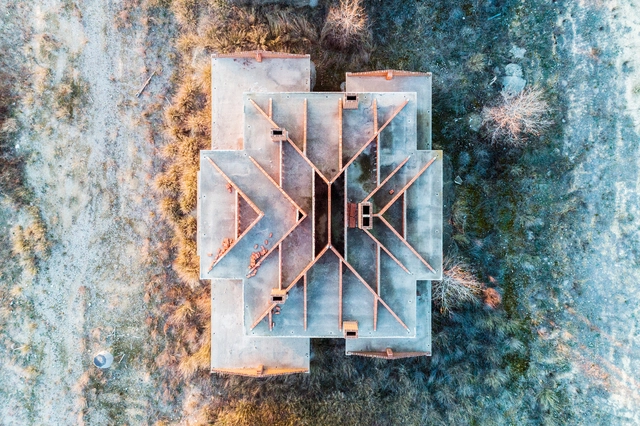
"Sand Castles (part II)" by Markel Redondo. Image Courtesy of Markel Redondo
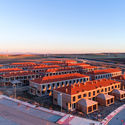
The winners of the DJI Drone Photography Award have been announced, a competition calling for ideas to make creative use of drone photography, and to explore subject matters impossible to experience on foot. This year, the two winning projects consisted of a new perspective on Spain’s 3.4 million abandoned houses, and the documentation of salt production across Europe.
https://www.archdaily.com/892004/beauty-or-tragedy-aerial-imagery-of-spains-abandoned-housing-estates-wins-dji-drone-photography-awardNiall Patrick Walsh
ArchDaily is looking for a motivated and highly-skilled architecture-lover to join our team of interns for Summer 2018! An ArchDaily Content internship provides a unique opportunity to learn about our site and write engaging, witty and insightful posts.
Interested? Then check out the requirements below.
https://www.archdaily.com/891775/call-for-archdaily-interns-summer-2018AD Editorial Team
What do architectural drawings do? Convey visual information about the design of buildings. This much is certain. They do much else besides. They can be idiomatic and ideological, they can express the personality of those who make them and by whatever means—charcoal, pencil, pen, or computer program. They can inspire, provoke and radicalize. They might be realistic or the stuff of fantasy. Or, of course, they can instruct those charged with building a three-dimensional representation of what they see on paper or, in recent years, on computer screens. Intelligence visible, they can also be art.
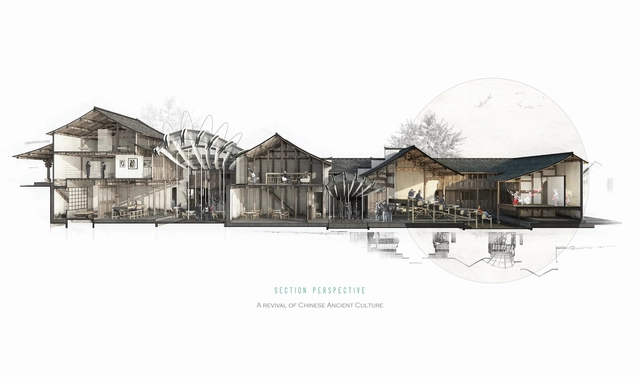
So, judging an open competition of architectural drawings from around the world, like The Architectural Drawing Prize, can only ever be an exercise in open-ended judgment even when these have been sorted into three technical categories: Hand-drawn, Digital, and Hybrid. How do we begin to compare Chris Raven’s intriguing digital analysis of Publicly Accessible Spaces in St Paul’s Cathedral with Xinyuan Cao’s almost fond cross-section through the Renovation of Denggao Village, two commended entries in the Digital Drawings category?









.jpg?1522930505)
.jpg?1522931799 "© Marc Tey Photography")
.jpg?1522931699 "© Marc Tey Photography")
.jpg?1522930411 "© Marc Tey Photography")
.jpg?1522930843 "© Marc Tey Photography")
.jpg?1522930505)