
-
Architects: CAPD
-
Manufacturers: FONTE TRADING, Lixil Corporation, Sanwa
-
Professionals: Q & Architecture, Nishino Co.Ltd, ASJ HIKARItoMIZUnoMACHI STUDIO





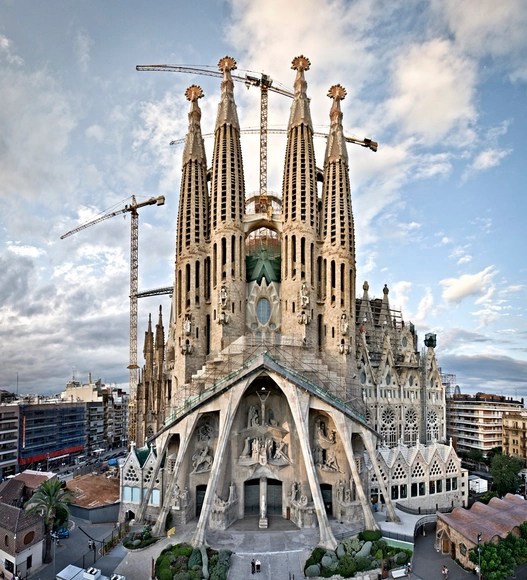
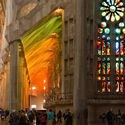
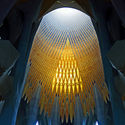
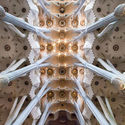
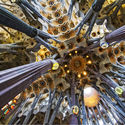
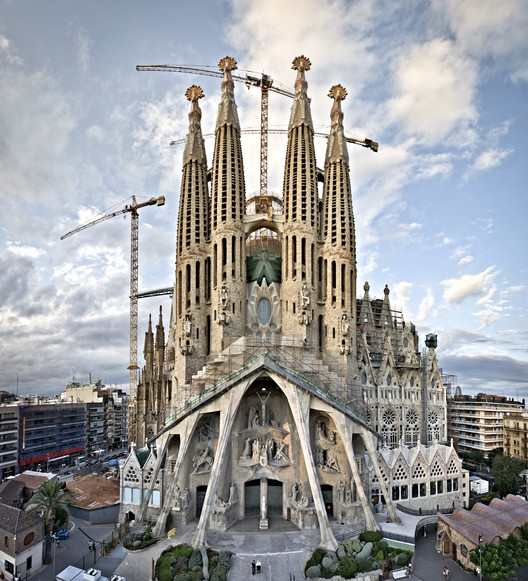
The trustees of Barcelona's historic Sagrada Família have reached an agreement with the city council to pay off $41 million in debt for not having the appropriate building permits. As the New York Times reports, the saga has continued for more than a century, as an original building permit issued in 1885 by Sant Martí de Provençals was no longer valid when the town was absorbed into the city of Barcelona. Designed by Catalan architect Antoni Gaudí in 1882, the Sagrada Família is still under construction 136 years later.


This article was originally published on Metropolis Magazine as "Why Architects Need to Get Dirty to Save the World."
Of all the terrarium-like experiments included in Lydia Kallipoliti’s The Architecture of Closed Worlds: Or, What Is the Power of Shit? (Lars Müller/Storefront for Art and Architecture), Biosphere 2 is the most infamous. A steel-and-glass structure baking in the Arizona desert, it represents the hope and hubris of re-creating Earth on Earth. The project was launched by an alternative living group with a taste for theater, and tanked by disastrous management by Steve Bannon (yes, him). As such, it illustrates the risky arc that courses through Kallipoliti’s 300-page volume—visions of utopia bending toward ultimate failure.

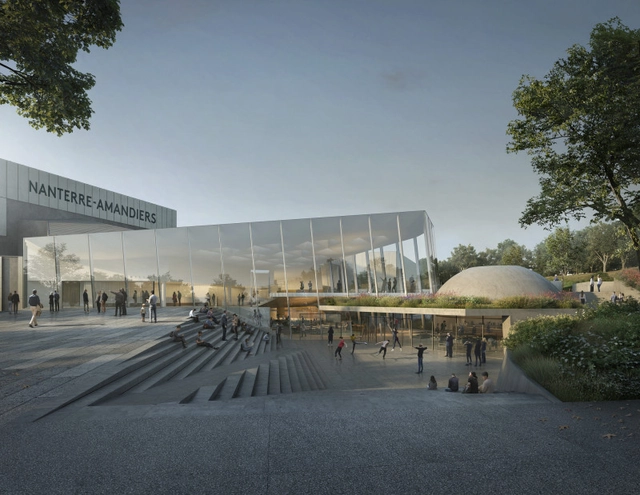
Snøhetta has been announced as the winner of a design competition for the renovation of the avant-gardist Théâtre Nanterre-Amandiers in Nanterre, France. The renovation seeks to breathe new life into the 1960s theater, known for its high-quality performances and global collaborations.
The renovations will include the addition of a 200-seat theater, and the reconfiguration of the building’s restaurant, bookshop, and atrium space, with an emphasis on flexibility and natural light.


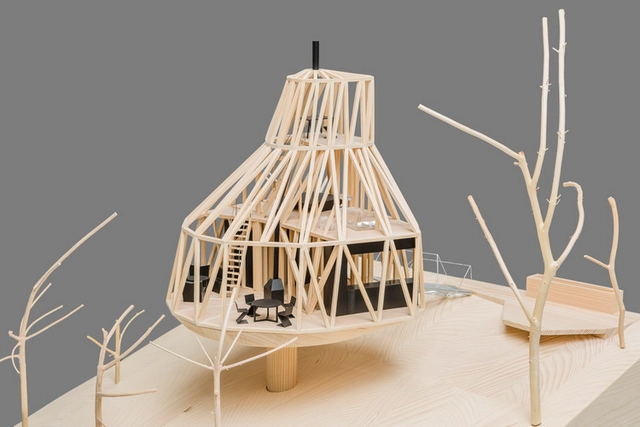
For centuries, physical modeling has been a staple of architectural education and practice. Allowing the designer and client to explore a scheme in plan, elevation, and perspective all at once, the physical model aims to simulate the spatial relationship between volumes and to understand constructive systems.
Even in an age of ultra-high quality rendering, and virtual reality, physical material models represent a beloved, tried and tested method of conveying ideas both during the design process and at presentation stage. Whether through a rapid, five-minute volumetric test of paper models, or a carefully sculpted timber construction detail, careful choice of material can greatly assist the modeling process, allowing designers to remain abstract, or test physical properties of structural systems.

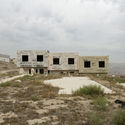
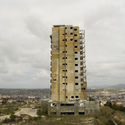
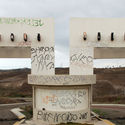
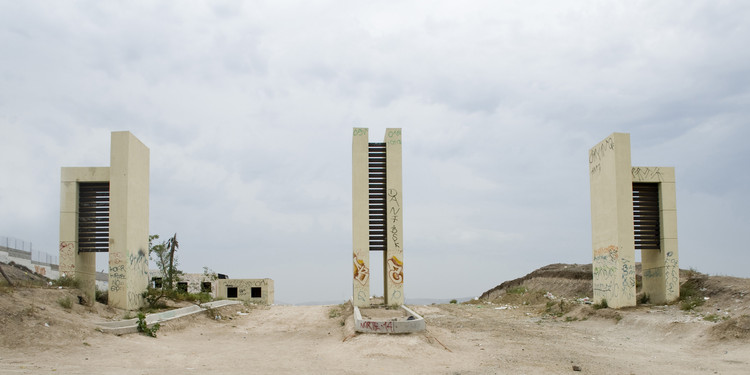
Tijuana is one of the most populated cities in Mexico. In 2000, the construction of collective housing boomed. This phenomenon completely transformed the limits of the city; the periphery exhibited a new appearance: a modernized future, new urban schemes, and a new lifestyle.