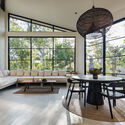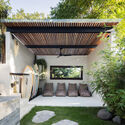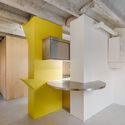


-
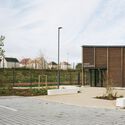
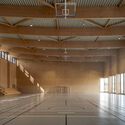
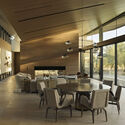
Architects: Steven Fong Architect
- Area: 3000 ft²
- Year: 2024
-
Manufacturers: LOVEWOOD, Vicwest
-
Professionals: Ara Engineering, Blackwell Structural Engineers, LRI Engineering Inc.


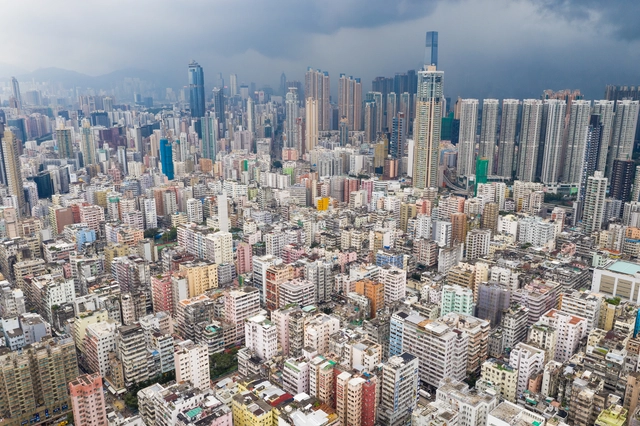
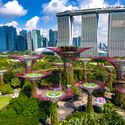
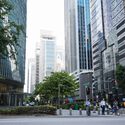
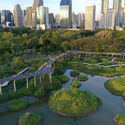
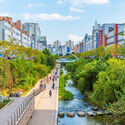
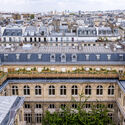
As the global population continues to surge, cities become increasingly complex ecosystems, dense and bustling environments home to millions of people. Today, more than half of the world's population lives in cities, which is expected to grow dramatically in the coming decades. This rapid urbanization presents a complex set of challenges for the architects and planners tasked with creating spaces that can accommodate urban residents' lives.

“Provoking the Territory: Bernard Khoury” is the third volume in the Dongola Architecture Series, and it takes a bold look at the work of one of Lebanon’s most provocative architects. This book launch will be accompanied by a panel discussion that dives into Khoury’s trajectory—from early experiments to his reinvention in his fifties—unpacking how his architecture embodies the contradictions of Beirut and the broader region.
More than a collection of built projects, this volume frames Khoury’s work as a lens through which to read the city: its violence and vitality, its aspirations and failures. Through critical and visual narratives, the
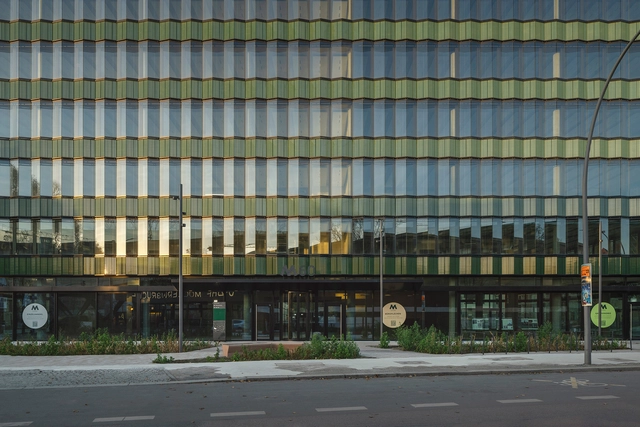
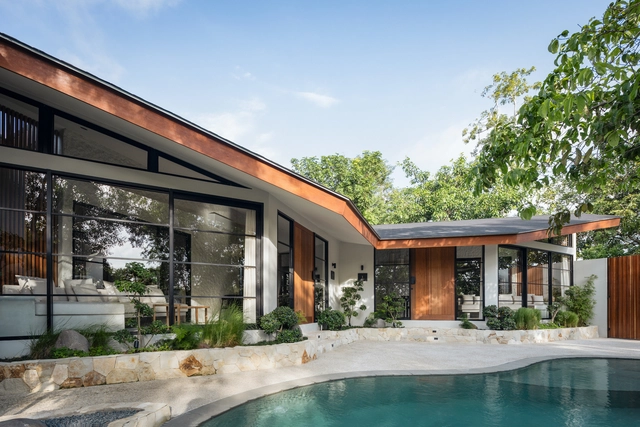
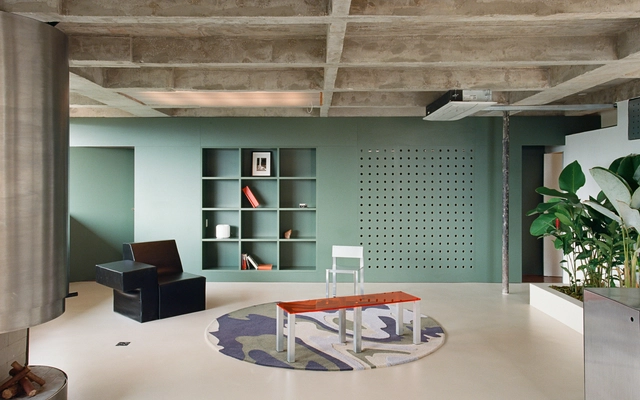
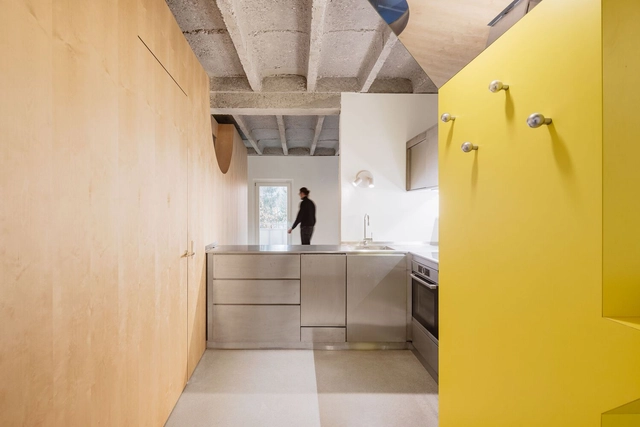
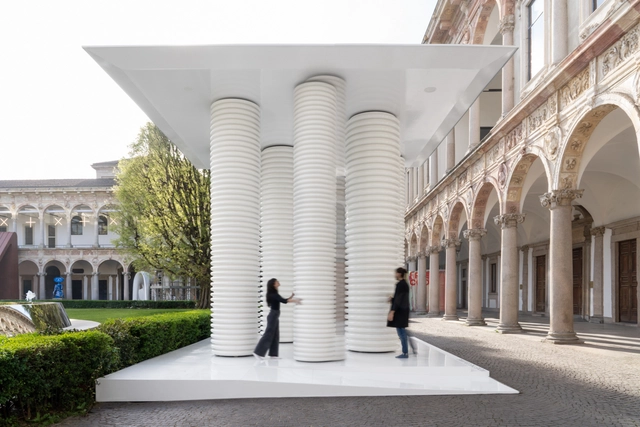
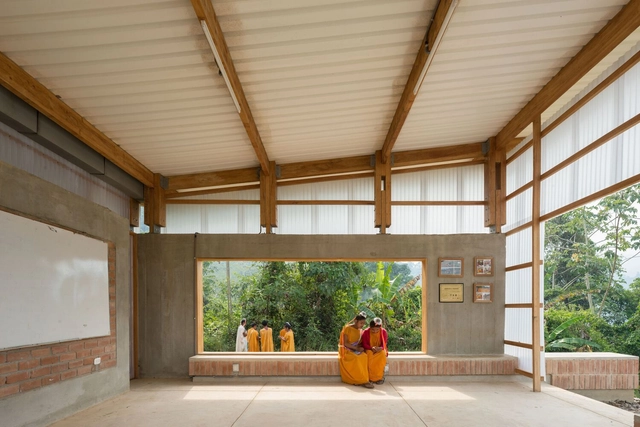
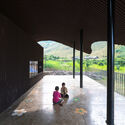
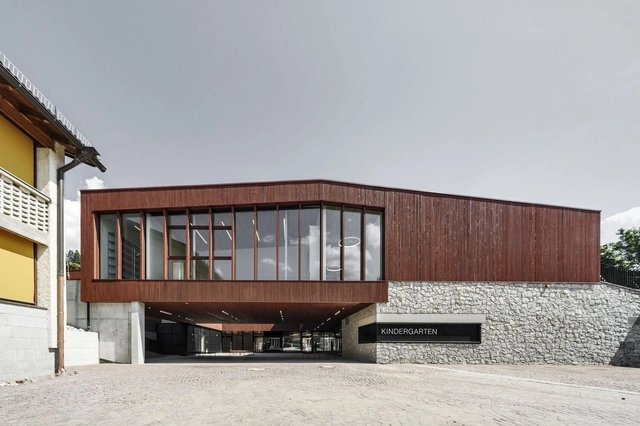
Educational infrastructure is key to any community. The better the quality of these spaces, the better the learning experience for those who use them. However, these facilities often serve a much broader purpose than just education. In Global South communities, in countries like Peru or Vietnam, where a significant portion of the population lives in rural areas far from urban centers, there are few educational spaces and a lack of places where the entire community—not just the students—can come together.
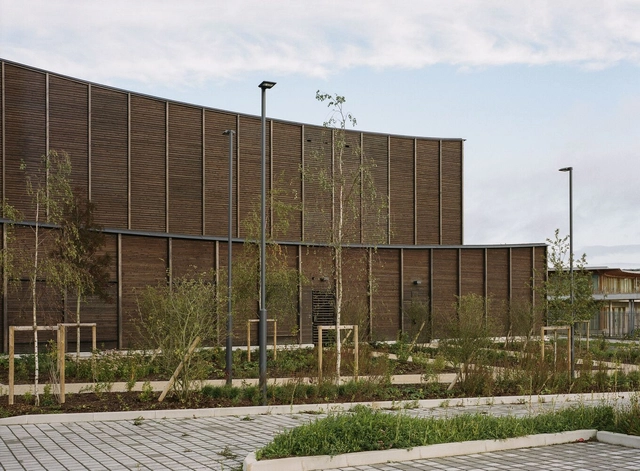
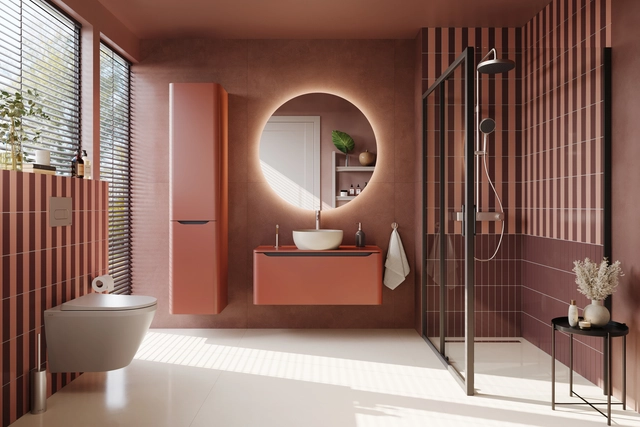
Following a broader trend across architectural spaces, bathrooms have evolved from strictly utilitarian functions into environments integrated with intelligent systems, where physical, cognitive, and sensory parameters are considered in the development of spatial solutions. But, it is always important to remind that cutting-edge technology doesn't always guarantee a better experience. While high-end automation and digital controls offer impressive capabilities, it's often the subtle, user-friendly features—the ones that feel intuitive rather than intrusive—that leave a lasting impression. These are the quiet innovations that elevate daily routines without overcomplicating them. The adoption of user-centered ergonomics—a design approach that takes human needs and limitations as its starting point—has guided the creation of components that respond adaptively to the presence, behavior, and preferences of users. Technologies such as toilets with automated features, proximity-activated faucets, concealed cisterns, and intuitive temperature controls not only enhance comfort and accessibility but also contribute to more efficient management of water and energy resources.
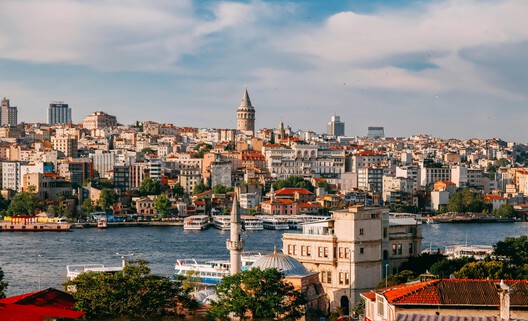
On April 23, 2025, a 6.2 magnitude earthquake in the Sea of Marmara struck Türkiye's largest city, Istanbul, causing widespread panic and injuring over 230 people, primarily due to falls and panic-induced accidents. Over the course of the day, at least 272 aftershocks were recorded, with the strongest reaching a magnitude of 5.9. According to an initial statement by Minister of the Interior Ali Yerlikaya, there was no major destruction apart from the collapse of a single abandoned building. However, the event has reignited public and professional discourse around the city's preparedness for a much larger seismic event, long anticipated by experts monitoring the North Anatolian Fault.


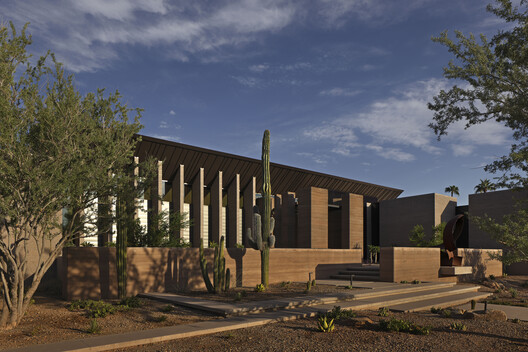
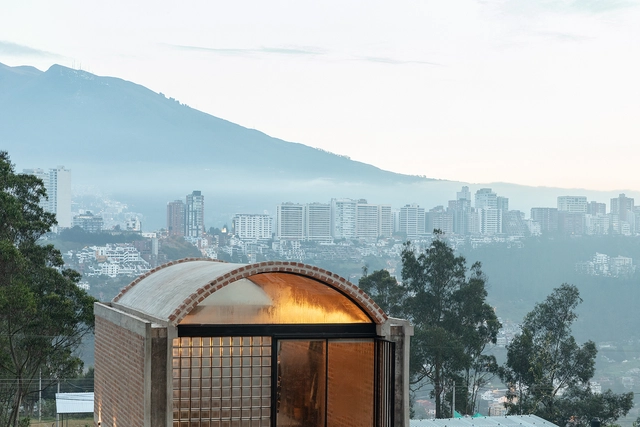
ArchDaily, in collaboration with the European Cultural Center (ECC), is curating its first-ever exhibition as part of the seventh edition of Time Space Existence, the biennial architecture exhibition held alongside the 19th Venice Architecture Biennale. Running from 10 May to 23 November 2025, this edition invites practitioners to explore the themes of Repair, Regenerate, and Reuse, emphasizing innovative and sustainable approaches to the built environment. ArchDaily's contribution will be presented in a dedicated space at Palazzo Mora, complementing other exhibition venues including Palazzo Bembo, Marinaressa Gardens, and Palazzo Michiel.
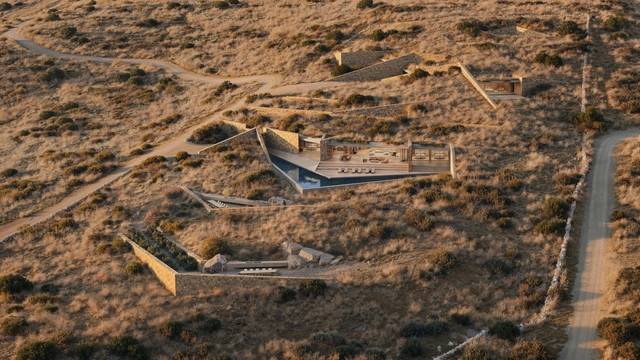
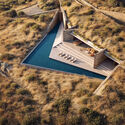
Residential houses, villas, and retreats are increasingly being designed as places of pause—spaces where architecture supports rest, reflection, and stronger connections to nature. Rather than focusing solely on urban living or compact efficiency, these homes are set in remote, scenic, or rural locations, where the landscape becomes an essential part of daily life. Through careful siting, use of natural materials, and open layouts, they offer an elevated standard of living that is both intentional and grounded in place.

From September 18 to October 19, 2025, the city of São Paulo will host the 14th edition of the International Architecture Biennale (BIAsp), which returns to the Oca Pavilion in Ibirapuera Park after nearly a decade of decentralized editions. Organized by the São Paulo Department of the Institute of Architects of Brazil (IABsp), the exhibition raises a pressing question: what is architecture’s role in facing climate change and the extreme events already reshaping our urban and environmental landscapes?