
-
Architects: AF6 Arquitectos
- Area: 1937 m²
- Year: 2018



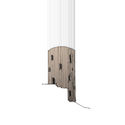
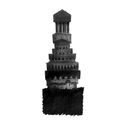
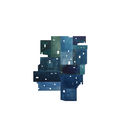
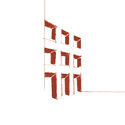
Italian architect Gaetano Boccia has been researching drawings and architectural representation for the past two years. The Pdda (piccoli disegni di architettura) project was born with the intention of sharing Boccia's thoughts, which he has always cataloged and kept in notebooks.
Referring to no particular buildings, these drawings are part of an inspirational process that takes place in the architect's daily context and complex surroundings of Naples and Italian culture.
_PLANE%E2%80%94SITE.jpg?1556780071&format=webp&width=640&height=580)
Before social media took over, buildings were published on magazines, edited and refined according to their architects’ preferences. Nowadays, magazines are left on the sidelines for a much more influential platform, one that is not totally controlled by the architects. Digital communication has changed the way people view and interact with architecture, providing architects with new insights on how to design their structures.
PLANE—SITE, a global production agency involved in the world of urban, cultural, and social spaces, have put together a short video that examines the impact of social media on architecture firms. Building Images provides insights from OMA/AMO and UNStudio, two firms with different approaches to social media, who explain how social platforms have helped them see their projects in unprecedented ways.


This article was originally published on Metropolis Magazine.
Green building was always part of the firm's DNA, though a little more than ten years ago Lake|Flato formed an internal studio that would focus on landscape and resource management.
For over three decades, San Antonio’s Lake|Flato Architects have advanced the cause of critical regionalism in South Texas. Founding partners David Lake and Ted Flato met in the office of O’Neil Ford, an early Texas Modernist whose work combined structural innovation with local building traditions. When they started their own practice in 1984, Lake and Flato carried this germ with them, turning out a series of ranch houses that garnered attention for their deft blending of modern modes of living, indigenous materials, and agro-industrial vernacular.




The conversation with renowned architect and artist Zvi Hecker (born 1931) followed Crusaders Come and Go, his exhibition at Galerie Nordenhake, Berlin (June-July 2017). In the first part, Hecker introduces his historical critique of the Modernist turn in architecture and its effect on city planning. He points out the tension between an urbanistic approach and approach which focuses on the impact of the single building. In the second part, Hecker tackles the notion of the architect’s style and positions his work against or in distance to the endeavor of cultivating a stylistic signature. In the last part, Hecker elaborates on a recurring motif in his work, the motive of the open book as a symbol, concept and formal dynamic reference.
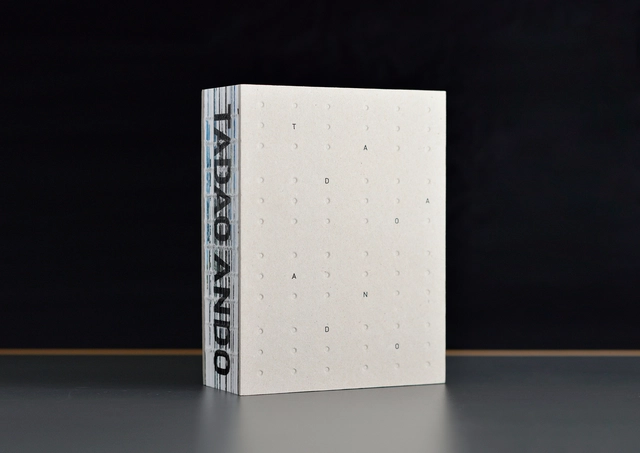
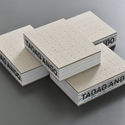
Throughout his distinguished career, Pritzker award winner Tadao Ando managed to trigger every human’s sensations upon entering his structures. It was never just the buildings’ forms that let the architect earn his status, but the manipulation of light and shadow and the impulsive sensation of sanctity that his buildings impose, are what led him to become one of the world’s most renowned architects.
To showcase Ando’s recent works and to honor their ongoing relationship with the architect, Oris House of Architecture have created a monograph titled Transcending Oppositions, celebrating his buildings and their relationship with the contemporary culture of Japan. Judging this book by its cover, readers will have a clear notion of what to expect, as the monograph reflects Tadao Ando’s architecture on fine print.


As we have seen throughout the history of architecture, ephemeral installations and pavilions are important tools for talking about specific moments in architecture in an almost immediate way. While it is true some pavilions have been so relevant that they broke with their ephemeral quality to become permanent, such as the German Pavilion in Barcelona, designed by Ludwig Mies van der Rohe and Lilly Reich, most are documented in photographs, plans and experiences to be rewritten in future projects.