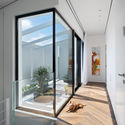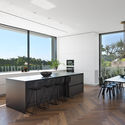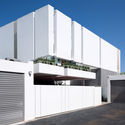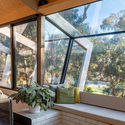


-
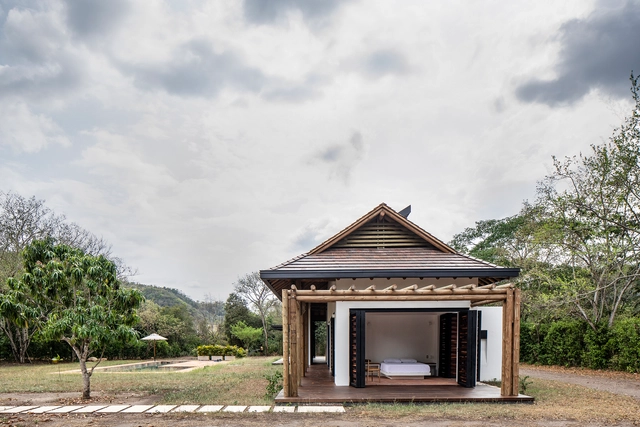
Architects: Block Architects
- Area: 261 m²
- Year: 2016
-
Manufacturers: Schneider Electric, LG Electronics, Phuoc Thanh Dat Glass


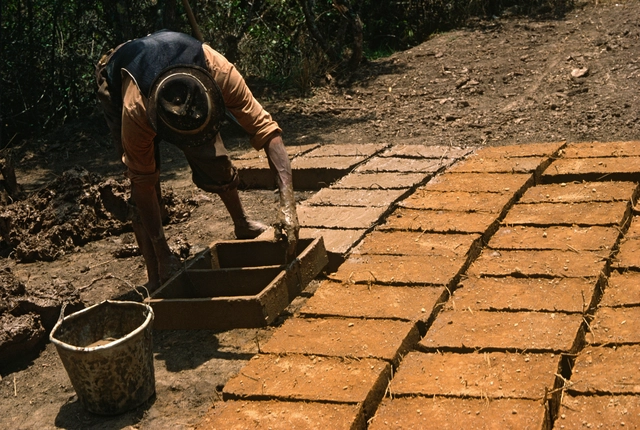
When building for a more sustainable world, the materials you choose undoubtedly play the biggest part in minimizing your project's carbon footprint. Building a wall out of plastic bottles, for example, prevents them from adding to the hoard in a landfill. However, there is a material used for centuries throughout the world that tops all the rest when it comes to sustainability: adobe.

Even before the pandemic forced us to do so, c/o now started to shift Lucius Burckhardt's strollology into the digital space. The so-called Googlewalks undertaken for this contribution respond to the question posed by the Tbilisi Architecture Biennale 2020 – What do we have in common? – and the upcoming theme of the Future Architecture platform – Landscapes of Care. The resulting mission statement for c/o now's work is explained and developed upon by their guest, researcher Lela Rekhviashvili.
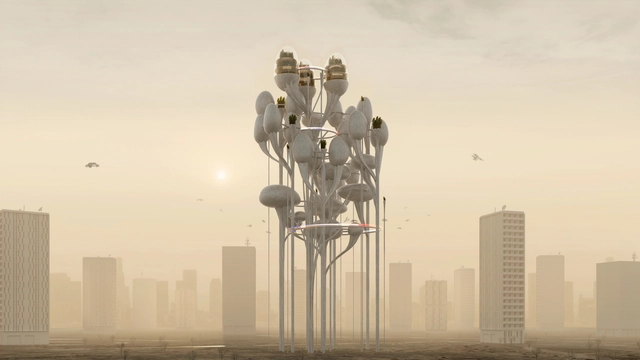
Putting together competition entries from all around the world, this week’s curated feature for Best Unbuilt Architecture showcases inspiring approaches and concepts. Submitted by our readers, the selection highlights uncommon proposals, part of international contests. While some are winning projects, others received honorable mentions.
Serie imagines stacked timber pavilion-like offices, Schlaich Bergermann Partner, LAVA, and Latz + Partner design new pedestrian and cycle bridge over the Neckar River in Heidelberg, Germany and Aidia Studio create an Oculus in the Emirati desert. Other competition entries include a landscaped avenue by ZXD Architects in Hangzhou, a community school in Egypt by Hand Over, a winning pavilion for the Singapore’s Archifest 2020 by ADDP Architects and OWIU Design Studio; and a Baha’i House of Worship by SpaceMatters in India.


Earth, straw, and wood are some of the construction materials used by a rural community in the Republic of Cameroon. Beyond being low-cost, the project's main asset is its respect for the local landscape, building homes in harmony with their surroundings.
Called Warka Village, the hamlet is based on vernacular architecture. This means traditional construction techniques and locally available materials, such as stone, bamboo, and natural fibers, are used.
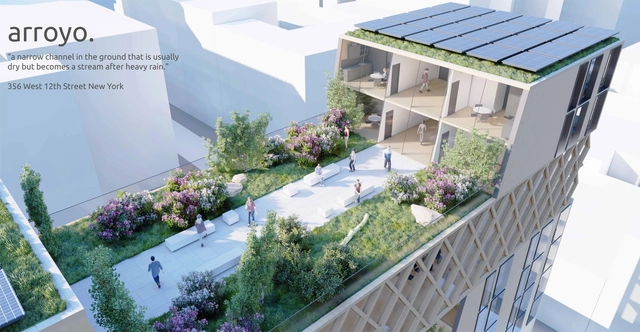
Perkins and Will have selected the winning projects for this year’s edition of the Phil Freelon Design Competition. Entitled “Arroyo” the 2020 laureate is “a self-sustaining community that embraces the diversity of New Yorkers”, designed by Vangel Kukov and Hala El Khorazaty. Imagining co-living strategies to combat the housing crises in America, the annual event gathered entries from Perkins and Will studios around the world.
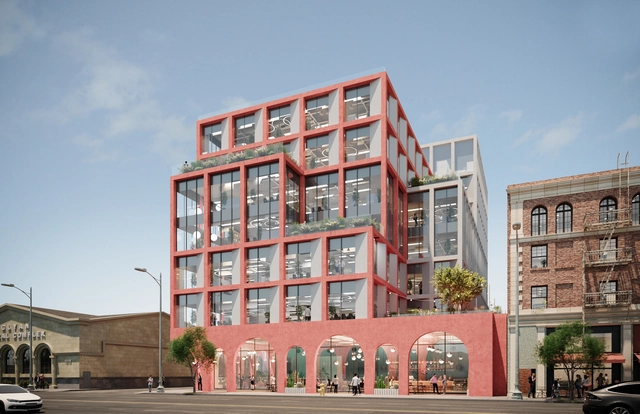
Architectural practice Hawkins\Brown has designed a new mixed-use tower development for Hollywood. The project combines 117,000 square feet of office and retail space for the area's growing media and creative community. As the design team outlines, the proposed project was made to address a growing demand for creative offices in Hollywood, where an influx of entertainment and technology firms are seeking Class-A space in a tight market.
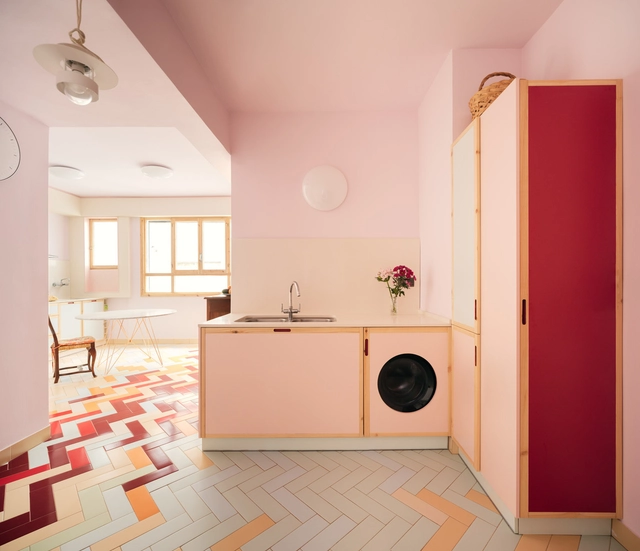
In residential architecture, there have always been central, indispensable spaces and peripheral spaces more easy to ignore. When designing a home, the task of the architect is essentially to configure, connect, and integrate different functions in the most efficient way possible, necessarily prioritizing some spaces over others. And although today many are designing in ways that are increasingly fluid and indeterminate, we could say that the bedroom, bathroom, and kitchen are the fundamental nucleus of every house, facilitating rest, food preparation, and personal hygiene. Then meeting spaces and other service areas appear, and with them lobbies, corridors, and stairs to connect them. Each space guides new functions, allowing its inhabitants to perform them in an easier and more comfortable way.
However, fewer square meters in the bathroom could mean more space for the living room. Or, eliminating some seemingly expendable spaces could give more room for more important needs. In an overpopulated world with increasingly dense cities, what functions have we been discarding to give more space to the essentials? Here, we analyze the case of the laundry room, which is often reduced and integrated into other areas of the house to give space for other functions.