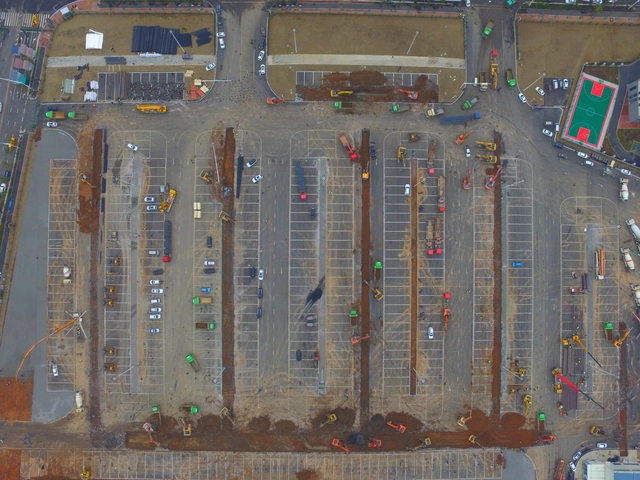
Construction of a 1,000-bed hospital in Wuhan, China. Via Shutterstock
Does the Coronavirus concern us? Yes, it does. Beyond the rush for health cures, cities are seen to react by using both architecture and urban strategic planning as tools for the virus’ containment, shattering our notions of city and resilience planning.
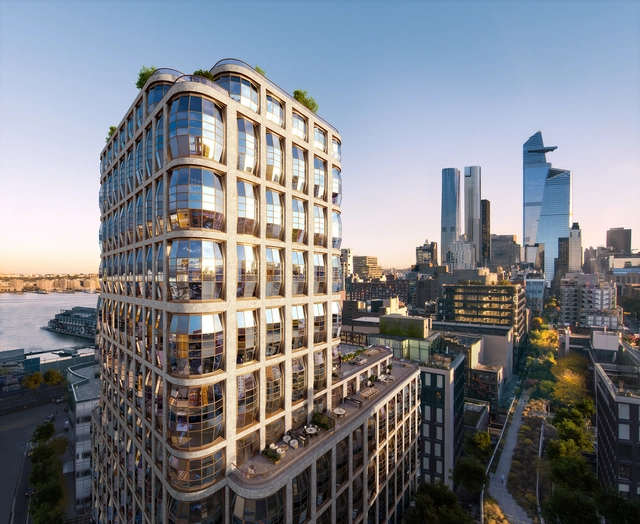
New renderings were unveiled for Heatherwick’s first residential project in New York, currently under construction. The recently dubbed “Lantern House”, in West Chelsea’s neighborhood, will join a series of developments, expanding the High Line's facades.
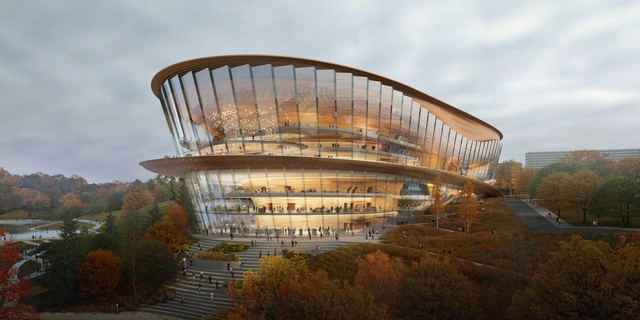
The City Council of Perm, the planning commission, and members of the public gave their approval for a wHY-designed theater at the center of a major cultural revitalization initiative, led by the city’s mayor. The project will be a collaboration between wHY’s New York office and Buildings Workshop, and wHY’s Landscape Workshop, in order to generate a landmark for the emerging arts district.
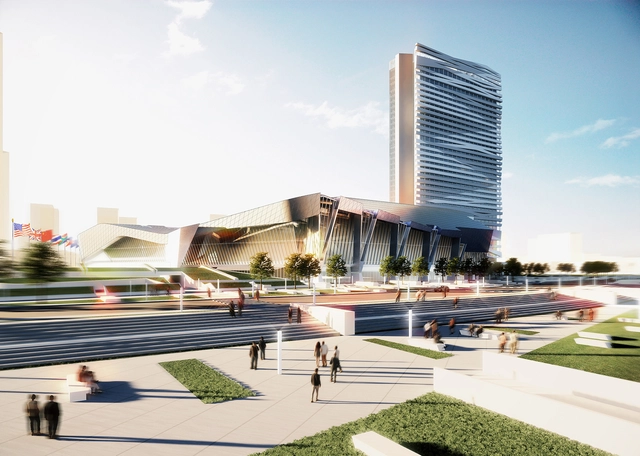
Morphosis Architects designed a new conference center for the city of Nanjing in China. Located in the New Jiangbei District, the project is situated between China’s eastern coastal cities and the Yangtze River Delta region. The conference center design was made as a flagship project to embody a charter for sustainable and ecologically-sensitive development.
The Chinese megacity of Shenzhen bares all the hallmarks of a surging modern metropolis. Busy (and loud) five-lane motorways weave through islands of glittering glass skyscrapers, rising from podiums filled with designer shops, fronting vast squares and plazas, activated by screen-savvy young professionals fueling the city’s booming tech economy. Such a scene is truly remarkable considering that before 1980, Shenzhen was nothing more than a provincial fishing town of 60,000 people. Today, that figure has risen to 13 million.
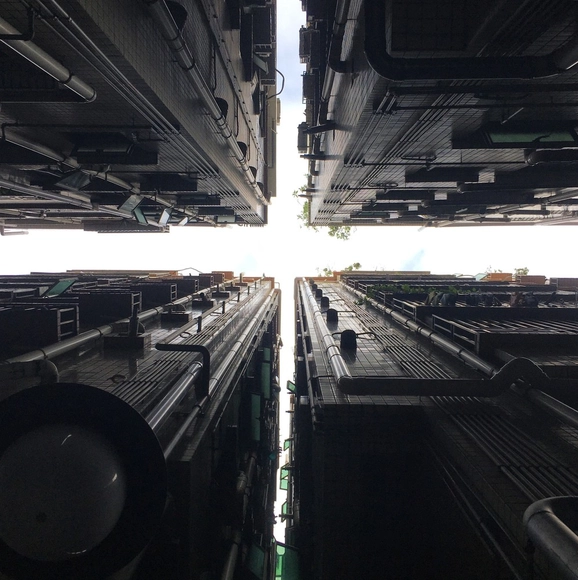
This poses the question of how the urban environment accommodated such a rapid population explosion in such a short time. The answer lies in the city’s “Urban Villages,” remarkable manifestations of Shenzhen’s past and present, though likely not of its future.