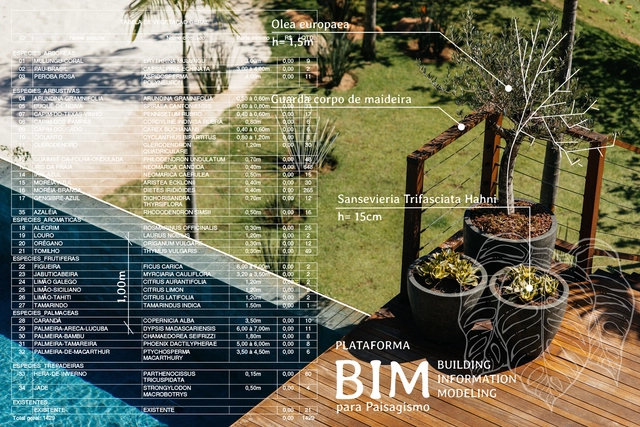
We are heading for a scenario in which BIM technology will greatly help us to maximize the roles and skills of civil construction professionals, making room for us to plan, design, build and manage buildings and infrastructures much more efficiently, integrating all systems, structural, mechanical, electrical and plumbing in a responsible, economical and sustainable way.
Videos
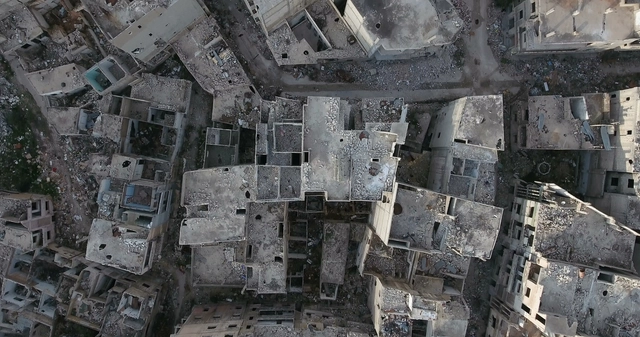
the city of Homs in Syria. Image via Shutterstock/ By Fly_and_Dive
In a world devastated by war and destruction, new ideas for future reconstruction of cities are emerging. The latest technologies are creating opportunities to shape better built environments and better urban experiences. While the world has had its fair share of failed attempts of post-war reconstruction, the 21st century is promising concepts more in touch with culture, integration, and sustainability.
As we all know, technology is the game-changer of this century. It has ultimately modified how we design and build, and with the development of Artificial Intelligence, boundaries have been pushed furthermore. Able to transform the environment we live in, AI can also help shape a better version of the environment we have lost.
Stores in Santiago, Chile, ran out of yeast in mid-March, such as it happened after the beginning of the social crisis in 2019. Given that Chile has the second-highest bread consumption per capita in the world, it would seem that Chileans handle uncertainty stocking up ingredients for bread making. Everybody wants to make bread, including myself.
The Architectural League of New York has announced the winners of the 2020 Architectural League Prize for Young Architects + Designers. Focusing on fresh talent, North America’s most prestigious award encourages the development of distinctive individuals and underlines their work.
The OMA-Designed CMG Qianhai Global Trade Center has broken ground in Shenzhen. Unveiled during the inauguration ceremony for Qianhai Significant Projects in China, the mixed-used 360,000 square-meter development will create a Micro-City environment, blurring traditional boundaries between building and city.
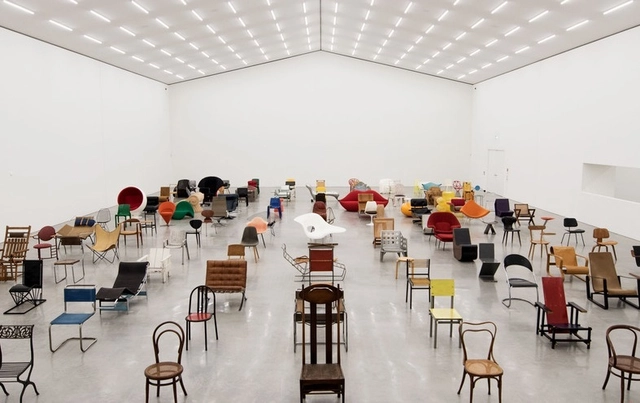
Vitra Design Museum has debuted Chair Times, a 90-minute film that describes the history of seating furniture. Focusing on 125 objects from the collection of the Museum, the film explores the development of chairs over centuries, examining them as “portraits of their users.” Arranged according to their year of production, they are organized to form a timeline of modern seating design.





.jpg?1588809498&format=webp&width=640&height=580)











.jpg?1588808703 "© Rene de Wit")
.jpg?1588808840 "© Rene de Wit")
.jpg?1588809324 "© Rene de Wit")
.jpg?1588809037 "© Rene de Wit")
.jpg?1588809498)