This guide explains how to structure multi-image prompts in the RunDifussion platform. Explore RunDifussion's product catalog.


This guide explains how to structure multi-image prompts in the RunDifussion platform. Explore RunDifussion's product catalog.
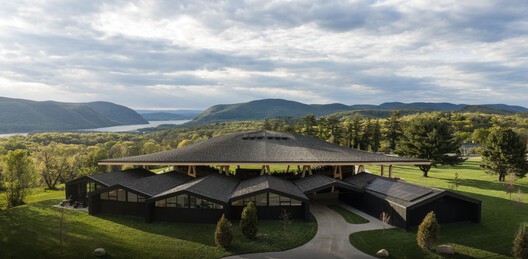
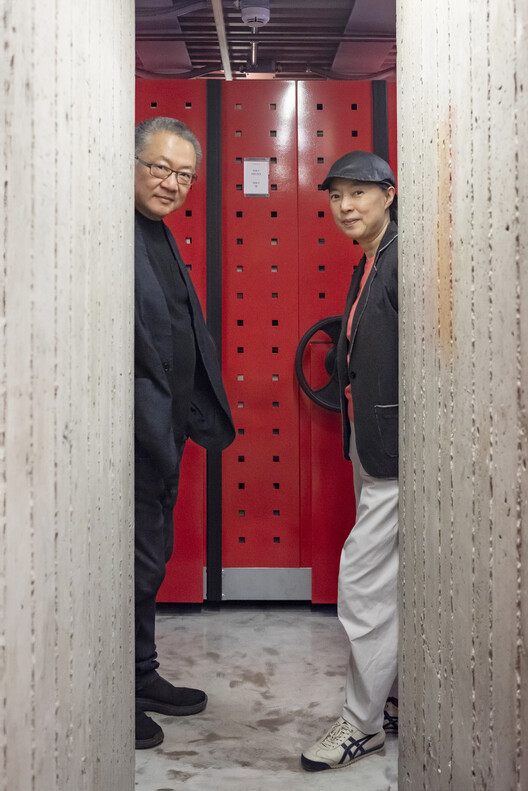
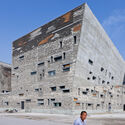
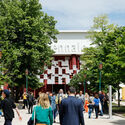
Wang Shu and Lu Wenyu, curators of the 20th International Architecture Exhibition of La Biennale di Venezia, have unveiled the first details of the highly anticipated 2027 edition. Titled "Do Architecture - For the Possibility of Coexistence Facing a Real Reality," the exhibition will take place from May 8 to November 21, 2027, across the Giardini, the Arsenale, and throughout Venice.
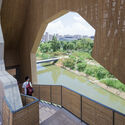
The curatorial direction reflects many of the ideas developed through the work of Amateur Architecture Studio, founded by Wang Shu and Lu Wenyu in 1997. Their projects have consistently explored the reuse of salvaged materials, regional construction techniques, and the continuity between historic and contemporary forms of building. Across both urban and rural contexts, the studio's work often emphasizes craft traditions, collective memory, and the spatial qualities embedded within everyday environments.
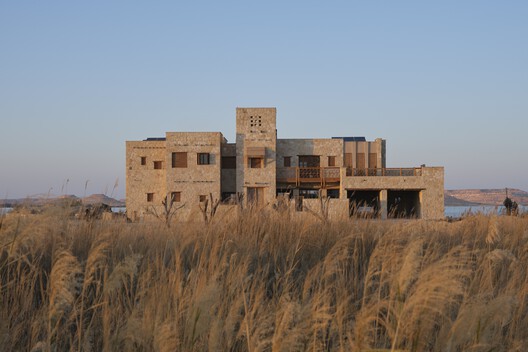
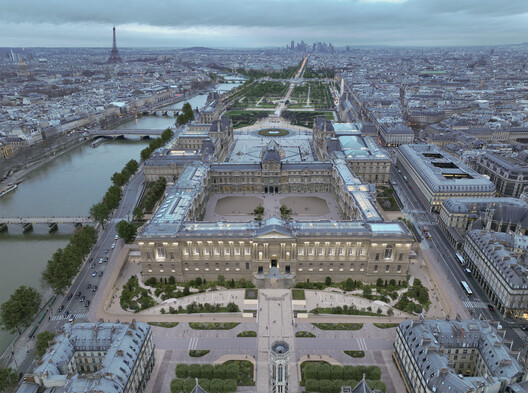
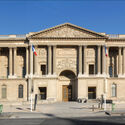
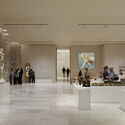
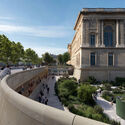
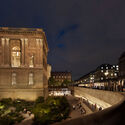
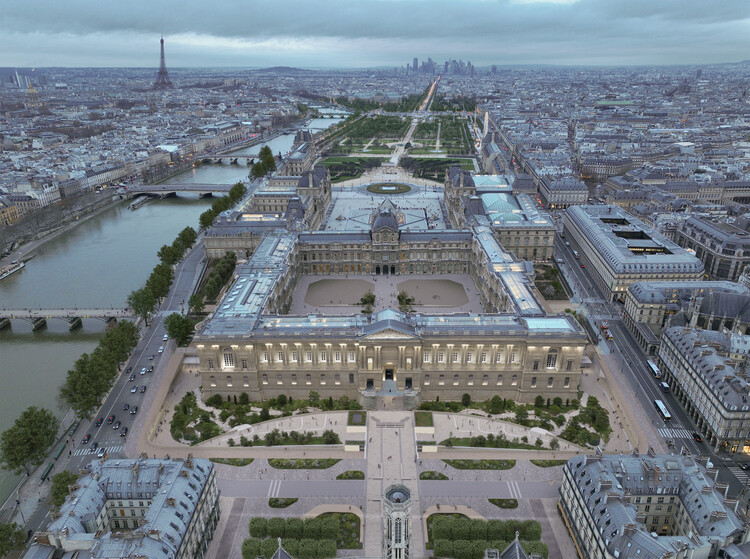
The French Minister of Culture announced on Monday, May 18, 2026, the winner of the "Louvre–Nouvelle Renaissance" competition. The team selected to transform the world-renowned Musée du Louvre is led by STUDIOS Architecture, New York-based Selldorf Architects, and landscape architecture firm BASE Paysagiste. The renovation initiative was announced in January 2025 as a major intervention for the historic complex following concerns expressed by the museum's director regarding its deteriorating condition. The first round of the competition took place in June, with a shortlist of five teams revealed in October. According to French authorities, the project has a dual objective: to repair and transform the building to preserve its collections while updating it to meet contemporary public expectations, including sustainability requirements that will pose significant challenges for the museum in the coming decades.
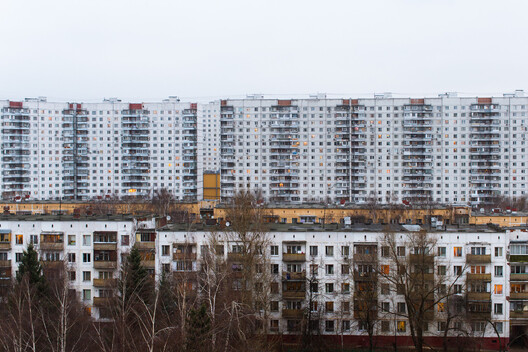
Architecture is often presented as the visible expression of its time, its desires, its faith in progress, its idea of order. Yet this reading tends to flatten the conditions under which buildings are produced. It suggests that architecture follows history when, in many cases, it actively participates in it. Few periods make this more evident than the twentieth century, when architecture became deeply entangled with political programs, economic systems, and competing visions of how collective life should be organized.
What is commonly grouped under the label of Modernism is often described as a coherent project, defined by formal clarity, technological optimism, and a break with historical styles. But this apparent coherence dissolves when we look beyond its canonical centres. The same spatial principles (standardization, functional zoning, industrial production) were adopted in political and economic contexts that differed significantly in their structures and objectives. A static movement unfolded as a flexible system continuously reoriented according to the priorities of each regime. What appeared as a shared language was, in practice, a set of tools applied to distinct agendas.
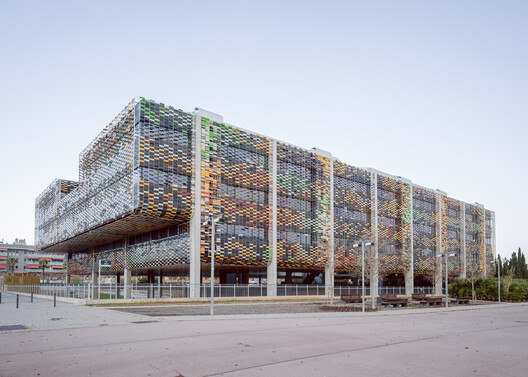
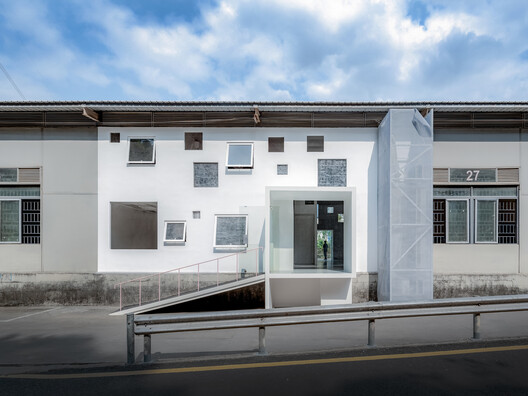
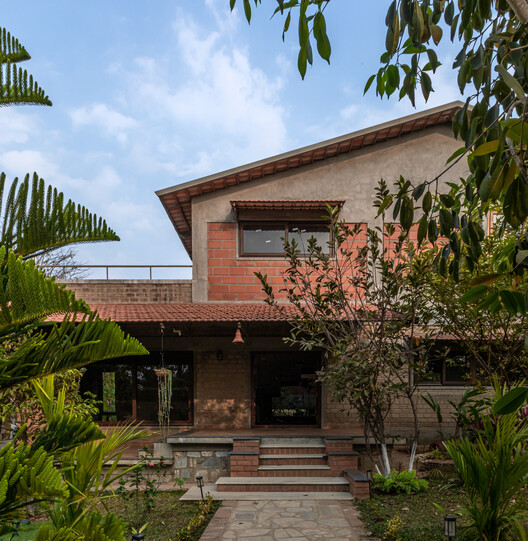
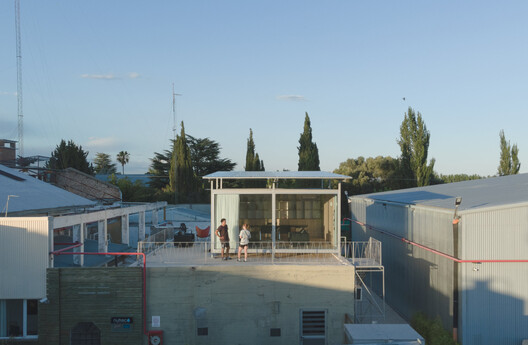
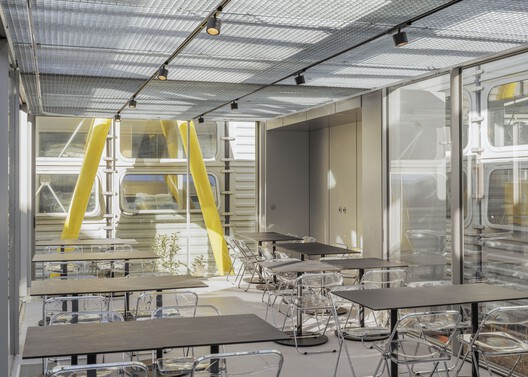
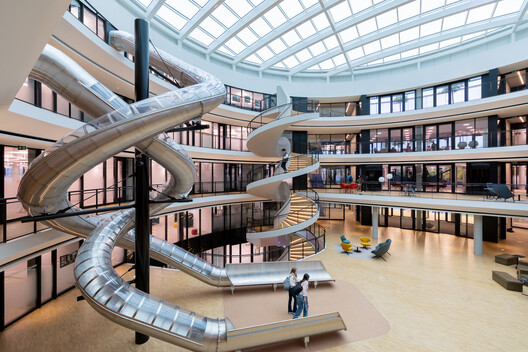
"There is no space without event, no architecture without action." When Bernard Tschumi wrote these words, he was articulating a fundamental principle of the architect's practice. Architecture is about behavior. Every stroke of a pen on a floor plan is a proposition about how occupants will move or what actions become possible.
To draw is to architect a reality. Though with this power, architecture does not command. It does not issue instructions or enforce compliance, but it operates through a soft control — a mode of influence that shapes behavior by structuring perception and guiding attention.
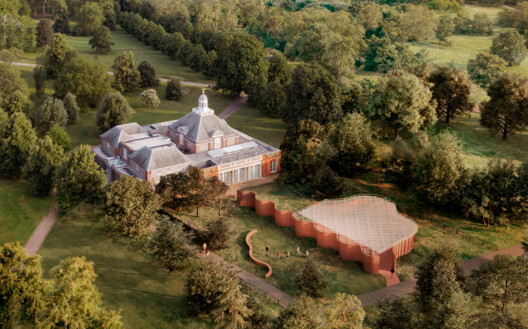
Mexican architecture practice LANZA atelier has unveiled new details for the 2026 Serpentine Pavilion, titled "a serpentine," which will open to the public on 6 June 2026 at Serpentine South. Designed by studio founders Isabel Abascal and Alessandro Arienzo, the project reinterprets the historic serpentine or crinkle-crankle wall through a lightweight brick structure integrated into the landscape of Hyde Park. Marking the 25th edition of the annual commission, the pavilion will remain on view through October 2026 and serve as a venue for Serpentine's public programme of performances, talks, screenings, and community events.
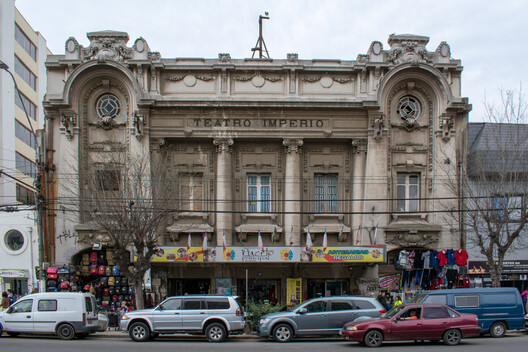
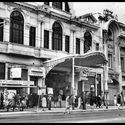
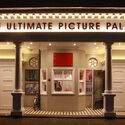
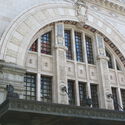
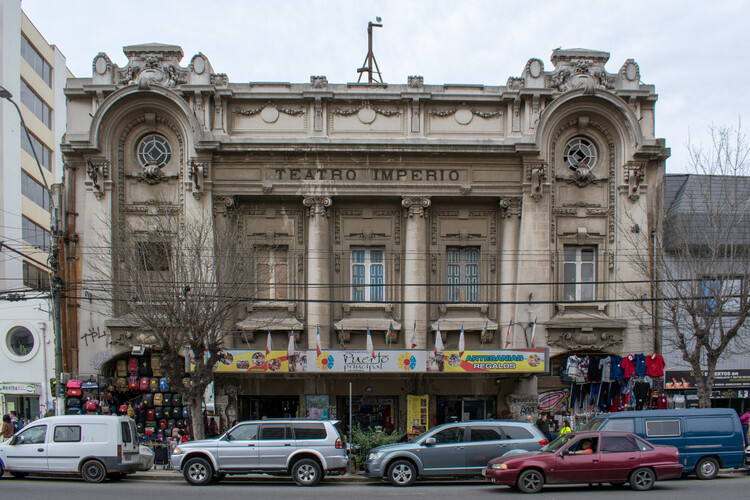
Between 2005 and 2021, French photographers Yves Marchand and Romain Meffre developed a long-term project titled Theaters. Recently exhibited at KYOTOGRAPHIE 2026, the work documents a phenomenon that continues to unfold gradually around the world: the decline of infrastructure originally designed for public entertainment in the early twentieth century. Theaters, cinemas, and performance venues that once accompanied the modernization of cities are increasingly being abandoned, repurposed, or "left suspended as hybrid ruins." This process is often associated with the growing individualization of cultural consumption, from the widespread adoption of television to the rise of the streaming industry, as well as the impact of the COVID-19 pandemic on cultural institutions. Below are three cases located in England, Chile, and Japan that illustrate different stages in this transformation, while also highlighting community-led efforts to preserve modern cultural heritage.