-
Architects: Ben Walker Architects
- Area: 262 m²
- Year: 2019
-
Manufacturers: Astra Walker Tapware
-
Professionals: Ewer Constructions, Northrop Engineers


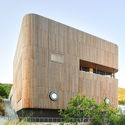
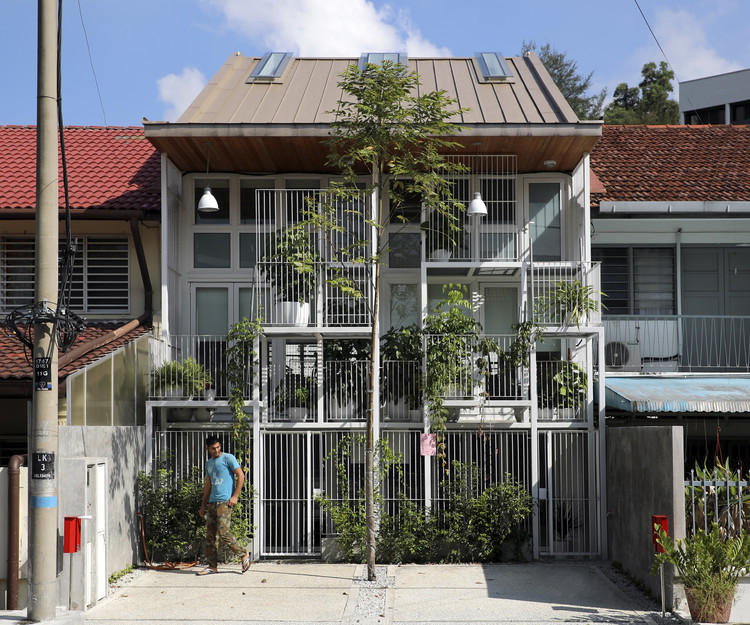
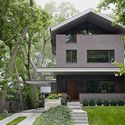
![Bass Residence / [STRANG] - Exterior Photography, Houses, Facade](https://snoopy.archdaily.com/images/archdaily/media/images/5ecc/4304/b357/6579/0d00/07ac/slideshow/FI.jpg?1590444786&format=webp&width=640&height=580)


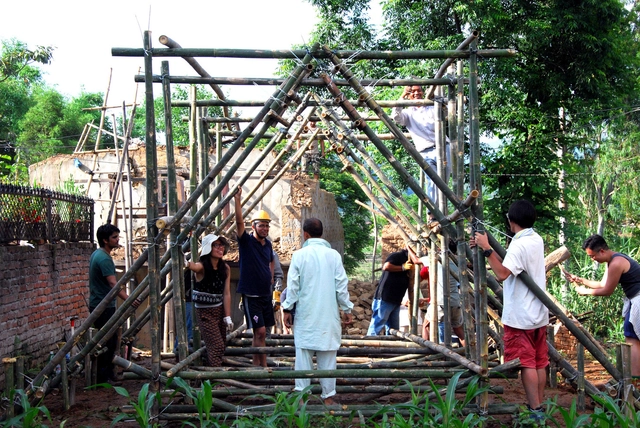
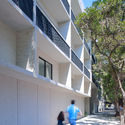
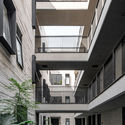
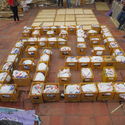
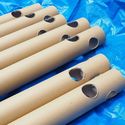
Earthquakes, pandemics, conflicts, and environmental disasters are some of the events that have challenged architects, planners, designers, and engineers. The goal is to find ways of creating structures and infrastructure more quickly, easily, efficiently, suiting both the circumstances and the location in which they will be implemented. When searching for materials that meet the requirements for each situation, those considered "alternative" or unusual - at least in the context of emergency shelters - can offer great opportunities for experimentation and applicability for emergency structures. Containers and tensioned fabrics always come to mind when discussing temporary constructions. However, there are other highly available materials with good mechanical properties that can achieve relief purposes.
.jpg?1590616484&format=webp&width=640&height=580)
Architecture is rooted in tectonics and craft. Few offices know this better than Hufft, an architecture, interior design and fabrication studio with offices in Kansas City and Bentonville. Founded on the belief that input from builders and fabricators adds value and creates better experiences, the studio's multi-disciplinary team now includes over 50 people. In an interview with ArchDaily, Principal Matthew Hufft discusses the firms values and what it means to build today.

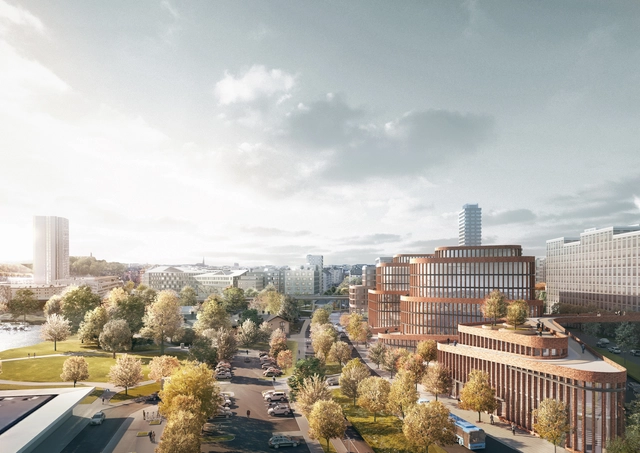
3XN has recently won the competition to design the new office building Kvarter 15/ District 15 in Östra Hagastaden, Stockholm. Modern and flexible, the project will be linked to Stockholm's northern city gate, connecting the motorway, the city, and the public park, Hagaparken.
This talk is about our future architecture, and the crossover with construction. The future is changing faster than ever before. Building concepts designed today, to be built in 3 to 5 or more years, require extensive research to guarantee their future relevance. Let’s address the past, the present and the future of architecture.
From the design process to carbon footprint, clean energy and wood constructions. About futureproof engineering, meeting global challenges, sustainable construction materials, modular systems and more. The way we design and fabricate the built environment is more exciting and challenging than ever.

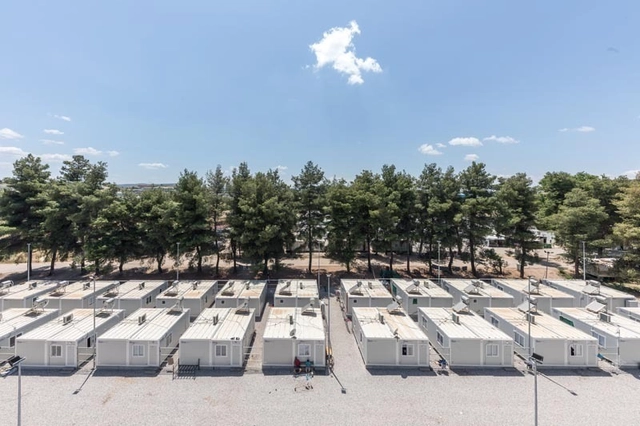
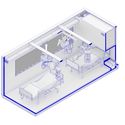
As the healthcare infrastructure is becoming overwhelmed and hospitals around the world are reaching their capacities, new alternative possibilities are emerging. In response to bed shortage and facility saturation, architects around the world are taking action, in the on-going fight against the coronavirus. Focusing their knowhow to find fast and efficient design solutions that can be implemented anywhere, they are proposing flexible, fast assembled, mobile, and simple structures. With a very tight timetable, some projects are already implemented and in service, while others remain on a conceptual level, waiting to be adopted.
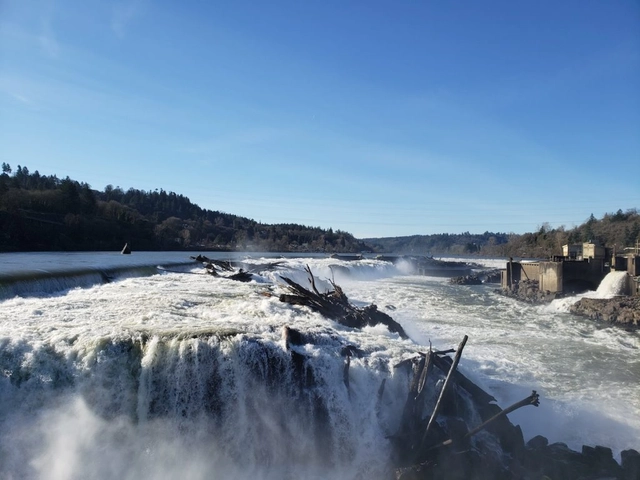
MASS Design Group has been selected to lead the tribal engagement process of the future Willamette Falls Riverwalk. The partnership was announced by the Willamette Falls Trust, with the team working to ensure that the Riverwalk centers on indigenous experiences and educates the greater Portland community on the Native stories of the region. The project will focus on public space that celebrates the human and natural history of Willamette Falls.
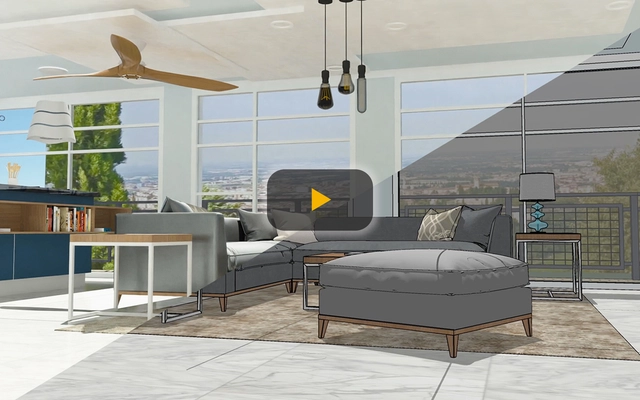
Keep Everyone in the Loop: From Teams to Clients
The last decade has seen an enormous influx of new technologies in architecture. Ever since CAD revolutionized traditional pen and paper design methods, many forms of technology have found a comfortable place in the architect’s workflow. While the human experience has always been the cornerstone of architecture, innovations for the AEC industry aren’t always “people-centric”. High barriers to entry, whether that be price or ease-of-use, have kept many practitioners from realizing their full potential.
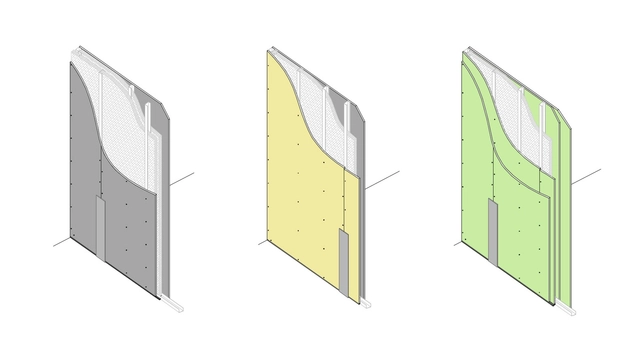
Concerns about the hygiene, durability, and healthiness of interior spaces have increased considerably in recent years, drawing extreme attention to hospital and health-related projects. Consequently, the choice of materials becomes essential from the conception of each project, guaranteeing that each space performs effectively on all fronts, from resistance and safety to environmental comfort and aesthetics.
In particular, the enclosures in hospitals and health centers must conform to a series of predetermined guidelines and dimensions, which respond to the standardized sizes of different types of equipment and to the needs of each medical procedure. Within the robust framework of the structural walls, the partitions – which are essential for subdividing the space – must be especially resistant to impact, fire, and humidity, in addition to effectively mediating the acoustics between rooms and inside each one of them.

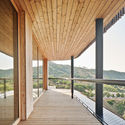
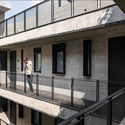
![Bass Residence / [STRANG] - Exterior Photography, Houses, Stairs, Handrail](https://images.adsttc.com/media/images/5ecc/3f6b/b357/6579/0d00/0766/thumb_jpg/Bass_2.jpg?1590443875 "© Claudio Manzoni")
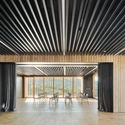
![Bass Residence / [STRANG] - Interior Photography, Houses, Chair, Table](https://images.adsttc.com/media/images/5ecc/40c7/b357/65c1/7900/0223/thumb_jpg/Bass_8.jpg?1590444222 "© Claudio Manzoni")
![Bass Residence / [STRANG] - Exterior Photography, Houses, Stairs](https://images.adsttc.com/media/images/5ecc/40b8/b357/65c1/7900/0222/thumb_jpg/Bass_6.jpg?1590444204 "© Claudio Manzoni")
![Bass Residence / [STRANG] - Exterior Photography, Houses, Facade](https://images.adsttc.com/media/images/5ecc/416e/b357/6579/0d00/07a0/thumb_jpg/Bass_9.jpg?1590444391 "© Claudio Manzoni")
![Bass Residence / [STRANG] - More Images](https://images.adsttc.com/media/images/5ecc/4304/b357/6579/0d00/07ac/newsletter/FI.jpg?1590444786)
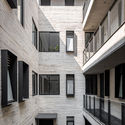







.jpg?1590616484)