.jpg?1602522337 "© Umang Shah")


-
Architects: Manoj Patel Design Studio
- Area: 287 m²
- Year: 2020





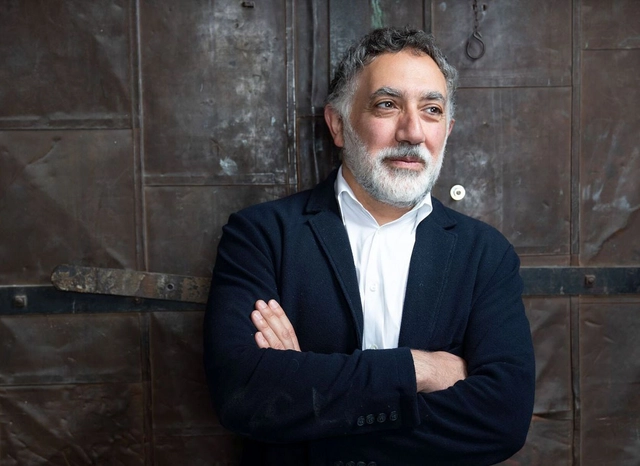
In the second part of his interview with Archdaily, Hashim Sarkis reflects on the future of architecture as he tackles the timeless question of the 2021 Venice Biennale. The curator of the Biennale, which proposes the question of “How Will We Live Together?”, discusses the role of the profession in the midst of all these new paradigms, stating that “Architects do change the world […] by creating […] wish images for what the world could be”.
In this feature, the curator of the anticipated biennale and dean of MIT School of Architecture and Planning presents his views on the evolution of Architecture, and the new directions the academic world should take, to reflect “the complexity of the urban problems of today”. Sarkis also brings up Beirut, discussing reconstruction approaches, civil society, and the exasperating notion of resilience.

Tokyo-based SANAA has designed a new addition to the Art Gallery of New South Wales (AGNSW) in Sydney. As the firm's first building in Australia, the project will transform the flagship art museum and connect through an outdoor public art garden overlooking Sydney Harbor. The new building is designed to contrast the Gallery’s 19th-century neo-classical building as a light, transparent and open addition.

Cuisine, culture, sightseeing, and engaging with the locals are all reasons people like to travel. The common factor that draws us to explore new places, however, is simply the chance to experience cities and landscapes unlike our own familiar surroundings. For example, when Chinese tourists can again visit Copenhagen, they may admire the waterside capital’s winding bike paths, lush green parks, and the Scandinavian brick traditions on display in Nyhavn. Likewise, a Danish tourist would surely be blown away by the breathtaking scale of Beijing, with it’s 9 million+ bicycles and the display of ancient Chinese culture juxtaposed with modern society.

As far as written records report, “prehistory” dates back between 35,000 BCE and 3000 BCE in the Middle East (2000 BCE in Western Europe). Ancient builders had a profound understanding of human responses to environmental conditions and physical needs. Initially, families and tribes lived together in skin-covered huts and bone structures. Thousands of years later, human settlements evolved into fortified mud-brick walls surrounding rectangular volumes with pierced openings for ventilation and sunlight.
During the upcoming months, we will be publishing short articles on the history of architecture and how it evolved to set the fundamentals of architecture we know today. This week, we are exploring the architectural characteristics of ancient India and Southeast Asia.
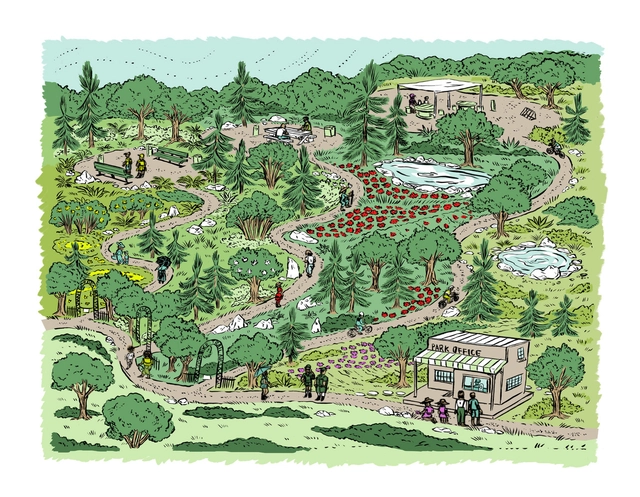
As the pandemic has worn on, the American public has adopted parks and neighborhood streets as safe spaces. This will not be a short-lived phenomenon –bikes have been repaired, running shoes purchased, and puppies adopted. People are growing accustomed to spending time in the outdoors to exercise, spend time with family, enjoy nature –and take that growing puppy for walks.