Videos
The Greater London Authority sought to ensure that walking and cycling, alongside public transit, were viable options for London's population. Photo: WRI Ross Center for Sustainable Cities
Half a century ago, a lethal fog of smoke and soot, also known as the Great Smog of 1952, blanketed London and killed at least 12,000 people. More recently, in 2013, Ella Adoo-Kissi-Debrah died as a result of air pollution. “[Ella] was the first person in the world to have air pollution listed as the cause of her death,” says 17-year-old Anjali Raman-Middleton, co-founder of the organization Choked Up and a friend of Ella's. Yet London's toxic air, a long-standing issue linked to 9,000 premature deaths per year, is more than an environmental and public health crisis.
The debate on crime and public safety in Brazil has been shaped by polarization between proponents of hardline measures—ranging from stricter sentencing and streamlined legal procedures to legal immunity for police violence—and critics of the public safety and criminal justice systems, who point to systemic abuses and the ineffectiveness of incarceration in curbing crime.
Beyond this often counterproductive dichotomy—which does little to address a problem affecting a vast portion of the Brazilian population whose physical safety and property are threatened daily—crime prevention has been rarely discussed and even less prioritized. Yet, successful initiatives do exist, and they all involve local governments taking a leading role in implementing programs and coordinating police action with other social actors.
https://www.archdaily.com/1128015/the-city-and-public-safetyRodrigo Ghiringhelli de Azevedo
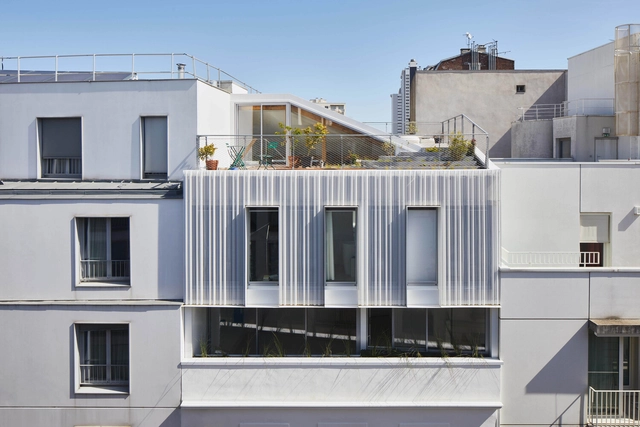
San Francisco is a city defined by its relationship to housing. Since the 90s it has faced an affordable housing shortage, and now, has some of the highest rents of any major US city. As planners and policy makers work to move beyond the city's past and find new paths forward, architects and designers are testing out diverse housing models. From dense residential towers to multi-unit developments, modern housing aims to strike a balance between economy and urbanity.
Through its Seminar on Culture and Contemporary Reality course, Escola da Cidade hosted professor Alfredo Bosi to discuss the notion of culture—or cultures. In the conversation, drawing on personal experiences that touch on various spatial encounters, the professor interrogates and exposes the multiple facets of the word culture.