Renovation works of Mies van der Rohe’s Neue Nationalgalerie in Berlin are in their final phase. Overseen by David Chipperfield Architects, the restoration was much needed after almost 40 years. Set to reopen in the summer of 2021, the concrete, steel, and glass landmark, dedicated to culture and the fine arts, is in fact Mies van der Rohe’s only work in Germany after World War II.
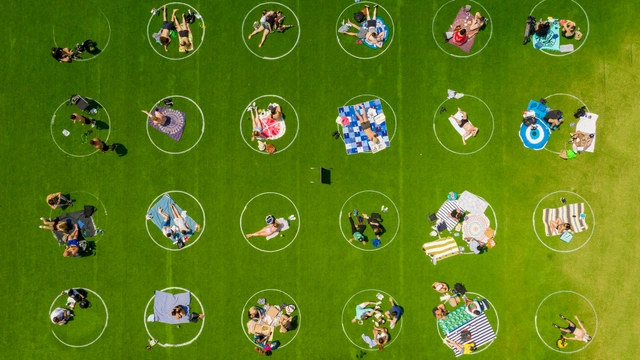
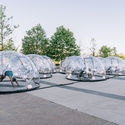
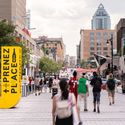
The pandemic provided a unique circumstance for city-scale experiments regarding mobility, while immediate responses showed the transformative power of tactical urbanism. In many cities, the measures meant to ensure social distancing are to be kept in place post-pandemic, paving the path towards recovery with less traffic and more outdoor activities. How did the pressure of rethinking streets, functions, and transportation systems transform public space in 2020?
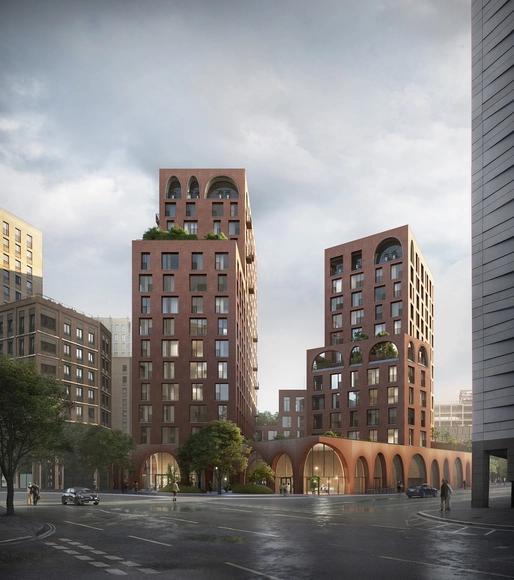
Alison Brooks Architects has created a landmark structure in the emerging area of Kings Cross in London, part of its Central Masterplan. The proposed mixed-use urban block containing 158 dwellings will reinforce the neighborhood’s “unique sense of place and celebrate its emerging and historic contexts”.
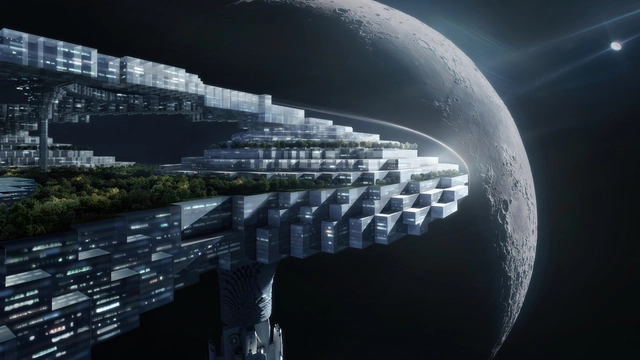
Lego China has teamed up with CAA Architects to create a vision for a modular city in space. Designed by Liu Haowi, the city is made with a spacecraft below and a larger urban center above surrounded by an artificial gravitational field controlled by AI. Called "Crystal Space City", the project is constructed by modules and combines a city, oasis and an energy power system all together.
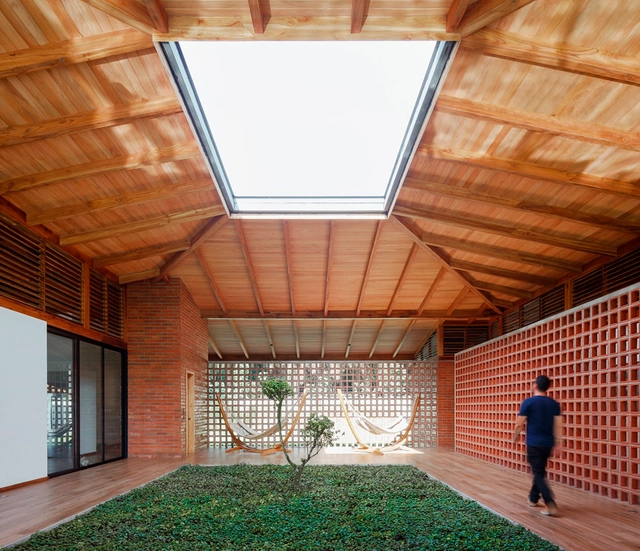
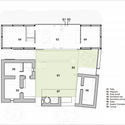
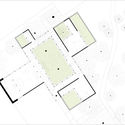
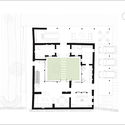
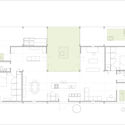
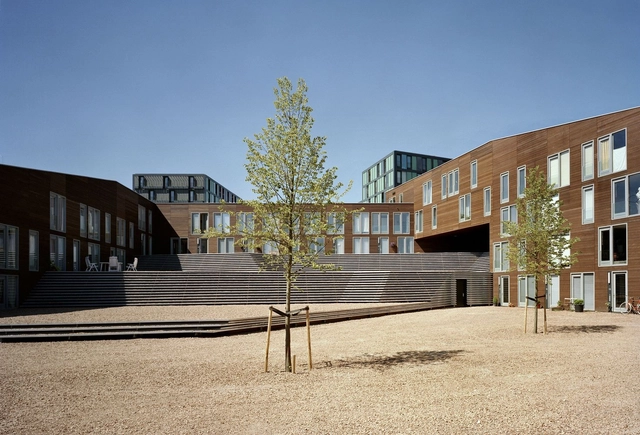
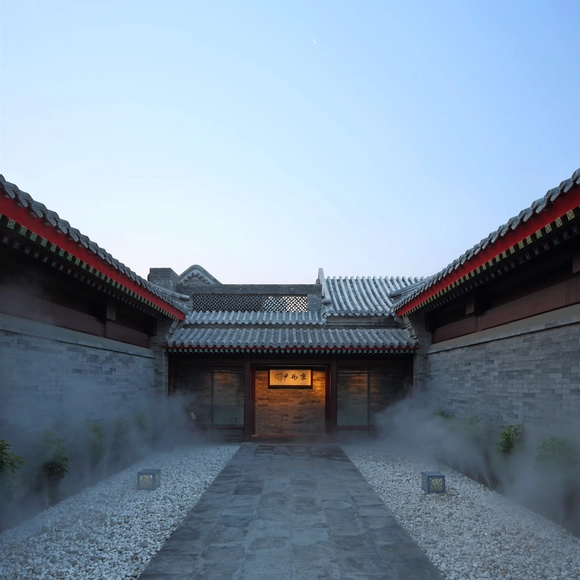
Inner courtyards and gardens can provide many benefits, such as natural light, better ventilation, and increased contact with nature without losing privacy.
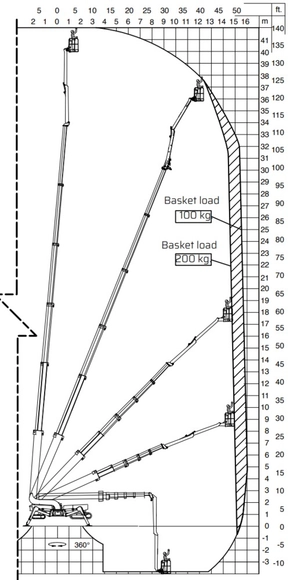
Diagram of Falcon Lift's Falcon FS 420C. Image Courtesy of Falcon Lift
For companies or leasers that own large buildings, building maintenance can seem daunting, costly, or even superfluous, particularly when building functions appear to be running smoothly. But proper and consistent building maintenance is imperative for a number of reasons. Buildings inherently function less effectively over time due to natural causes such as climate, daily occupant use, mechanical obsolescence, and more. When left unresolved, these issues can devalue user experiences, create dangerous and unhealthy environments, and even incur costs higher and more sudden than consistent building maintenance costs.
https://www.archdaily.com/928044/why-is-building-maintenance-importantLilly Cao
In a year marked by physical distance, social networks have gained an even greater dimension in the ways of relating to people and getting informed. Our channel on Instagram has surpassed its number of reach and brought to the public the best of what we publish on our page: projects, articles, interviews, and news from the world of architecture, inspiring new ideas and tools for a better future to our cities.































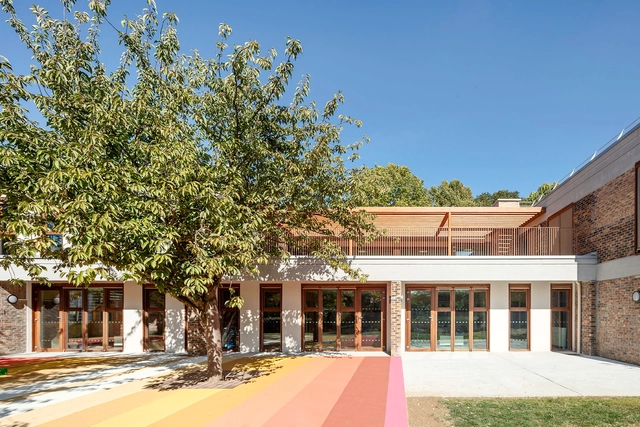
.jpg?1608067459&format=webp&width=640&height=580)
.jpg?1608067859 "© Marc Goodwin")
.jpg?1608067247 "© Marc Goodwin")
.jpg?1608067553 "© Marc Goodwin")
.jpg?1608067459)