The Aga Khan Award for Architecture announced the Master Jury that will select the 2020-2022 cycle winners. The jury, among which are Anne Lacaton, Francis Kéré, Nader Tehrani, or Amale Andraos, will look for projects that respond to the cultural aspirations of their social context and show innovative use of local resources and building technologies. Founded in 1988 by Aga Khan IV, the award covering three-year cycles aims to highlight projects of relevance and positive impact for Islamic communities.
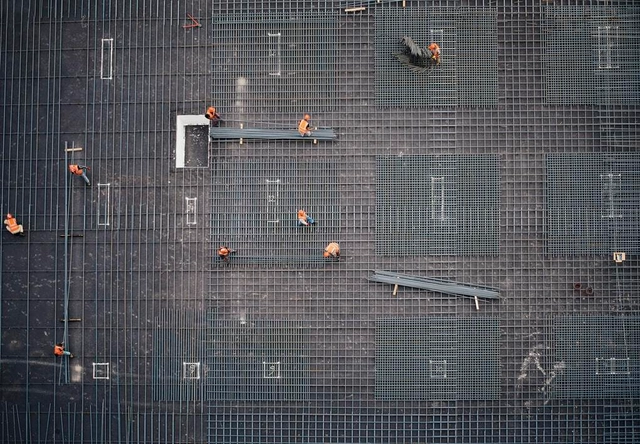
The construction industry is known to be one of the most polluting industries on the planet, but we often find it difficult to associate the role of the architect and urban planner with this industry, thus avoiding the responsibility of being involved in one of the most harmful production chains in the world. Therefore, it is imperative to emphasize the importance of questioning not only the materials used in the projects but also the manufacturing systems involved.
Edificio ZETA en Buenos Aires, diseñado por ODA. Image Cortesía de ODA
ODA, the New York-based architecture office, has recently unveiled its design for Paseo Gigena, a former parking lot that will be transformed into a mixed-use project and a public park in Buenos Aires. Around the same time, ODA has also announced the beginning of the construction phase of its first residential venture in the same city: The ZETA building.
Located in the Belgrano neighborhood, next to the modern structure of the University of Belgrano and facing the historic mansion that houses the Australian Embassy, the 126-unit project seeks to "reimagine the language of residential buildings in Buenos Aires", according to the architects.
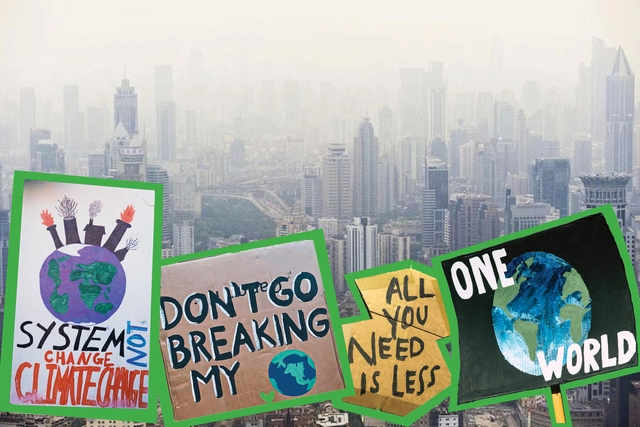
The impact that the climate crisis has had on the globe over the last decade is a critical influence on how architects and urban planners design future cities. It’s clear that both at an individual and corporate level, it’s important to take action and protect the earth before the negative impacts change our familiar environments forever- and time is running out fast. When it comes to creating ways to save our cities from “the next big one”, whether it be a hurricane, flood, snowstorm, or fire, the way that we design the preventative infrastructure neglects a significant number of people. Climate change doesn’t just impact the wealthiest places in the world, it actually has greater effects on the most impoverished.