

-
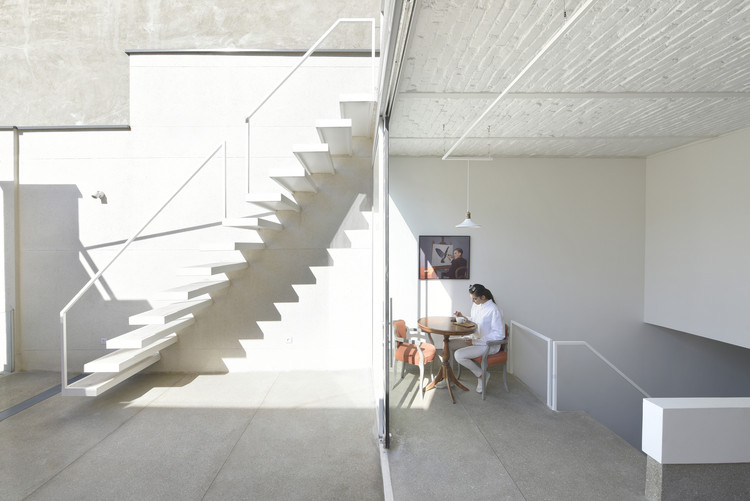
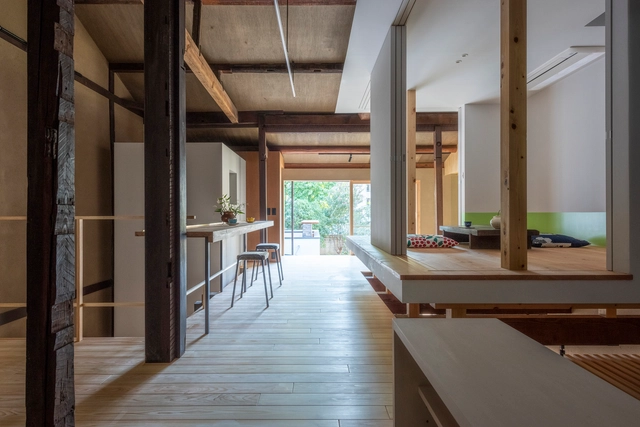
Architects: ENDO SHOJIRO DESIGN, td-Atelier
- Area: 161 m²
- Year: 2021
-
Manufacturers: Adobe, DN Lighting, ENDO Lighting Corporation, Hibino, Jw-CAD, +5
-
Professionals: Michikusa, Fuzisaki Gumi Company Limited




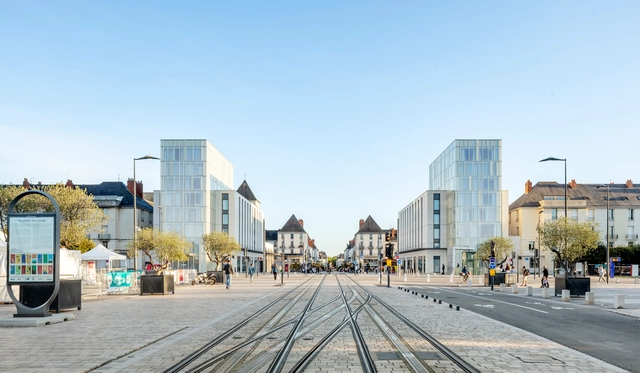
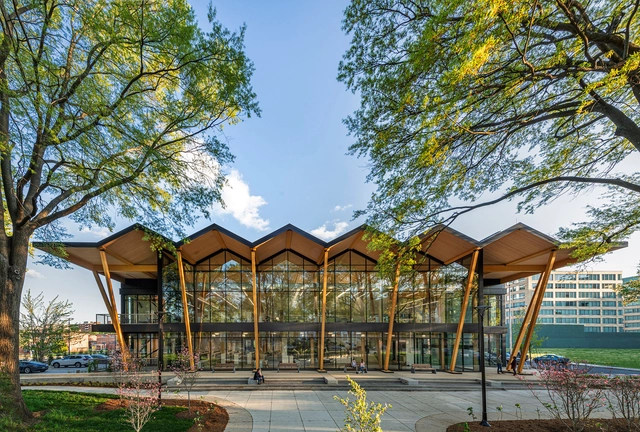
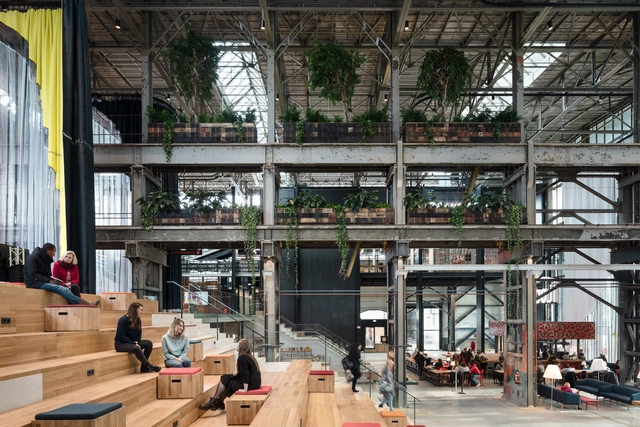
Stating that “design and sustainability are indissociable”, the 2022 European Union Prize for Contemporary Architecture – Mies van der Rohe Award, centered its nominations on social inclusion, sustainability and circularity, and aesthetic research. So far, 40 shortlisted projects are moving to the next level. The biennial contest that gives tribute to works completed within the previous two years in general, will announce the 5 finalist works in February 2022, and the winner in April 2022.
Focused on 3 main titles, "the European city: a model for the sustainable smart city", "defining common European culture while reflecting the diversity of expression" and "an architecture that has social impact and transmits a cultural message", we have grouped the selected projects, nominated by a jury formed by Tatiana Bilbao, Francesca Ferguson, Mia Hägg, Triin Ojari, Georg Pendl, Spiros Pengas and Marcel Smets to give a better understanding of the selection criteria and the architectural situation in Europe.
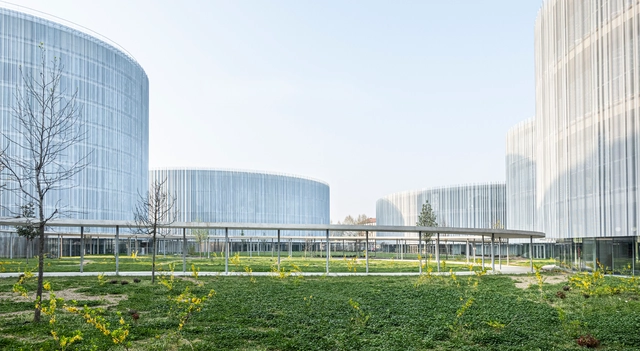
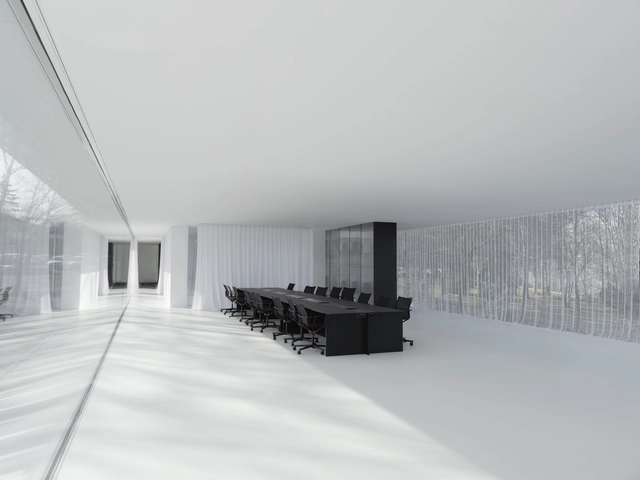
As we continue to navigate the ongoing pandemic, the future of offices and workspaces has been widely debated. However, some immediate effects are clear: the rigid, primarily in-office model has been quickly replaced by hybrid work, with adaptability and comfort becoming the top priorities. Therefore, even as long-term consequences might be unclear, businesses will certainly have to strive for the right balance between traditional and remote methods in order to promote efficiency and employee well-being. From a design and architecture perspective, demand will focus on flexible working environments that foster creativity, productivity, and comfort – as well as addressing the associated technological, economic, and sustainability challenges.

Continuing its long-lasting collaboration with Prada, OMA’S research and design branch AMO created a cinematic scenography for the brand’s 2022 Fall Winter Menswear show. Yellow carpeting envelops the hall of Deposito at Fondazione Prada, reimagined as a theatrical setting with olive-green theatre chairs and stage lighting. In juxtaposition, sci-fi looking metal-clad tunnels bathed in neon lights emphasize “the uncanny relationship between the theatrical and technological atmospheres”.

Although they are not considered long-stay areas in a home, kitchens and bathrooms are spaces where functionality is essential for the daily lives of residents and visitors. Of all the elements in wet areas, the ones that need special attention are the worktops. In this text we will point out some tips for designing functional wet area countertops, easy to maintain and appropriate for their uses.

The Royal Institute of British Architects (RIBA) has named Friendship Hospital in Bangladesh, designed by Kashef Chowdhury/URBANA as the winner of the 2021 RIBA International Prize, the biennial award highlighting worldwide projects that "demonstrate design excellence and social impact". The remote community hospital set within a riverine landscape translates the site's conditions prone to flooding into the central theme of the design, crafting a serene environment around the water element. The jury commended the project's thoughtful and innovative design within a modest budget, its use of local craftsmanship, and its climate-resilient response.

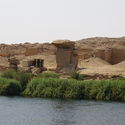
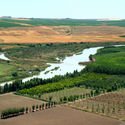
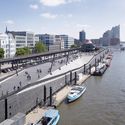
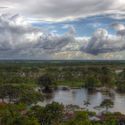
Rivers have long been considered as Earth’s arteries, serving as the essence of urban communities as human settlements developed their shelters and crop beds around them. Centuries later, riverside architecture remained vital as these areas expanded beyond residential typologies, and harnessed dynamic mixed-use developments and public functions. As valuable as they may seem though, these landscapes come with the risk of unexpected floods, increased water levels, or complete droughts, which has forced architects to design built environments that are able to respond to these abrupt changes. So how were these settlements built in the past, and how has today’s urban densification and technological advancements influence the way they are built?










.jpg?1578927693 "© Deed Studio")

.jpg?1578927179 "© Deed Studio")
.jpg?1578926538 "© Deed Studio")