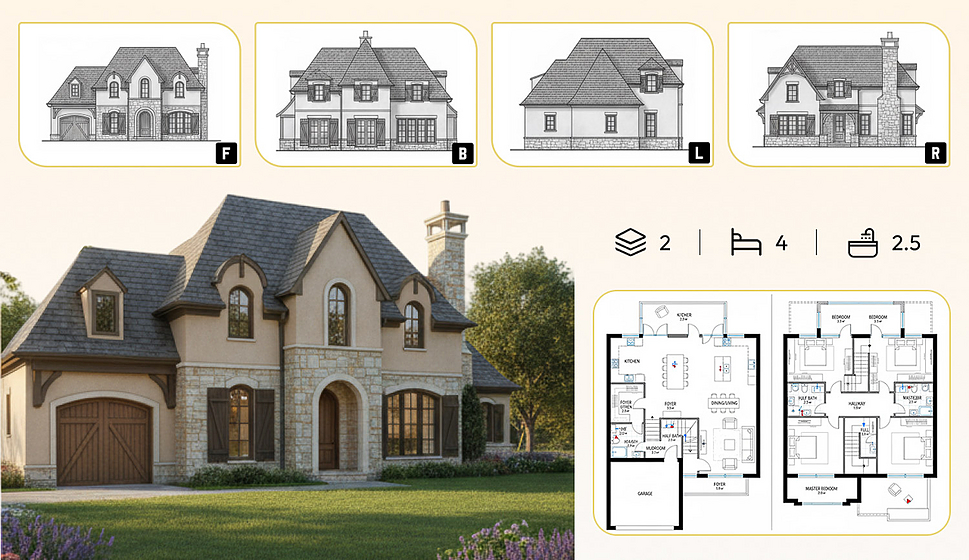
This guide covers a workflow that moves from project parameters to generated floor plans, 3D perspective views, exterior design exploration, and site context visualization, using AI tools in place of preliminary CAD and rendering work.
This guide covers a workflow that moves from project parameters to generated floor plans, 3D perspective views, exterior design exploration, and site context visualization, using AI tools in place of preliminary CAD and rendering work.

The new report from the Intergovernmental Panel on Climate Change highlights nature's immense potential to reduce climate change risks and build resilience. The political landscape has become increasingly supportive of this approach. In 2021, for instance, 137 countries collectively committed to halting forest loss and land degradation by 2030 as part of the Glasgow Leaders' Declaration on Forests and Land Use. Signatories reaffirmed the importance of all forests in adapting to the impacts of climate change and maintaining healthy ecosystem services. Funding pledges quickly followed, including $19.2 billion to protect and restore forests globally.
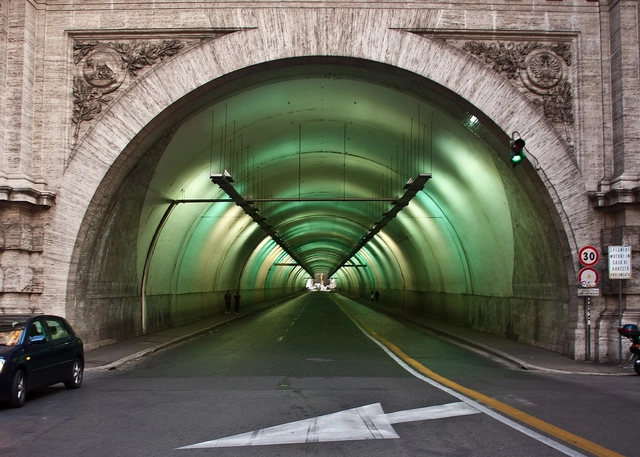
Smart buildings are more and more on the agenda. For their elaboration, some materials have been developed to meet specific objectives during their use without the need to be operated by any person or equipment. Self-maintenance, cleaning the air, working with the comfort of space, energy efficiency, are just some of the benefits that can be achieved by adopting them.
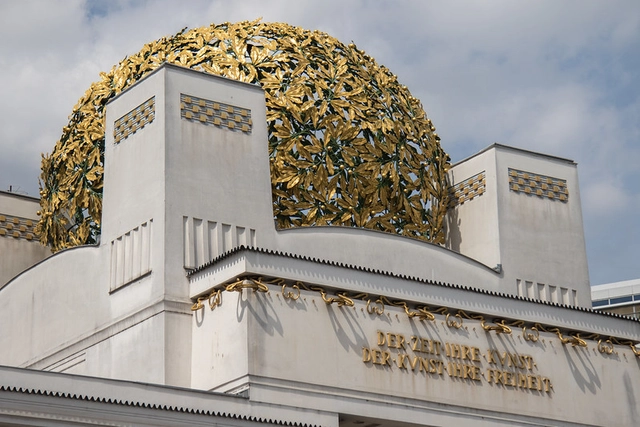
All architecture movements throughout history spur from shifts in society that demand a new style that better reflects the way that technology has advanced the practice and how people express their political, religious, and moral beliefs and practices. While some shifts occur over a period of several years, others are experienced as a sudden revolt. The Vienna Secession was undoubtedly the latter. At the end of the 19th century, a group of artists and architects aimed to explore what art should be as it pertained to filtering global influences in a way that could introduce new modernism.
.jpg?1653591774&format=webp&width=640&height=580)
Commemorating PAC 3.0 and PAC 4.0, which took place during the quarantine, and launching PAC 5.0, Sto Chile celebrated at "Casa ArchDaily" with competition partners and friends from the private, public, trade, and industrial sectors.
Join the PAC team!
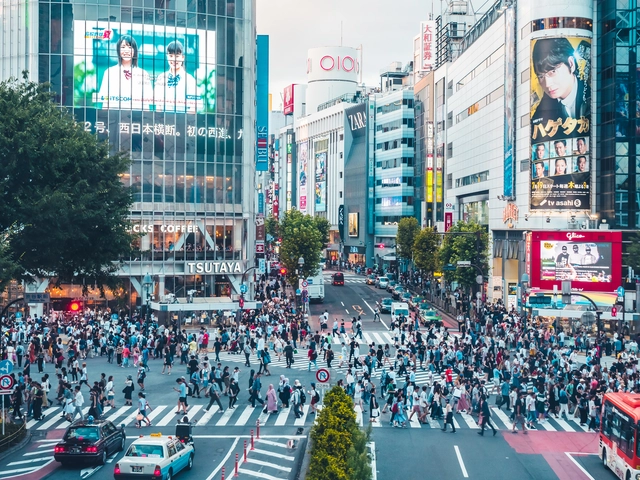
Half of the world’s population now lives in cities, according to UN-Habitat’s latest reports. While this number is set to increase to two-thirds by 2050, urban challenges are growing exponentially, making it more crucial than ever, to transform our cities. Annually, the world population review assesses the growth of cities and the number of residents living in metropolitan areas, to understand global evolution trends. In 2022, the list of the top 20 most populated countries remained similar to the 2021 edition, with a slight change in numbers and positions. Tokyo kept its status as the world’s largest city, with 37 million inhabitants, while Delhi and Shanghai, followed in second and third positions.
Comparing the results to the 2021 edition, the only decrease that can be seen in the top 20, involves both Japanese cities, Tokyo and Osaka. The rest of the list had, on average, a growth of 1.8% in the total of people residing in metropolitan areas. In fact, African cities Kinshasa in the Democratic Republic of Congo and Lagos in Nigeria gathered the highest rates, with respectively a 4.39% and a 3.54% increase in residents in 1 year. The largest city in the American continent is still Sao Paulo in Brazil, followed closely by Mexico City and Buenos Aires in Argentina, further down the table. In Europe, Istanbul is the most populous, with more than 14.5 million residents.
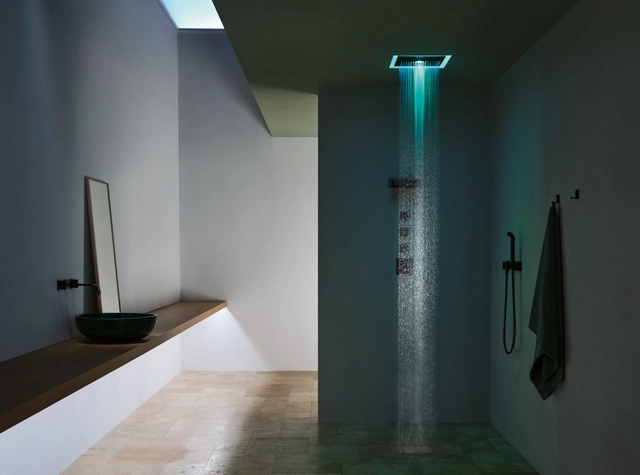
Taking a good shower can be an extremely relaxing and pleasant experience. Far beyond the simple (and important) functions of removing dirt and sweat and balancing the bacteria present on the skin and body, the feeling of well-being that a bath provides can make us think better, come up with ideas to solve problems and relax our muscles. To make things even better, this experience can be enhanced through a well-designed space, with suitable materials, well thought out lighting, and components that provide a good waterflow.
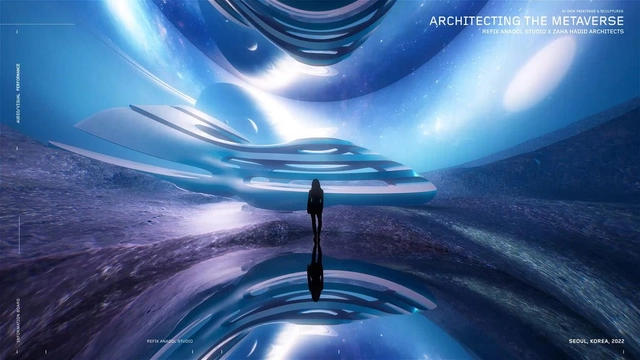
Dongdaemun Design Plaza (DDP) has collaborated with Zaha Hadid Architects (ZHA) for the 'Meta-Horizons: The Future Now' exhibition in Seoul, Korea. Designed by ZHA to promote the instigation and exchange of new ideas and to showcase innovative technologies and media, the inaugural exhibition of DDP’s new Design Museum explores ZHA’s work across multiple fields, from digital technology to artificial intelligence and virtual reality, featuring the firm's recent designs, process, and research that incorporates immersive technologies and new fabrication techniques. The exhibition will be on display from 26 May - 18 September 2022.
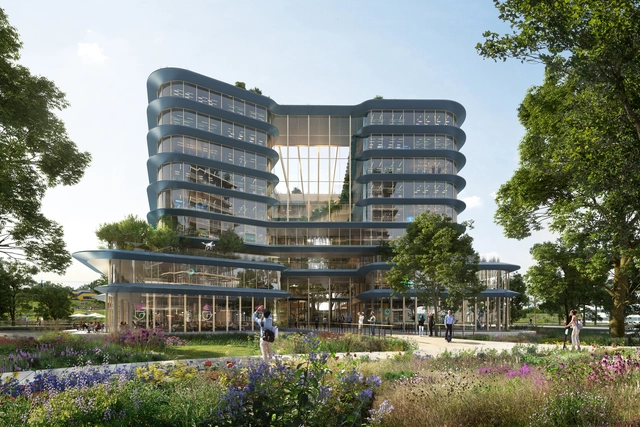
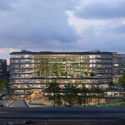
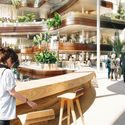
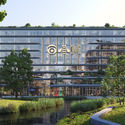
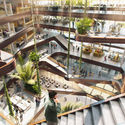
Powerhouse Company has revealed the design of the new IBM Headquarters in Amsterdam, Netherlands. The architects drew inspiration from the client’s ethos to create a building that functions as a vertical city, with a large atrium conceived as the central social space and multi-tenant offices as neighborhood units. The 35,000 square meter building will house startups and scaleups in addition to the various amenities like fitness areas, restaurants, and lecture halls.
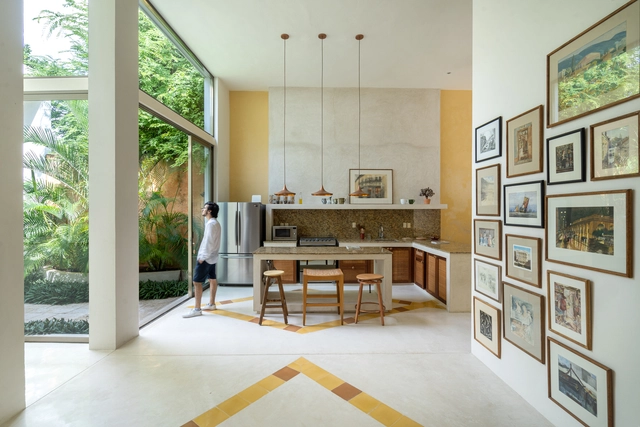
Over the years, interior design has evolved according to the needs that arise, but above all, according to the experiences it seeks to evoke in the user. Over the last two years, we have witnessed a radical change and a special interest in this subject because the pandemic forced us to pay specific attention to the configuration of the places we inhabit. This brought about much more holistic designs that seek to address the wellbeing of the user, combining colours, sensory experiences, technology and natural elements that promote health.
In the framework of the UIA 2022 International Forum "Affordable Housing Activation: Removing Barriers", the Consejo Superior de los Colegios de Arquitectos de España (CSCAE) has developed a useful tool: the first dynamic atlas on access to housing. This atlas brings together on a single platform more than 4,000 financial, urban context and development indicators from the main international organisations, from official and non-structured sources, making it easy to understand, read and interpret. These organisations include, for example, the World Bank, the Ibero-American Development Bank, the International Monetary Fund, and the World Health Organisation, among others.

This week’s curated selection of Best Unbuilt Architecture highlights residential projects submitted by the ArchDaily community. From a small community-dwelling in Ghana to a villa tucked under a hillside in Portugal, this roundup of unbuilt projects explores how architects react to various site topographies, cultures, and material availability when designing spaces that provide more than shelter to their users. The article also includes projects from India, Iran, Ireland, Latvia, Georgia, and Saudi Arabia.

Not many architectural projects require maps of the area to be updated. But, then again, not many projects are as sensitively considered as the Lighthouse Hotel & Spa in Büsum, North Germany.
It could have gone so wrong. But local architect Thomas Ladehoff – in close collaboration with hotelier and creative sparring partner Jens Sroka – managed to deliver a 108-room destination that, through its clever voluminal articulation and constructional materials, respects both the scale and the vernacular language of its environs – and most importantly mitigates its partial obstruction of the 110-year-old lighthouse next to which it sits and from which it takes its name.
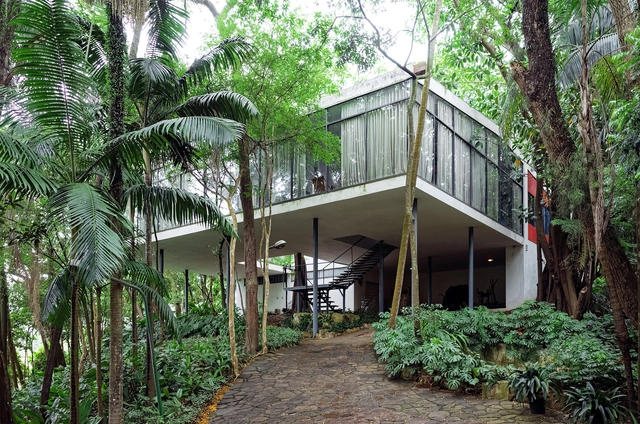
Alternating between housewife and architect, Lina Bo Bardi appeared in the pages of O Cruzeiro magazine—featured in women's columns for her risotto alla milanese, and in cultural sections as the architect of MASP (Museum of Modern Art of São Paulo). Published weekly by Assis Chateaubriand's Diários Associados, O Cruzeiro enjoyed nationwide notoriety and circulation. Although targeted at upper-class housewives, its content was broad, covering fashion, culture, cinema, politics, and "women's advice sections" (sic).

One of the great theorists of architecture, the city, and nature recently passed away on March 17, 2022, at the age of 85. Born in Vienna on October 4, 1936, Christopher Alexander lived a long life of singular contributions, offering visionary ideas about cities that challenged the mainstream of architectural practice.
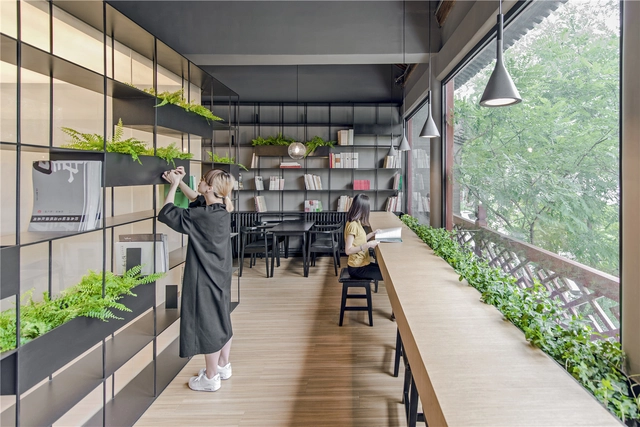
Throughout the years, coffee shops and cafés alike have become so much more than just a place to acquire a delicious brew. Since the first coffee shops were established, they have been used as social places to congregate and meeting points for the public. Alongside the development of coffee shops came the ‘coffee culture’, a set of traditions and rules regarding the way cafes are used, and the way these delicious brews are enjoyed.
Coffee shops are everywhere, not just on our city’s high streets, but globally beloved. They offer an atmosphere that is warm and inviting, with a focus on the ambiance and aesthetic of the space as well as the services they offer, with some cafes housing multiple functions beyond the brew. Therefore, the question stands: how are coffee shops today tapping into creating new spaces that are interesting and bring new life to the beloved culture?

Documenting architectural and urban projects is not just a final step, but a vital act of preserving memory. In this episode of the Betoneira Podcast, architect Hugo Segawa, a pioneer in using photography as a tool for researching and documenting Brazilian architecture, emphasized that the act of documenting must generate knowledge.
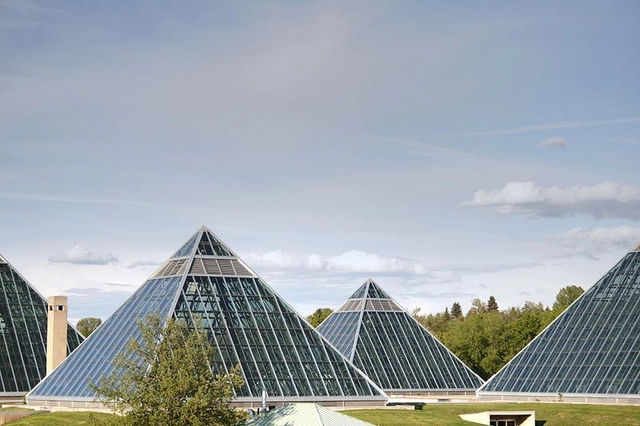
As one of the wonders of the world, the Egyptian pyramids are steeped in rich history and shrouded in mystery. Using their unparalleled resources to create structures on a scale that had never been seen before, the ancients used the pyramid shape to construct structurally resilient and visually powerful icons, surviving the ravages of time. Presenting a new definition in terms of monumentality, these architectural marvels remain a timeless and influential form for design concepts today.
Although its origins are historical in nature, this iconic structure is resurfacing in many architectural projects around the world, modern pyramid architecture for a range of different functions and applications. From sustainable building, museums, malls and residential structures, the pyramid typology is visually enthralling and can be constructed in a range of different materials and environments.
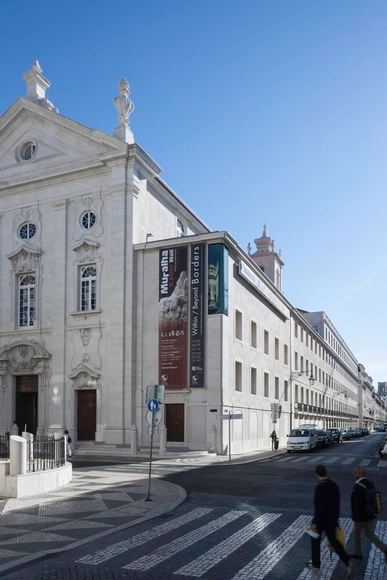
No País dos Arquitectos is a podcast created by Sara Nunes, who also runs the architectural film production company Building Pictures. The podcast aims to profile the professionals, projects, and stories behind leading contemporary Portuguese architecture. With just over 10 million inhabitants, Portugal is a highly compelling country within this professional field, and its architectural output far exceeds what its population or territorial scale would suggest.
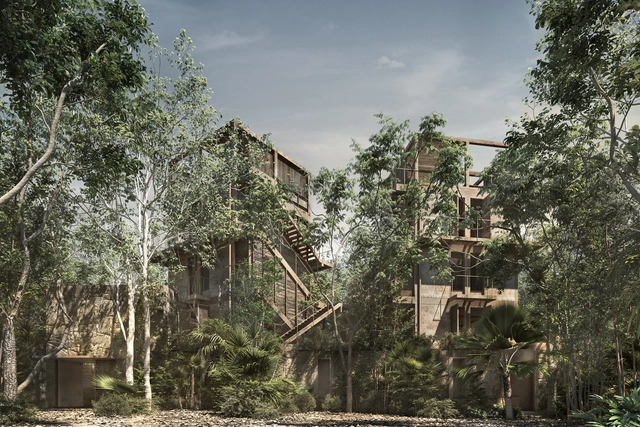
Tulum is a region located in southeastern Mexico, within the state of Quintana Roo, specifically on the coast of the Caribbean Sea, and is part of the Riviera Maya. Historically, Tulum was a walled city; its name, which means "wall" in Mayan, arose when the settlement was already in ruins.
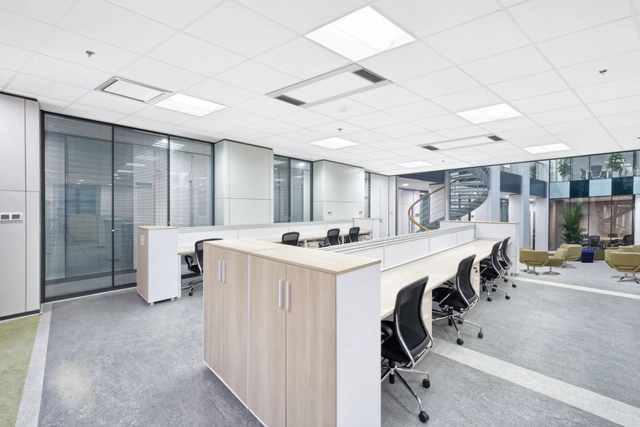
One of the most significant shifts in contemporary work culture has been the widespread adoption of remote work. Indeed, even more than two years after the onset of the pandemic, this remains the reality for many workers. While some predicted this would spell the end of the physical office, many companies have opted for a middle ground: a flexible, hybrid model designed to restore in-person collaboration while preserving the benefits of working from home. However, returning to the office in a pandemic context has raised several critical questions—chief among them, how to ensure a safe and healthy workplace?
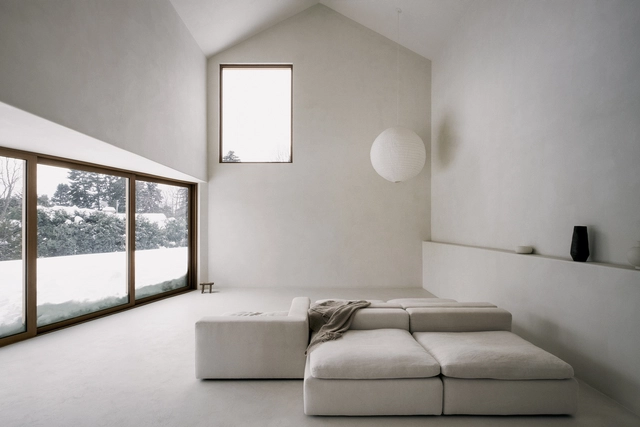
The visual aesthetic of the past few decades could be defined as designing with the principles of ‘nothingness’. Whether it’s through art, lifestyle, fashion, industrial, or interior design, there has been an alleged need to keep things at a bare minimum, promoting the globally-loved-yet-highly-criticized trend of minimalism. Minimalism is this notion of reducing something to its necessary elements, but who is deciding what is necessary, and who is deciding what is too much? With those questions in mind, combined with radical changes in consumerism and the way people live seen during recent years, current trends have shown that minimalism might be here to stay, but with a twist.
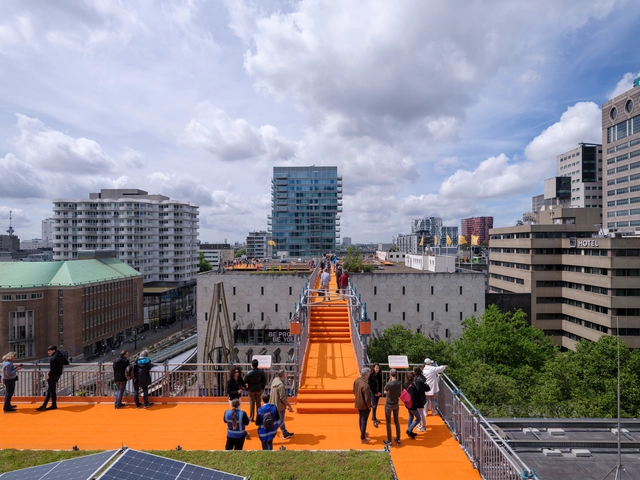
Designed by Rotterdam Rooftop Days and MVRDV, the Rotterdam Rooftop Walk has finally opened to the public. The installation offers visitors a new perspective on the city, with a 30-meter-high aerial bridge that spans across a variety of the city’s rooftops, from the roof of The Bijenkorf department store to the top of the World Trade Centre plinth. The project aims to showcase how rooftops can provide an added layer of public infrastructure in a dense city where public space is scarce. Rotterdam Rooftop Walk is open from May 26 to June 24 from 10:00 to 20:00.
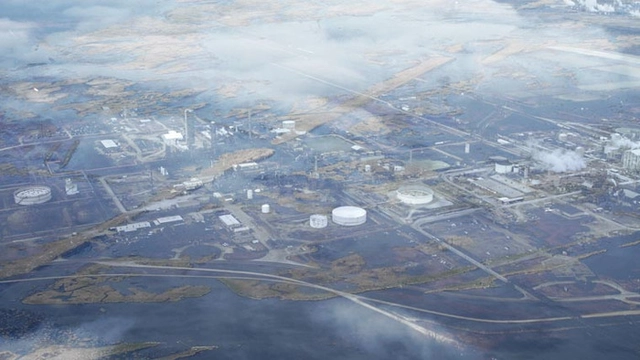
The Graham Foundation has announced the award of 56 new grants to individuals exploring ideas that expand contemporary understandings of architecture. The recipients have been selected from an open call that resulted in nearly 500 submissions. The selected projects are led by 81 individuals with diverse backgrounds. The funded projects, including exhibitions, publications, films, and podcasts, among other formats, encourage experimentation and foster critical discourse in architecture.

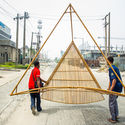

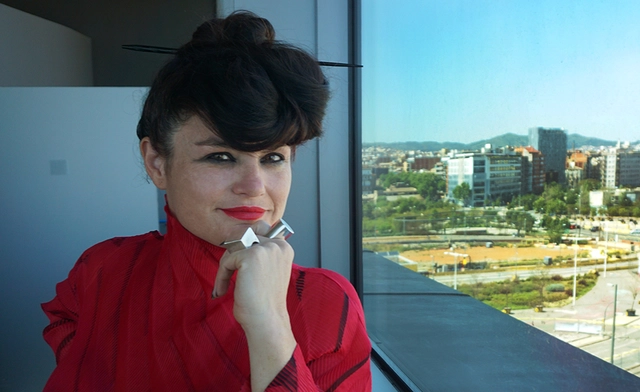
Eva Franch I. Gilabert is one of the three artistic directors of Model. Barcelona Architectures Festival, together with Beth Galí I. Camprubí and José Luis de Vicente. The first edition of a project that has taken the city of Barcelona as a place for experimentation and debate.
From the 5th to the 15th of May, they took the public space and transformed it into both a playground and platform for international voices, local architects, policymakers, politicians and citizens, to engage and discuss what the future of Barcelona and other cities could be.



.jpg?1653902387 "ZHA_RAS_Architecting the Metaverse Render. Image Courtesy of RAS")
.jpg?1653902366 "ZHA_RAS_Architecting the Metaverse Render. Image Courtesy of RAS")

.jpg?1653901572 "ZHA_RAS_Architecting the Metaverse. Image © Kyungsub Shin")