
-
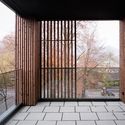
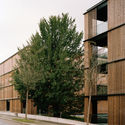
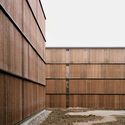
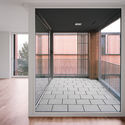
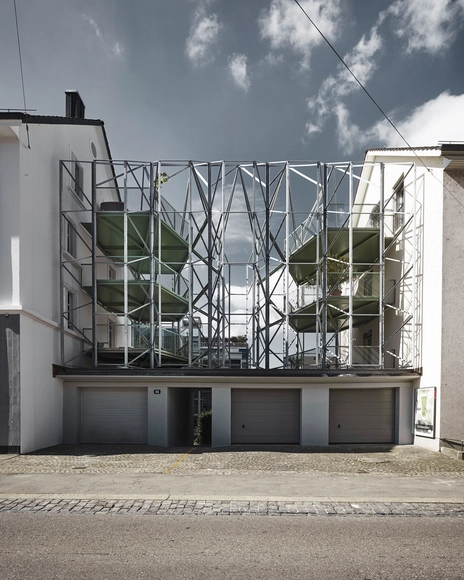
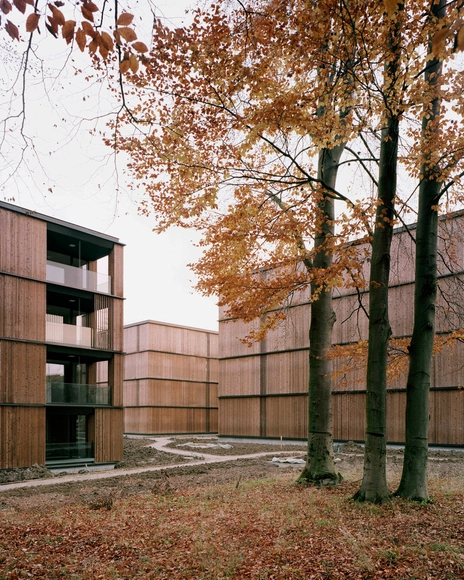
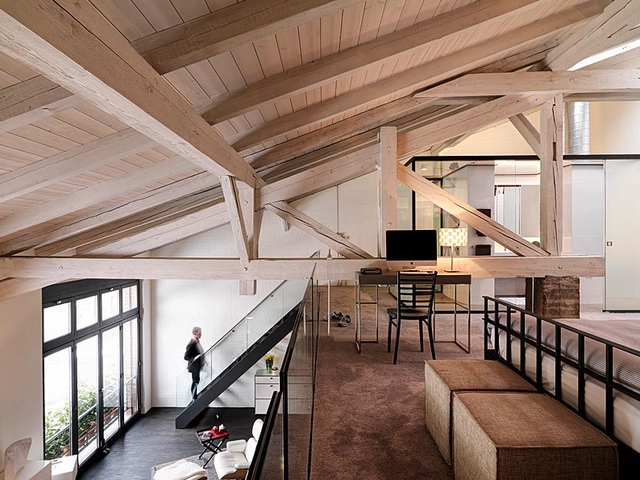
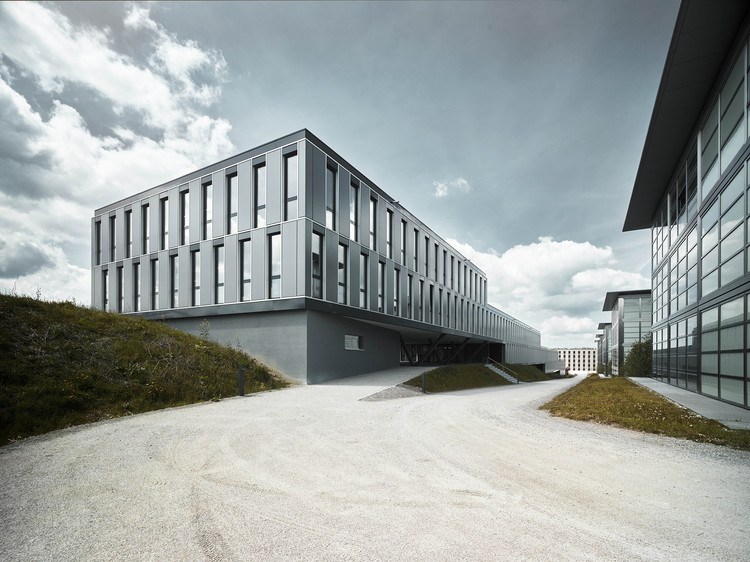
Architects: Miller & Maranta
- Year: 2013
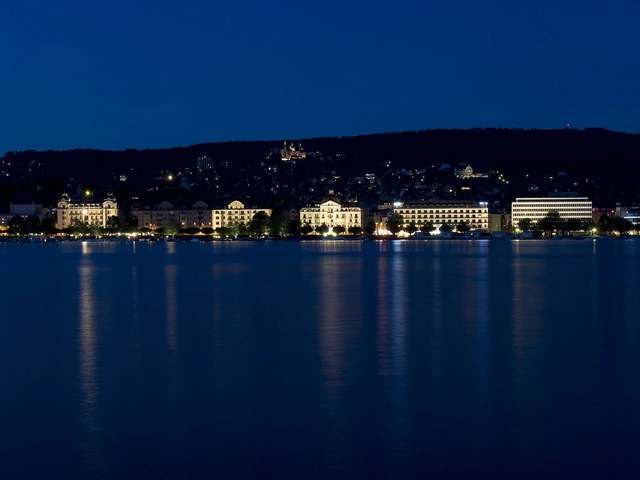
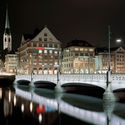
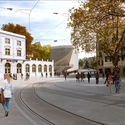
While many cities strive for a spectacular appearance at night, Zurich follows a modest strategy for nocturnal illumination. Numerous urban centers in the world are oversaturated in the evening, with individual buildings calling for attention through bright light, harsh contrasts, or colorful façade lighting. In contrast, the Zurich master plan for lighting has focused on an overall image of sensitive light levels with white light. But this nocturnal presence far from simple design, and is instead based on detailed urban studies and precise, customized projections, where technology is discretely hidden in favor of authentic culture.
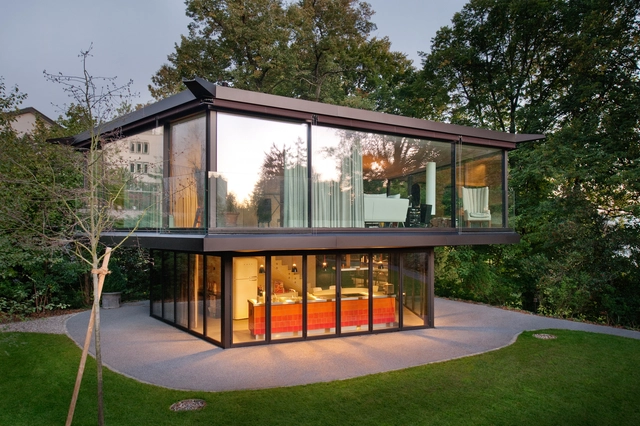
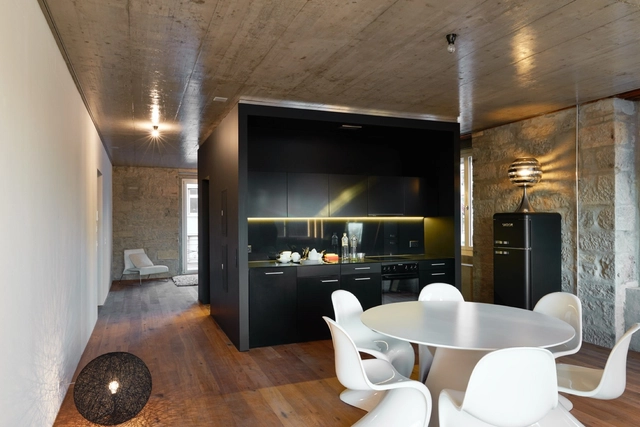

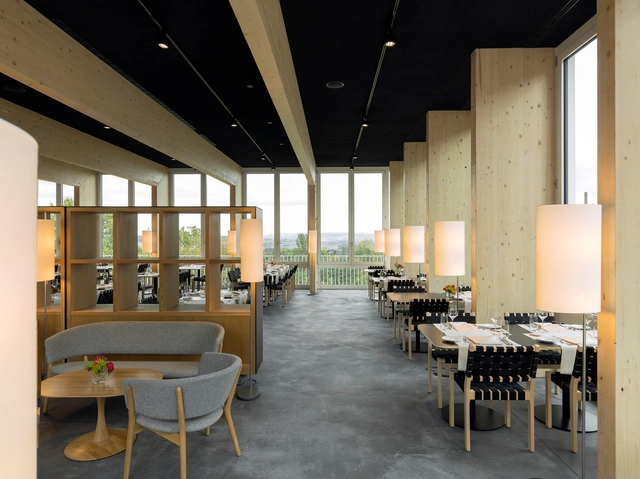

TOTAL RECALL
is a reference to see and feel what really is there, a sudden clearness,
independent of program, with no hierarchy or status, just a hint of cultural context,
like a ruin in a landscape.
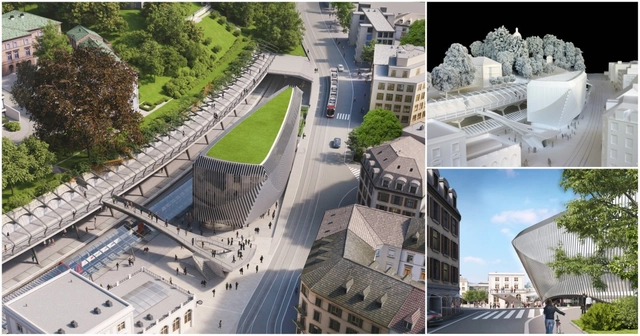
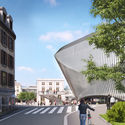
Santiago Calatrava has unveiled plans for a new office building in the city center of Zurich, Switzerland. The new five-story building will be integrated into Stadelhofen Station, the transit hub and city landmark also designed by Calatrava in 1990.
.jpg?1465734933&format=webp&width=640&height=580)
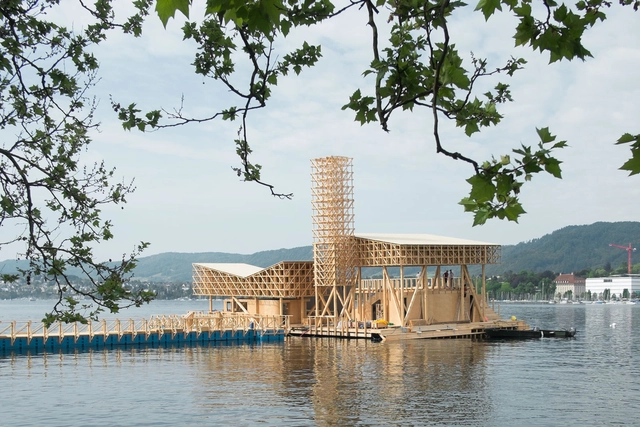
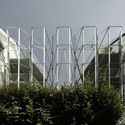
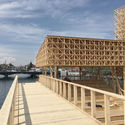
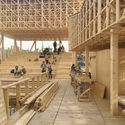
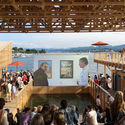
On June 11th, the European Biennial of Contemporary Art, also known as Manifesta, began its 100-day stint in this edition's host city, Zurich, Switzerland. The festival's center-piece is a timber raft floating on Lake Zurich, known as the Pavilion of Reflections. The temporary structure was designed and realized by Studio Tom Emerson and a team of thirty students from ETH Zurich. Constructed primarily of timber, Christian Jankowski, curator of Manifesta 11, describes the exhibit “as a floating multi-functional platform with a giant LED screen, a stand for spectators, a swimming pool and a bar.”
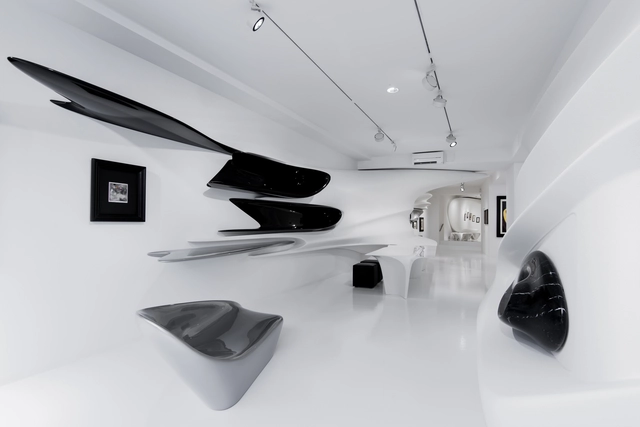
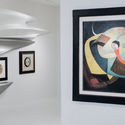
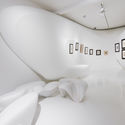
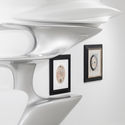
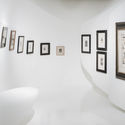
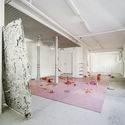
Zaha Hadid’s exhibition design for Kurt Schwitters: Merz opened to the public earlier this week at Galerie Gmurzynska in Zurich. In an article about the exhibition in T Magazine, senior designer and director at Zaha Hadid Architects (ZHA), Patrik Schumacher said, “It’s literally the last project of Zaha, finished by her team.”
The exhibition, presenting seventy works – in all media – from each period of the artist’s career, honors five decades of the gallery showing Schwitter’s work. Hadid’s design is a reflection on the artist’s well-known, but destroyed, Merzbau, a sculpture that filled the artist’s workspace from 1923-1937. According to the Hadid’s office, “[Merzbau was] a living, inhabited collage, ever-shifting and expanding, and this was the starting point for [Zaha’s] exhibition design which pushes beyond mere random collage to embrace the unpredictable richness and the complex variegated order found in nature.” The design builds on an established relationship between Hadid and Galerie Gmurzynska; Merz following in the footsteps of an earlier exhibition space designed for another of the architect’s inspirations, Kasimir Malevich.
.jpg?1496789104 "Waterfront illumination of Stadthausquai with Fraumünster Church and St. Peter Church, Zürich. Photo by Benno Tobler. Image © Stadt Zürich")



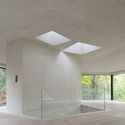




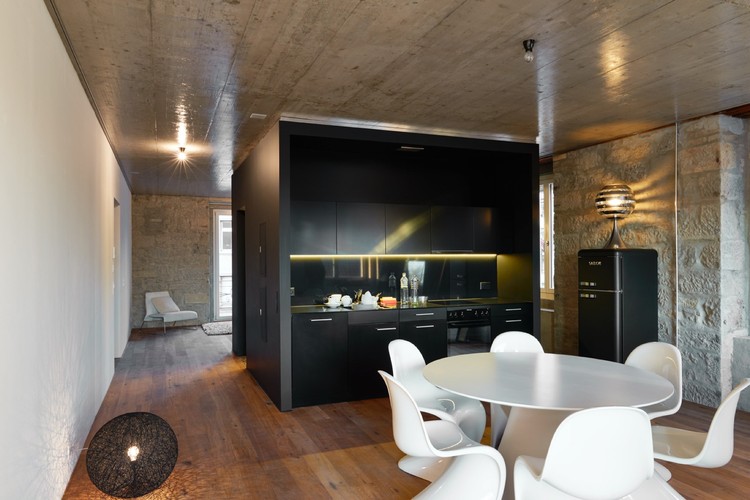







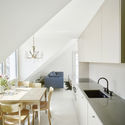


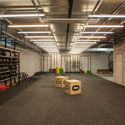
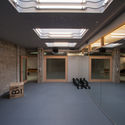
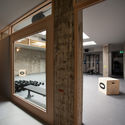


.jpg?1465734808 "© Laurian Ghinitoiu")
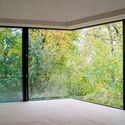
.jpg?1465734849 "© Laurian Ghinitoiu")
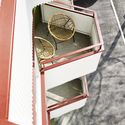
.jpg?1465734925 "© Laurian Ghinitoiu")
.jpg?1465734980 "© Laurian Ghinitoiu")
.jpg?1465734933)