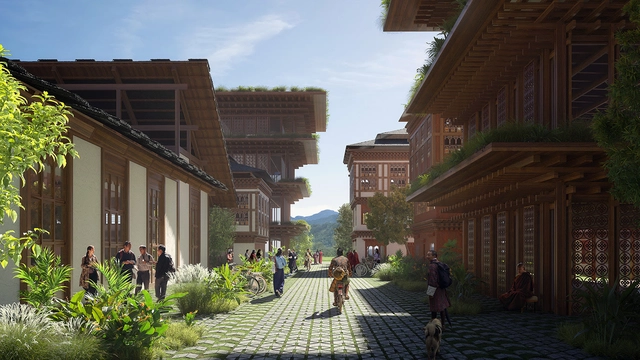
BIG unveils "Mindfulness City", which unites historical heritage and the future of Bhutan. Courtesy of Bjarke Ingels Group
Recently, the renowned Danish office BIG announced the launch of its project for the city of Gelephu in Bhutan. This masterplan is inspired by the country's culture and its principles of happiness. The "Mindfulness City" aims to offer numerous possibilities for public engagement, fostering investments in infrastructure, education, and sustainable technologies—all aligned with the precepts of Gross National Happiness (GNH).
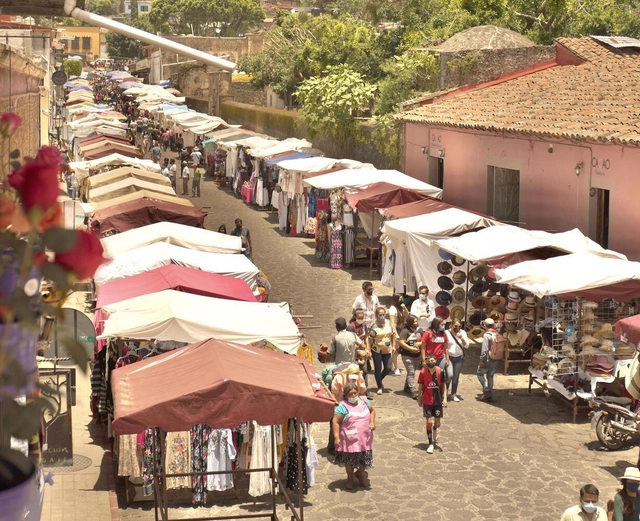
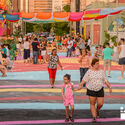
via Unsplash | Street fair in Tepoztlán, Mexico. Photo by Karo Kujanpaa
Usually defined by their open-air settings, diverse offerings, local and independent sellers, temporary nature, and acting as social hubs, street markets have been around for thousands of years. From the days of the Roman Forum to the Silk Road and the markets of ancient Greece, they are undoubtedly essential parts of urban life, or “the center of all that is unofficial.” Mostly categorized under the informal economy due to lack of regulations and authorization, street markets in the global south have often been seen as a threat to urban development. However, these erratic and adaptive urban spaces serve core functions in any developing city, acting as pillars of community in many different facets of society.
Policymakers and city officials have long struggled with informality, considering it the “antithesis of modernity.” Conventionally, the informal economy consists of activities with market value but are not formally registered, often unregulated, undocumented, and operating outside the incentive system offered by the state. Street vendors, specifically in the global south, constitute a substantial portion of the informal economy. Moreover, as cities grow and approach development, public spaces become more contested and privatized, leading to an overall mission to remove street markets or push them into formalization.
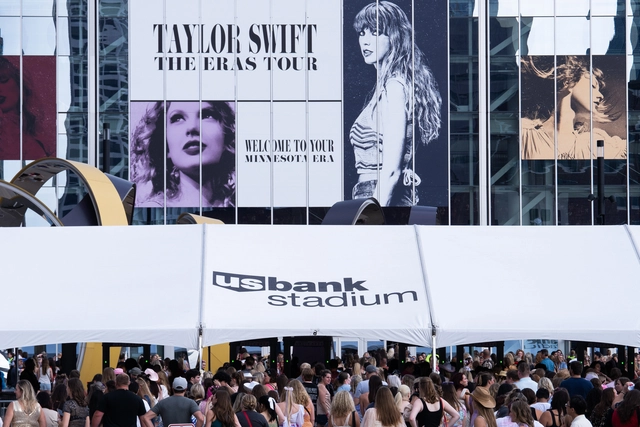
When internationally acclaimed music icons like Beyoncé, Taylor Swift, and Paul McCartney announce their global tours, the anticipation sparked by revealing the countries and respective host cities is met with thorough preparations. These preparations aim to adapt to the array of changes that will unfold in the urban spaces of these cities due to the impact of these events. These mega-concerts extend beyond the musical realm; they transcend the stage to mobilize significant financial figures and result in various transformations in the everyday urban life of these cities. Even though these events do not last long, they instigate alterations in diverse spheres and urban sectors, including tourism, hospitality, food, and transportation.
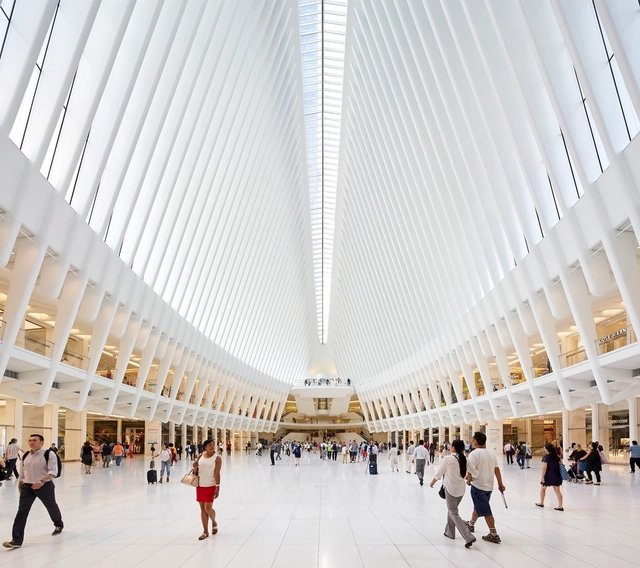
Contemporary cityscapes vary greatly from their early precedents, hosting urban life in sprawling interior spaces like mega-hotels, shopping malls, and transportation hubs. Soaring atriums and expansive concourses are now a normal part of the urban experience, allowing for public activity 'inside' the city. Interiors and urbanism are often considered at far ends of the spatial spectrum, with architecture serving as a mediator between the two. The growing significance of 'interior urbanism' in the functioning of the built environment demands the question - how can cities be reinvented from the inside out?
Cities are vibrant systems that hold meaning and move with the rhythm of the human life that powers it. In the fabric of urban landscapes, architects and urban designers collaborate to create spatial harmonies that extend beyond aesthetics and towards social justice and poetic expression. Citizens engage, becoming active participants in the ongoing narrative of the city - the metropolitan melody.
In 2023, ArchDaily wrote about the poetics of urbanism, exploring a future where cities meet its people’s social and emotional needs:
Cities are not just inert landscapes or lifeless settings; they play active and significant roles in shaping numerous television narratives. Whether in series or soap operas, urban environments play a fundamental role not only as the backdrop where plots unfold but also in shaping the developments of storylines, their creations, guidelines, and contexts. While, on the one hand, cities and their urban cultures contribute to the composition of various small screen plots, on the other hand, television programs can also help shape a certain idealized imagination about these urban spaces, generating unrealistic expectations and perpetuating a series of stereotypes about the represented cities.
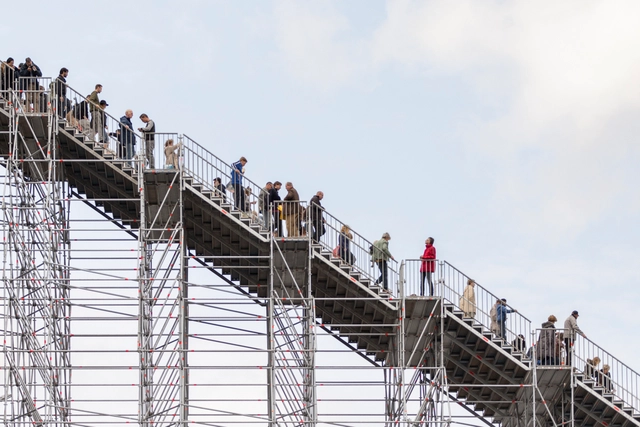
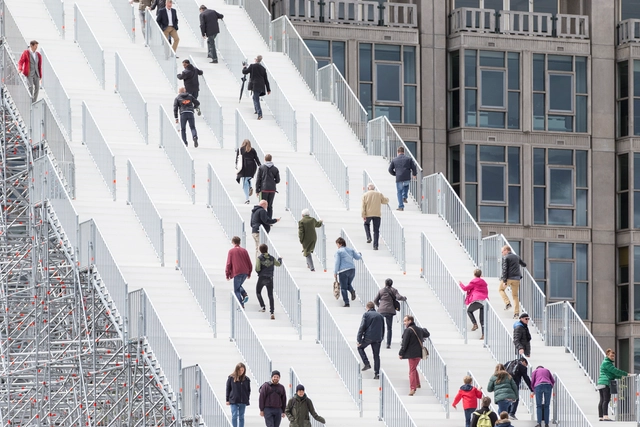
Staircases facilitate transit and movement within cities, influencing how communities interact and navigate their urban surroundings. Despite often going unnoticed within the cityscape, these staircases are significant witnesses to history. Beyond their architectural function, they are essential connectors, providing spaces where the pulse of urban life unfolds. Amidst buildings, hills, slopes, and bustling streets, staircases emerge as dynamic stages for movements, encounters, and disconnections, intertwining with the narratives embedded in each step.
We are on the brink of concluding the hottest year in the past 125,000 years. Recently, elevated temperatures have adversely impacted the daily routines of a significant portion of the population, particularly those who spend most of their day outdoors without access to air-conditioned environments. Excessive heat stems from various sources, both natural and human-induced. Given the grim outlook on this matter, it becomes imperative to explore structural measures to address and mitigate the potential deterioration of public health caused by escalating temperatures.
In several cities in Brazil, the amount of rainfall has already surpassed the total accumulated for the rest of the year. Flooding, inundations, and landslides are commonplace news in regional newspapers. In this chaotic scenario, a study presented by the National Confederation of Municipalities states that, amidst the rains in the south and drought in the north, 5.8 million Brazilians have been directly affected by disasters in 2023, whether by loss of lives, displacements, or significant economic damages.
Unfortunately, the outlook is not promising either. The national version of the renowned IPCC climate change report, compiled by the Brazilian Panel on Climate Change (PBMC), has already warned that Brazil, along with other countries in Latin America, will not only experience rising temperatures due to climate change but will also witness a drastic shift in its rainfall patterns. In other words, here in the south, we better get used to the sound of rain on our windows, while the north should brace for historic droughts.
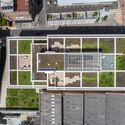
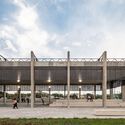
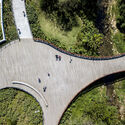
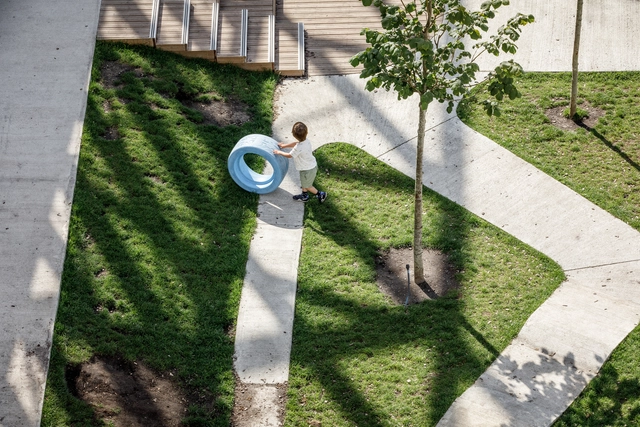
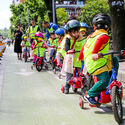
Have you ever considered how spaces are perceived, experienced, and enjoyed from a height of 95 cm? Considering urban design from the child's perspective is essential for fostering inclusive, healthy, and secure cities. Components tailored to these needs benefit children and enhance the experience for adults, the elderly, and people with disabilities. Blocks play a pivotal role in this discourse as key urban elements. These spaces provide several opportunities for utilization and adaptation within urban environments. They can be modified and designed in diverse ways, incorporating strategies to better cater to the specific needs of children.
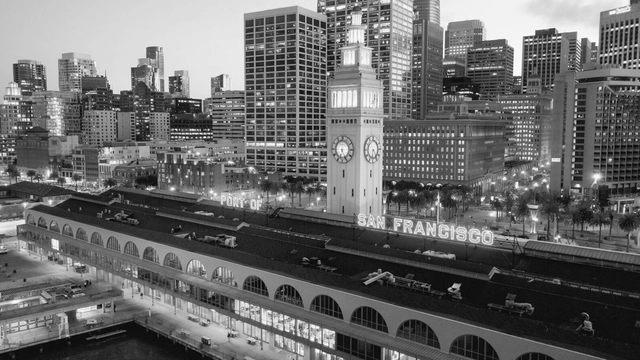
Can telling the story of one building tell a larger story about the city it’s a part of? That’s the central premise of John King’s engaging new book, Portal: San Francisco’s Ferry Building and the Reinvention of American Cities (W.W. Norton). The long-time urban design critic for the San Francisco Chronicle has written a brisk, lively history of this beloved edifice, which opened in 1898 and served as the principal gateway to the city until the emergence of the automobile (and the bridges that served them).
For decades it sat largely empty and neglected, cordoned off by the Embarcadero Freeway. After the Loma Prieta earthquake in 1989, the damaged highway was eventually removed, freeing up the Ferry Building, which was given new life as a transportation hub, food hall, and office building. Last week I talked to King about the genesis for the book, the terminal’s seminal importance to the city of San Francisco, and the threat it faces from rising sea levels.
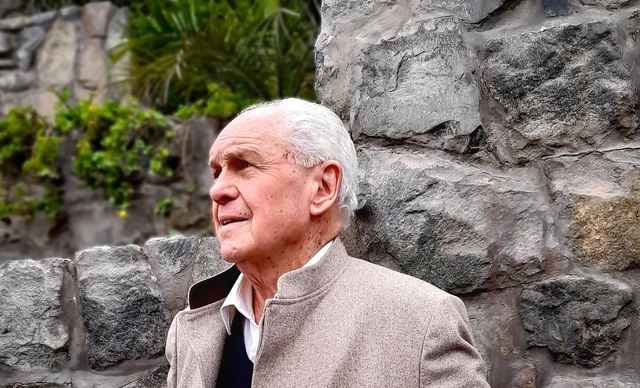
With an air of simplicity and wisdom, engineer Julio Vargas Neumann welcomes us. His two dogs accompany us as we descend after the necessary ascent to enter, and we are also accompanied by the stone walls defining the lot. We sit down and begin - or continue - the interview and conversation regarding the value of 'shicras', local materials, and earth construction. We also discuss criticisms of cement, aluminum, and steel, as well as perspectives on the future of materials in Peru and the world. Likewise, we delve into the long-neglected and recurrent rural problem in South America, discussing the inexorable need to change paradigms and priorities.
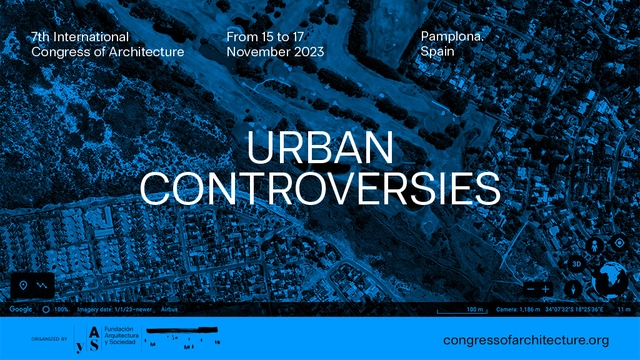
The VII International Congress of Architecture, focusing on Urban Controversies, is a must- attend event set to take place at the Baluarte Auditorium from November 15th to 17th, 2023. This event, hosted in Pamplona, will bring together experts from around the world to discuss critical issues in architecture and sustainable urban development. Organized by the Architecture and Society Foundation, this seventh edition of the International Architecture Congress is dedicated to examining the complex challenges faced by cities.
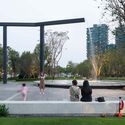
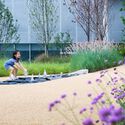
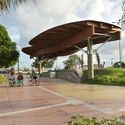
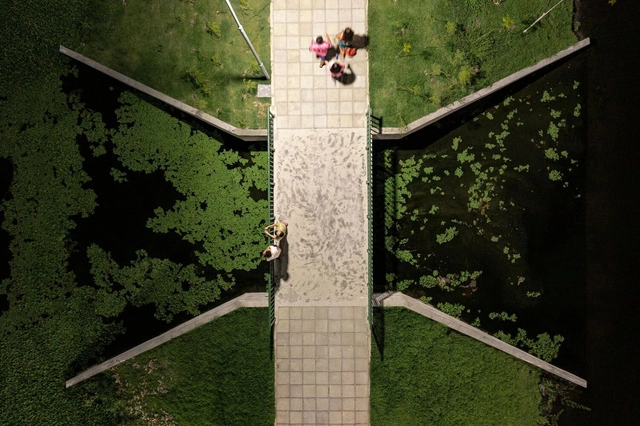
Violent cities result from social and economic inequality, which also affects the urban landscape and the way we live. In honor of International Cities Day, we have selected a series of projects to reflect on non-violent ways of using public space.
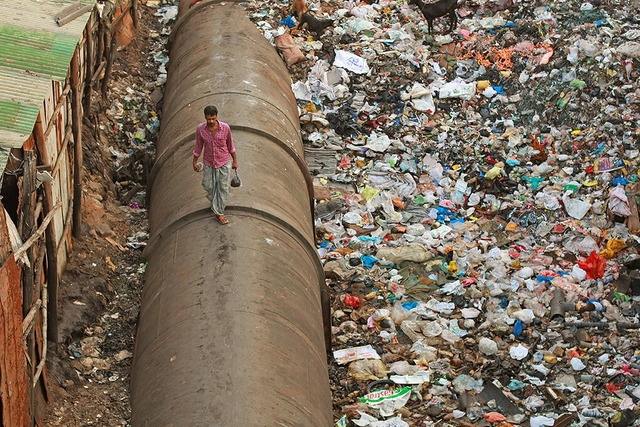
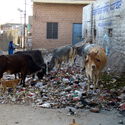
With large populations come formidable challenges, particularly in the realm of health and hygiene. In the last century, upholding sanitary conditions in urban areas has remained a persistent challenge, particularly in a nation that houses over 1.5 billion people. India grapples with a myriad of issues- inadequate infrastructure for sanitation, lack of public toilets, and poor waste management practices. In densely populated cities, the struggle intensifies as sanitation and cleanliness management falters. India's rapid urbanization has outpaced the development of sanitation infrastructure and cleanliness issues have deeply entrenched in the nation's built environment.
What role will bicycles play in the cities of tomorrow? Their implementation as a more sustainable form of transportation for commuting to work or school, as well as for various household and recreational activities, has become an opportunity for thousands of architects and urban planners.
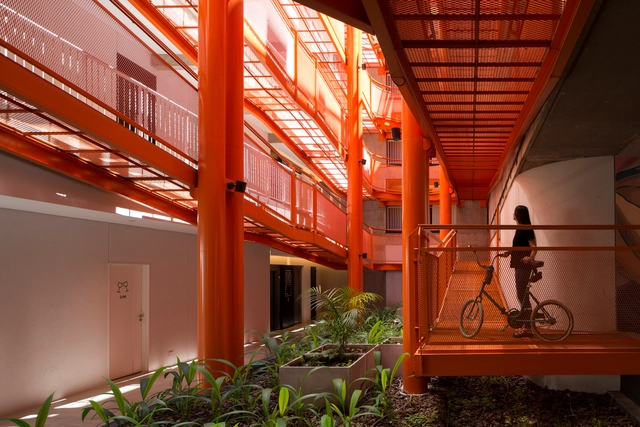
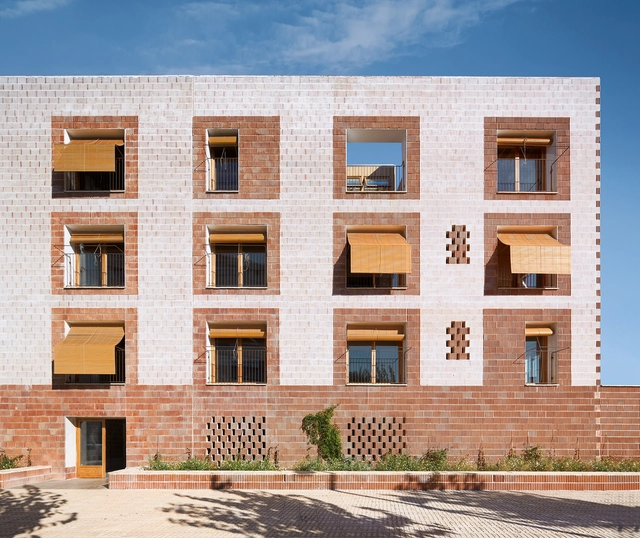
24 Viviendas de protección pública en Platja d’en Bossa / 08014 arquitectura. Adrià Guardiet Llotge, Sandra Torres Molina. Image Cortesía de BEAU
Under the motto "Me-dio Pla-zo," the XVI Spanish Biennial of Architecture and Urbanism (BEAU) inaugurated its exhibition at the Royal Artillery Factory in Seville, highlighting the future vision of architecture and urban planning. At the same time, all the awarded projects in the different categories of this edition involving Architectural Works, Research and Dissemination Works, and End of Career Projects were announced. Until November 20, 2023, the exhibition inspired by the concept of "boxes of time" will be available for visiting, aiming to explore the present as well as the medium-term ambitions of each work.
While most cities around the world seek to implement more sustainable and environmentally friendly modes of transportation, encouraging new urban mobility habits in their residents, the use of automobiles still persists, occupying significant parking spaces in urban centers. Finding a way to integrate these uses, provide new spaces for their citizens, and leverage their facilities for ecological, productive, and other purposes is the challenge faced by many professionals in architecture and urban planning.