


-
Architects: LUMIA, studio ARGUS
- Area: 740 m²
- Year: 2020
-
Manufacturers: EMU Group, Schüco ADS 65, Schüco FWS 50 SG
-
Professionals: Innopolis Engineering, KINO maastikuarhitektid

Various cities have been experimenting with wavering fees for public transport in an effort to promote sustainable mobility, alleviate traffic congestion and decrease social inequality. This past February, Salt Lake City has paused fare collection for a month to reduce carbon emissions in the region. At the end of March, the Italian city of Genoa extended free access to some of its public transport networks, following a successful experiment which began at the end of 2021 and in an ambitious plan to become the first Italian city with free transportation. Meanwhile, the small duchy of Luxembourg became the world’s first country with free public transit in 2020.






Tallinn Architecture Biennale (TAB 2022) announced the programme for its 6th edition that brings forward circularity in architecture. Under the theme "Edible; Or, The Architecture of Metabolism", this year's edition explores "architectural strategies for local production and self-sufficiency" and highlights ways of reusing waste resulting from urban environments. Curated by Lydia Kallipoliti and Areti Markopoulou, in collaboration with local advisor Ivan Sergejev and assistant curator Sonia Sobrino Ralston, TAB 2022 reflects on the possibilities that natural metabolical processes can bring to cities and buildings when transferred to the domain of architecture.
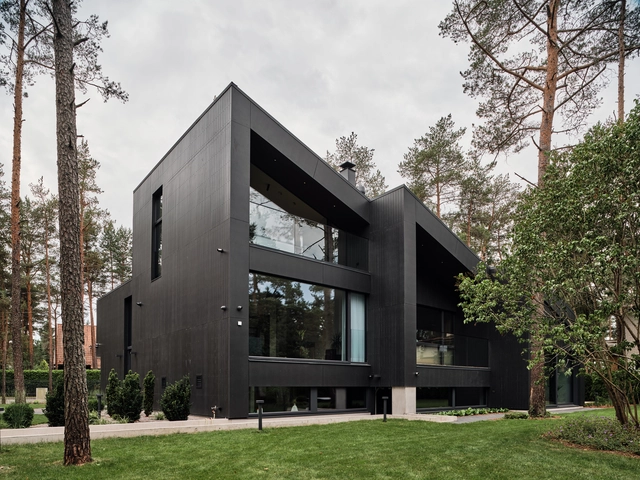
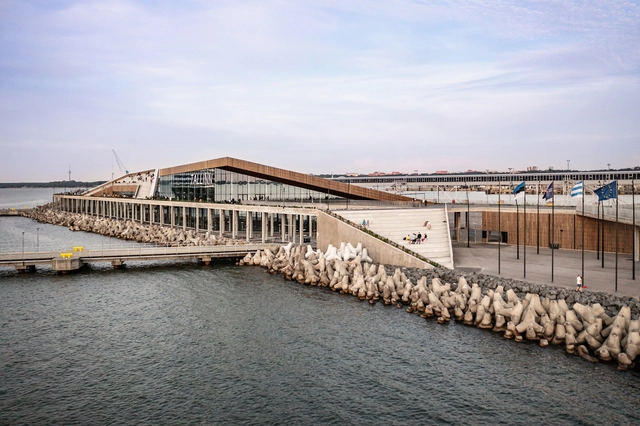
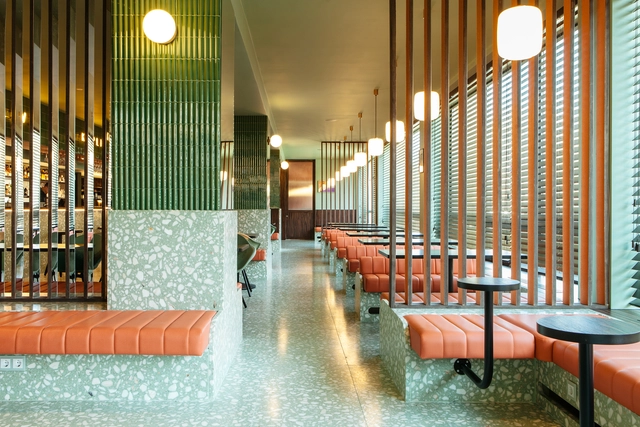
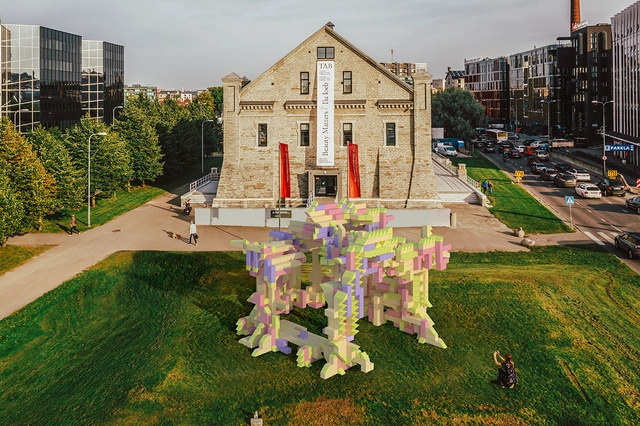
Due to unexpected circumstances, The Tallinn Architecture Biennale announced a new winning proposal for its Installation Programme Competition: Fungible Non-Fungible Pavilion by iheartblob, a new "decentralized and systematic" approach towards architectural design which allows the community to be both designers and investors, contributing to a structure that evolves over time. TAB 2022 will take place during September – October 2022, with the opening week on the 7th–11th of September.

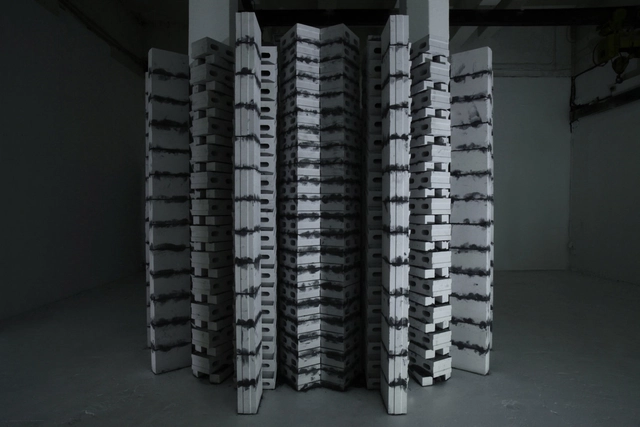
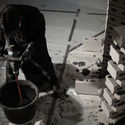
French architect Marc Leschelier created Black Mortar as one of 10 artists participating in the 7th Artishok Biennial in Tallinn. Presented at the EKKM, the Museum of Contemporary Art of Estonia, the project is part of the COPY theme where each artwork premiered at a specifically-chosen location in Tallinn. Curated by Laura Linsi and Roland Reemaa, the biennial included a range of work in addition to the indoor pavilion that explored imitation, simulation and copying.
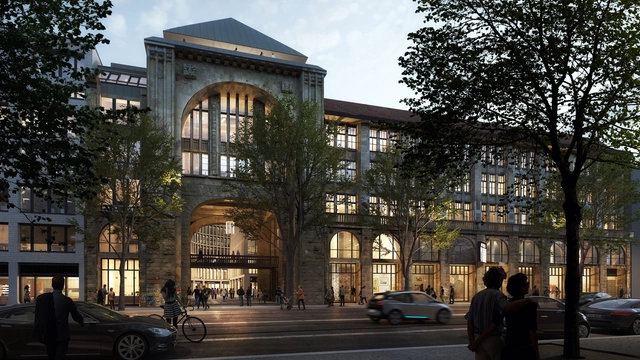
With museums in Stockholm, New York, and Tallinn, Fotografiska has announced plans to launch its fourth space in Berlin. Expected in 2022 in the Kunsthaus Tacheles to be renovated by Herzog & de Meuron, the contemporary Swedish photography museum will cover over 59,000 square feet.
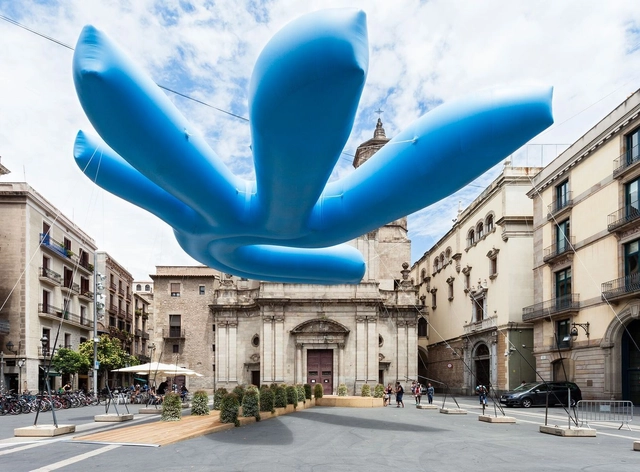
The Estonian Centre for Architecture has announced its shortlist of candidates for the sixth international Tallinn Architecture Biennale TAB 2022. The aim of the Curatorial Competition is to find an innovative and responsive theme related to the context of Estonia and relevant to the contemporary world of architecture. The 6th edition was postponed due to the uncertain times that international cultural events are facing because of the coronavirus outbreak.

Next year’s Tallinn Architecture Biennale (TAB) has been postponed until 2022. Announced by the Estonian Centre for Architecture, the 6th edition has been adjourned “due to the postponement of the Venice Architecture Biennale as well as the uncertain times that international cultural events are facing because of the coronavirus outbreak”.
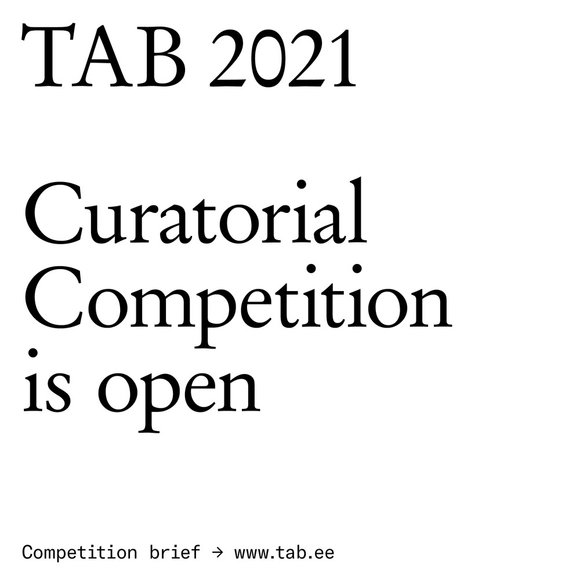
Estonian Centre for Architecture announces the curatorial competition for the 6th international Tallinn Architecture Biennale (TAB) 2021. Tallinn Architecture Biennale (TAB) is an international architecture festival which addresses relevant issues in architecture and delves into the present and the future of the field. TAB is intended for both experienced and young architects as well as members of the general public interested in architecture.

This event celebrates two new complementary publications: the AD issue Beauty Matters and the book about the Tallinn Architecture Biennale (TAB) 2019, on the same topic. Both take an interdisciplinary approach to the re-emerging interest in beauty across neuroscience, neuroesthetics, mathematics, philosophy and architecture. Each publication contains a different content by a different set of contributors.

Zaha Hadid Architects were selected along with Esplan from Estonia to design the new terminal of the Rail Baltic railway at Ülemiste, Tallinn. Their proposal for the starting point of the Rail Baltic line connecting Tallinn, Riga and Vilnius with the European high-speed rail network, has been awarded the first place in the design competition.