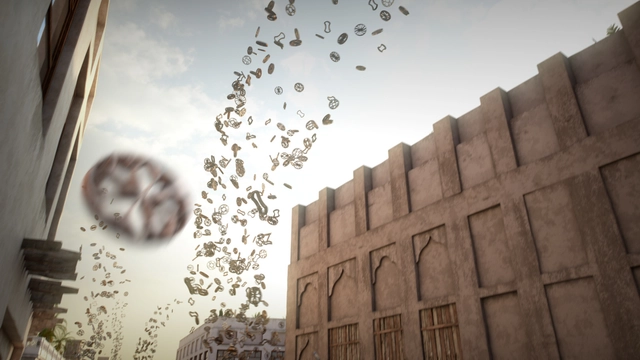
Increasingly, more architecture professionals are breaking into the world of film, learning digital animation and design skills to engage non-specialists, as well as their peers. Architect-trained Kibwe Tavares, co-founder of creative studio Factory Fifteen, will explore the ways architects and designers can use digital representation to encourage imaginative thinking through a combination of architecture and film.
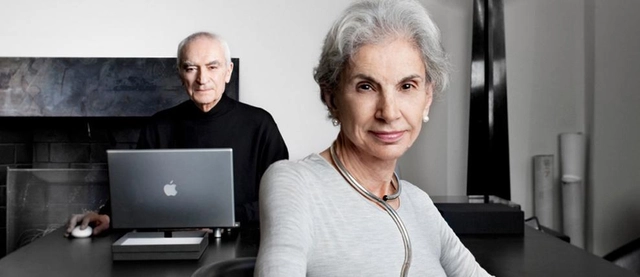
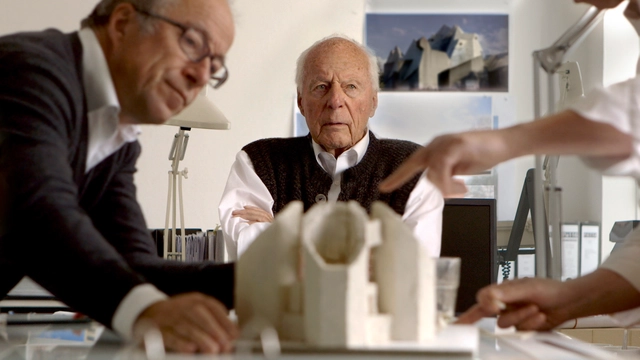
Explore the creative universe of Lella and Massimo Vignelli, two of the most influential and well-known designers of all times. With interviews from luminaries in the world of design—from architects Richard Meier and Peter Eisenman to graphic designers Milton Glaser, Michael Bierut, and Jessica Helfand—this film takes the viewer into the Vignellis’ world, capturing their intelligence and creativity as well as their humanity, warmth, and humor.
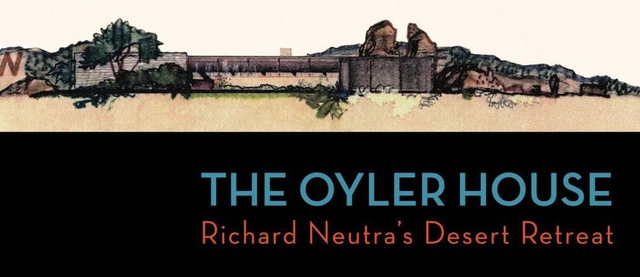
Join us for another portrayal of one of America’s greatest architects: Richard Neutra. The Oyler House: Richard Neutra’s Desert Retreat explores how Neutra, considered the “father of CaliforniaModern architecture,” came to befriend this modest small-town family and how he was inspired by the site’s stunning desert setting, which Neutra compared with the grandness of the mystical Gobi Desert.
The Architectural Review is seeking the most exciting cultural buildings in the world completed in the last 5 years – from museums to performance spaces, galleries to libraries. This is your chance to be recognised on the global stage as a leading designer of cultural projects!
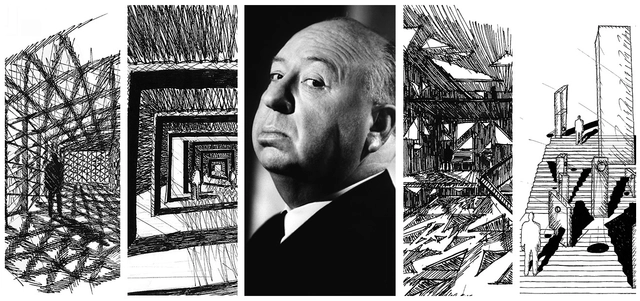
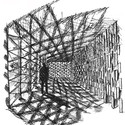
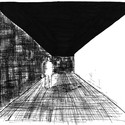
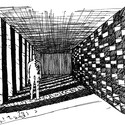
Since the 2007-2008 academic year, the Ethics class at the School of Architecture (UIC Barcelona, Spain) has analyzed the cinematographic works of Alfred Hitchcock through the lens of architectural planning. In the following analysis by the class's two professors -- art theorist and historian Alfons Puigarnau and architectIgnacio Infiesta-- space is thought of as scenography, and the visual strategy is analyzed in relation to the script and the soundtrack with the intention of creating a deliberate atmosphere of suspense.
Geared for third year architecture students, this class studies the film director's vision as if it were one of the instruments guiding an architect's design. It's part of an analogy between the camera lens, which uses light, and the architect's pencil, which makes use of outlines. In fact, Hitchcock always emphasized the visual over the dialogue [1].
Learn more about the work of the students at the School of Architecture UIC after the break.
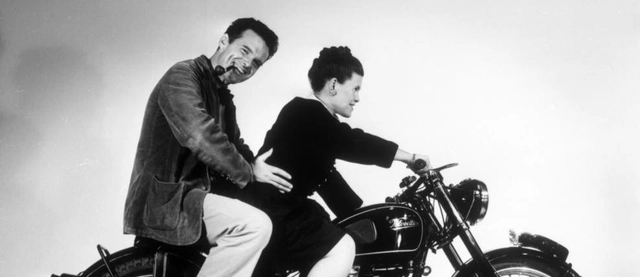
Image: Screenshot from EAMES: The Architect and The Painter
Watch an intimate film celebrating the creative genius of husband-and-wife team Charles and Ray Eames, a couple widely regarded as America’s most influential designers. Best remembered for their Mid-Century Modern furniture, this documentary shows the influence that Charles and Ray had on other significant events and movements in American life, from the development of Modernism to the rise of the computer age.
Fogo is a small, rocky outcrop off the coast of Newfoundland, Canada, with a population of just over 2000 people. Its sub-arctic natural landscape of lakes, rivers and mountains is interspersed by eleven small settlements and has now become the scene for a collection of follies, studios and residences designed by Norwegian practice Saunders Architecture. Most recently, Fogo's rocky wilderness and contemporary architectural interest—reminiscent of the land around Todd Saunders' current home city of Bergen—has been captured in a one-hour documentary film directed by Marcia Connolly and Katherine Knight, entitled Strange & Familar: Architecture on Fogo Island.
Videos
'Concrete Love: The Architecture of the Böhms' will open the festival on the 7th October 2015. Image Courtesy of AFFR
It's only logical that Rotterdam, one of Europe's leading cities for architecture and architectural practice, has a biennial film festival. Since its inception in 2000, the city's homage to architectural cinema now claims to be the biggest architectural film festival in the world. Featuring over one hundred international documentaries, feature films and shorts—as well as debates, lectures and seminars—this year's festival plans to "provide a podium for discussing the city and future of spatial development." From cinematic journeys into the world of the illusive Böhm family to Zaha Hadid, Chinese ghost cities to London's Barbican estate, this year's programme circles around the theme of the Global Home.
With the eighth incarnation of the Architecture Film Festival Rotterdam (AFFR) opening next week (running from the 7th - 11th October 2015), we've selected our five top picks from this year's schedule.
After spending five-figure sums on their education, you might think that architectural students would, at the very least, continue in the architectural profession. However, as investigated in a new BBC Business article, many students of architecture “are using their newly-learned digital animation and design skills to break into the world of film.” With a growing demand for both architectural and all other kinds of animations, the number of film careers built from architectural foundations seems to be burgeoning. Architects-turned-filmmakers now work on a wide variety of projects, from special effects in Beyoncé videos to Oscar-winning films, to visualization films of future architectural projects.
The nation’s largest film festival celebrating architecture and design will return to NYC in two brand new locations in Chelsea. Opening night will be held at the SVA Theatre, and the duration of the ADFF, from October 14-18, 2015, will be held at the Bow Tie Chelsea Cinemas - a newer, bigger and more central location to accommodate a large expected audience and allow for exciting new programming. The seventh edition of the festival will present a curated selection of 30+ intriguing feature-length and short films in addition to panel discussions and Q&As with design thought leaders and filmmakers from around the world. The films explore the human elements of art, fashion, architecture and design in our everyday lives, while making the topics relatable, entertaining, and engaging for a broad audience.
Enter the unique realm of the "beautifully disturbing" with Project Senium, a new short film exploring the aging interiors of an abandoned mental hospital. Named for the Latin word for 'decay', the atmospheric film documents the asylum in breathtaking depth and detail, elevating material often dubbed "ruin porn" to a level of cinematic beauty.
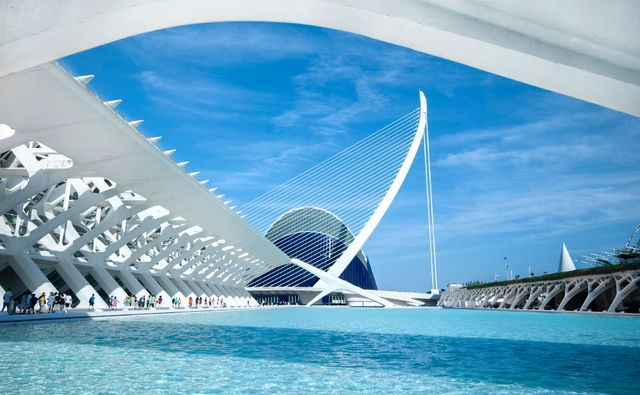
Santiago Calatrava's City of Arts and Sciences has taken a starring role in Tomorrowland, Disney's latest blockbuster. Located in the former riverbed of the Turia in Valencia, Spain, the City of Arts and Sciences comprises a cinema (L'Hemisfèric), a landscaped walk and sculpture garden (L'Umbracle), the Príncipe Felipe Science Museum, the largest aquarium in Europe (L'Oceanográfico), and the renowned Palau de les Arts Reina Sofia. The complex was constructed in stages commencing in July 1996, and opened to the public in October 2005. Unique and strikingly futuristic, the iconic group of buildings caught the eye of Tomorrowland producer Jeffrey Chernov, who spoke effusively of the building at a recent press conference for the film.
"Calatrava's architecture is just phenomenal and inventive and exciting. It's very skeletal, like you're looking at the vertebrae of a dinosaur or prehistoric fish," said Chernov. "You walk into that place and you never want to leave. That's the vibe we wanted for Tomorrowland."
"An alternately factual documentary presented by nameless hosts Reggie Watts and Carolina Ravassa Brasilia takes viewers on a whirlwind tour of the famed capital of Brazil. In topics ranging from architecture, religious ceremonial practices, and spiritual conscious alignment, Reggie and Carolina traverse some of the world's most impossibly futuristic human landscapes, extolling earnest advice about the culture, practices, and habits of the Brasilienese people. With a synthesizer soundtrack from the late 60/early 70s, Brasilia exposes the unknown truths of this exotic utopian city nestled in the cradle of South America." - Film description courtesy of Reggie Watts via Indiewire.
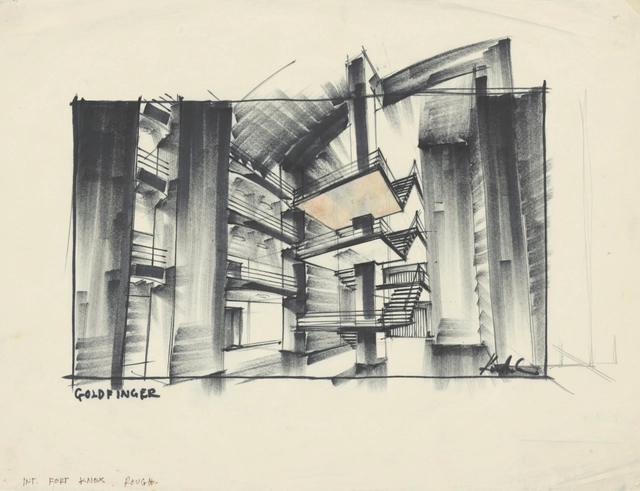
Although his name may not appear in most architectural history books, Sir Kenneth Hugo Adam has influenced architecture for over fifty years. Better known as Ken Adam, he has been responsible for the production design of over 70 films in his career, most notably for his work on the James Bond franchise. The architect of Fort Knox in Goldfinger, the Zero Gravity Satellite in Moonraker, and Super-Tanker Liparus in The Spy Who Loved Me, Adam has shaped architectural design in film since the 1940s.
Adam is the recipient of two British Film Academy Awards, including one for Dr. Strangelove, and in 2003 became the first film production designer to receive a knighthood. He has been at the helm of some of the world's most well-known and influential films – from Chitty Chitty Bang Bang to Crimes of the Heart – and his drawings are now on display for the first time. In 2012, Sir Adam donated his entire body of work to the Deutsche Kinemathek in his home city of Berlin, where the first retrospective of his work is now on display, entitled 'Bigger Than Life: Ken Adam's Film Design.'
Find out more about Adam's vast body of work after the break
If buildings could talk, what would they say about us? Cathedrals of Culture, a six part collection of films recently premiered at this year's Berlin International Film Festival, "offers six startling responses to this question". The project, filmed entirely in 3D, allows "six iconic and very different buildings to speak for themselves, examining human life from the unblinking perspective of a manmade structure".
In December of last year, we brought you news of Tomas Koolhaas' kickstarter campaign to fund a documentary about his father, Rem Koolhaas. Well, not only was Koolhaas' REM documentary fully funded, three generous backers offered up $500 each in return for one question to be answered directly by Rem Koolhaas himself. The video above is the result of those questions, in which Koolhaas responds to questions on urbanism in the developed country of the Netherlands compared to still-developing India, as well as a question about how his early work in film-making and scriptwriting influenced his architectural career.
Watch the video above and read on after the break for a synopsis of Koolhaas' answers
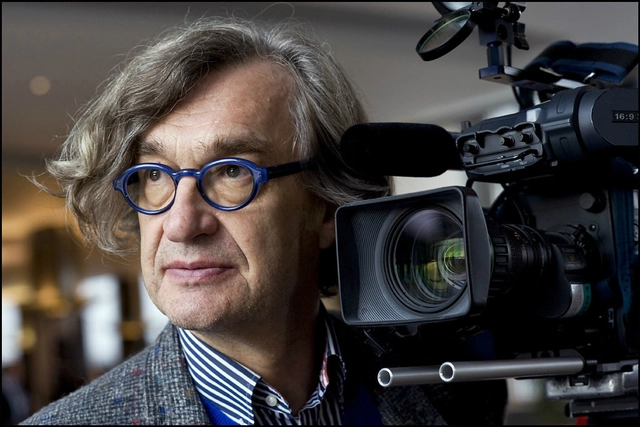
The highly anticipated 3D film series Cathedrals of Culturehas now opened around the world. Directed by Wim Wenders and a team of five other acclaimed directors (Robert Redford, Michael Glawogger, Michael Madsen, Margreth Olin and Karim Aïnouz), the collection - according to The Guardian's Oliver Wainwright - "feels more like a series of vapid promotional videos." Arguing that in most of the films (with the exception of Michael Madsen's) the narrative is lost in favour of cinematic shots, "Cathedrals of Culture presents a limited and internalised view of what architecture is, a fault perhaps driven by the obsession with the 3D camera. [...] It has a self-satisfied, sometimes cultish, air that makes you feel like you’re taking part in some collective brainwashing exercise." Wainwright concludes that Living Architectures is the best place to go. See some of their films featured in ArchDaily's 40 Architecture Docs to Watch in 2014.
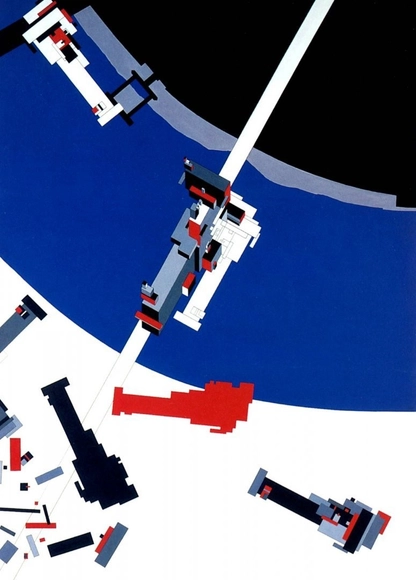
Malevich’s Tektonik. Image Courtesy of Zaha Hadid Architects
Zaha Hadid has been featured in a 30-minute BBC Secret Knowledge film based on Kazimir Malevich: The Russian Revolutionary: Zaha Hadid on Kazimir Malevich. One of Hadid’s greatest influencers, the Russian painter and theoretician inspired the Dame’s AA graduation thesis which transformed Malevich’s 1923 Arkitekton model into a 14-story hotel that stretched across London’s Hungerford Bridge. You can watch the film online (here) through September 16.