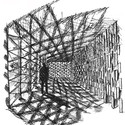
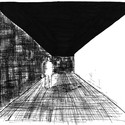
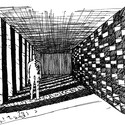
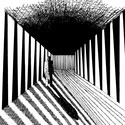
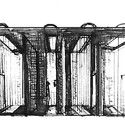
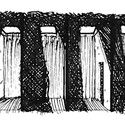
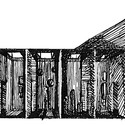
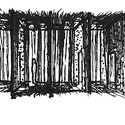
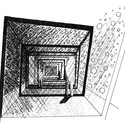
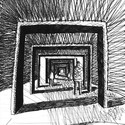
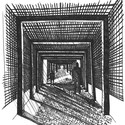
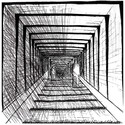
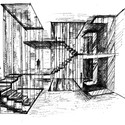
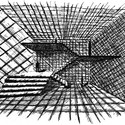
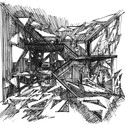
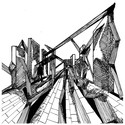
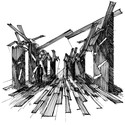
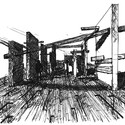
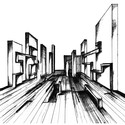
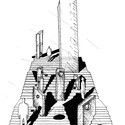
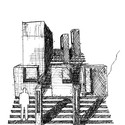
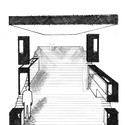
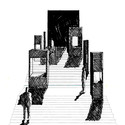
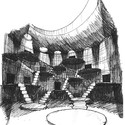
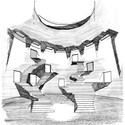
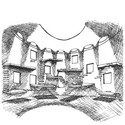
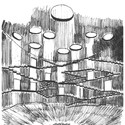
Since the 2007-2008 academic year, the Ethics class at the School of Architecture (UIC Barcelona, Spain) has analyzed the cinematographic works of Alfred Hitchcock through the lens of architectural planning. In the following analysis by the class's two professors -- art theorist and historian Alfons Puigarnau and architect Ignacio Infiesta -- space is thought of as scenography, and the visual strategy is analyzed in relation to the script and the soundtrack with the intention of creating a deliberate atmosphere of suspense.
Geared for third year architecture students, this class studies the film director's vision as if it were one of the instruments guiding an architect's design. It's part of an analogy between the camera lens, which uses light, and the architect's pencil, which makes use of outlines. In fact, Hitchcock always emphasized the visual over the dialogue [1].
Learn more about the work of the students at the School of Architecture UIC after the break.