1. ArchDaily
  2. Cultural Identity

Cultural Identity: The Latest Architecture and News

The Beaten Path: Connecting Towns and Identity through Appalachian Trail Networks

Subscriber Access | 

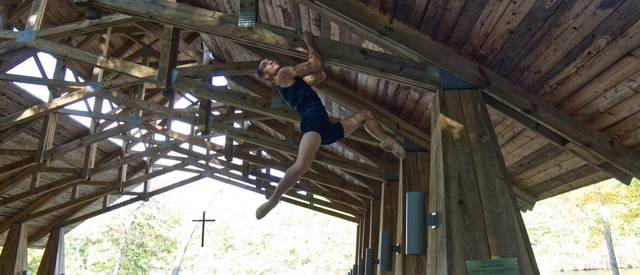
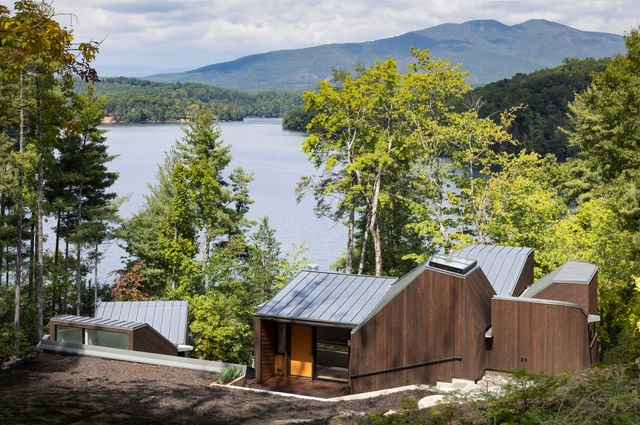
Every year, over a thousand people complete the 2,192-mile (3528-kilometer) Appalachian Trail between Springer Mountain in Georgia and Mount Katahdin in Maine. Millions more follow the trail for a shorter stretch by spending time at the countless overlooks, walking along the wooded ridges, or meandering through the small town centers, making this network one of the world's most visited and widely recognized trail corridors. However, the proposal for this expansive trail corridor, originally entered in a 1921 Journal of the American Institute of Architects article by Benton MacKaye, was far from a mere recreational outdoor amenity. This "project in regional planning" was a radical critique of the industrializing modernity that sharpened the divide between expanding cities of the Eastern coast and waning towns of the Appalachian mountains.
The Beaten Path: Connecting Towns and Identity through Appalachian Trail Networks - Imagem 1 de 4The Beaten Path: Connecting Towns and Identity through Appalachian Trail Networks - Imagem 2 de 4The Beaten Path: Connecting Towns and Identity through Appalachian Trail Networks - Imagem 3 de 4The Beaten Path: Connecting Towns and Identity through Appalachian Trail Networks - Imagem 4 de 4The Beaten Path: Connecting Towns and Identity through Appalachian Trail Networks - More Images+ 26

Lessons from Roberto Burle Marx: Designing Resilient and Evolving Urban Landscapes

Audio available

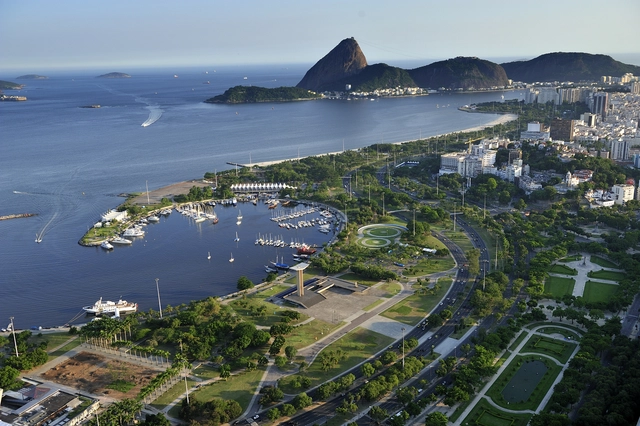
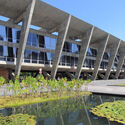
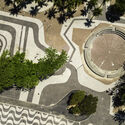
Roberto Burle Marx is often celebrated as a pioneering figure in landscape architecture, particularly for his innovative approach to integrating nature within urban environments. His work, characterized by a deep respect for native flora and a commitment to ecological balance, offers valuable lessons for contemporary landscape architects. At a time when climate change and biodiversity loss are pressing global concerns, revisiting Burle Marx's principles provides insight into creating urban spaces that are not only functional and aesthetically pleasing but also resilient and sustainable.

From the 1930s to the 1990s, Burle Marx's work anticipated many of today's concerns about sustainability and urban well-being. Long before terms like "sustainable design" or "green infrastructure" became commonplace, Burle Marx was already advocating for the use of native plants, recognizing their role in creating self-sustaining ecosystems that required minimal intervention. His projects often transformed neglected urban areas into vibrant, ecologically balanced spaces that not only improved the environment but also enhanced the quality of life for city dwellers.

Lessons from Roberto Burle Marx: Designing Resilient and Evolving Urban Landscapes - Image 26 of 4Lessons from Roberto Burle Marx: Designing Resilient and Evolving Urban Landscapes - Image 1 of 4Lessons from Roberto Burle Marx: Designing Resilient and Evolving Urban Landscapes - Image 3 of 4Lessons from Roberto Burle Marx: Designing Resilient and Evolving Urban Landscapes - Image 7 of 4Lessons from Roberto Burle Marx: Designing Resilient and Evolving Urban Landscapes - More Images+ 23

Edmund Sumner Explores Memory and Emotional Spaces with Architectural Photography Exhibition in London

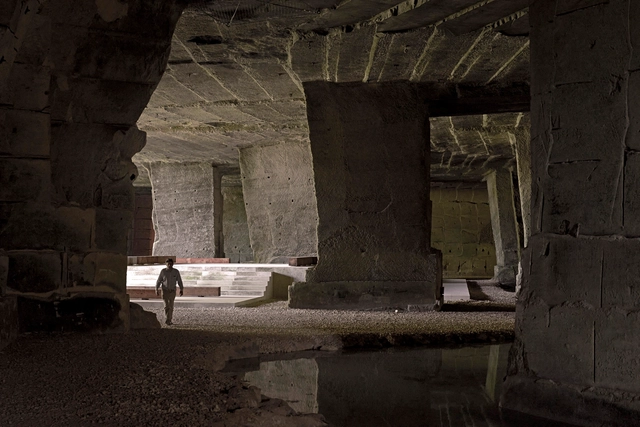
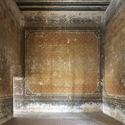
Starting on June 30th, 2024, Edmund Sumner presents the “Traces” exhibition, a solo show at Rodic Davidson Architects in London featuring architectural photography that explores cultural identity and historical significance across diverse landscapes. The show offers a profound exploration of architecture and design across diverse landscapes, including Europe, India, and Mexico, presenting a compelling intersection between photography and the built environment. Additionally, the photographer is expected to release his fifth book with Thames & Hudson in 2025.

Edmund Sumner Explores Memory and Emotional Spaces with Architectural Photography Exhibition in London - Image 1 of 4Edmund Sumner Explores Memory and Emotional Spaces with Architectural Photography Exhibition in London - Image 2 of 4Edmund Sumner Explores Memory and Emotional Spaces with Architectural Photography Exhibition in London - Image 3 of 4Edmund Sumner Explores Memory and Emotional Spaces with Architectural Photography Exhibition in London - Image 4 of 4Edmund Sumner Explores Memory and Emotional Spaces with Architectural Photography Exhibition in London - More Images+ 4

Restoring a Symbol of Collective Memory: Holcim Award Winner Xu Tiantian Discusses the Impact of Adaptive Reuse

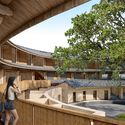
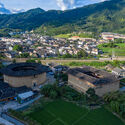
In the mountain valleys of China’s Fujian Province, thousands of large, rammed earth fortresses lay abandoned. Once used for both defense and collective housing, the tulou typology is an integral part of the region’s cultural heritage, with 46 of them being recognized by UNESCO as World Heritage Sites. Despite this, the rural communities surrounding them have struggled to find new roles and purposes for these buildings. Going beyond the need for conservation, architect Xu Tiantian of DnA_Design and Architecture set out to develop and adapt this heritage to reintroduce it into community life. The Fujian Tulou | Adaptive Reuse project recently won the Gold Prize of Holcim Awards 2023 for Asia-Pacific, recognized for creating “an exemplary model for building conservation initiatives.” In a video interview for ArchDaily, Xu Tiantian discusses the principles that underpin this initiative and the potential outcomes of adaptive reuse in rural communities.

Restoring a Symbol of Collective Memory: Holcim Award Winner Xu Tiantian Discusses the Impact of Adaptive Reuse - Image 1 of 4Restoring a Symbol of Collective Memory: Holcim Award Winner Xu Tiantian Discusses the Impact of Adaptive Reuse - Image 2 of 4Restoring a Symbol of Collective Memory: Holcim Award Winner Xu Tiantian Discusses the Impact of Adaptive Reuse - Image 3 of 4Restoring a Symbol of Collective Memory: Holcim Award Winner Xu Tiantian Discusses the Impact of Adaptive Reuse - Image 4 of 4Restoring a Symbol of Collective Memory: Holcim Award Winner Xu Tiantian Discusses the Impact of Adaptive Reuse - More Images+ 4

Amazonian Cities: What It Is Like to Live Close to the Largest Tropical Rainforest on the Planet

Subscriber Access | 
Audio available

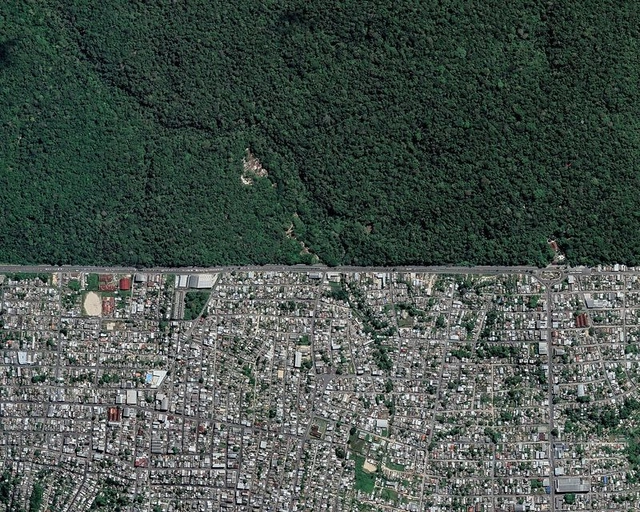
The world has its eyes on the Amazon. Geographical data about this vast territory, spanning 6.74 million square kilometers across eight countries in Latin America, is constantly featured in national and international media. Headlines often highlight its sheer magnitude as the largest tropical rainforest in the world, home to 10% of the planet's biodiversity, and responsible for 15% of the Earth's freshwater. However, little attention is paid to what transpires beneath its canopy, on the ground where people live.

Amazonian Cities: What It Is Like to Live Close to the Largest Tropical Rainforest on the Planet - Image 1 of 4Amazonian Cities: What It Is Like to Live Close to the Largest Tropical Rainforest on the Planet - Image 2 of 4Amazonian Cities: What It Is Like to Live Close to the Largest Tropical Rainforest on the Planet - Image 3 of 4Amazonian Cities: What It Is Like to Live Close to the Largest Tropical Rainforest on the Planet - Image 4 of 4Amazonian Cities: What It Is Like to Live Close to the Largest Tropical Rainforest on the Planet - More Images+ 7

The 4th Lagos Biennial: Exploring the Spatial and Socio-Political Implications of Refuge

Subscriber Access | 

On the 3rd of February, this year's Lagos Biennial opened at the Tafawa Balewa Square, Lagos, an emblematic venue that was once the site of Nigerian independence celebrations in 1960. As the 4th edition of the art fair, it continues with its objective of using art to activate historic landmarks that have lost significance either through functional use or symbolic meaning to the residents of the former capital city.

The previous editions of the Biennial have explored various aspects of the city's architecture, its symbolic significance, political implications, sovereignty, ownership, notions of belonging, and its relationship with the public. This year, the theme of "Refuge" at the Tafawa Balewa Square takes this exploration even further. Curators Kathryn Weir and Folakunle Oshun highlight that this theme prompts the square to address the concept of a nation-state. It also brings together artists and architects from different disciplines to explore alternative approaches to constructing renewable communities and promoting climate justice.

The 4th Lagos Biennial: Exploring the Spatial and Socio-Political Implications of Refuge - Image 1 of 4The 4th Lagos Biennial: Exploring the Spatial and Socio-Political Implications of Refuge - Image 2 of 4The 4th Lagos Biennial: Exploring the Spatial and Socio-Political Implications of Refuge - Image 3 of 4The 4th Lagos Biennial: Exploring the Spatial and Socio-Political Implications of Refuge - Image 4 of 4The 4th Lagos Biennial: Exploring the Spatial and Socio-Political Implications of Refuge - More Images+ 12

Top Stories of the Year Exploring the Architectural Identity of Local Communities

Local communities are more than just a collection of buildings and infrastructure. They possess a distinctive architectural character that mirrors their history, culture, and values. As part of our year in review, we take a deep dive into the top narratives that examine the architectural identity of different local communities.

These stories explore a wide range of topics, including unique geographic territories, cultural tribes, iconic landmarks, communal collaboration, and socio-ecological urban planning. Through these narratives, we uncover the captivating tales behind the buildings and public spaces that shape certain cities and towns.

Top Stories of the Year Exploring the Architectural Identity of Local Communities - Image 1 of 4Top Stories of the Year Exploring the Architectural Identity of Local Communities - Featured ImageTop Stories of the Year Exploring the Architectural Identity of Local Communities - Image 2 of 4Top Stories of the Year Exploring the Architectural Identity of Local Communities - Image 3 of 4Top Stories of the Year Exploring the Architectural Identity of Local Communities - More Images+ 5

Is Ornament Still a Crime?

Subscriber Access | 

Ornament and Its Discontents

Disguise, makeup. Expression of the subjectivity of a group, language, or sign. Historical document, emblem of fleeting fashions. A crime. Ornaments have been interpreted in different ways and are considered one of the most degenerate sins of architecture. Resisting the temptation of decoration has become a virtue, a legitimate sign of authenticity and a possible future.

Is Ornament Still a Crime? - Image 1 of 4Is Ornament Still a Crime? - Image 2 of 4Is Ornament Still a Crime? - Image 3 of 4Is Ornament Still a Crime? - Image 4 of 4Is Ornament Still a Crime? - More Images+ 10

Architecture and the God Problem

This article was originally published on Common Edge.

It has been about 200 years since the École des Beaux-Arts in Paris created an academic discipline—and thus the profession—of architecture. The central role of the architect as the defining agent of creation transcended the Master Builder, a role that defined those who designed buildings not as experts or celebrities but as stewards of building traditions.

Emotional Architecture: How Contextual Solutions Can Fight against the "Epidemic of Boringness"

Subscriber Access | 

In his latest TED Talk, Thomas Heatherwick decries a condition affecting areas of the city defined by monotonous buildings, or what he calls “an epidemic of boringness.” While recognizing the functionality which drove these designs, he states that functionality alone cannot ensure that the structures become active parts of urban life, as they often fail to provoke an emotional response from passers-by. Heatherwick explains that, in his view, this emotional function, or the ability of buildings to mean something to their users and visitors, is essential. When it succeeds, architecture can positively contribute to the quality of life and well-being of its residents, promote social cohesion and contribute to a sense of identity. So how can architecture provoke a positive emotional connection and provide an enjoyable backdrop to the communities it serves?

Emotional Architecture: How Contextual Solutions Can Fight against the "Epidemic of Boringness" - Image 1 of 4Emotional Architecture: How Contextual Solutions Can Fight against the "Epidemic of Boringness" - Image 2 of 4Emotional Architecture: How Contextual Solutions Can Fight against the "Epidemic of Boringness" - Image 3 of 4Emotional Architecture: How Contextual Solutions Can Fight against the "Epidemic of Boringness" - Image 4 of 4Emotional Architecture: How Contextual Solutions Can Fight against the Epidemic of Boringness - More Images+ 10

"Cultural Identity is Central to Architecture": In Conversation with Lesley Lokko

Subscriber Access | 

Questioning the new now, especially with the new challenges of Covid-19, around the world, cities are advocating for structural change and collective action. Berlin questions, an annual, multi-day conference and a platform for transdisciplinary dialogue, in its 2021 edition “Metropolis: The New Now”, tackled the immediate present, creating a place for debate. Dedicated to local solutions to global challenges, the event took on a hybrid format, at various locations in Berlin and online, resembling the world we live in.

ArchDaily had the chance to meet up with Lesley Lokko, architect, academic, and novelist at Berlin Questions, to discuss her talk “Africa as the lab for the future”, her visions for the future of architecture education and the future of big cities on a social, cultural and urban level.

Tales From the Altiplano: a Series of Conversations About Architecture and Culture in Bolivia

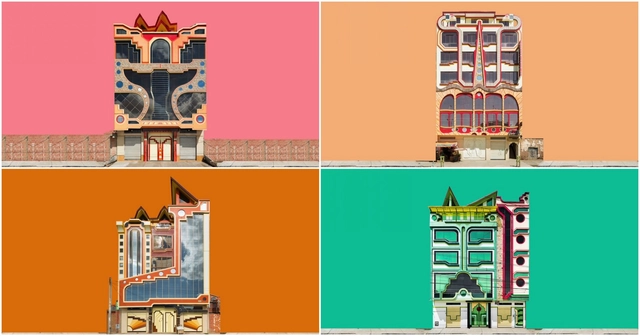
Tales from the Altiplano is a series of live Instagram talks with Andrew Kovacs, Delphine Blast, Manuel Seoane, Patricio Crooker and many more. We will be questioning how architecture is seen as a means of reclaiming a cultural identity. How in this informal Bolivian context can we construct a new way to approach architecture. The AAVS El Alto explores the Altiplano as an example to counteract a certain gentrifying flatness of today’s architecture- providing an opportunity to describe singularities and sub-cultures, through iconographic and architectural strategies. In these unsettling times, our Programme has been suspended in response to the current health crisis. However, this series will keep alive the conversation about architecture and urbanism with artists, researchers, and young Architects and Designers.

New Documentary on Freddy Mamani Explores the Connection Between Architecture and Cultural Identity

Soon you will be able to satisfy your wanderlust free from altitude sickness; on Wednesday October 4th, the Architecture Film Festival Rotterdam will see the world premiere of the documentary Cholet: The Work of Freddy Mamani. From director Isaac Niemand comes the story of Bolivia's unlikely architectural phenomenon, and one of ArchDaily’s 2015 leaders in architectural design and conceptualization.