1. ArchDaily
  2. Architecture Photography

Architecture Photography: The Latest Architecture and News

Subscriber Access

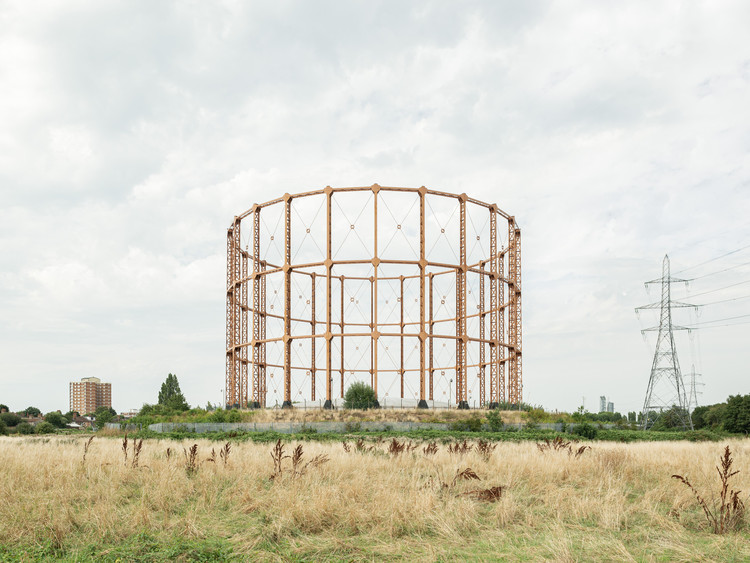
The Gas Holders of London Documented by Photographer Francesco Russo

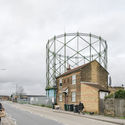
As remnants of the Industrial Age, the London gas holders are a fascinating presence across the urban landscape, one which is on the verge of disappearing. The photographic essay Ruin or Rust portrays the uncanny structures as the backdrop of everyday life, capturing their relationship to the urban context. The result of a two-year-long endeavor, this personal project of London-based photographer Francesco Russo frames the dialogue between these elements of the cityscape and the life going on around them, investigating their role in contemporary society and the urban fabric.
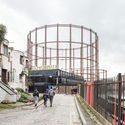
The Gas Holders of London Documented by Photographer Francesco Russo - Films & ArchitectureThe Gas Holders of London Documented by Photographer Francesco Russo - Films & ArchitectureThe Gas Holders of London Documented by Photographer Francesco Russo - Films & ArchitectureThe Gas Holders of London Documented by Photographer Francesco Russo - Films & ArchitectureThe Gas Holders of London Documented by Photographer Francesco Russo - More Images+ 13

Subscriber Access

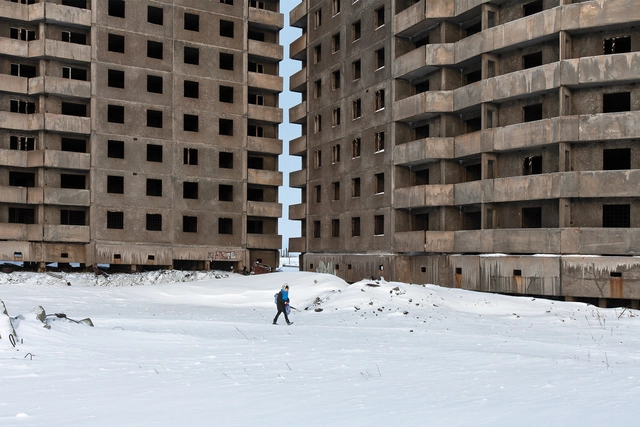
A Rare View of Siberia's Soviet Architecture

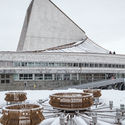
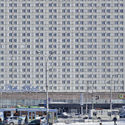
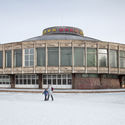
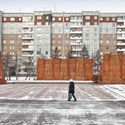
Over the past few years, a series of exhibitions and monographs have prompted a rediscovery of socialist modernism, its powerful expression and exoticism stirring significant interest. The recently published photo book Concrete Siberia. Soviet Landscapes of the Far North by Zupagrafika casts a new light on this relatively unexplored chapter of architecture history by showcasing the Soviet architecture of Siberia's major cities while providing an insight into a little-known landscape. The book presents the architecture and urban environment of six Siberian cities: Novosibirsk, Omsk, Krasnoyarsk, Norilsk, Irkutsk and Yakutsk, through the lens of Russian photographer Alexander Veryovkin, bringing about a new-found perspective on post-war architecture.
A Rare View of Siberia's Soviet Architecture - Films & ArchitectureA Rare View of Siberia's Soviet Architecture - Films & ArchitectureA Rare View of Siberia's Soviet Architecture - Films & ArchitectureA Rare View of Siberia's Soviet Architecture - Films & ArchitectureA Rare View of Siberia's Soviet Architecture - More Images+ 12

Edgar Jerins: Photographing the Locked-Down City of New York

This article was originally published on Common Edge.

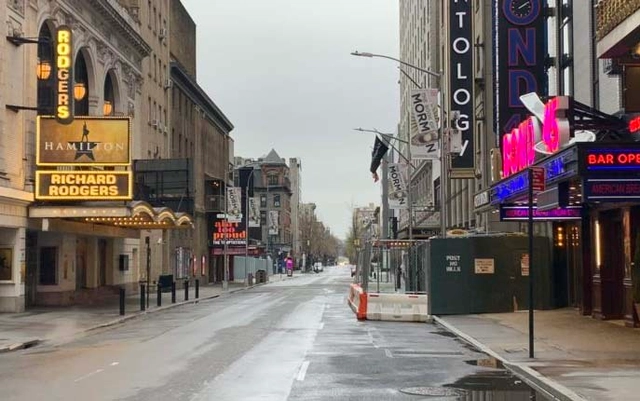
New York City: locked down, empty. It was heartbreaking, of course, but it was also beautiful. For artist Edgar Jerins, that revelation was something of a surprise. Who knew this bustling, chaotic, dirty, vibrant, profane, amazing city could look so … gorgeous when stripped of people and activity? For years, Jerins rode the subway to his studio near Times Square. When news of the spreading pandemic first surfaced—more as a vague, undefined threat, initially—he fled out of fear to the bus, and then, after the severity of the event became apparent and the lockdown began, he borrowed his daughter’s bicycle.

BIG's Twist Museum Photographed Through the Lens of Jacob Due

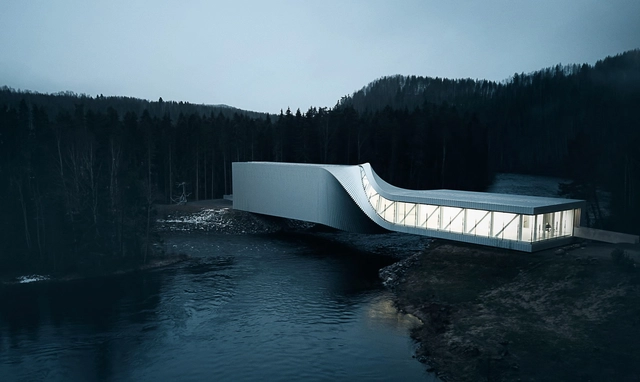
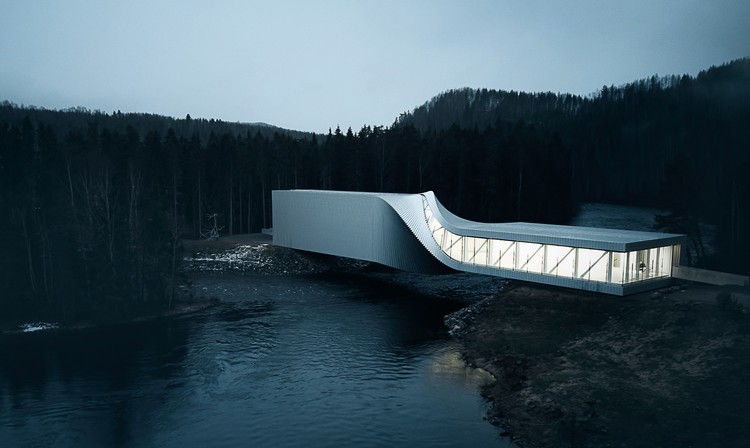
The new Twist Museum by Bjarke Ingels Group is open in Norway. Traversing the winding Randselva river, the inhabitable bridge is torqued at its center, forming a new journey and art piece within the Kistefos Sculpture Park in Jevnaker. The project was recently captured through a series of images by photographer Jacob Due. The photos explore the museum's formal approach and place the design in its larger natural context.

BIG's Twist Museum Photographed Through the Lens of Jacob Due - Image 1 of 4BIG's Twist Museum Photographed Through the Lens of Jacob Due - Image 2 of 4BIG's Twist Museum Photographed Through the Lens of Jacob Due - Image 3 of 4BIG's Twist Museum Photographed Through the Lens of Jacob Due - Image 4 of 4BIG's Twist Museum Photographed Through the Lens of Jacob Due - More Images+ 3

Capturing the John Hancock Center on its 50th Anniversary

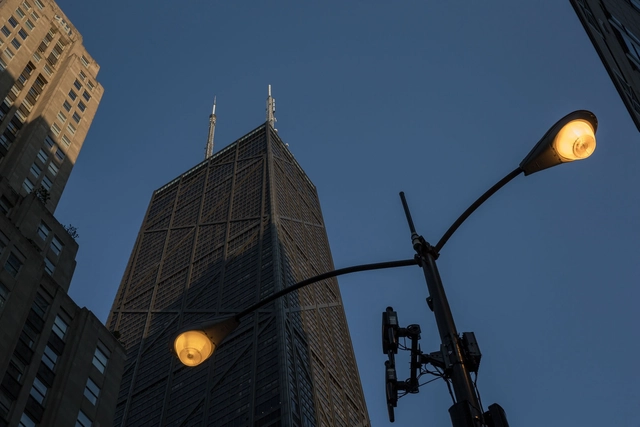
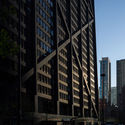
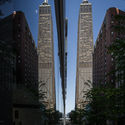
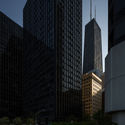
Ste Murray has recently visited Chicago and photographed the famous John Hancock Center on its 50th Anniversary. Completed in 1969, and conceived by architect Bruce Graham and structural engineer Fazlur Khan of Skidmore Owings and Merrill, the building was once the tallest structure in the world outside of New York.

Capturing the John Hancock Center on its 50th Anniversary - Image 1 of 4Capturing the John Hancock Center on its 50th Anniversary - Image 2 of 4Capturing the John Hancock Center on its 50th Anniversary - Image 3 of 4Capturing the John Hancock Center on its 50th Anniversary - Image 4 of 4Capturing the John Hancock Center on its 50th Anniversary - More Images+ 20

Subscriber Access

World Photography Day: 15 Architectural Photographers to Follow on Instagram

Photography is still one of the most widely used means of representation and communication in architecture. Although it does not incorporate the temporal dimension, the level of fidelity with which photography represents the other three dimensions of the built world makes it one of architect's favorite tools to convey their buildings.

To celebrate World Photography Day, we've gathered 15 photographers from around the world who are worth knowing - and following on Instagram.

Subscriber Access

Fernando Higueras’ La Corona de Espinas Through the Lens of Zisko Gómez

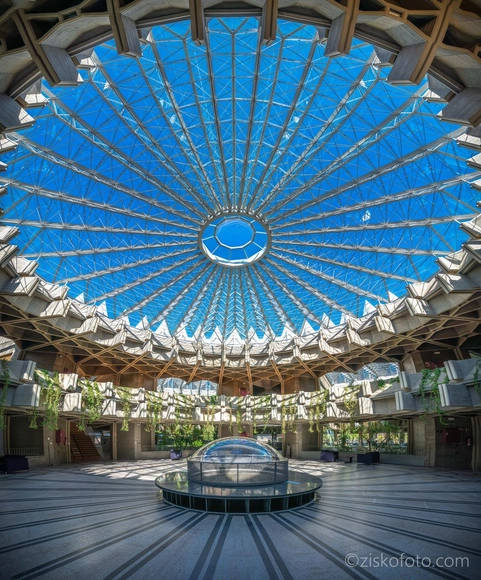
Madrid-based architectural photographer Zisko Gómez captures the recently-growing interest in Spanish architect Fernando Higueras with his photo series of Higueras’ “La Corona de Espinas,” or “The Crown of Thorns.” The building is currently headquarters to the Spanish Cultural Heritage Institute and contemporary art foundation ICO recently organized an exhibition in Madrid of Higueras’ work.

Fernando Higueras’ La Corona de Espinas Through the Lens of Zisko Gómez - Image 1 of 4Fernando Higueras’ La Corona de Espinas Through the Lens of Zisko Gómez - Image 2 of 4Fernando Higueras’ La Corona de Espinas Through the Lens of Zisko Gómez - Image 3 of 4Fernando Higueras’ La Corona de Espinas Through the Lens of Zisko Gómez - Image 4 of 4Fernando Higueras’ La Corona de Espinas Through the Lens of Zisko Gómez - More Images+ 37

Subscriber Access

Gallery: Chinese Blue by Sebastian Weiss

Name: Chinese Blue

Photographer: Sebastian Weiss

Location: Beijing

Year: September 2018

Gallery: Chinese Blue by Sebastian Weiss - 1 的图像 4Gallery: Chinese Blue by Sebastian Weiss - 2 的图像 4Gallery: Chinese Blue by Sebastian Weiss - 3 的图像 4Gallery: Chinese Blue by Sebastian Weiss - 4 的图像 4Gallery: Chinese Blue by Sebastian Weiss - More Images+ 15

Subscriber Access

Gallery: Monolicious by Sebastian Weiss

Name: Monolicious

Photographer: Sebastian Weiss

Location: Milan

Year: 2018

Gallery: Monolicious by Sebastian Weiss - 1 的图像 4Gallery: Monolicious by Sebastian Weiss - 2 的图像 4Gallery: Monolicious by Sebastian Weiss - 3 的图像 4Gallery: Monolicious by Sebastian Weiss - 4 的图像 4Gallery: Monolicious by Sebastian Weiss - More Images+ 7

Subscriber Access

Kengo Kuma and Associates's Yangcheng Lake Tourist Transportation Center Through The Lens Of Zheng Shi

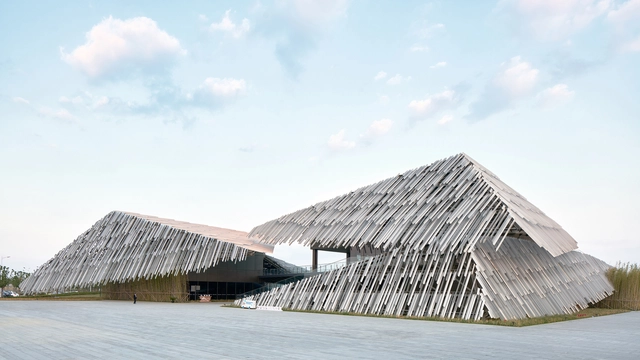
From Chinese architectural photographer Zheng Shi comes imagery of Kengo Kuma's Yangcheng Lake Tourist Transportation Center in China. Architecture aimed to build a topographic structure as a large hill by randomly placing aluminum extruded materials with single-sized sections. Inside is designed as the assemblage of slanted floors, in order to maintain the same landform both in inside and outside that create some random yet ambiguous state.

Subscriber Access

Gallery: City of Light by Sebastian Weiss

Name: City of Light

Photographer: Sebastian Weiss

Location: Lisbon

Year: March 2019

Gallery: City of Light by Sebastian Weiss - Featured ImageGallery: City of Light by Sebastian Weiss - Image 1 of 4Gallery: City of Light by Sebastian Weiss - Image 2 of 4Gallery: City of Light by Sebastian Weiss - Image 3 of 4Gallery: City of Light by Sebastian Weiss - More Images+ 12

Subscriber Access

As virtudes e limites da fotografia na representação da arquitetura - cinco fotógrafos discutem

Enquanto meio de representação da arquitetura, a fotografia apresenta qualidades indiscutíveis. Com ela, é possível apresentar a um público distante obras erguidas em qualquer lugar do mundo, de vistas gerais a espaços internos e pormenores construtivos - ampliando o alcance e, de certo modo, o acesso à arquitetura.

Entretanto, como qualquer outra forma de representação, não é infalível. Na medida que avanços tecnológicos permitem fazer imagens cada vez mais bem definidas e softwares de edição oferecem ferramentas para retocar e, por vezes, alterar aspectos substanciais do espaço construído, a fotografia, por sua própria natureza, carece de meios para transmitir aspectos sensoriais e táteis da arquitetura. Não é possível - ao menos não satisfatoriamente - experienciar as texturas, sons, temperatura e cheiros dos espaços através de imagens estáticas. 

As virtudes e limites da fotografia na representação da arquitetura - cinco fotógrafos discutem  - Imagen 3 de 4As virtudes e limites da fotografia na representação da arquitetura - cinco fotógrafos discutem  - Imagen 1 de 4As virtudes e limites da fotografia na representação da arquitetura - cinco fotógrafos discutem  - Imagen 2 de 4As virtudes e limites da fotografia na representação da arquitetura - cinco fotógrafos discutem  - Imagen 5 de 4As virtudes e limites da fotografia na representação da arquitetura - cinco fotógrafos discutem  - More Images+ 10

18 Spectacular Photographs Recognized at the AIA Los Angeles Photography Awards

The American Institute of Architects Los Angeles Chapter has announced the winners of their 2019 Architectural Photography Awards. The 18 images, awarded in the Honor, Merit, and Citation tiers, were selected from 450 submissions of stellar quality, a two-fold increase on the 2018 edition.

The awards were founded as a “celebration of the use of architecture as a subject to make art, rather than a photograph as a documentational tool.” Recognizing the individuals driven to communicate the works of architects, the awards “celebrate the photographer’s eye, skill, and talent in expressing the transcendent nature of space."

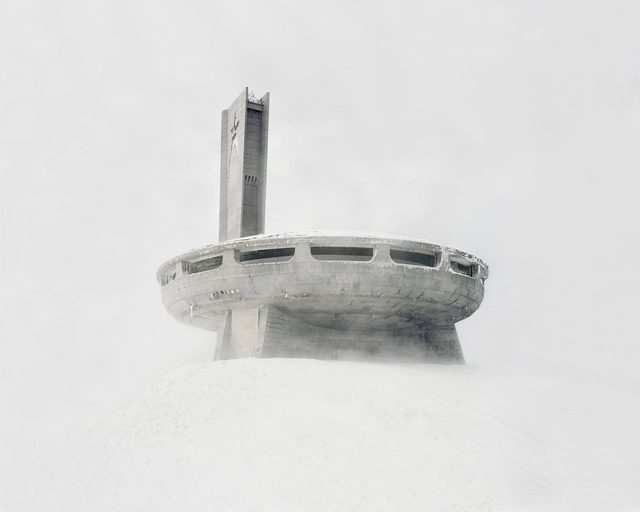
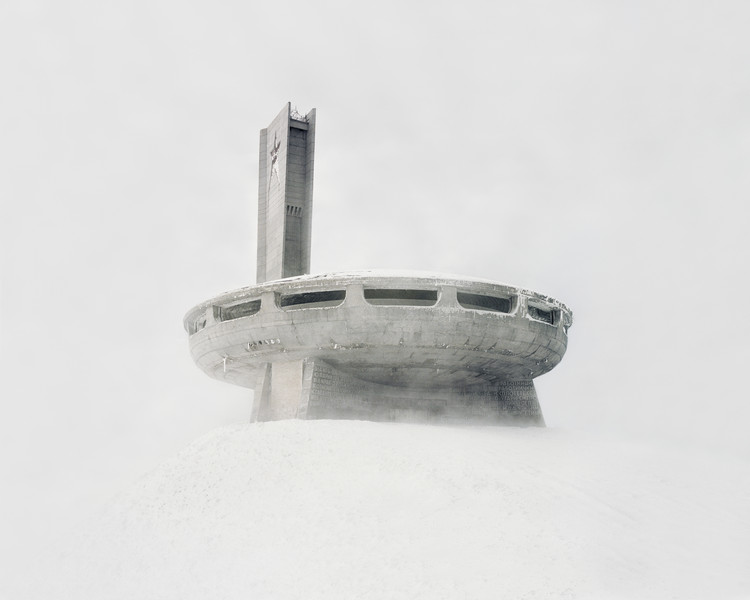
Abandoned Soviet-Era Infrastructure Captured by Danila Tkachenko

Last week, we covered the work of Moscow-based visual artist Danila Tkachenko, whose “Monuments” project appropriated abandoned Russian Orthodox churches with abstract modernist shapes. Tkachenko’s further work, “Restricted Areas” is equally as impressive, focusing on the human impulse towards utopia through technological progress.

The “Restricted Areas” photography set distills humanity’s strive to perfection through recording abandoned Soviet infrastructure. Traveling to now-deserted landscapes which once held great importance as centers of technological progress, Tkachenko captured images of “forgotten scientific triumphs, abandoned buildings of almost inhuman complexity” and a “technocratic future that never came.”

Abandoned Soviet-Era Infrastructure Captured by Danila Tkachenko - Imagen 1 de 4Abandoned Soviet-Era Infrastructure Captured by Danila Tkachenko - Imagen 2 de 4Abandoned Soviet-Era Infrastructure Captured by Danila Tkachenko - Imagen 3 de 4Abandoned Soviet-Era Infrastructure Captured by Danila Tkachenko - Imagen 4 de 4Abandoned Soviet-Era Infrastructure Captured by Danila Tkachenko - More Images+ 10

Abandoned Russian Orthodox Monuments Appropriated with Abstract Modernist Shapes by Danila Tkachenko

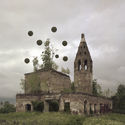
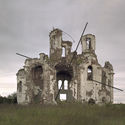
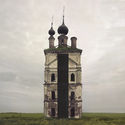
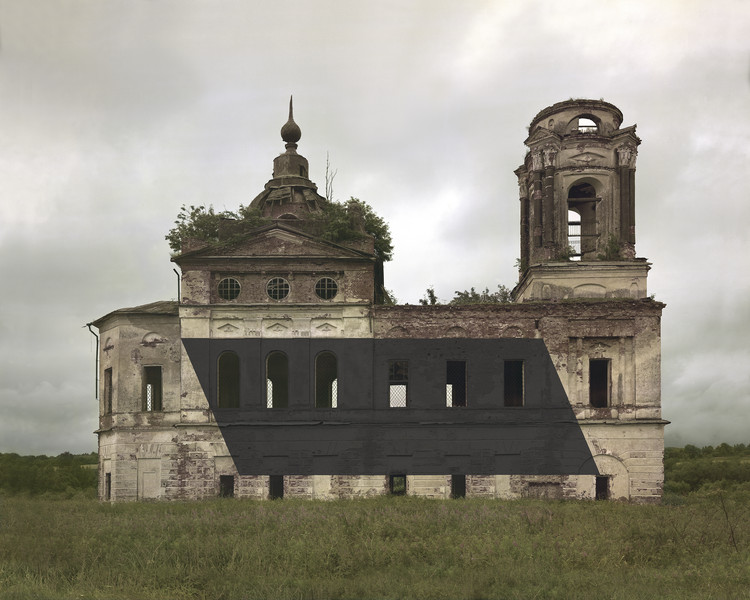
Moscow-based visual artist Danila Tkachenko has developed a project researching the boundaries of historical memories in Russian Orthodox churches. “Monuments” involved the sensitive appropriation of the abandoned rural churches, erecting lightweight structures in abstract modernist shapes.

The project sought to explore the area between fact and fiction, reflecting on “humanity’s inclination to exploit images of the past for the sake of our current needs, and future goals.” The structures, all abandoned in 1917 following the Russian Revolution, were adorned with striking modernist elements which, although visually powerful, can be dismantled following the project’s completion with no effect on the landmarks.

Abandoned Russian Orthodox Monuments Appropriated with Abstract Modernist Shapes by Danila Tkachenko - Imagen 1 de 4Abandoned Russian Orthodox Monuments Appropriated with Abstract Modernist Shapes by Danila Tkachenko - Imagen 2 de 4Abandoned Russian Orthodox Monuments Appropriated with Abstract Modernist Shapes by Danila Tkachenko - Imagen 3 de 4Abandoned Russian Orthodox Monuments Appropriated with Abstract Modernist Shapes by Danila Tkachenko - Imagen 4 de 4Abandoned Russian Orthodox Monuments Appropriated with Abstract Modernist Shapes by Danila Tkachenko - More Images+ 6

Subscriber Access

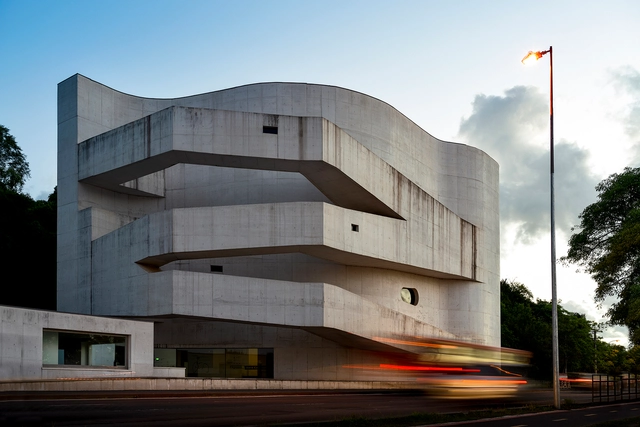
Alvaro Siza's Iberê Camargo Foundation Through the Lens of Ronaldo Azambuja

Alvaro Siza orchestrates, like no other, the experience of the visitor in his works. By means of compressions and decompression, openings and closings, volumes, voids and light, the Portuguese architect marks the paths, points of view, and perspective of the passage of time. In this photo essay, Ronaldo Azambuja photographed the Iberê Camargo Foundation ten years after its inauguration.

Subscriber Access

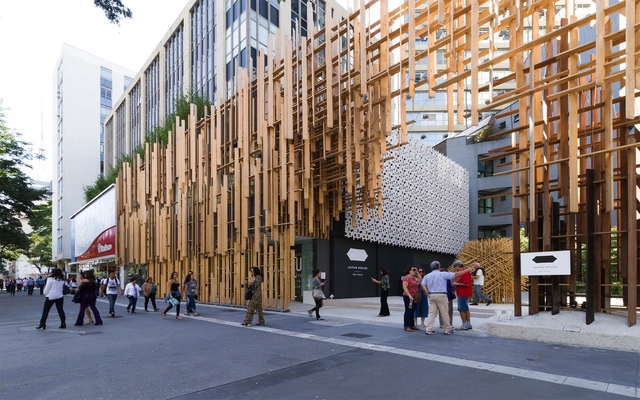
Kengo Kuma and FGMF's Japan House Sao Paulo Through the Lens of FLAGRANTE

Architect and photographer Romullo Fontenelle of FLAGRANTE studio shared with ArchDaily a series of photographs from the recently inaugurated Japan House Sao Paulo, a project by Kengo Kuma in partnership with the local office FGMF Arquitetos.

The global initiative by the Japanese Government aims to "create a vision of contemporary Japan." Opened May 2018, Japan House combines art, technology, and business to offer an escape to present day Japan. 

Kengo Kuma and FGMF's Japan House Sao Paulo Through the Lens of FLAGRANTE - Imagem 1 de 4Kengo Kuma and FGMF's Japan House Sao Paulo Through the Lens of FLAGRANTE - Imagem 2 de 4Kengo Kuma and FGMF's Japan House Sao Paulo Through the Lens of FLAGRANTE - Imagem 3 de 4Kengo Kuma and FGMF's Japan House Sao Paulo Through the Lens of FLAGRANTE - Imagem 4 de 4Kengo Kuma and FGMF's Japan House Sao Paulo Through the Lens of FLAGRANTE - More Images+ 29

Subscriber Access

13 Instagram Accounts That Showcase the Diversity of Facades Around the World

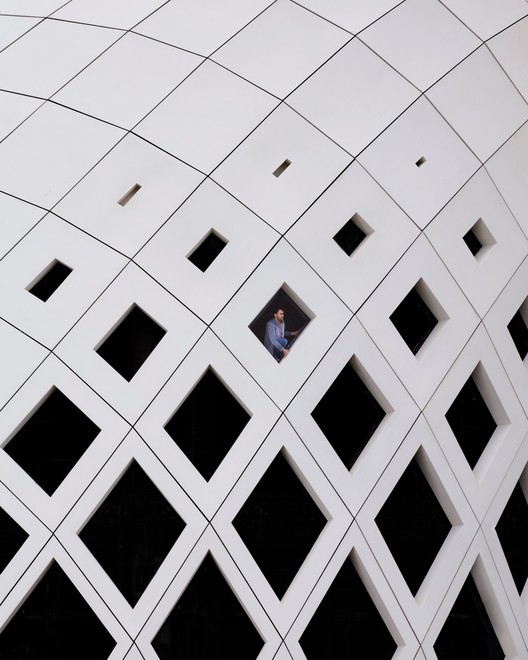
13 Instagram Accounts That Showcase the Diversity of Facades Around the World - Image 1 of 4
Instagram user @serjios (Serge Najjar). ImageZaha Hadid in Beirut

In recent years, social media (especially Instagram) has become an extremely important tool in the field of architecture. Instagram has become the go-to visual platform for showcasing a wide variety of architectural typologies and styles, city views, and stunning edifices that often go unnoticed. While these buildings may seem ordinary to the everyday passerby, they become objects of art for not only architects but those who stop to take notice of their design.

Below we have selected 13 Instagram accounts dedicated to highlighting facades and walls from around the world, showcasing the diversity of our cities.