1. ArchDaily
  2. Architecture and Race
Architecture and Race: The Latest Architecture and News

Second Season of Esther Choi's Office Hours Promises More Opportunities for Young Bipoc Designers

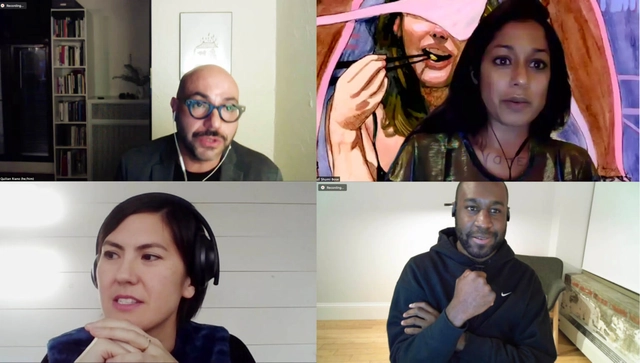
Last year, as the pandemic kept many housebound, artist and architectural historian Esther Choi found herself fielding a lot of requests from BIPOC students and young professionals looking for advice. She noticed several of the same concerns cropping up, specifically those having to do with the stresses of studying or working in environments that were overwhelmingly white. So, as one will do these days, Choi took to social media, where she announced virtual information sessions in which she would talk about her professional experience in an attempt to help others. The success of these initial, informal get-togethers led Choi to plan a series of events where BIPOC design students and young professionals could pick the brains of established BIPOC architects, designers, and writers about their careers and ways to navigate often unsupportive fields. The conversations would be casual, frank, and encouraging. Choi named the initiative Office Hours.

"Architecture Can Heal": MASS Design Group's Katie Swenson on Building Equity Together

More inclusive, equitable futures are grounded in how we design for justice and the human condition. Katie Swenson is a Senior Principal of international non-profit MASS Design Group, and she has spent her career building social equity and advocating environmental sustainability. At the heart of her work is a thread of collective optimism, a knack for bringing people together to create healthier communities that promote human dignity and joy.

Pamela Conrad on Climate Positive Design, Landscape Architecture, and Carbon Sequestration

In 2019 CMG Landscape Architecture principal Pamela Conrad launched Climate Positive Design in an effort to help landscape architects design and build projects that can become climate positive. In this interview originally published on The Dirt, Jared Green talks with Conrad about how this approach can make a big difference.

"It’s my hope that things like this can give the next generation hope that there are solutions out there," states Conrad, a recipient of the 2018 Landscape Architecture Foundation Fellowship for the development of the award-winning Pathfinder landscape carbon calculator app and the Climate Positive Design Challenge.

Presenting British Architecture as Progressive, but Practicing Through Exclusion

This article was originally published on Common Edge as "Presenting Architecture as Progressive, but Practicing Through Exclusion."

For a profession that likes to congratulate itself about how well-meaning it is, and sees itself as liberal, diverse, open, and progressive, British architecture has a serious problem with diversity of pretty much every kind. It is dominated by people from well-off backgrounds. It trains a lot of brilliant female architects but doesn’t pay them as much as men, and loses many of them after 30 when they are not supported in balancing work and family life. Its ethnic makeup is very, very white, considering that it’s 2020. A supposed beacon of success is the acceptance of the LGBTQ community within the field, but as with women and those from and religious and ethnic minorities, stories of unprofessional comments, inappropriate jokes, and insidious forms of jovially “innocent” othering and the diminution of identity-specific concerns abound.

Works by David Adjaye, Daniel Libeskind, and More for Bid to Support Black Women Architecture Students

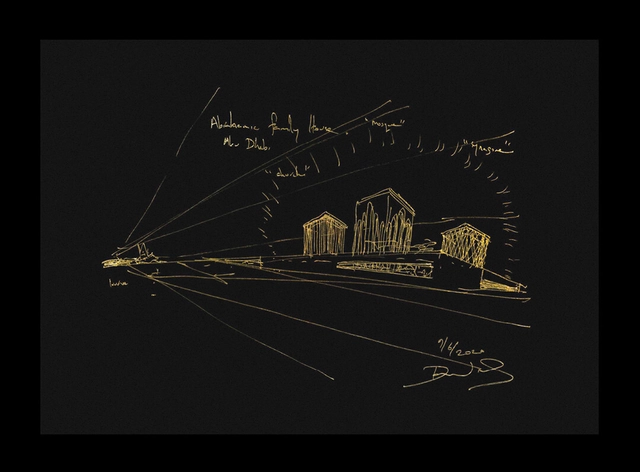
Architecture for Change (ARCH), a newly launched nonprofit initiative dedicated to addressing systemic racism in the architecture and design industry, is kicking off with an online auction featuring donated works—sketches, models, plans, photographic prints, and more—from a host of notable architects including Sir David Adjaye, Daniel Libeskind, Michel Rojkind, David Rockwell, Jennifer Bonner, Trey Trahan, and others.

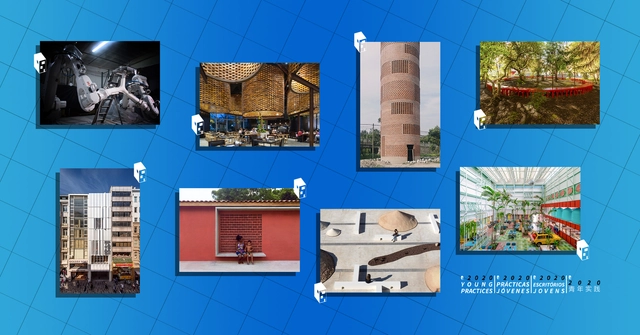
ArchDaily Selects the Best Young Practices of 2020

ArchDaily is proud to announce the 2020 Young Practices selection. This premier edition highlights emerging offices that are providing innovative approaches, proposals, and solutions to some of the main challenges Humankind is facing right now. From climate crisis to racial and gender issues. From technological disruption to social cohesion. These challenges are shaping the evolution of architecture, leading the discipline towards a new society and a new economy.

Chosen from over 350 submissions from 72 countries and 215 cities, all over the world, the selected firms reflect the sequential changes architecture has been navigating through over the last twenty years, with the rise and latter consolidation of new technologies, tools, formats, topics, scales, and interdisciplinary approaches.

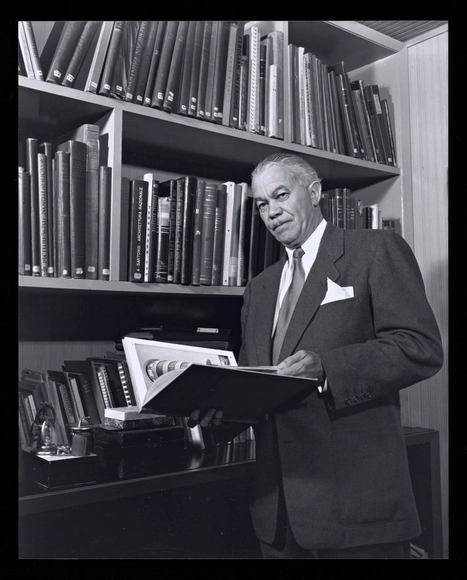
The Getty and USC Launch Talks Shedding Light on the Impact of Architect Paul R. Williams

Paul Revere Williams, the late architect who was the first black member of the American Institute of Architects (AIA), has recently been receiving some long-overdue recognition. The AIA awarded him a posthumous gold medal in 2017; a PBS documentary “Hollywood’s Architect: The Paul R. Williams Story” aired in February, and a book titled “Regarding Paul R. Williams: A Photographer’s View” was published in September.

“[On Set with] Lilly Reich” Awarded the 2nd Lilly Reich Grant for Equality in Architecture

Fundació Mies van der Rohe and Ajuntament de Barcelona have announced online that the 2nd Lilly Reich Grant for Equality in Architecture has been awarded to the research proposal: “[On Set with] Lilly Reich” by Valencian architects Laura Lizondo Sevilla, Débora Domingo Calabuig, and Avelina Prat García. The granted project was selected by an international jury, composed of three professionals linked to the fields of research and dissemination in architecture and the research and dissemination in the matter of equality.

More Than a PR Campaign—Diversity and Inclusion Through Action in Architecture Firms

Every company across the country is talking about “diversity” and “inclusion”—but what actions are actually being taken to address the issues? In May, following the death of George Floyd and the rise of the Black Lives Matter movement, conversations were had, statements issued, and boxes checked. But achieving diversity and inclusion will involve addressing long-term, systemic issues that cannot be solved with a black square on Instagram or a carefully crafted statement from a PR department.

The first step toward diversity and inclusion is recognizing that talking about it is not enough, and the path to real change is going to be a process.

Landscape Architects of Color on How to Combat Erasure

Over two days, approximately 500 online participants together set the agenda, formed and dissolved discussion groups, and shared knowledge and resources. With the assistance of an “open space” facilitator, this is how Cut|Fill, a virtual "unconference” on landscape architecture, unfolded.

Organized by the Urban Studio and Ink Landscape Architects, Cut|Fill was meant to “raise questions we all want to discuss,” explained Andrew Sargeant, ASLA, a founder of Urban Studio. One of those important questions: “how can landscape architects design with empathy and end dismissive behavior towards people of color?”

The Pursuit of an Identity for Angolan Architecture: Interview with Grupo BANGA

Subscriber Access | 

Investing in virtual projects has probably never been more timely, after all, we have been partially deprived of contact with the concrete world. Exploring the singularities of the present moment and the power of online engagement, a group of architects from Angola started an ambitious work: pursuing a new identity for Angolan architecture.

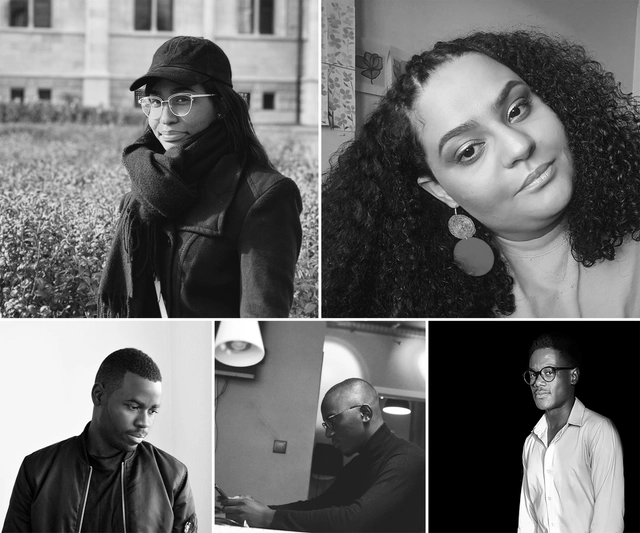
Formed by Yolana Lemos, Kátia Mendes, Mamona Duca, Elsimar de Freitas, and Gilson Menses, Grupo BANGA is responsible for the project Cabana de Arte (Art Hut), which combines the efforts of young architects and artists from Angola in virtual works that seek to bring visibility to emerging professionals and bring architecture closer to people's daily lives.

The Pursuit of an Identity for Angolan Architecture: Interview with Grupo BANGA - Image 1 of 4The Pursuit of an Identity for Angolan Architecture: Interview with Grupo BANGA - Image 2 of 4The Pursuit of an Identity for Angolan Architecture: Interview with Grupo BANGA - Image 3 of 4The Pursuit of an Identity for Angolan Architecture: Interview with Grupo BANGA - Image 4 of 4The Pursuit of an Identity for Angolan Architecture: Interview with Grupo BANGA - More Images+ 3

World Architecture Day: Designing for the Future of the Human Habitat

Subscriber Access | 

World Architecture Day, celebrated on the first Monday of every October, was set up by the Union International des Architects (UIA) back in 2005 to “remind the world of its collective responsibility for the future of the human habitat”, coinciding with UN-Habitat's World Habitat Day.

'Landslide 2020' Spotlights Women-Designed Landscapes and the Threats That They Face

The Cultural Landscape Foundation (TCLF) has released its 2020 edition of Landslide, an annual in-depth report produced by the Washington, D.C.-based nonprofit that profiles—and raises awareness of—a geographically diverse number of at-risk American parks, gardens, horticultural features, working landscapes, and “and other places that collectively embody our shared landscape heritage.”

Reflecting on the African American Experience at the Harvard GSD

This article was originally published on Common Edge.

In the wake of the murder of George Floyd at the hands of the Minneapolis Police, the United States erupted in protests and demonstrations. The fervor generated by that event reached the world of architecture education a couple of weeks later, when two groups at the Harvard Graduate School of Design (GSD)—the African American Student Union (AASU) and AfricaGSD—posted a public statement, Notes on Credibility, calling for reforms at the school. Four days later, Dean Sarah M. Whiting posted a response, Towards a New GSD. Shortly after, I reached out to the groups, and they put me in touch with two of their members: Caleb Negash, a second-year student in the MArch program, and Andrew Mbuthia Ngure, a third-year student in the same program.

Remnant Schools: Faculty Are Repurposing the Legacy of Jim Crow Across Louisiana

Throughout the south of the United States, hundreds of mid-century “equalization schools”—public schools built in the 1950s following Brown vs. Board of Education in a desperate effort to maintain segregated “separate but equal” schools in southern states—sit empty, abandoned, and crumbling.

A New Urban Model for a New Project of Society: An Interview with Tainá de Paula

A New Urban Model for a New Project of Society: An Interview with Tainá de Paula - Featured Image
Tainá de Paula. Image: Publicity Photo

Approaching the context of widening political divides and growing economic inequalities. A new spatial contract. Learning how will we live together. These thoughts brought by Hashim Sarkis, curator of the 17th International Architecture Exhibition of Venice Biennale 2021, may raise important questions about how architecture crosses and materializes social and political conflicts. To understand a more decentralized point of view, which indicates possibilities other than those dictated by normative mindsets, we interviewed Tainá de Paula, a Brazilian architect and community mobilizer in poor suburban areas.

Wandile Mthiyane on Why Dignified Housing is at the Foundation of a Community

The Midnight Charette is an explicit podcast about design, architecture, and the everyday. Hosted by architectural designers David Lee and Marina Bourderonnet, it features a variety of creative professionals in unscripted conversations that allow for thoughtful takes and personal discussions. A wide array of subjects are covered with honesty and humor: some episodes provide useful tips for designers, while others are project reviews, interviews, or explorations of everyday life and design. The Midnight Charette is also available on iTunes, Spotify, and YouTube.

This week David and Marina are joined by Wandile Mthiyane to discuss growing up in Durban, South Africa, Christians building classrooms, the apartheid, becoming an Obama Foundation Leader, the subtleties of racism and how it differs from the United States to South Africa, hiring locally, and more. Enjoy!

In conversation with Anastasia Elrouss: Architect, Activist, and Founder of Warch(ée) NGO

Subscriber Access | 

I’ve known since I was a child that change would never happen on its own. My dream was to make a positive change as a woman architect and urban planner.” Architect, Activist, and Founder of Warch(ée) NGO, Anastasia Elrouss has been involved in architecture and advocating for women in the field, for nearly 15 years. Through her own practice, she is always seeking to create interventions that are constantly adapting to the users and the environment, “putting the human layer at the center of the architectural experience”. Through her platform, she is encouraging an ongoing conversation about gender equality and the role of women in the workplace and the world.

Archdaily’s Hana Abdel, project curator and Christele Harrouk, senior editor, had the chance to sit with Anastasia to discuss her journey, her creative process, her deeply-rooted involvement with women in the field and the inception of both her NGO and architectural practice.

In conversation with Anastasia Elrouss: Architect, Activist, and Founder of Warch(ée) NGO - Image 1 of 4In conversation with Anastasia Elrouss: Architect, Activist, and Founder of Warch(ée) NGO - Image 2 of 4In conversation with Anastasia Elrouss: Architect, Activist, and Founder of Warch(ée) NGO - Image 3 of 4In conversation with Anastasia Elrouss: Architect, Activist, and Founder of Warch(ée) NGO - Image 4 of 4In conversation with Anastasia Elrouss: Architect, Activist, and Founder of Warch(ée) NGO - More Images+ 13