

-
Architects: Studio 2 Arquitetura e Interiores
- Area: 283 m²
- Year: 2020
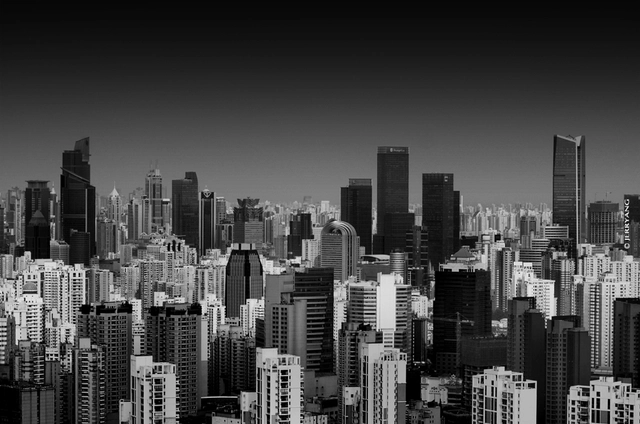
Three years ago, in the wake of the release of his book Theories and History of the Modern City ("Teorías e Historia de la Ciudad Contemporánea", 2016, Editorial Gustavo Gili), we sat down with the author, Carlos García Vázquez, to discuss this complex and "uncertain creature' that is the modern city, focusing on the three categories that define cities today: Metropolis, Megalopolis, and Metapolis.
Based on an analysis of those "who have traditionally led the way in the planning of spaces" (sociologists, historians, and architects), the book illustrates the social, economic, and political forces that, in service to their own agendas, drive the planning, transformation, exploitation, and development of cities. In 120 years, urban centers have transformed from places where "people died from the city" to bastions of personal development and economic prosperity; however, the question remains —have cities really triumphed?
"Yes", says García Vásquez, "but we have paid dearly for it."
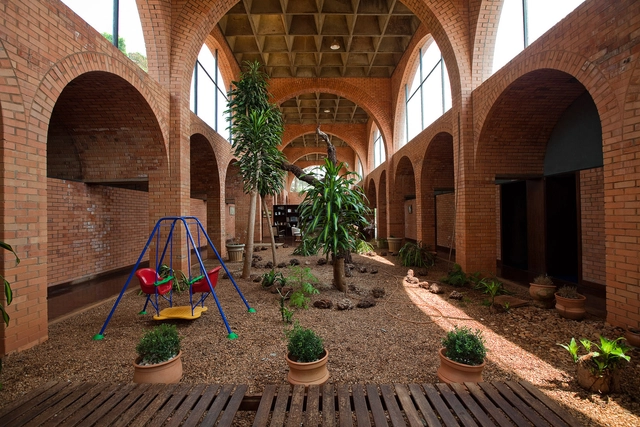
Renovations of Brazilian modernist buildings prompt a necessary debate on how to preserve and what best practices to employ when intervening in architectural heritage. The challenges of this type of intervention are immense. These projects must be approached with great care to maintain respect for their historical significance, preserving key elements of their composition while simultaneously updating the building to meet contemporary and client demands.
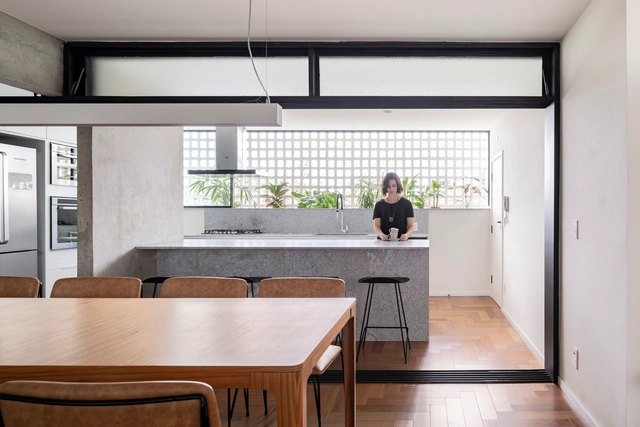

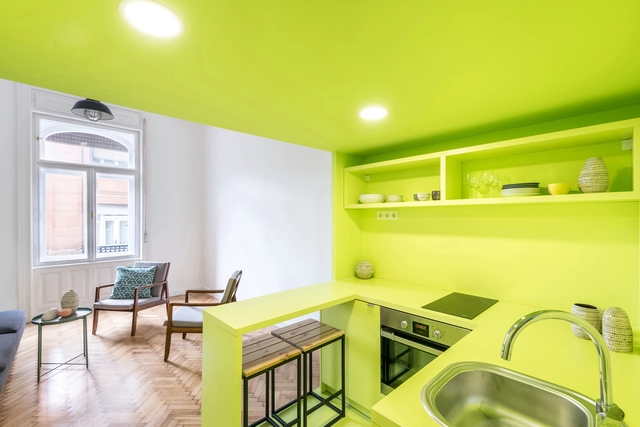
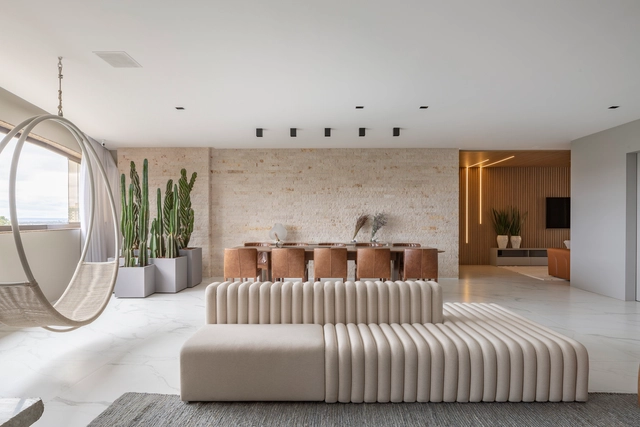
A monochrome environment is a space in which most architectural elements are of a single color. Although it is common for architects to design black or white monochromatic spaces due to its neutrality, it is possible to use almost any color to design a space, taking advantage of their infinite tones, undertones, and shades.
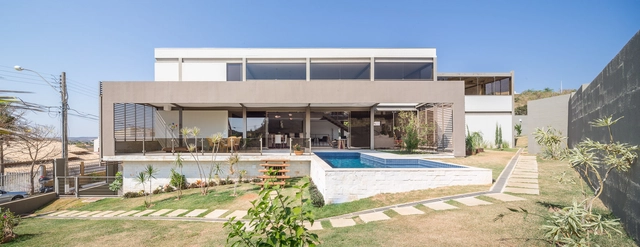

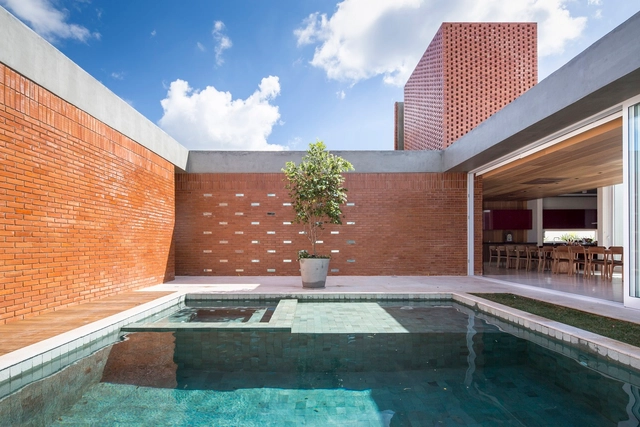
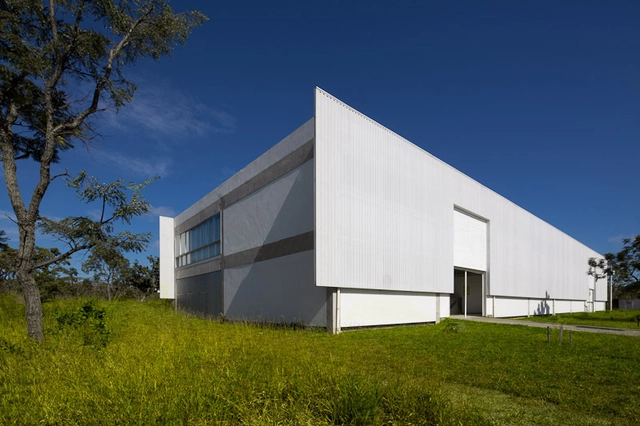
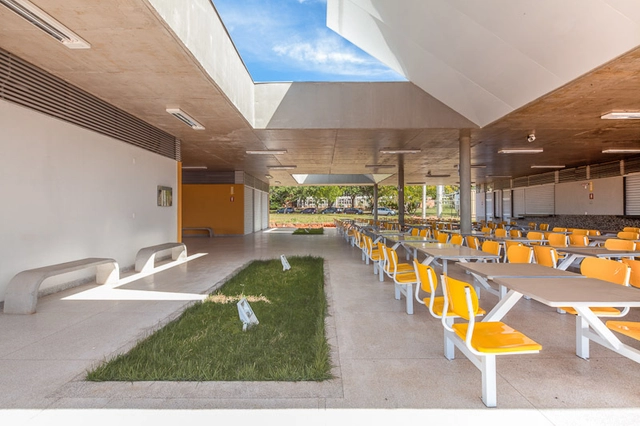


50 years ago Clarice Lispector already pointed out how difficult it was to unveil Brasilia: "the two architects did not think of building beautiful, it would be easy; they raised their amazement, and left the amazement unexplained". This year the capital turned 60, and still remains intriguing for scholars, students, and anyone who allows themselves to explore it better. In order to understand the daily life that exists there, we invited six professionals- in the field of architecture and urbanism - who live in the city, to share their visions with us and bring a few more layers that help to build an interpretation of utopia and reality that Brasília currently represents.