-
Architects: Daniel Zelcer, Rietti Schraier Zelcer
- Area: 800 m²
- Year: 2021
-
Manufacturers: Aluar, EDFAN, Hunter Douglas, Moltrasio, Roca
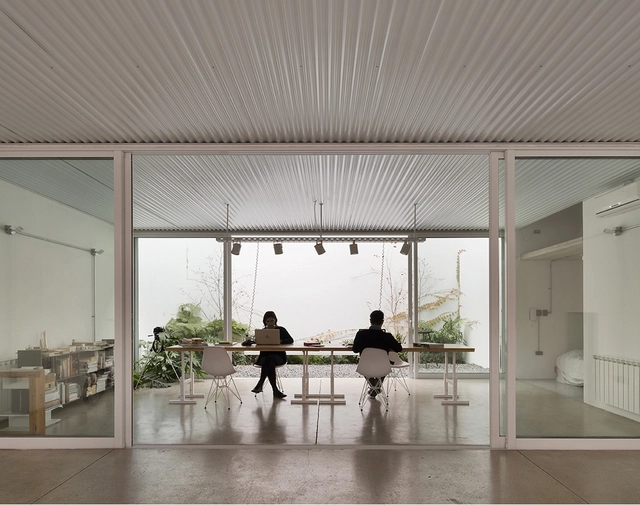
While many of the homes built during the Modern Movement—as design experiments on new ways of living—fostered the early emergence of "programmatic hybrids" by typically linking the residences of artists, painters, or architects with their workspaces (one need only recall, for instance, the atelier Le Corbusier designed for painter Amédée Ozenfant in 1922), today, new work models and hyperconnectivity have further driven the development of a new typology where workspaces are integrated into residential architecture. Architects, writers, photographers, designers, and painters increasingly choose to integrate their studios and workshops into their homes, merging living and working into a single whole.
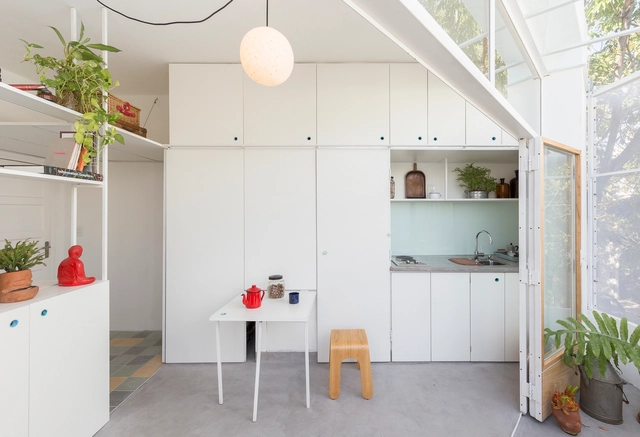
Regardless of the design adopted for kitchen spaces, for some years now and with increasing frequency, many architects have been deciding to design kitchens by integrating them into other rooms in the home. Free of dividing walls or joinery, integrated kitchens are implemented with the aim of leaving the activities that take place there in full view of everyone, encouraging interaction and communication between the inhabitants.
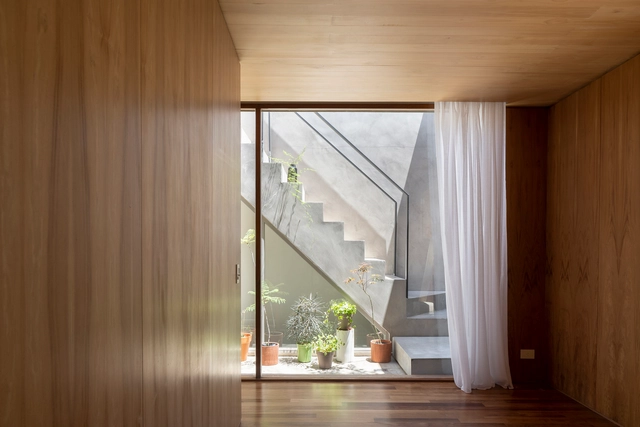
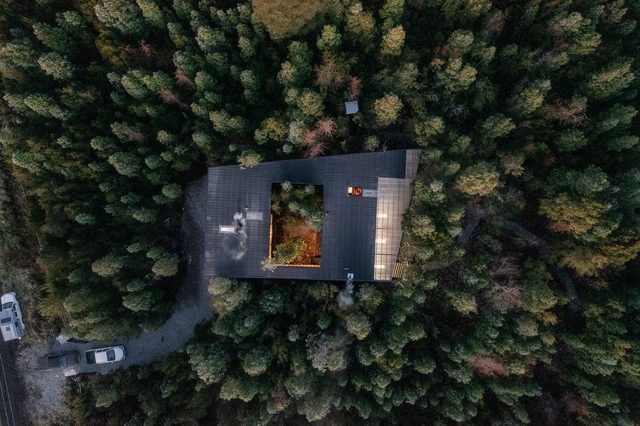
What role do forests play in our daily lives? In what ways can they be converted into living spaces? What strategies can be implemented to reduce the environmental impact of our buildings? On the International Day of Forests, which is celebrated every 21st of March, this year we propose to raise awareness of the links between forests and our daily lives. Even though deforestation continues to advance, forests represent a source of great economic, social and ecological benefits.
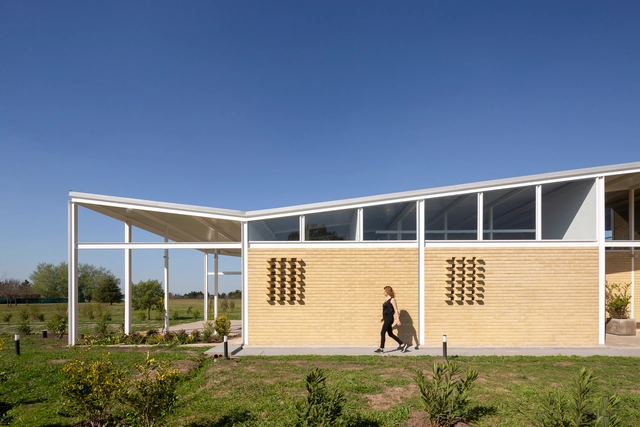

On Thursday, March 31, the final lecture of the month for the "The Work of Others" series will take place. The series is organized by the Center for Studies of Contemporary Architecture (CEAC) at the School of Architecture and Urban Studies (EAEU) of the Torcuato Di Tella University (UTDT) for the first semester of 2022. The lecture will be led by architect Diego Arriagada, with an introduction by architect Martín Huberman. Lectures by Martín Torrado, Jorge Silvetti (Machado Silvetti), and Mariano Clusellas will follow throughout April as part of this program of public, in-person events, which runs through early August and requires prior registration.
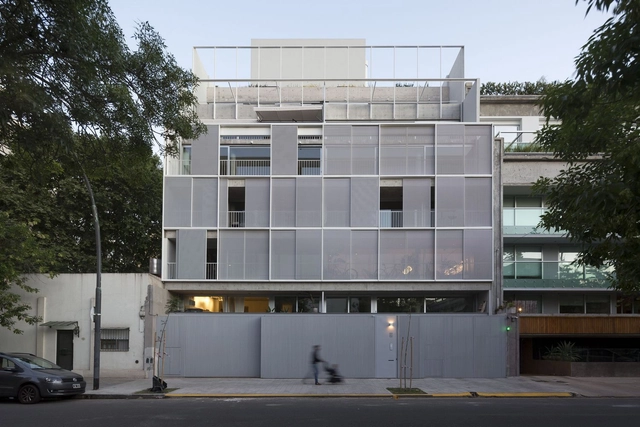

As part of the series of public activities organized by the Center for Contemporary Architecture Studies (CEAC) at the School of Architecture and Urban Studies (EAEU) of Torcuato Di Tella University (UTDT), architect Ricardo Fernández Rojas will deliver a lecture on Thursday, March 17, introduced by Martín Torrado. Like other past and upcoming lectures, this series, titled "The Work of Others," is a program of free, in-person activities that require prior registration.
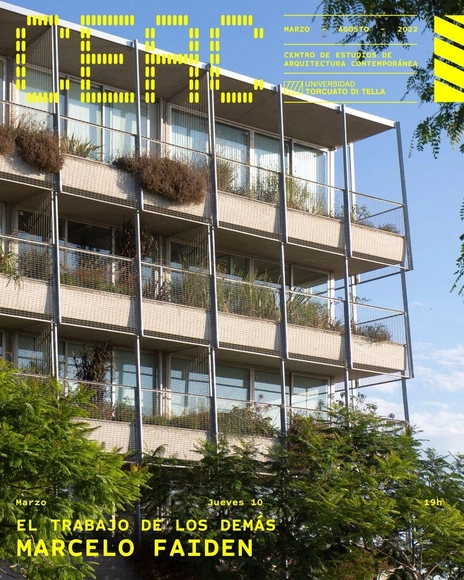
The Center for Architecture and Contemporary Studies (CEAC) at the School of Architecture and Urban Studies (EAEU) of the Universidad Torcuato Di Tella (UTDT) has presented its public programming for the first semester of 2022, which began on Thursday, March 3, with a lecture by Spanish architect Juan Herreros. On Thursday, March 10, the second cycle of activities, titled "The Work of Others," will begin. This series aims to showcase the intellectual affinities of the School's new leadership through weekly presentations. The inaugural lecture will be delivered by Marcelo Faiden, with an introduction by Ricardo Fernández Rojas.

The Association of Architects of Uruguay has announced the selected works from the 129 projects that participated in the 2021 Completed Work Competition. To ensure maximum territorial equity, the competition considered projects built between 2014 and 2020 across different regions of Uruguay. Divided into seven diverse categories—ranging from housing, cultural, and social infrastructure to interventions in built heritage or public spaces—one award and two honorable mentions were granted for each category.
The jury comprised Alma Varela, Humberto Eliash, Bernardo Martín, Héctor Berio, María Samaniego, Fernando Giordano, Alejandro Baptista, Nivaldo Andrade, and Angela Perdomo, who evaluated their respective categories. They were advised by Juan A. Articardi, Cristina Bausero, and Salvador Schelotto. Below are the winners in each category.
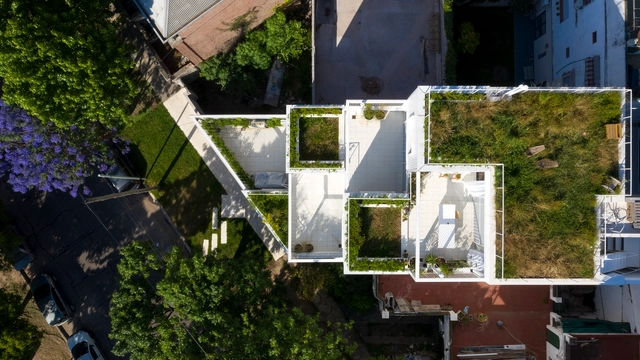
Over the last couple of years, terraces have become an important part of urban life, acting as a refuge, a space for enjoyment and gathering, for contemplation or as an outdoor workspace. As a result of periods of confinement around the beginning of the Covid-19 pandemic, these outdoor spaces where people can exercise, connect with nature, study or work, have become particularly popular with those living in large cities.
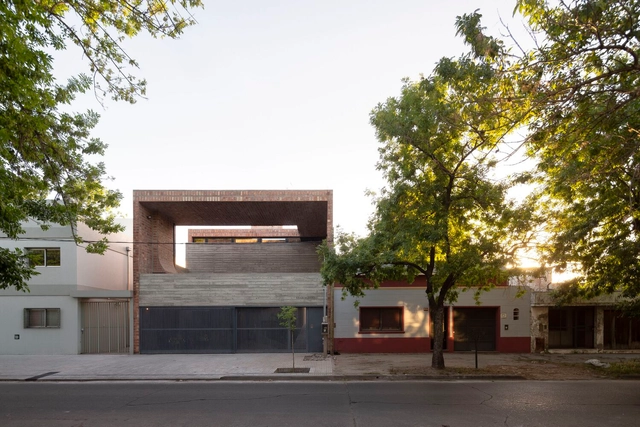
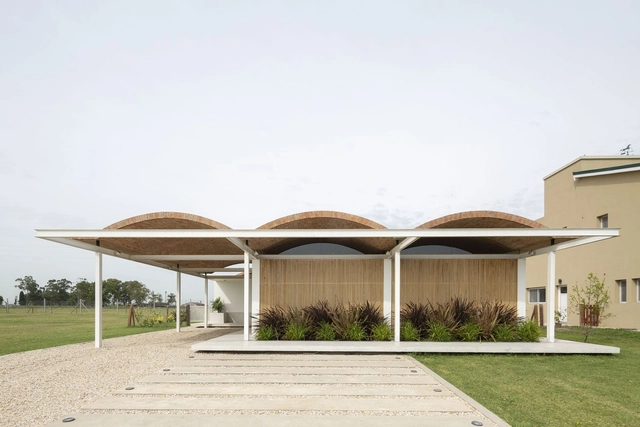
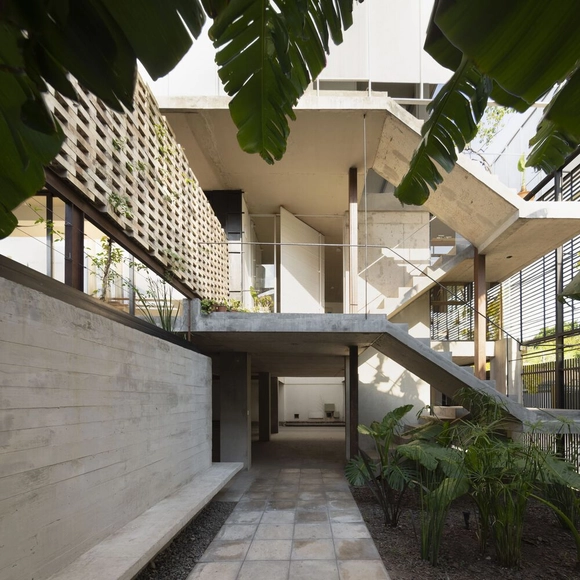

The CAPBA Award in Argentina represents an opportunity to showcase the achievements and innovations of architects across their various professional fields. Works located both inside and outside the province of Buenos Aires, completed within the last 10 years, were eligible to enter. Organized by the Association of Architects of the Province of Buenos Aires, the jury for each category evaluated the submissions and awarded first, second, and third prizes, along with several honorable mentions.