Addressing contextual severe healthcare problems, like the outbreak of infectious diseases or maternal mortality, MASS has helped in setting design strategies to mitigate and reduce critical medical concerns. With some projects operational, and others in the pipeline, the facilities imagined, tackle a wide range of complications.
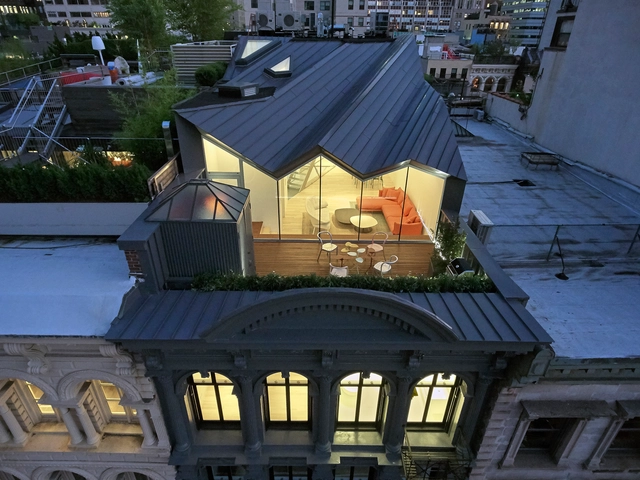
One of the most important cities in the world –and the most populated in the United States of America–, New York is home to a great mix of cultures and history that has been shaped over the years, while art and architecture play a fundamental role in this development.
“When you read Love in the Time of Cholera you come to realize the magic realism of South America.” Yvonne Farrell, Shelley McNamara and I were in a corner of the Barbican Centre’s sprawling, shallow atrium talking about the subject of their most recent accolade, the Royal Institute of British Architects inaugural International Prize, awarded that previous evening. That same night the two Irish architects, who founded their practice in Dublin in the 1970s, also delivered a lecture on the Universidad de Ingeniería and Tecnologia (UTEC)—their “modern-day Machu Picchu” in Lima—to a packed audience in London’s Portland Place.
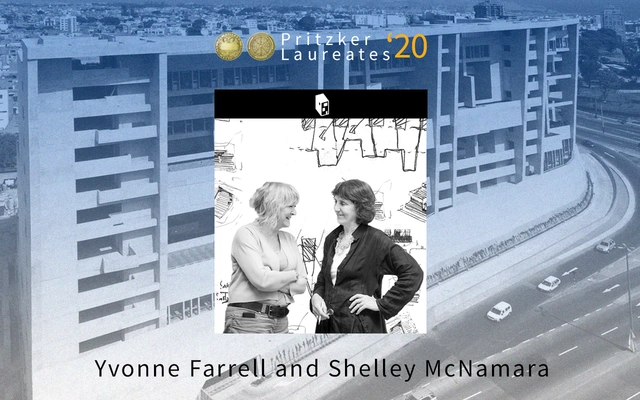
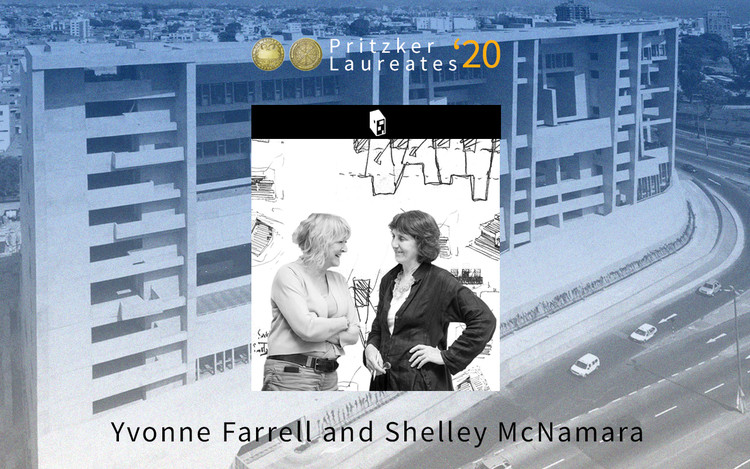
This year, architecture’s highest honor, the Pritzker Prize, has been granted to Grafton Architects' Yvonne Farrell and Shelley McNamara of Dublin, Ireland. The 2020 Laureates, who are both educators and architects, are known for their powerful yet delicate approaches. Their contextual and modern interventions are very attentive to history, demonstrating high levels of sensitivity and craftsmanship.
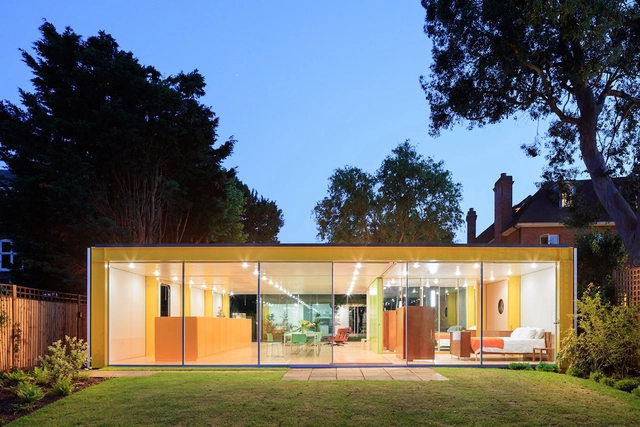
Harvard Graduate School of Design (Harvard GSD) has announced the six winners of the 2020 Richard Rogers Fellowship, a residency program at the Wimbledon House in London, the landmarked residence designed by Lord Richard Rogers for his parents in the late 1960s. Now entering its fourth cycle, the Fellowship is inspired by Lord Rogers’s commitment to cross-disciplinary investigation and engagement.
Because, for all the inspirational works across the world, we would be lost without the photographers dedicated to sharing this inspiration with us. Here we present to you the most influential architectural photographs of the year.
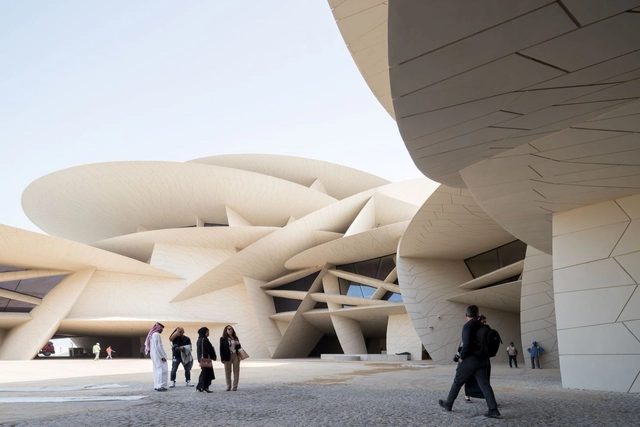
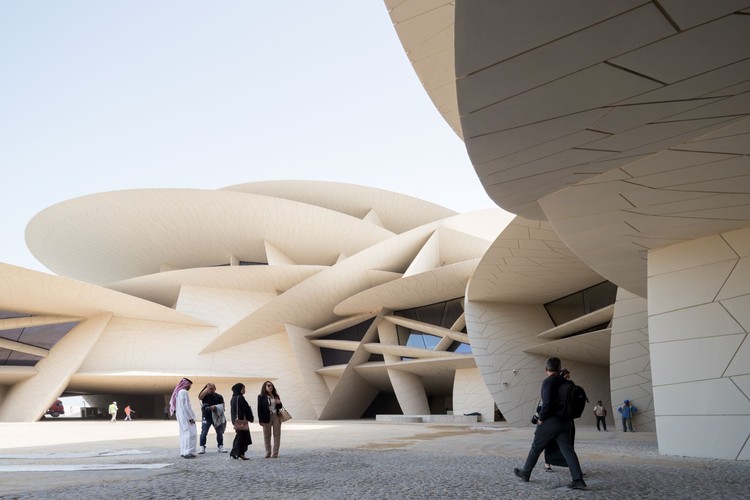
Qatar has been radically reshaped by growth and development. The sovereign state transformed since the second half of the twentieth century after the discovery of the Dukhan oil field in 1940. Capitalizing on over 70 years of economic development, Qatar now has the highest per capita income in the world. Reflecting the country’s wealth, its modern architectural projects are being built at a monumental scale.
As the founder of Steven Holl Architects, Steven Holl (born December 9, 1947) is recognized as one of the world's leading architects, having received prestigious awards for his contributions to design over the course of nearly forty years in practice, including the prestigious Alvar Aalto Medal in 1998, the AIA Gold Medal in in 2012, and the 2014 Praemium Imperiale. In 1991, Time Magazine named Holl America's Best Architect. He is revered for his ability to harness light to create structures with remarkable sensitivity to their locations, while his written works have been published in many preeminent volumes, sometimes collaborating with world-renowned architectural thinkers such as Juhani Pallasmaa and Alberto Pérez-Gómez.
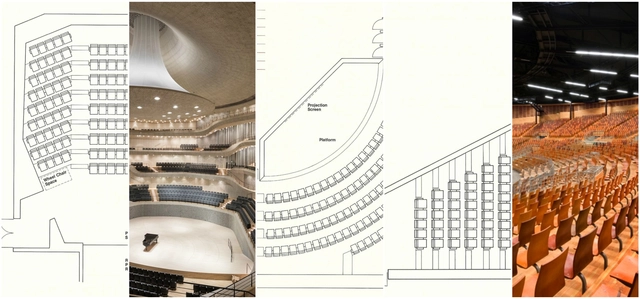
Audience sightlines, accessibility and acoustics all make theater seating a hugely precise art. As part of their set of online resources for architects and designers, the team at Theatre Solutions Inc (TSI) have put together a catalog of 21 examples of theater seating layouts. Each layout is well detailed, with information on the number of seats, the floor seating area and row spacing. These layouts fall under three general forms; to supplement this information, alongside TSI's diagrams we've included the pros and cons of each type, as well as examples of projects which use each format. Read on for more.
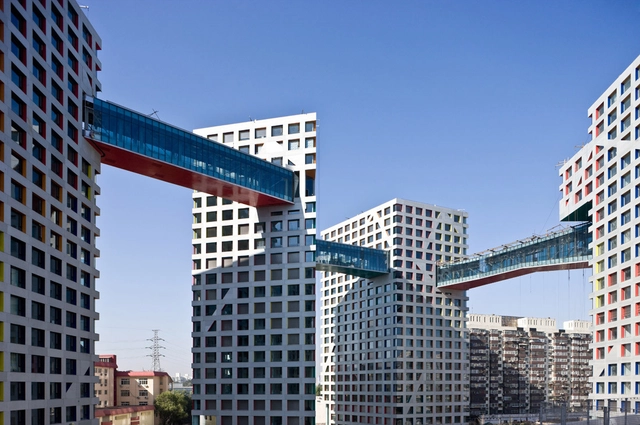
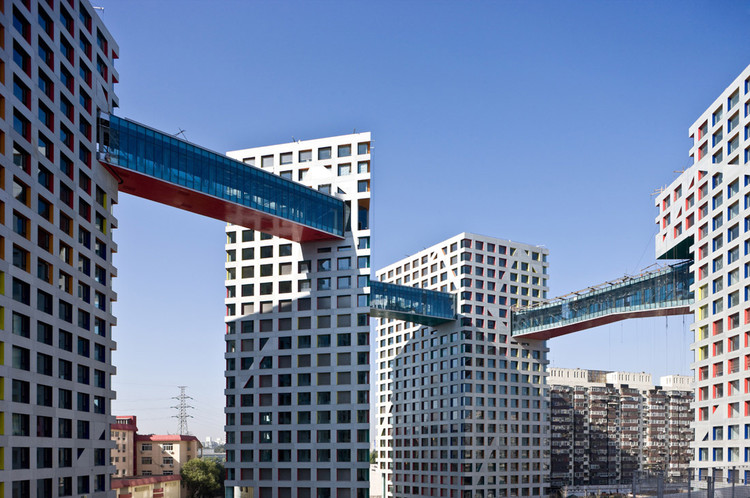
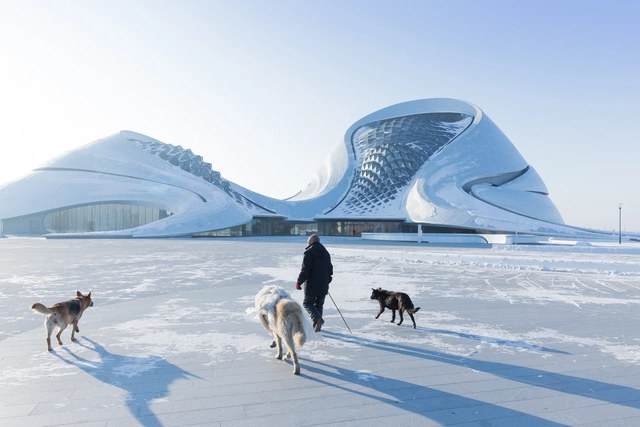
Founder of the innovative architecture firm MAD Architects, Ma Yansong (born 26 November 1975) has helped to give China a name in the international architecture scene. The first Chinese architect to receive a RIBA fellowship, Ma explores contemporary architecture in relation to traditional eastern values of nature, resulting in buildings that are complex and contextually aware, but sometimes even surreal.
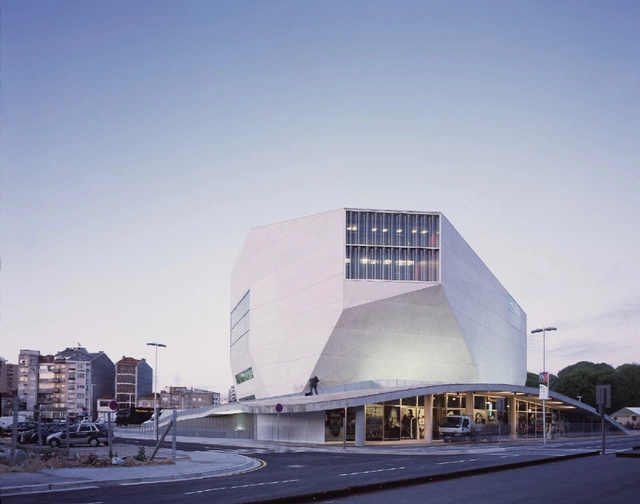
With the extensive list of acclaimed alumni of his firm, OMA, it is not a stretch to call Rem Koolhaas (born 17 November 1944) the godfather of contemporary architecture. Equal parts theorist and designer, over his 40-year career Koolhaas has revolutionized the way architects look at program and interaction of space, and today continues to design buildings that push the capabilities of architecture to new places.
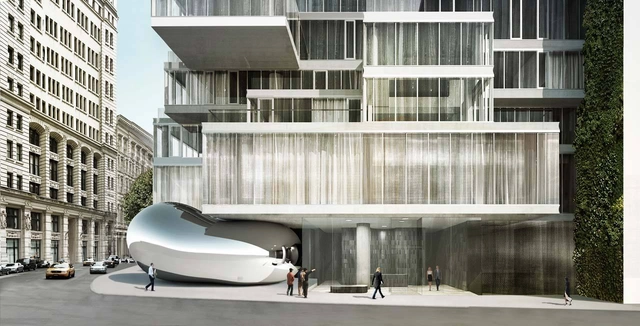
Artist Anish Kapoor will have his first permanent public work opening as part of 56 Leonard St. in New York. Located at the base of the residential tower by architects Herzog & de Meuron, the specially commissioned artwork is integrated into the architecture of the iconic New York tower. Marking the collaboration between artist and architect, the work aims to become a new cultural landmark in Tribeca.
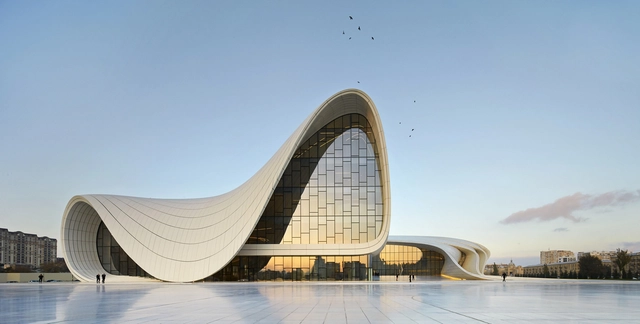
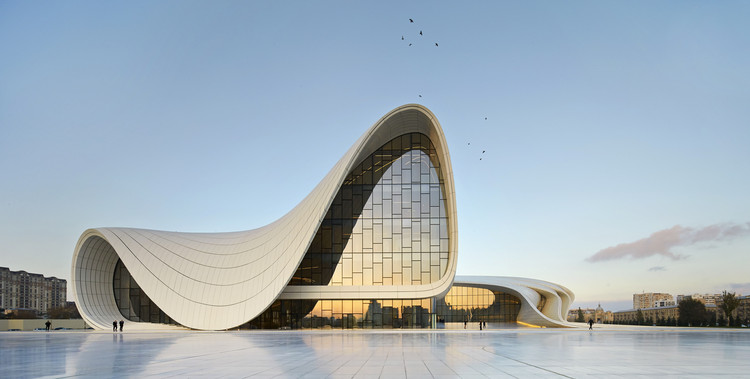
In her lifetime, Pritzker prize-winning architect, fashion designer and artist Zaha Hadid (31 October 1950 – 31 March 2016) became one of the most recognizable faces of our field. Revered and denounced in equal measure for the sensuous curved forms for which she was known, Hadid rose to prominence not solely through parametricism but by designing spaces to occupy geometries in new ways. Despite her tragically early death in March of 2016, the projects now being completed by her office without their original lead designer continue to push boundaries both creative and technological, while the fearless media presence she cultivated in recent decades has cemented her place in society as a woman who needs just one name: Zaha.
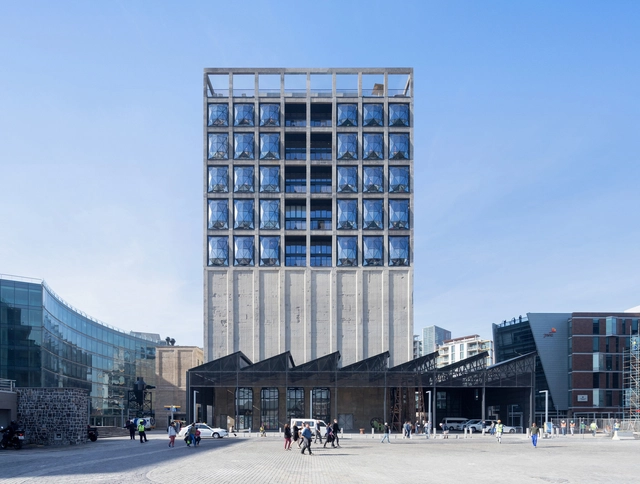
South Africa’s architecture is defined by a multicultural history. Located at the southernmost tip of the continent, the county has built upon past traditions and building techniques in a range of modern architecture and cultural projects. These structures showcase new design approaches in South Africa and experiment with diverse formal and spatial strategies.
The Daylight Award 2020, a dual prize for research and architecture, is now open for nominations. The Daylight Award is a great opportunity for the global community of architects and researchers to consider and nominate their colleagues who have expertise in advancing outstanding daylight research and the unique use of daylight in architecture.


.jpg?1585197773&format=webp&width=230&height=230&crop=true)
_Frank_Oudeman_19.jpg?1585198175&format=webp&width=230&height=230&crop=true)


.jpg?1484680102&format=webp&width=640&height=580)

















_MAD_Architects.jpg?1479857306&format=webp&width=230&height=230&crop=true)