-
Architects: BHA studio
- Area: 458 m²
- Year: 2021
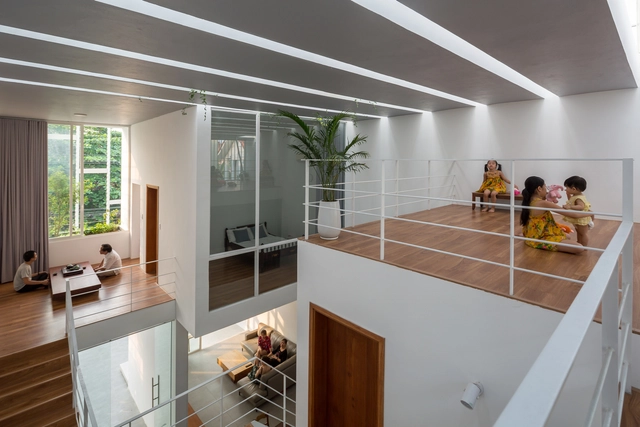
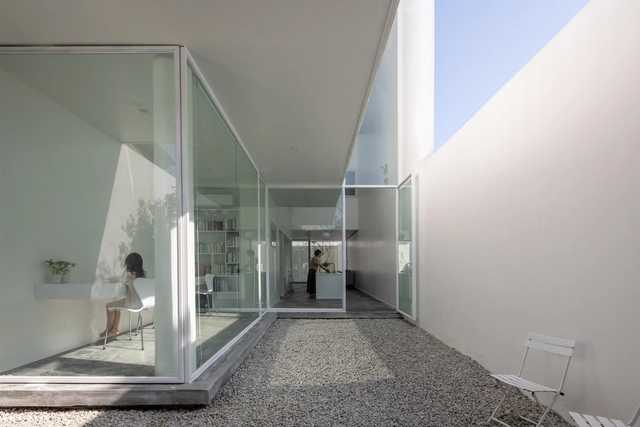
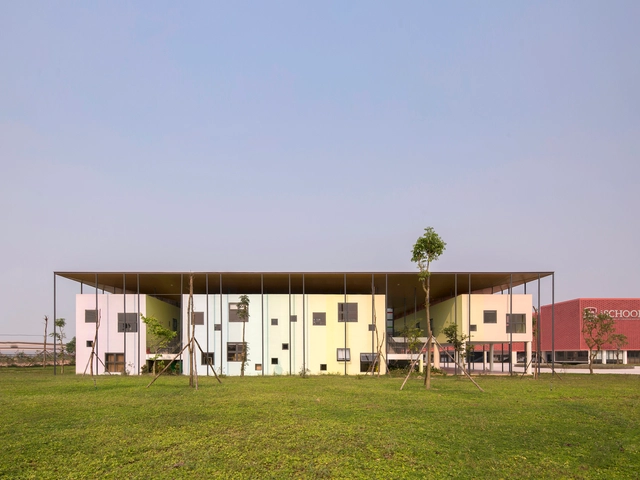
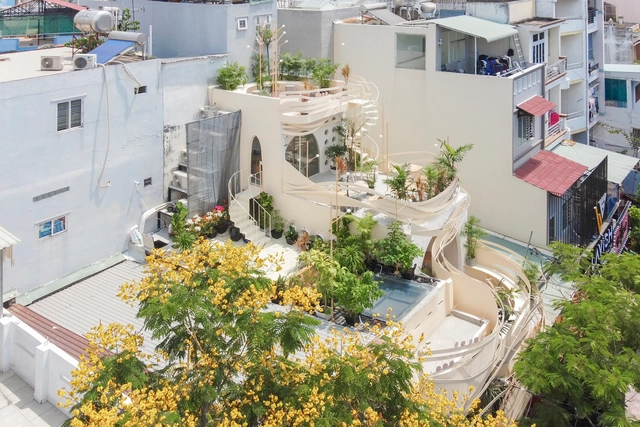
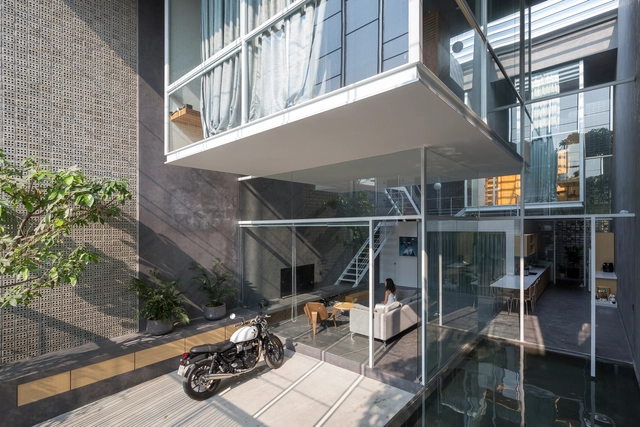
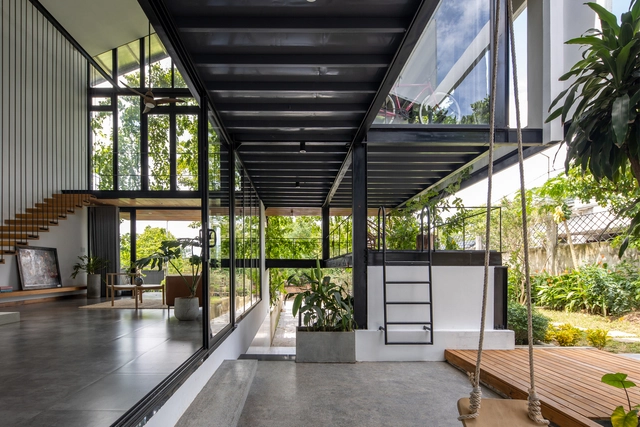
Whether it is for a break, relaxation, or even free wifi, coffee shops tend to host a series of situations that involve more than just enjoying a cup of coffee. A quiet and pleasant place, which in addition to everything else offers a good hot drink, is a great attraction for those looking for a coffee shop to spend a few hours.
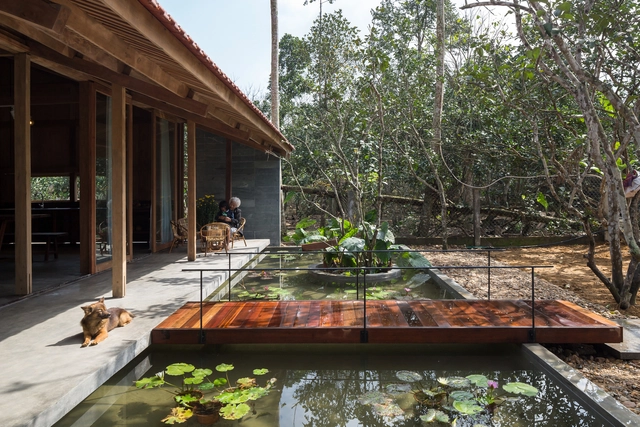
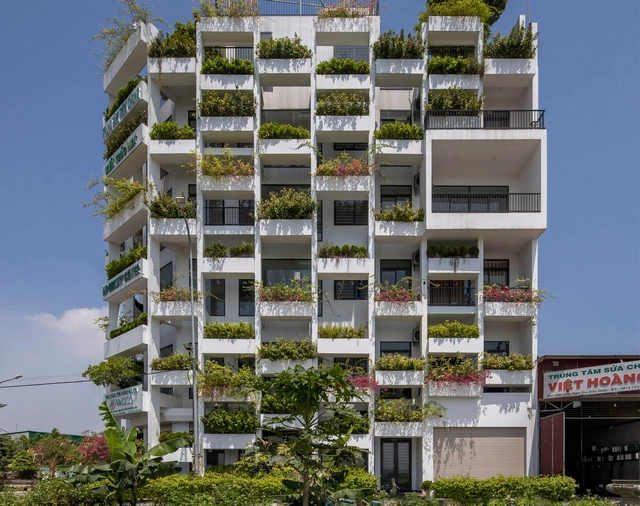
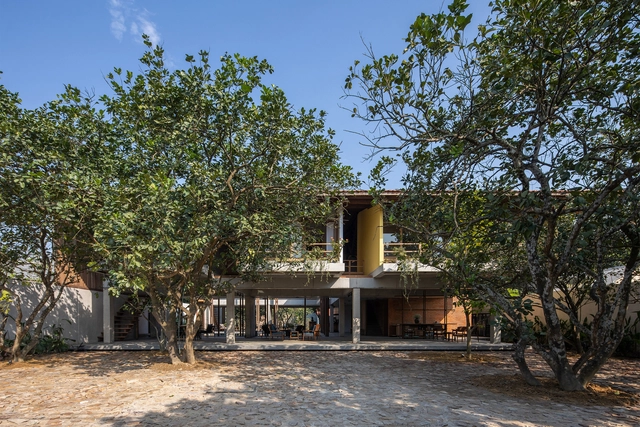
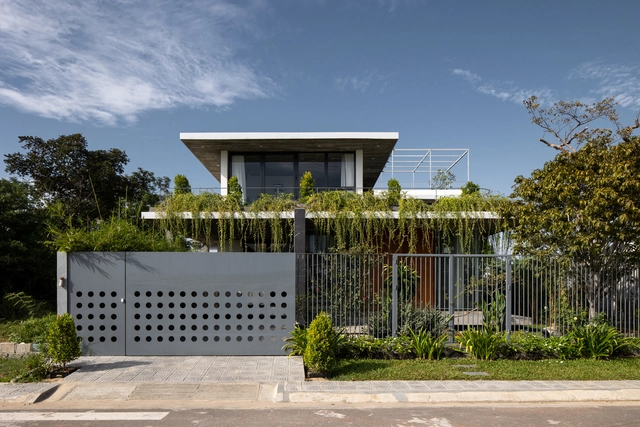
In this sense, a landscape project that integrates greenery into these environments can significantly increase the comfort of customers, by easing temperatures and offering a barrier against atmospheric, noise and visual pollution. In addition, after the restrictions imposed by the Covid-19 pandemic, open spaces, with natural ventilation and gardens became priorities for many projects, including coffee shops.
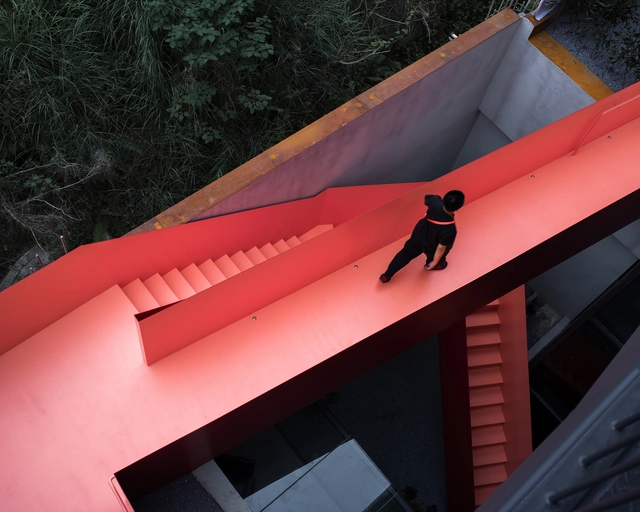
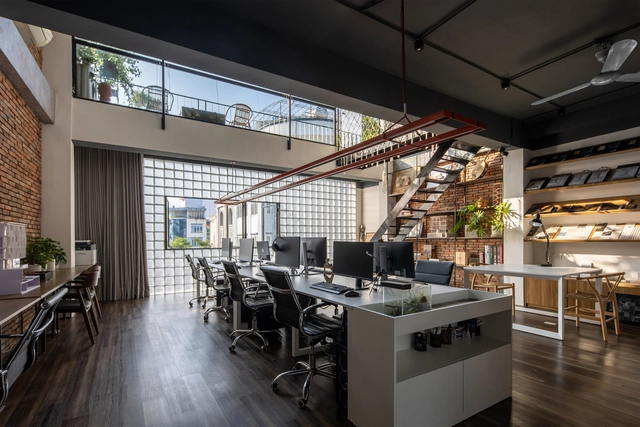
Stairs are often an inevitable part of a building's DNA. Nowadays, staircases not only serve the function of practicality but are also a showcase of their own kind, especially if paired with a color that is guaranteed to grab attention. Among warm colors, red is considered to be the most powerful one. On one hand, it evokes feelings of joy and energy, and on the other, feelings of alertness and danger. Red can stimulate a whole range of emotions. Therefore, its usage should be attentive, delicate, and thought out.
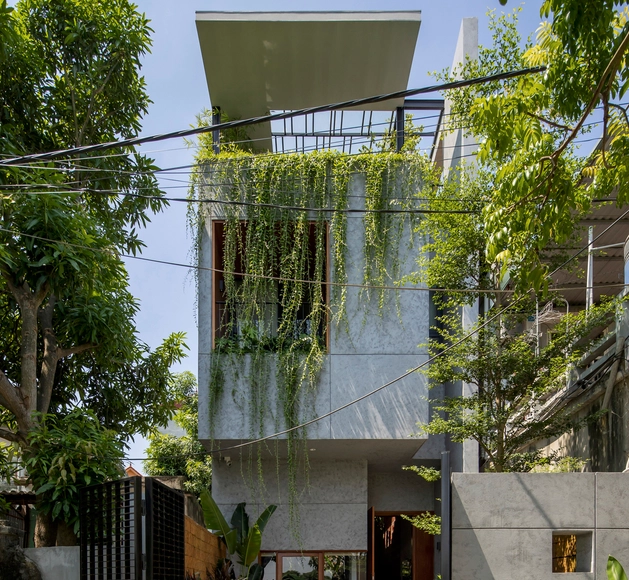
This article was originally published on Common Edge.
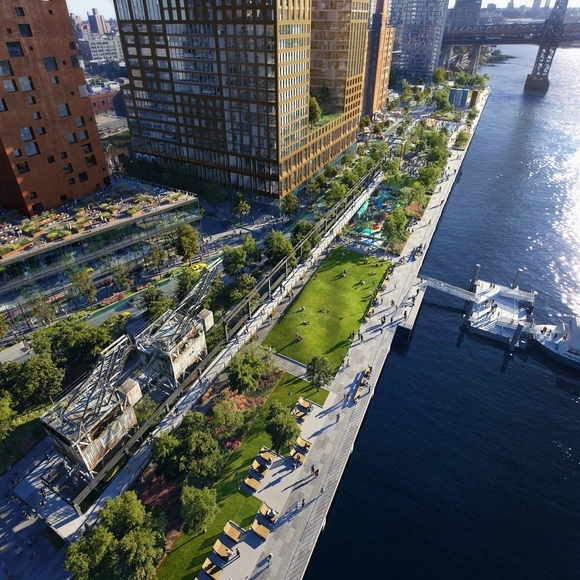
The urgency to reduce greenhouse gas emissions has never been greater, and getting there is going to require bold steps for buildings, infrastructure, and communities. Incremental reductions are not enough; we need to focus on full decarbonization, which means removing carbon emissions caused by our built environment.
These big changes in the way energy is generated and used will raise important questions about who benefits and who pays. Technology-focused incentive programs can wind up leaving our most vulnerable communities behind, exacerbating a legacy of underinvestment and health disparities, while also failing to reach the essential goals of a complete energy transition. Instead, we need holistic solutions that put disadvantaged communities first and transition buildings that would otherwise be left out, leading to bottom-up market transformation that benefits everyone.


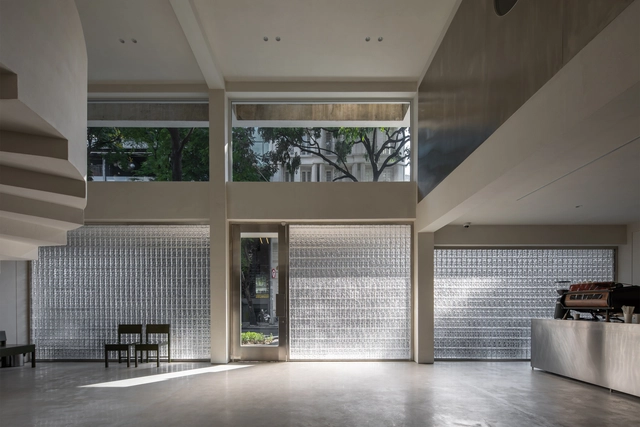
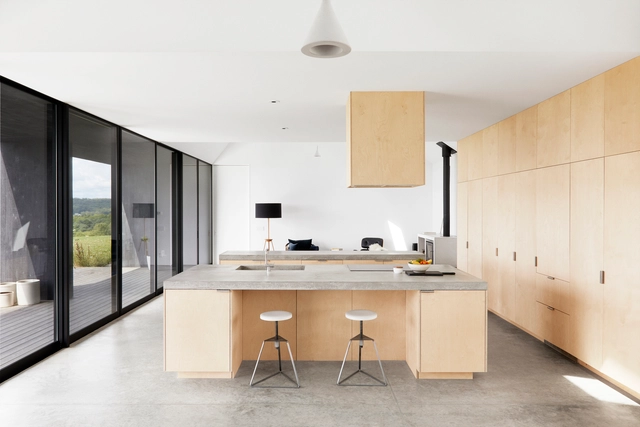
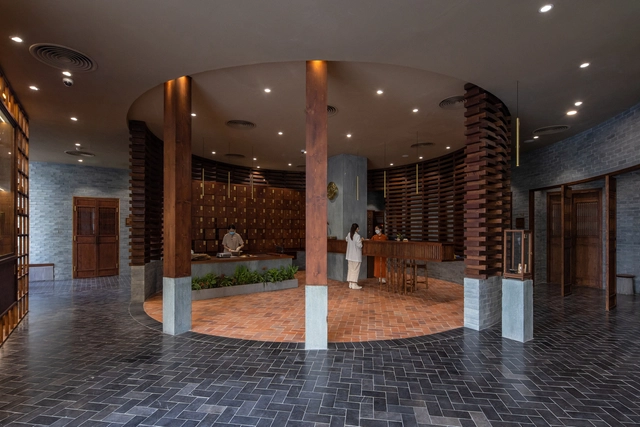
In addition to their aesthetic appeal, the use of raw materials can save resources by bypassing the use of additional coatings and processes. This type of solution was most commonly used in utility buildings, such as infrastructure, factories, and warehouses. Exposed concrete floors, for example, were primarily found in industrial spaces, parking lots, and gas stations. However, they are increasingly being used in structures of different programs due to their appearance, durability, resistance, and vast possibilities for finishes. But what are the main factors to be aware of when using a concrete floor for a project?