

-
Architects: lequang-architects
- Area: 250 m²
- Year: 2022
-
Manufacturers: Toto

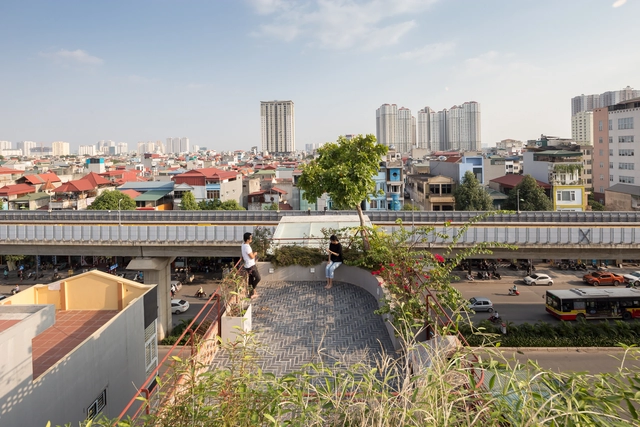
Cities across the globe are developing comprehensive action plans in order to create a coordinated response to the challenges of climate change. Targets and goals for consumption-based emissions are important for guiding strategic planning and decision-making, improving accountability, and communicating the direction of travel to businesses and the public. National and regional government officials are working with the private sector, international organizations, and civil society to create change at every level, from structural interventions in supply chains and industries to individual choices. This demonstrates a rising understanding of the role of cities in mitigating the adverse effects of rising temperatures.


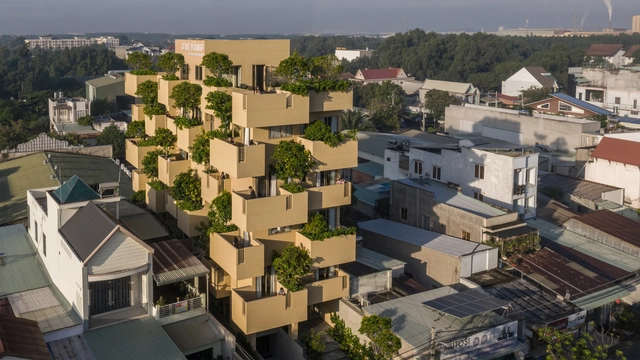

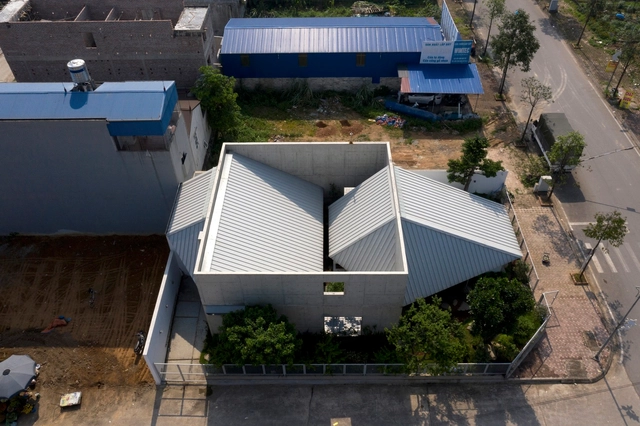
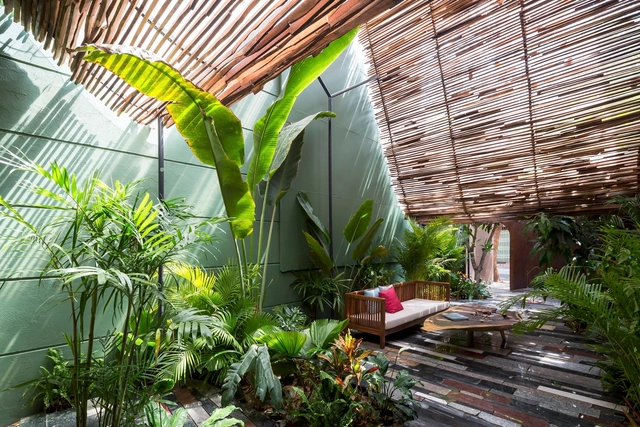


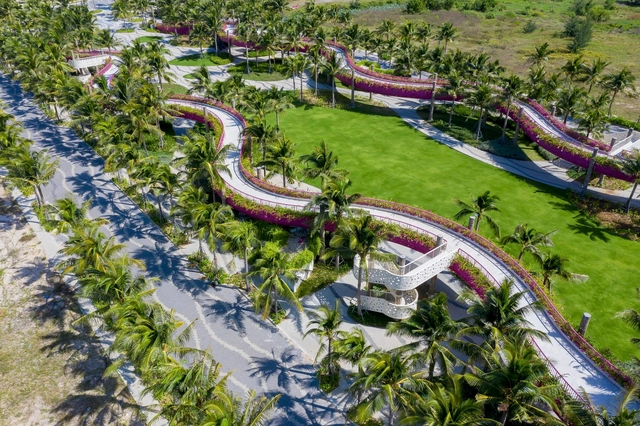
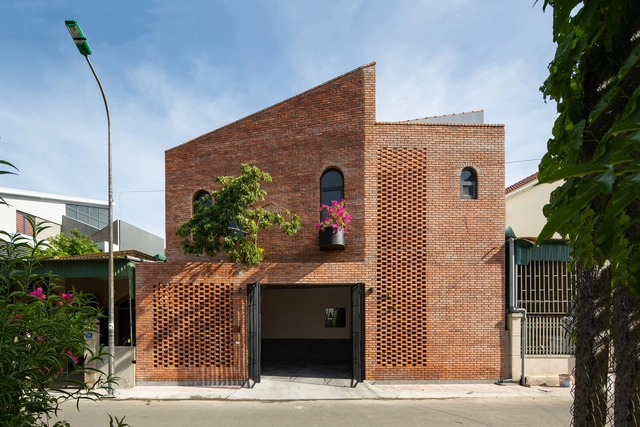
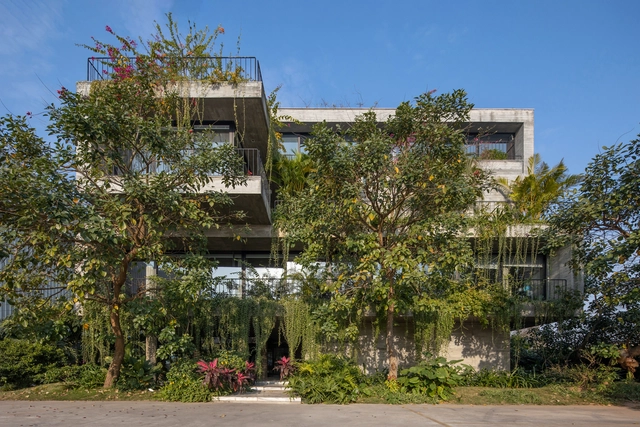
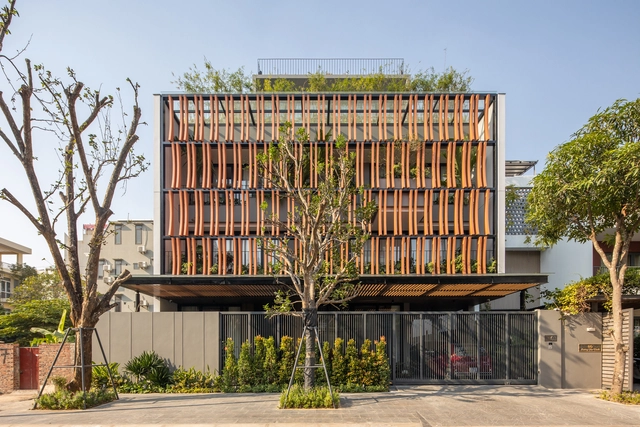
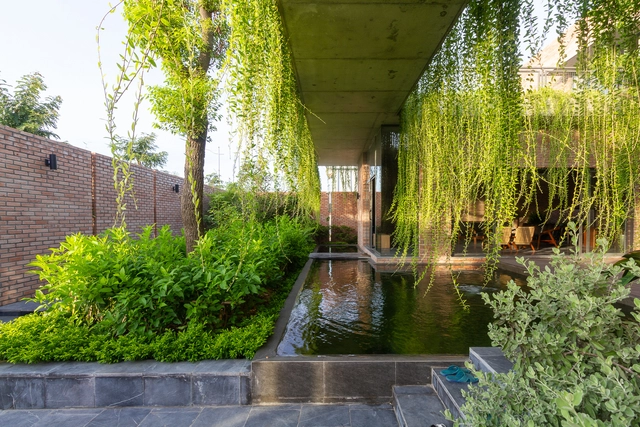
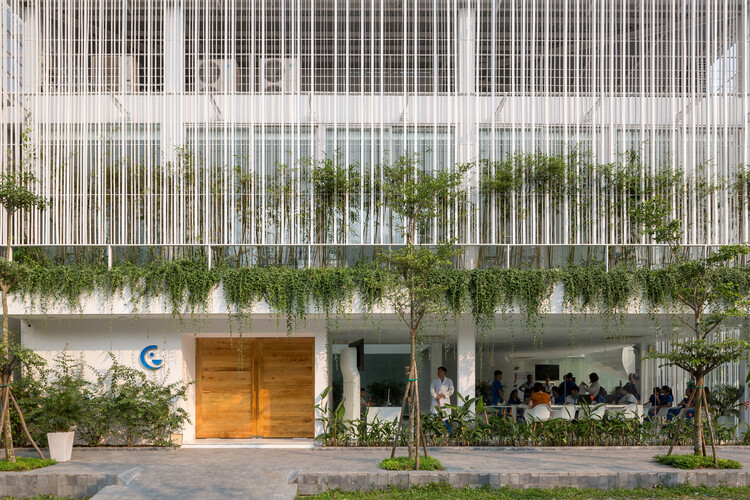
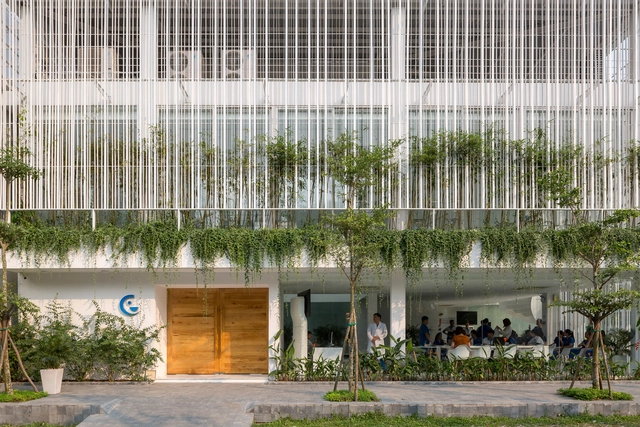
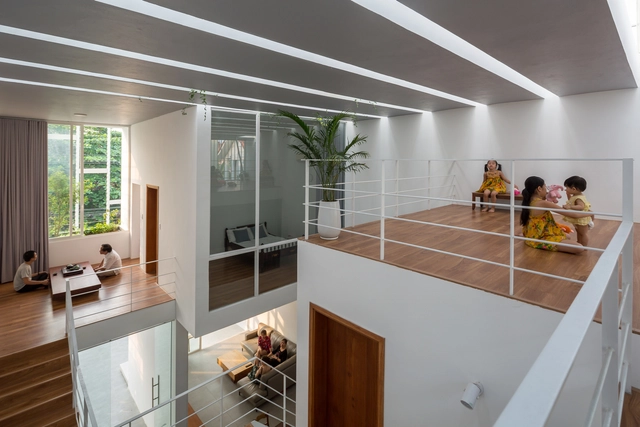
If ancient Hellenic sources are to be believed, hanging gardens have existed at least since antiquity when the famous Hanging Gardens of Babylon were described by writers such as Herodotus and Philo of Byzantium. Today, vertical gardens have proliferated alongside the interest in indoor plants and gardens, especially in suitable climates. This trend in architecture reflects a simultaneous uptick in interest toward sustainability and a more pastoral, back-to-nature lifestyle. In the projects listed below, several of the architects mention moving forward from an industrial past—with its concomitant environmental effects—toward a better future, or at least a secluded, fresh, and natural outpost amidst the chaos of modern city life. Indoor gardens, and the visual allure of hanging plants and climbing vines, provide the setting for such a life. These vertical designs simultaneously conserve space and embed the plants within the atmosphere of the house, ensuring the space feels as much like a garden as it does a comfortable home.


_-18.02.2020-.jpg?1609783836&format=webp&width=230&height=230&crop=true)