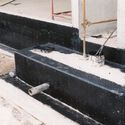
Concrete, metal, or wood—all building materials degrade over time when exposed to water and moisture. Moreover, every building element is exposed to weathering to varying degrees, from the foundation to the roof. Consequently, protective layers must be incorporated to prevent water from contacting raw materials—a process known as waterproofing—ensuring the structure's maintenance and longevity.
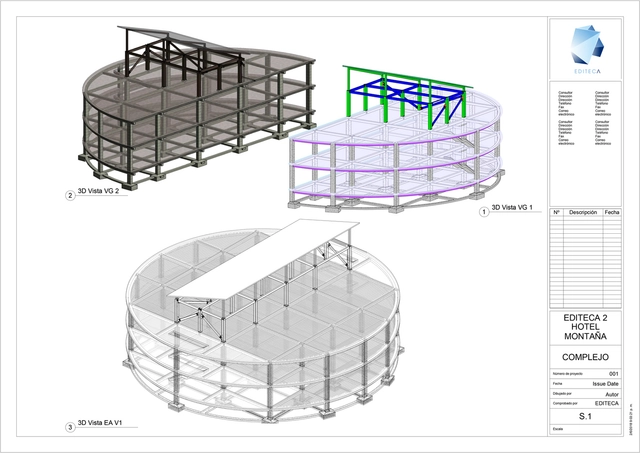
BIM methodology is currently booming and on the lips of every industry professional, making it essential for any sector expert to keep in mind. In this article, we review the five most relevant factors to help you assess your compatibility with BIM, according to Editeca.
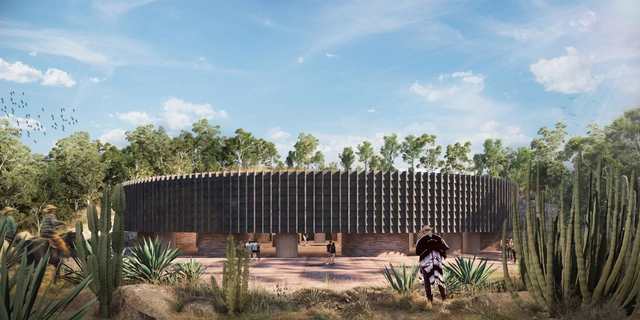
As part of a new collaboration between the Mexico City-based firms, Esrawe Studio and Francisco Pardo present "Biodynamic Community," a new project in Los Altos de Jalisco, Mexico. The development will be built on an 820,000-square-meter site and will have a total built area of 29,700 square meters.
Clarice Lispector and Carolina Maria de Jesus during a book launch. Figure produced by the author
Carolina Maria de Jesus and Clarice Lispector are among the most prominent Brazilian writers of the 20th century. This essay analyzes the representations surrounding them and, above all, offers an approach that complexifies the comparison between the two, reflecting on body and city from an intersectional perspective.
https://www.archdaily.com/1132497/representations-of-carolina-maria-de-jesus-and-clarice-lispector-body-city-and-territoryLuiza Fraccaroli B. da Costa
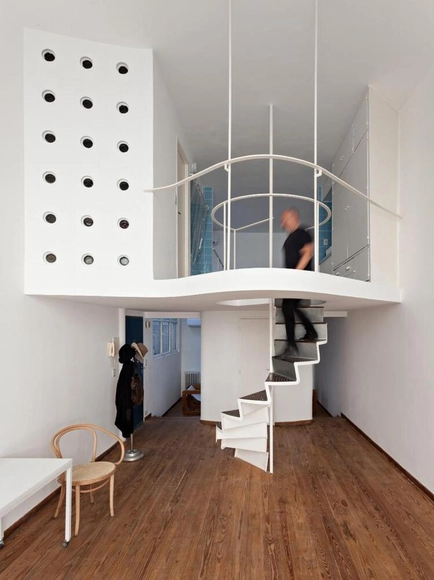
As part of the traveling exhibition and book series developed by Saint-Gobain, “El material de lo construido”, Catalan architect Josep Ferrando presented his exhibition "The Infinite Grid," inaugurating the Bisman Ediciones Architecture Gallery and Residency. The space is located in the “Casa de Estudios para Artistas”, one of Argentina's most iconic modern architecture buildings, designed by Antonio Bonet, Horacio Vera Barros, and Abel López Chas around 1938.
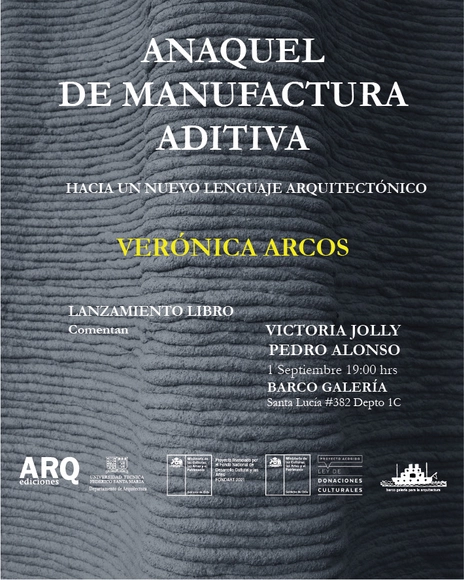
‘Additive Manufacturing Shelf: Towards a New Architectural Language’ is an exhibition that compiles part of the applied research project on 3D concrete printing developed by Verónica Arcos since 2018. Three-dimensional printing with cementitious and clay materials allows for unprecedented formal freedom, ushering in a new architectural language.
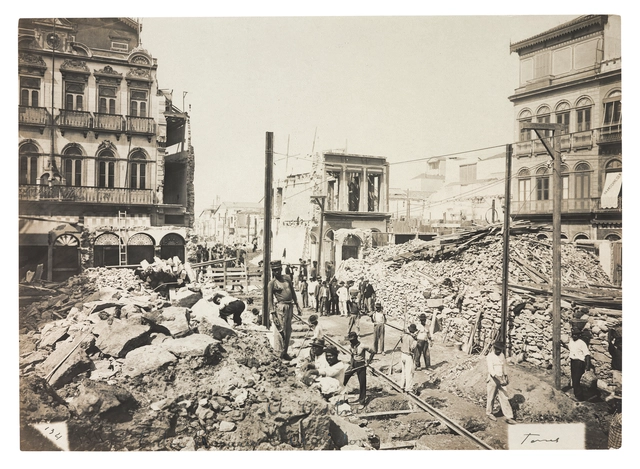
Demolitions between Rosário and Ouvidor streets, Central Avenue, now Rio Branco Avenue, Rio de Janeiro, 1904. Credit: João Martins Torres / Instituto Moreira Salles Collection
On September 13, IMS Paulista opens the exhibition Moderna pelo avesso: fotografia e cidade, Brasil, 1890-1930. With free admission, the exhibition features photography from some of the country's major capitals—Porto Alegre, São Paulo, Rio de Janeiro, Belo Horizonte, Recife, and Belém—during the First Brazilian Republic, from 1889 to 1930. The exhibition documents radical urban reforms that took place during this period, addressing the tensions and contradictions of these processes, which altered landscapes and the ways people lived in and moved through cities.
https://www.archdaily.com/1131846/exhibition-at-ims-paulista-explores-the-relationship-between-photography-and-the-city-in-the-early-decades-of-the-20th-centuryArchDaily Team
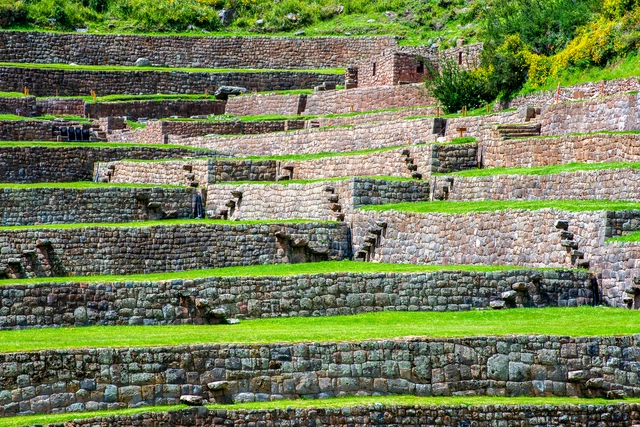
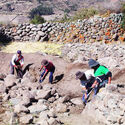
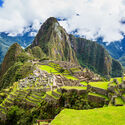
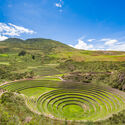
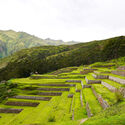
In sloped topographies, factors such as rainfall and excess water promote surface runoff, triggering a series of impacts that lead to the loss of soil, water, nutrients, and seeds, consequently reducing agricultural productivity (Posthumus, 2005). In Andean mountain environments, this is compounded by water scarcity and variability, alongside the challenges of water retention (Canziani, 2007). To address these challenges, territorial transformations and modifications known as terraces and andenes emerged, representing some of the oldest infrastructural practices for soil and hydrological conservation and management. Their physical presence, productive use, and cultural relevance remain vital in many parts of the world today.
The footprint of urban construction is expanding rapidly. Globally, building floor area could double by 2060. Constructing and maintaining urban infrastructure requires significant amounts of energy and material resources. Consequently, how cities build—and with what materials—directly impacts whether sustainability goals are achievable or even realistic. Cities must ensure they are using low-impact, renewable materials. This challenge presents a clear opportunity for wood.
https://www.archdaily.com/1131835/how-cities-can-source-sustainable-woodWhitney Light, Scott Francisco e Sadof Alexander
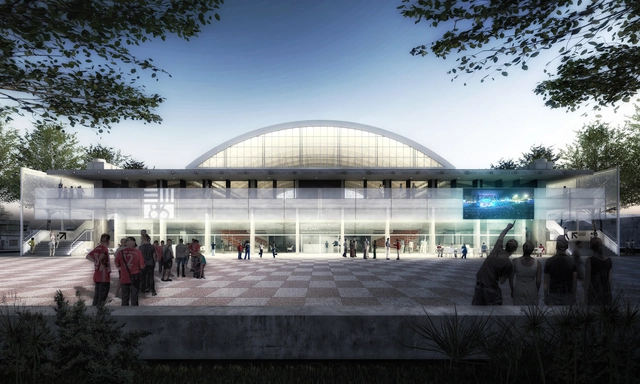
Organized by the Intendencia de Paysandú and sponsored by the Sociedad de Arquitectos del Uruguay, a preliminary design competition was launched for the renovation and general building refurbishment of the June 8 Indoor Stadium in the city of Paysandú, Uruguay.
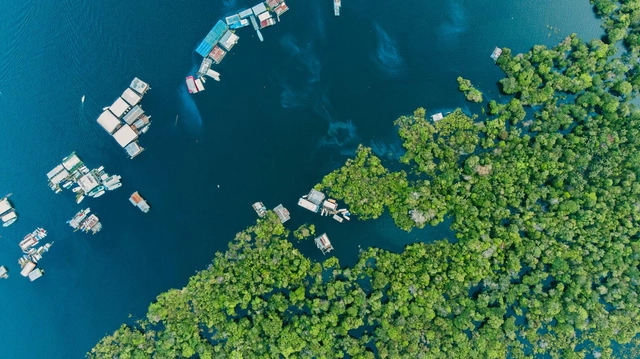
Amazon River, aerial view in Tefé. Photo by Rodrigo Kugnharski via Unsplash .
Amazon Day was celebrated on the 5th of this month. Established in 2007, the date aims to raise awareness about the importance of this biome, which is essential to the planet's environmental and climate balance. Constantly under threat and shaping a contested territory, Earth's largest natural biome is a frequent site of human intervention. How have architecture and urbanism engaged with this context?
The Faculty of Architecture and Design at Universidad Finis Terrae will launch the second issue of Revista Archipiélago, an academic publication that seeks to disseminate new knowledge related to various artistic disciplines. This issue focuses on "distance," a crucial theme for our times and for the fields of space and design, explored through three thematic axes: Design Critique, Design Processes, and Logbook.
Rio de Janeiro will host the world's largest urban garden, according to the organizers of the Hortas Cariocas program. The municipal government-funded initiative aims to promote "food sovereignty, generating self-sufficiency through organic products, and creating gardens in municipal schools and communities across Rio."
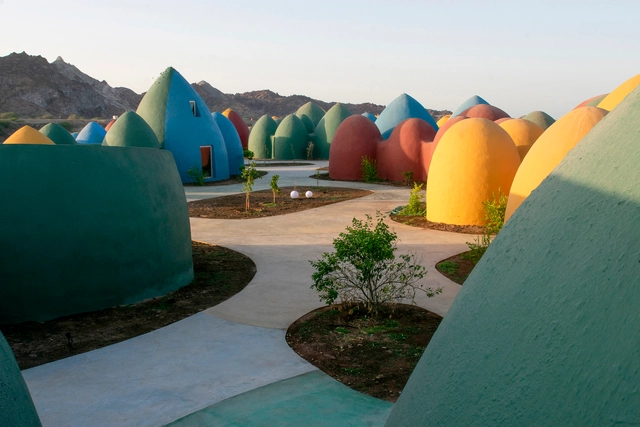
Proyecto: The Superadobe Domes of Hormuz, Zav Architects, Hormuz, Irán. Image Cortesía de ZAV Architects / Tahmineh Monzavi, The ArchDaily Guide To Good Architecture, gestalten 2022
Together with publisher gestalten, we recently published our first book: The ArchDaily Guide to Good Architecture. It represents a pause to reflect on the more than 40,000 projects curated over the past 15 years, drawing from their contributions to answer the ambitious question of what constitutes good architecture.
Now, it is your turn—our readers—to tackle this question.
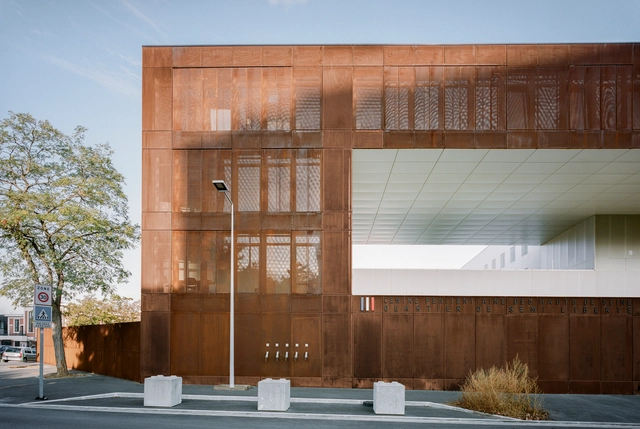
Commissioned from LAN (Local Architectural Network) by the French government, the Nanterre minimum-security prison project engages with the concepts of the penal system by critically reviewing the design of these buildings. The complex is guided by an attempt to better integrate it into the urban fabric, reinforcing the importance of the relationship between the city and prison structures as spaces for social integration. Consequently, understanding the proposal for the Nanterre Minimum-Security Area involves political, institutional, and historical factors that retrieve and reframe historical and contemporary debates surrounding the penitentiary system in general, and the French system in particular. While a prison is naturally understood by its confinement, LAN's design prioritizes an educational and humanitarian character to transform both the inmates and the public's perception of them.
https://www.archdaily.com/1132545/confinement-and-transparency-how-the-nanterre-minimum-security-area-contributes-to-redefining-the-classic-concept-of-the-prisonAlexandre Kok, Caio França, Gabriela Rudge, Lara Girardi, Lia Soares, Maria Clara Calixto, Marina Liesegang, Marina Saboya, Pedro Trama, Tamara Silberfeld e Valentina Kacelnik
Minhocão, São Paulo. Photo by D A V I D S O N L U N A via Unsplash
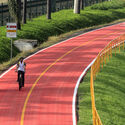
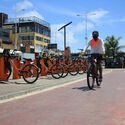
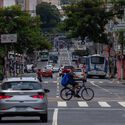
The use of bicycles has grown in recent years, altering the landscape of Brazil's major cities. Among the factors that may have contributed to this shift, one of the most prominent is investment in cycling infrastructure. Data from a Brazilian study reinforces this perspective, demonstrating that bike lanes are a determining factor for those who do not yet ride to take up cycling.
https://www.archdaily.com/1132030/3-actions-to-promote-cycling-and-equity-in-access-to-the-city-in-brazilPaula Manoela dos Santos, Ariadne Samios, Larissa Oliveira e Fernando Corrêa
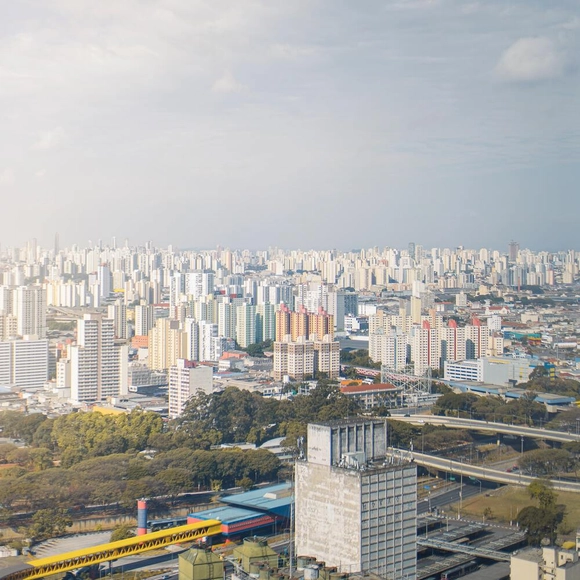
In Brazil, urban policies are commonly assumed to be the responsibility of either municipalities or the federal government. However, there is another level of government that cannot be overlooked: the states. State urban policies are just as important as municipal and federal ones.
https://www.archdaily.com/1131867/when-the-city-becomes-invisibleJosé Antônio Apparecido Junior e Victor Carvalho Pinto